
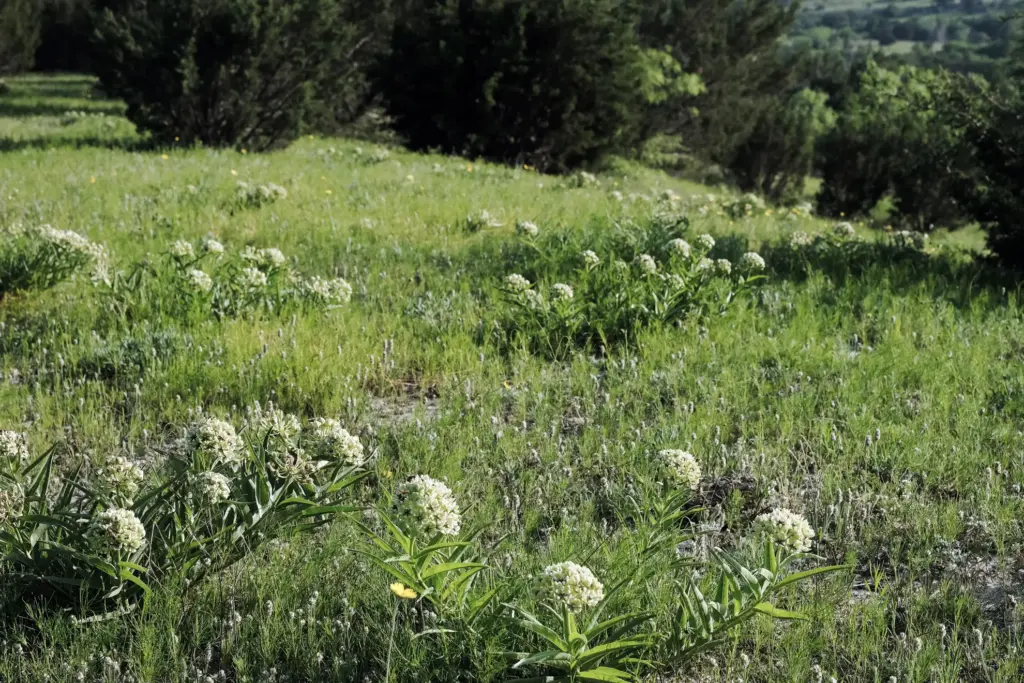
Monarch caterpillars can only eat milkweed, and Central Texas has a native one that fits sunny, well-drained yards. Antelope-horn milkweed can be sown outdoors in late fall or winter, which makes the cool months a handy time for a planting project.
One packet of seed will not guarantee blooms or butterflies, but it can add real habitat to your yard. Here is how to pick the right plant, sow it, and set honest expectations.
Choose the right antelope-horn milkweed
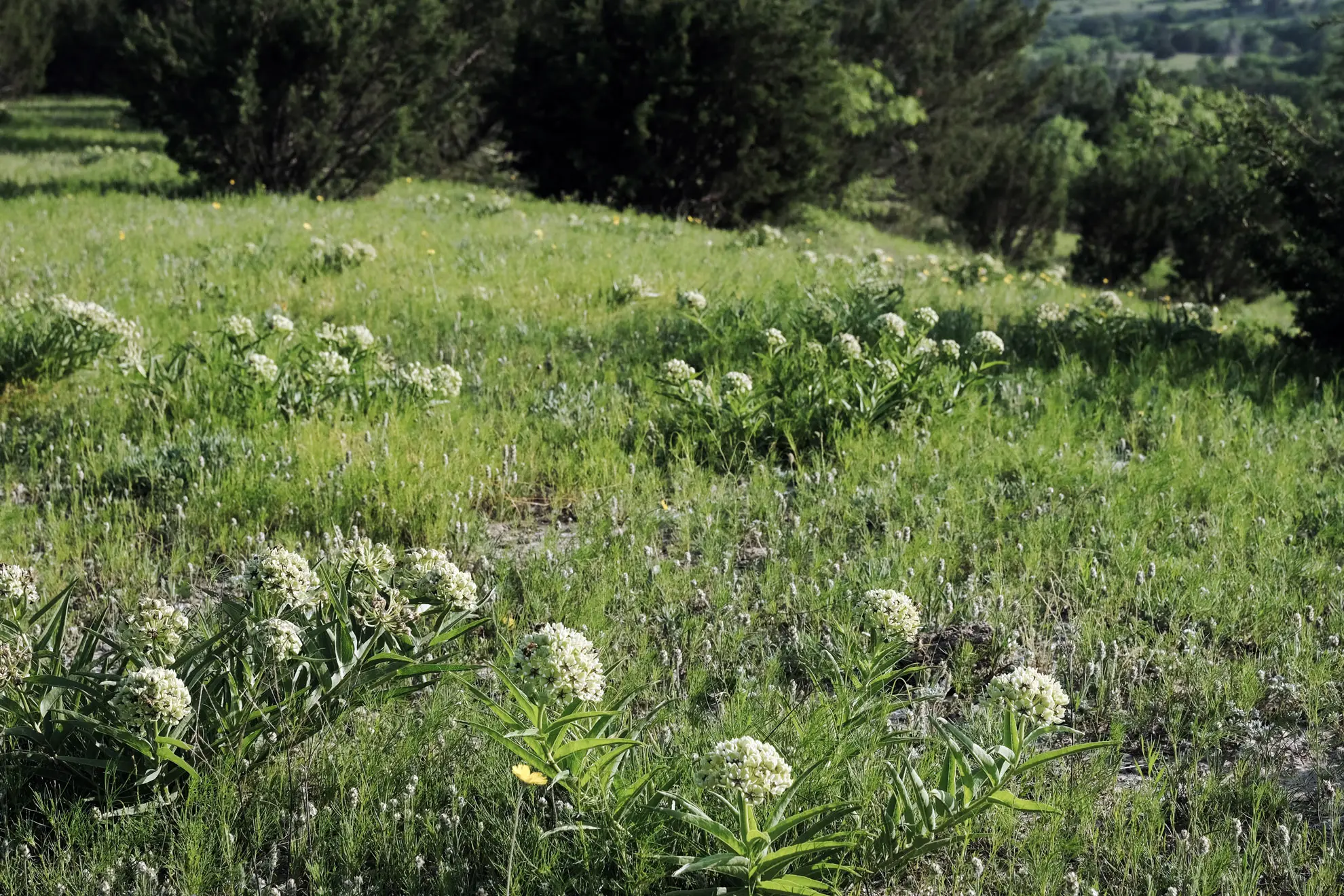
Start with the botanical name on the seed packet: Asclepias asperulaA. viridis. Common names get tangled in the milkweed world, and “green antelopehorn” usually points to a different plant, commonly .
If the label shows only a common name, ask the seller or look for a different seed lot.
Antelope-horn, also called spider milkweed, is a Texas-native perennial. Texas A&M’s rangeland plant profile records it in Central Texas and says it prefers full sun.
That makes it a sensible fit for open, bright spots in many Hill Country and Blackland-edge yards, though not every yard will suit it.
The plant earns its place in a habitat garden for two reasons. USDA’s Southern Great Plains monarch guide lists it as a perennial host for monarch caterpillars and a source of high-quality nectar.
Because it comes back year after year once established, it can become a lasting piece of your landscape. Whether monarchs actually use it in your yard depends on timing, weather, and what is flying through that season.
Winter sowing is an option, not a rule
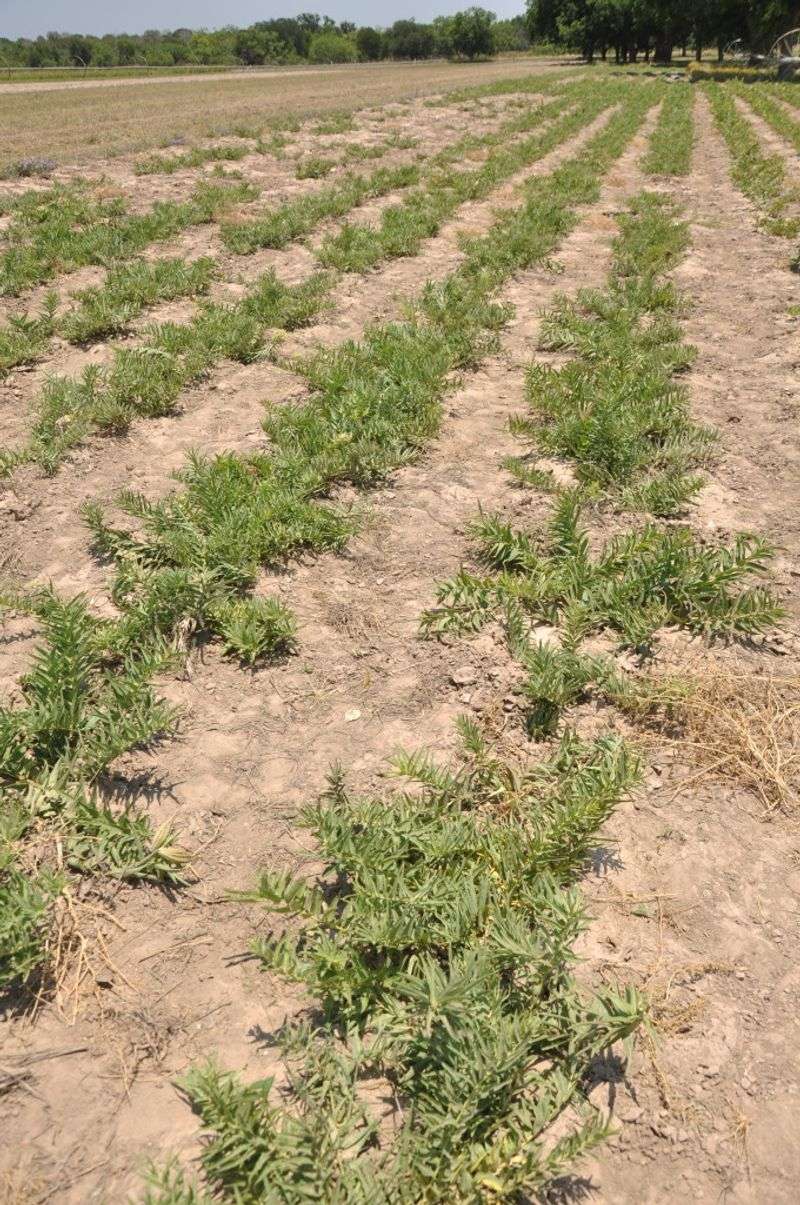
Late fall or winter outdoor sowing is a documented choice for Central Texas. Texas Master Naturalists from the Good Water chapter describe sowing antelope-horn seed in late fall, and they also name early spring as another good window.
If you missed the winter slot, you have not lost your chance.
One reason winter works is that cold, damp weather does the seed’s pretreatment for free. Monarch Joint Venture says many milkweed species need a cold period before they germinate.
That is a statement about many species, not all of them.
For this plant, the picture is less clear. A peer-reviewed germination study found no dormancy in the one A. asperula seed population it tested.
That is one batch, so it cannot tell you how your seed lot will act. The Master Naturalist source also says pretreatment can increase germination.
The practical takeaway is simple. Winter sowing is a low-effort way to let nature handle the cold, and spring sowing is a fine backup.
Neither one guarantees sprouts, so plan on patience and maybe a second sowing. The next section covers where and how to put the seed down.
Give the seeds a sunny, well-drained place
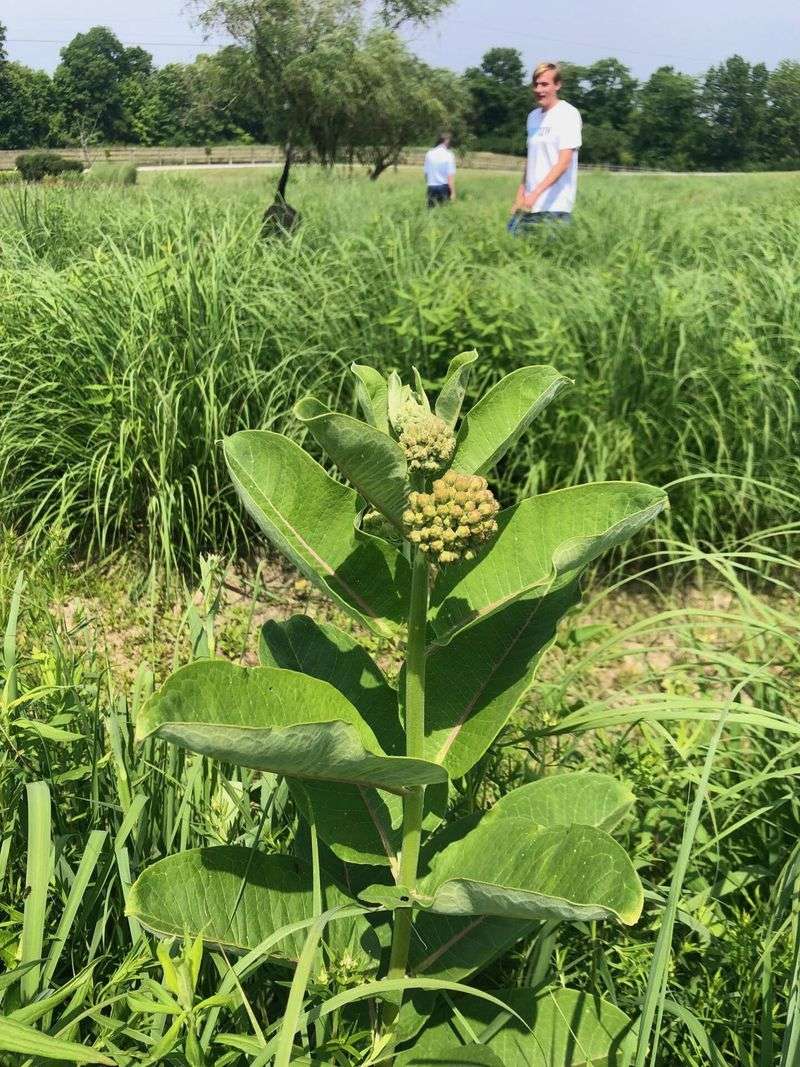
Pick the brightest spot you have. Texas A&M says antelope-horn prefers full sun and tolerates many soil types.
That flexibility has limits, so skip low corners where water pools after a hard rain.
Drainage matters because of the plant’s root. A Texas Master Naturalist article, available from the Good Water chapter, describes it as suited to well-drained soil and notes its taproot.
A taproot means the plant spends early life building underground, so expect slow progress above ground. Avoid planning to move it later, since taprooted plants resent disturbance.
For the sowing itself, clear weeds and grass from a patch of bare soil. Scatter the seed, then cover it with about ¼ inch of soil.
That depth comes from general milkweed advice at Monarch Joint Venture, and it is not a verified rule specific to antelope-horn in Central Texas. Treat it as a reasonable starting point.
Water frequently until plants establish, using the same source’s advice. In a dry Texas winter, that may mean a gentle soaking when rain stays away for weeks.
Mark the patch with a stake so you do not mow or weed it by mistake.
Milkweed needs nectar companions
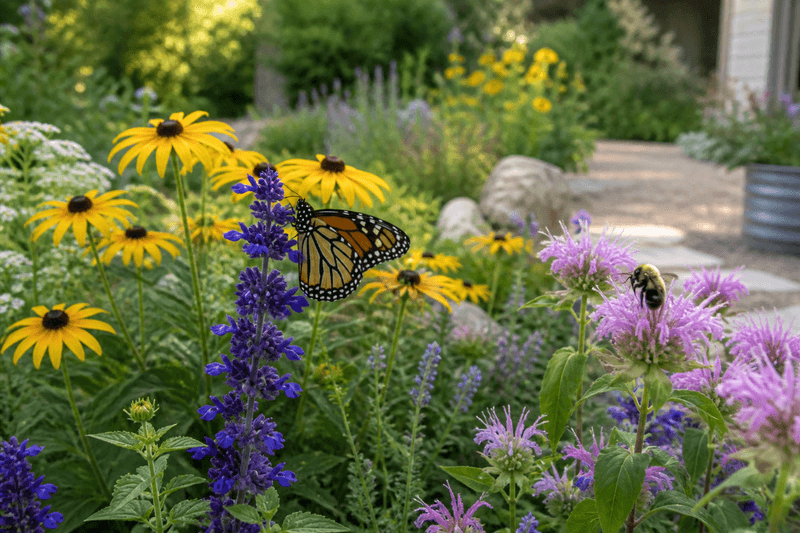
Monarch caterpillars eat milkweed and little else. Adult butterflies are a different story.
They sip nectar from many flowers during breeding and during migration, so a lone milkweed patch leaves out half the picture.
The Texas Parks and Wildlife Department’s habitat guidance recommends a diverse mix of native flowering plants for adult nectar, alongside region-appropriate native milkweed. Pairing the two gives you a small habitat that serves more than one stage of the life cycle.
It will not supply everything monarchs need across their whole journey, but it adds a useful stop.
Shop for natives suited to Central Texas rather than generic butterfly mixes. Aim for flowers that bloom at different times, so something is open in spring and again in fall.
A few clumps of different species usually beat a single large block of one plant.
Place nectar plants near the milkweed in the same sunny zone. That keeps the bed compact and easy to watch.
Monarch Joint Venture’s planting guidance also stresses using native milkweed that fits your region, which supports the same idea. When monarchs pass through your area, they then have both food for caterpillars and fuel for adults close together.
What to expect from monarch timing

Spring and fall bring monarchs through Texas for different reasons. Texas Parks and Wildlife explains that spring migrants move north through the state and lay eggs on emerging milkweeds.
That makes spring the clearer egg-laying period for your host plants.
Fall is mainly a nectar story. Southbound adults are fueling up for the long flight to Mexico, so they look for flowers rather than places to breed.
TPWD’s general account places the Central Texas fall passage around late September through early November.
That timing is approximate. The U.S.
Fish and Wildlife Service says thousands may pass through the Central Texas Hill Country in late September or early October when conditions are favorable. Weather, wind, and drought can shift or thin that flow, so no yard can count on a visit.
Your new plant has its own schedule too. Texas A&M lists a broad March to November flowering span for the species, but that does not tell you when a freshly sown seedling will bloom.
A first-year plant may still be a small rosette of leaves.
So treat next fall as a time to watch, not a deadline. The more useful goal is a patch that grows stronger each year, ready when spring migrants arrive.
Handle the plant with care
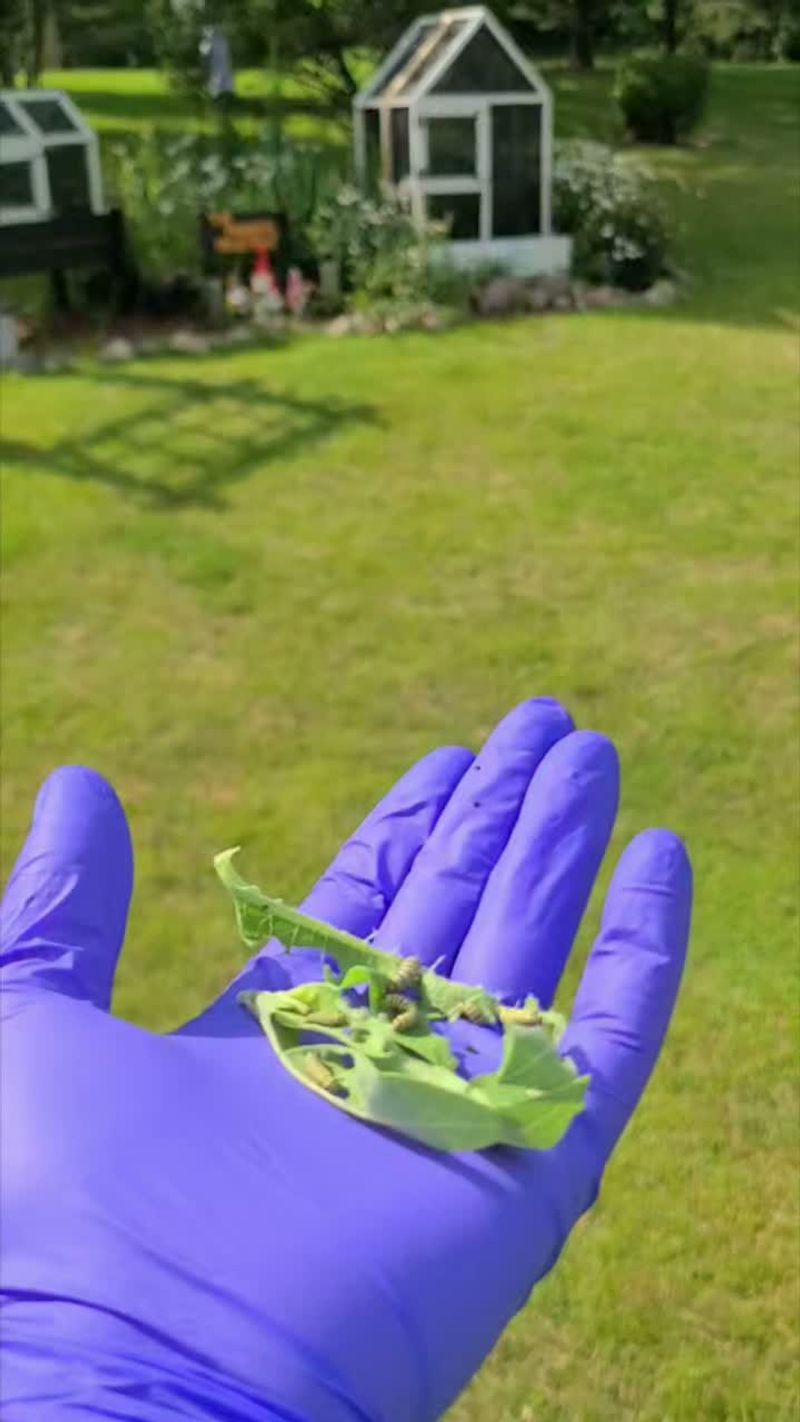
Antelope-horn is a pretty plant with a poisonous side. Texas A&M identifies cardiac glycosides in the species and warns that it can poison livestock.
If you keep goats, horses, cattle, or sheep, plant it well out of reach of grazing animals.
The sap deserves respect, too. The University of Texas at Austin’s Wildflowers of Texas page notes poisonous sap and a possible skin rash.
Wear gloves when pulling or cutting the plant, and wash your hands afterward.
Keep sap away from your eyes, and do not touch your face while working. Make sure no part of the plant is eaten by anyone, including children.
Do not use it for any home remedy.
Plant for habitat, not a promised sighting
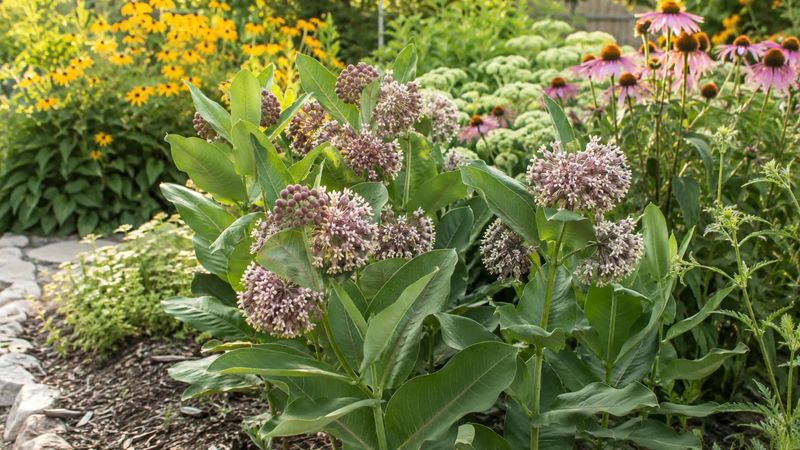
Check the name Asclepias asperula, sow in a supported window, pick a sunny spot with drainage, and add native nectar plants. The Texas Master Naturalists and TPWD both point to that combination.
It creates an opportunity, not a promise of blooms, caterpillars, or fall visitors.
A seed in winter soil is a small bet on spring. Some bets take a year or two to pay off.