
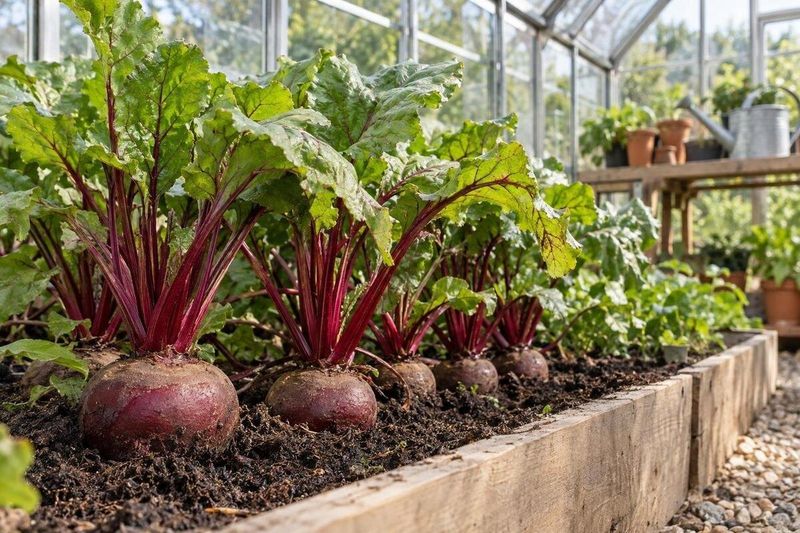
Pull up a beet from a packed fall row and you might find a big leafy top sitting on a root no bigger than a marble. Crowding is one common reason this happens, and it is often easy to miss when seedlings sprout in tight clumps.
Thinning late will not work miracles, but it can give the beets that remain more room to grow. Here is how to thin, what else to check, and how to judge how much time your crop really has left.
Why crowded beets can stay small
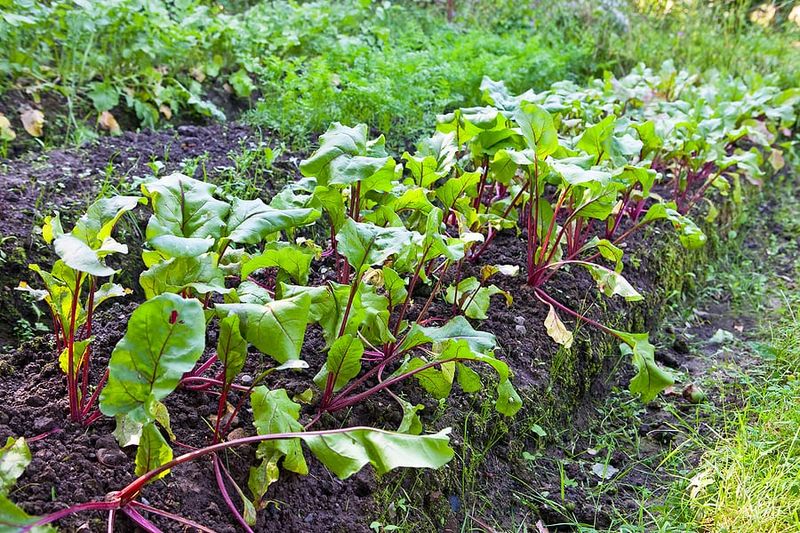
Gardeners often see lush leaves and little or no root underneath. Illinois Extension names overcrowding from improper thinning as the most frequent cause of beets that develop tops but no roots.
Roots that bump into each other have little space to widen, so they may stay thin.
That said, a small root does not prove crowding was the culprit. Beets can look undersized for several reasons, and a quick glance at the row cannot tell you which one applies.
Crowding is simply one well-known factor worth checking first because you can do something about it.
Thinning is a chance to improve growing room for the plants you keep. It is not a guaranteed turnaround.
How much the remaining beets respond will depend on their age, the variety, the weather, and how much growing time is left where you live.
One beet seed ball can produce several seedlings
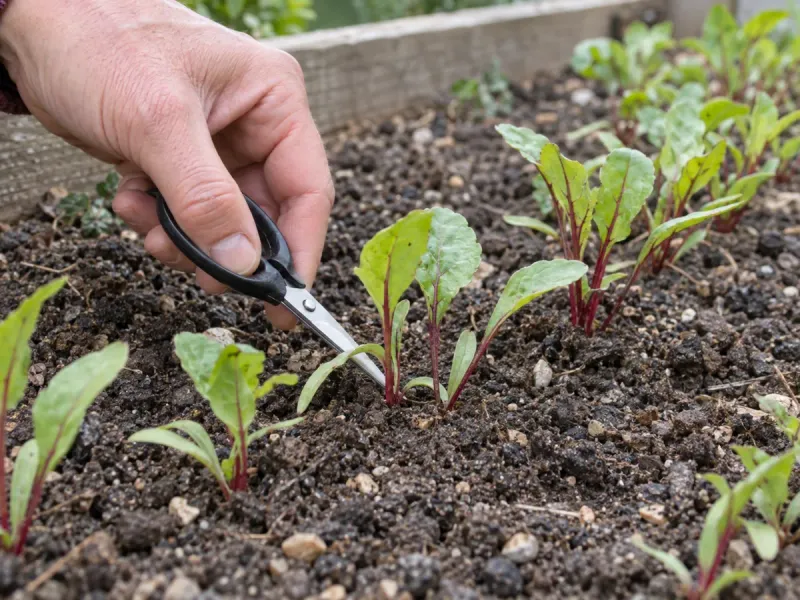
Sowing seeds one at a time and still ending up with a thick row is a common surprise. What looks like a single beet seed is really a dried fruit, and Texas A&M AgriLife Extension notes that these seed balls often hold more than one embryo.
One ball can send up several sprouts.
Not every seed ball does this, so you may see a mix of single seedlings and little clusters along the same row. Spacing the seed balls apart at planting helps, but clusters can still pop up.
That built-in habit is why thinning is a standard step with beets rather than a sign you did something wrong. Seeing a clump of three or four sprouts is normal, and it simply tells you where to start.
Thin the row without disturbing neighboring roots
Start by choosing the sturdiest seedling in each clump or every few inches along the row. A common target is roughly 2 to 3 inches between plants, as described by Texas A&M AgriLife Extension.
Some guidance allows up to 4 inches, so check your seed packet or local county Extension office first.
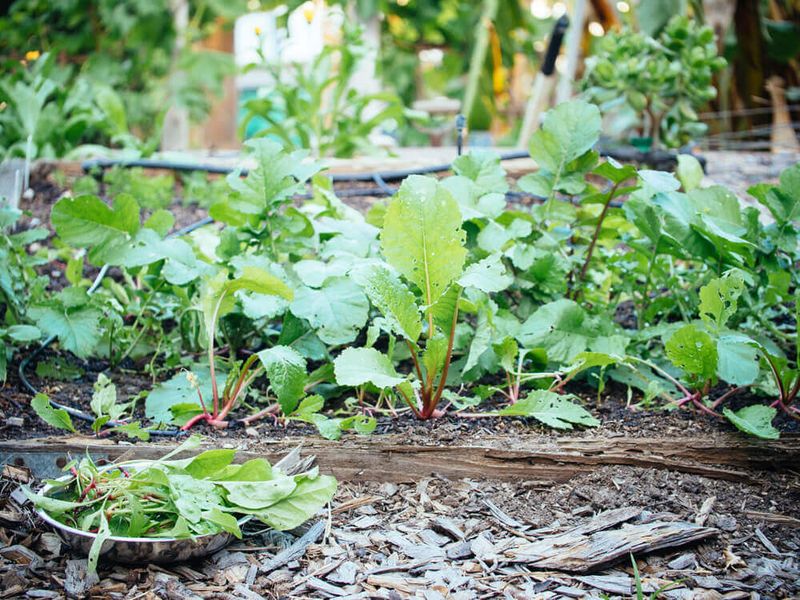
Grab a pair of small scissors and snip the extra seedlings at soil level. UC IPM suggests this over tugging, because pulling can disturb the roots of the plants you want to keep.
Nothing needs to go to waste. The thinnings are edible as tender greens or tiny baby beets, so toss them into a salad or a skillet.
If the beets are already fairly large, thin in stages rather than all at once, and water gently afterward so the soil settles around the roots.
Keep the remaining plants growing steadily
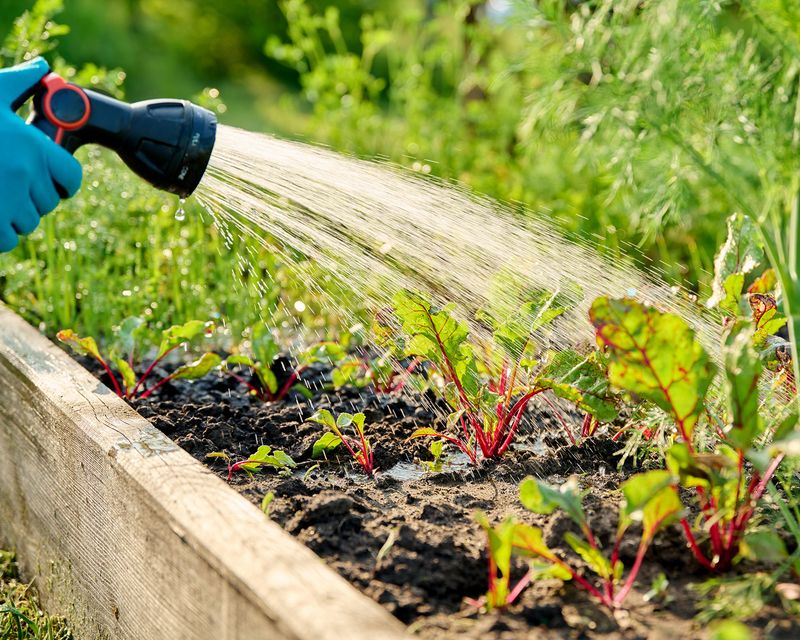
Once the row has breathing room, steady care matters. Aim for evenly moist soil, since Illinois Extension points to moisture stress and hot weather as things that can hurt beet quality and root development.
A light layer of mulch may help hold moisture between waterings.
Beet roots sit close to the surface, so skip deep hoeing or digging nearby. Pull weeds by hand or cut them off shallowly to avoid damaging the roots you worked to protect.
Thinning does not replace attentive watering and weeding. If the weather runs hot and dry, small roots may still lag even with perfect spacing.
Resist the urge to add a last-minute dose of fertilizer or borax as a quick fix. A soil test or your county Extension office can tell you whether nutrients are actually a problem.
Small or skinny roots need a closer diagnosis
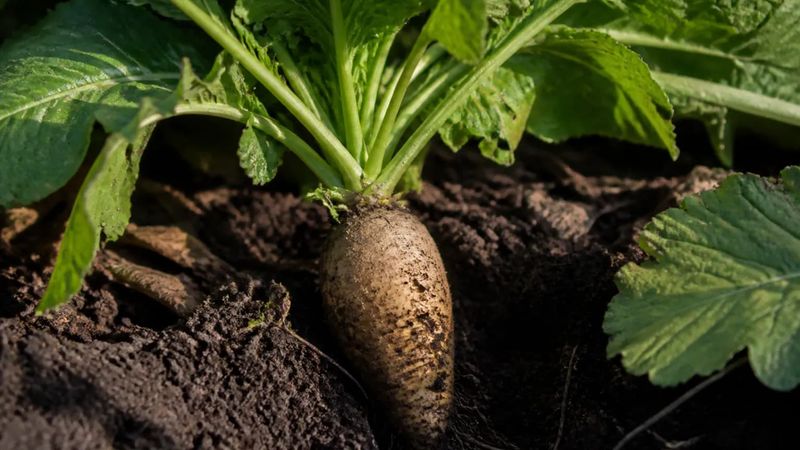
Before blaming spacing, consider what you planted. Beet varieties differ in shape, and some are naturally cylindrical, so a long, narrow root is not always stunted.
A small root can also be young. SDSU Extension covers harvest timing and shape, which can help you compare against your variety.
Other factors can matter too. Heat, water stress, compacted or poor soil, and nutrition may all play a part, and Texas A&M AgriLife Extension lists both overcrowding and other growing conditions as possible problems.
Excess nitrogen is a separate issue from crowding. As Illinois Extension describes overcrowding as a frequent cause of tops without roots, SDSU notes that too much nitrogen can favor top growth over root growth.
You cannot diagnose a row from looks alone. Compare notes on your variety, planting date, watering, and any soil test results before changing your routine.
Judge the payoff by the time and weather left
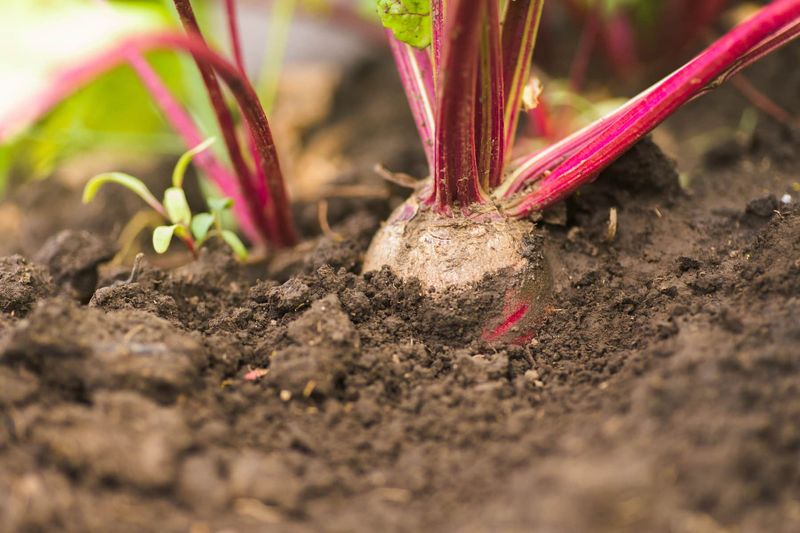
Beets commonly need about 50 to 70 days from sowing to maturity, according to Illinois Extension. Count back to your planting date to get a rough idea of where your crop stands.
Timing varies a lot across the South. UF/IFAS lists planting windows from August to February in North Florida, September to February in Central Florida, and October to January in South Florida.
The Texas A&M fall guide gives sowing dates that range from mid-August to mid-December. These are planting guides, not promises that a crop already in the ground has time to size up.
Beets handle frost and mild freezes, and University of Maryland Extension calls them semi-hardy. Heavy frost or hard freezes can still end the season, and Utah State Extension advises harvesting before them.
So thin carefully, keep the moisture even, and treat any gain before winter as a bonus. Even if roots stay modest, the greens and baby beets are still a harvest.