
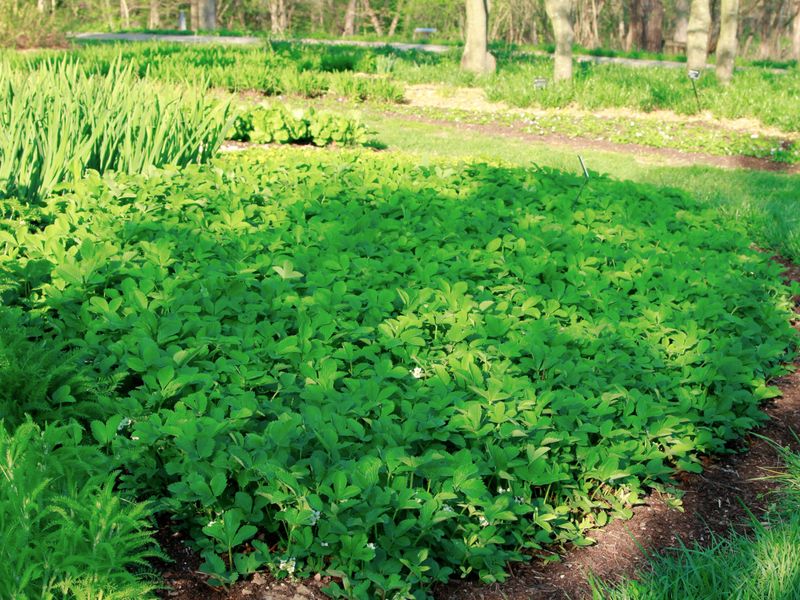
That dim patch under your trees where grass keeps giving up might have a better option. Woodland strawberry is a small California-native plant that spreads across the ground and makes tiny red fruits that birds eat.
It will not work everywhere, and dry soil and tree roots can get in the way. Here is how to tell whether your shady corner is a good match.
Woodland strawberry may suit some California shade
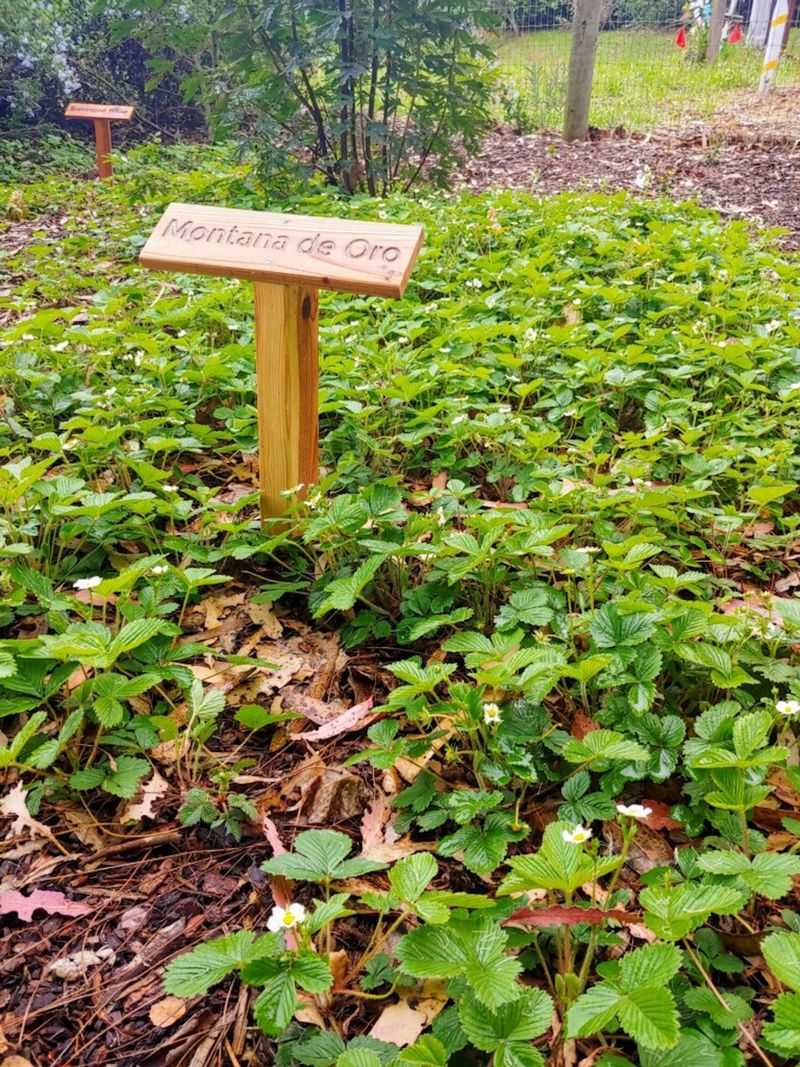
Woodland strawberry, known to botanists as Fragaria vesca, is a small perennial that grows close to the ground. California homeowners often look for plants like it when grass struggles in a shady, lightly used corner and bare dirt is the only alternative.
Here is a detail worth knowing before you shop. Calflora lists Fragaria vesca as a California native, and it also names a synonym, Fragaria vesca ssp. californica, that you may see on plant tags.
The species is native here, but it is not endemic, which means it also grows in other places. That is why this advice is rooted in California conditions and should not be stretched to every garden in the country.
UC Davis describes woodland strawberry as a low groundcover that suits sun, part shade, and shade. That range is useful, but it is a starting point for a question, not a promise.
Shade comes in many forms. A bright, open spot beside a north-facing fence is very different from a dark patch packed with roots and baked dry all summer.
Walk your site first. Look at how much light arrives, whether the soil stays damp for a while after watering, and whether you will be walking there often.
If the spot is quiet, partly bright, and something you can water by hand or drip, woodland strawberry is worth a trial. Starting with a few plants lets you learn how your soil behaves before you commit the whole bed.
Its spreading growth can cover ground over time
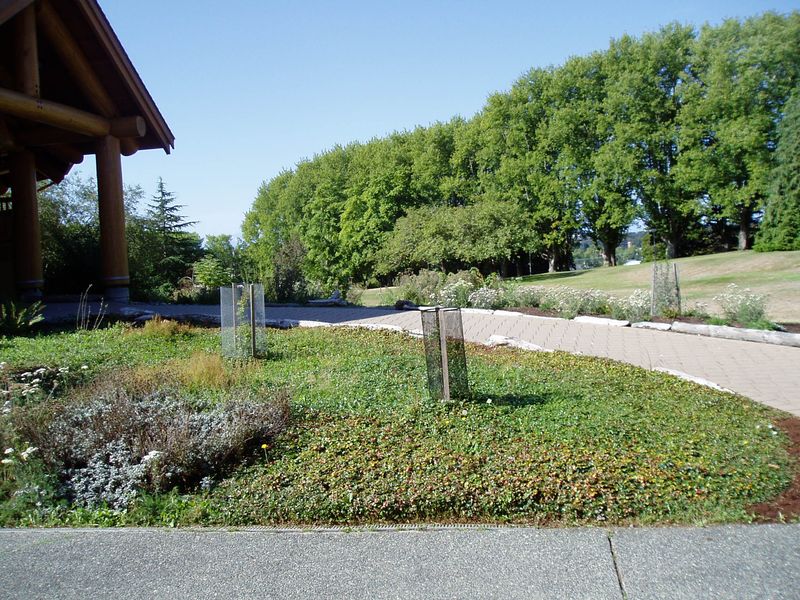
Spread is the main reason people pick this plant. UC Davis calls woodland strawberry a rapidly spreading groundcover that reaches about six inches tall.
Low, spreading plants like this can knit together over bare soil and give a shady bed a softer look than mulch alone.
Picture a small, open bed along a house wall or beneath a deciduous tree, where you want green growth without mowing. That kind of space gives runners room to move.
A tight, crowded spot, or one full of other plantings, gives the strawberry less to fill and may lead to more editing on your part.
Spreading does not guarantee a fast or complete carpet. Your soil, the water you provide, and the room available all affect how quickly plants fill in.
Some patches may fill nicely in a season or two while others stay thin, so plan on gaps early and be patient while plants establish.
The same habit that helps coverage can also need attention. UC Davis notes that reducing irrigation can help control spread.
If runners start heading into places you did not plan for, cutting back on water at the edges is one tool, along with pulling or trimming wandering plants by hand.
Small fruits feed birds but do not guarantee a harvest
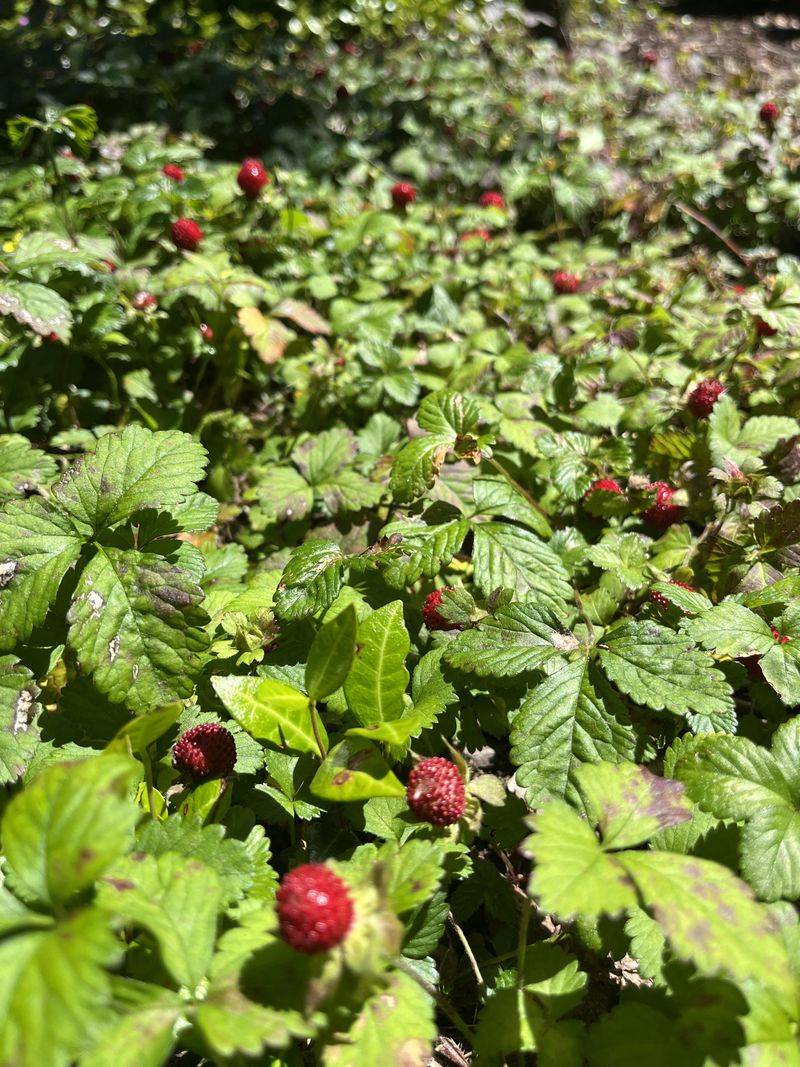
Come spring, woodland strawberry produces small white flowers, followed by tiny red strawberries. They are much smaller than grocery store berries, so think of them as a taste rather than a basket.
UC Davis calls the fruits edible and includes songbirds and native bees among the plant’s wildlife associations. Edible, though, is not the same as harvestable.
Whether you ever collect a handful depends on who gets to them first.
Birds are part of that answer. The U.S.
Forest Service reports that grouse and songbirds eat the fruits. Other animals may eat them too, so a patch can be picked clean before you notice ripe berries.
That is worth keeping in perspective. The fruit is a food source, but planting it will not guarantee a particular bird shows up or that your yard sees a measurable rise in visitors.
A better way to look at it is as one small contribution to a wildlife-friendly yard. If you get a few berries yourself, treat that as a bonus.
Shade beneath a tree can still mean dry soil
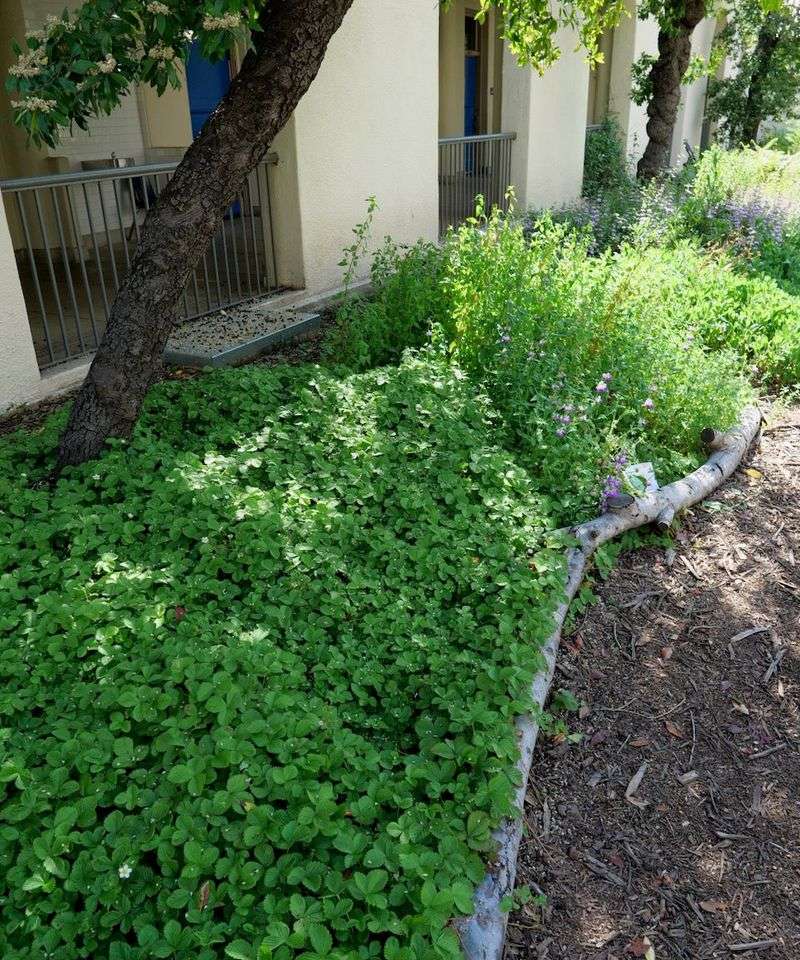
Shade sounds like an easy setup, but the ground under a tree can be tougher than it looks. Canopies can catch rain before it reaches the soil, and roots take up much of what does get through.
Add a long California dry summer, and a shaded bed may be drier than an open one.
Planting and walking away is therefore a risky plan. Watering guidance for this plant also varies by source.
UC Davis lists irrigation ranging from moderate, with deep watering weekly, to low, with deep watering twice a month. A UC Marin plant brief says it needs regular watering and extra summer water.
Those are regional gardening references, not a single schedule to copy. Your soil type, your climate, and how much canopy sits overhead all change the answer.
UC Marin Master Gardeners also point out that tree canopies can keep rain from plants below.
A practical test is to dig a few inches down a day or two after watering. If the soil is still dry, the plants need more.
If it stays soggy, ease up. Check more often while the plants are new, and add water when the soil tells you to rather than by the calendar.
Take extra care when planting beneath a mature oak
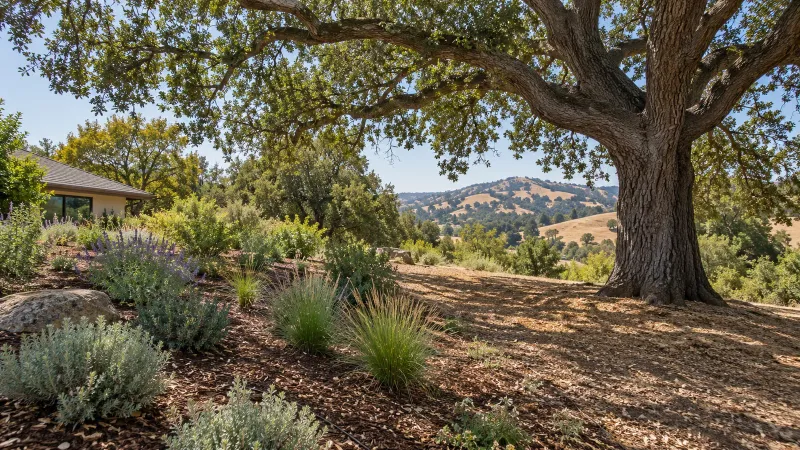
Oaks need their own rules. The precautions here apply to mature oaks, not to every tree in your yard, so do not treat them as a universal setback.
Native oaks have evolved with dry summers, and extra water or soil disturbance near the trunk can harm them. UC guidance for landscaping under Central Valley oaks advises minimizing soil disturbance and avoiding planting within 10 feet of a mature oak trunk, where important roots may be found.
That means digging a big bed right up to the trunk is not a good idea.
If you have room beyond that distance, the Sonoma County Master Gardeners offer helpful tips. Their planting under oaks guidance recommends fall planting and cautious watering during establishment, done by hand or drip rather than sprinklers.
In practice, that means using small plants, digging small holes, and avoiding heavy tilling. Water new plants gently and sparingly, and keep irrigation away from the trunk.
If your only shady spot is within that 10-foot zone, a layer of leaf mulch may be a safer choice than planting at all.
Choose it for a low-traffic area, not a walkable lawn
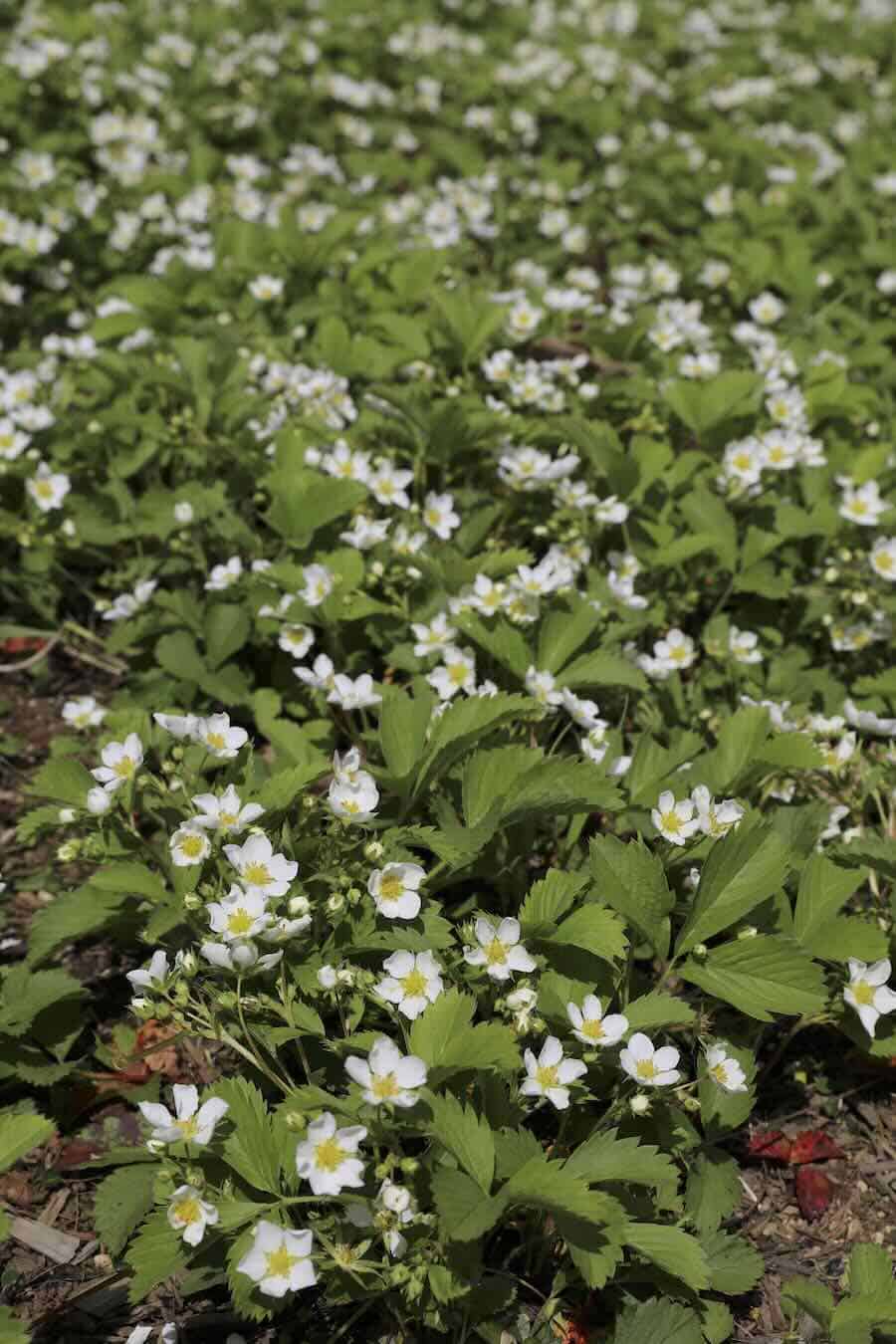
Anyone hoping to swap a play lawn for woodland strawberry should pause here. UC lawn alternatives guidance places groundcovers in spots where foot traffic is limited or discouraged.
The guidance I found does not show woodland strawberry holding up to regular walking.
So think of it as a plant you look at, not one you walk across. A bed beside a patio, a corner under a high-canopy tree, or a strip along a fence fits well.
Add stepping stones or a mulched path if you need to cross it, and keep dog runs and ball games elsewhere.
It makes the most sense when you are able to help it get started and you value groundcover with a bonus for wildlife. UC Davis describes it as a spreading plant for sun to shade, and the Forest Service notes that songbirds eat the fruits.
It is not a guaranteed carpet, and it is not a path or lawn substitute. Start small, water thoughtfully, and let the first season show you what your shade can really support.