
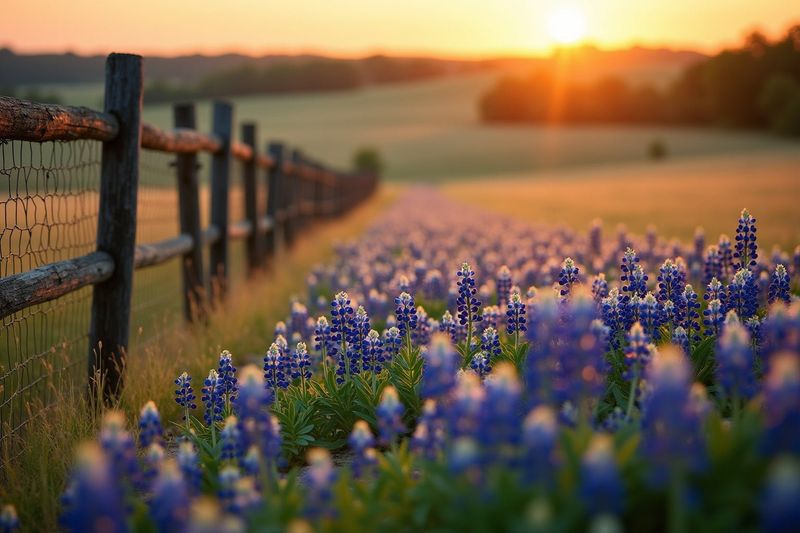
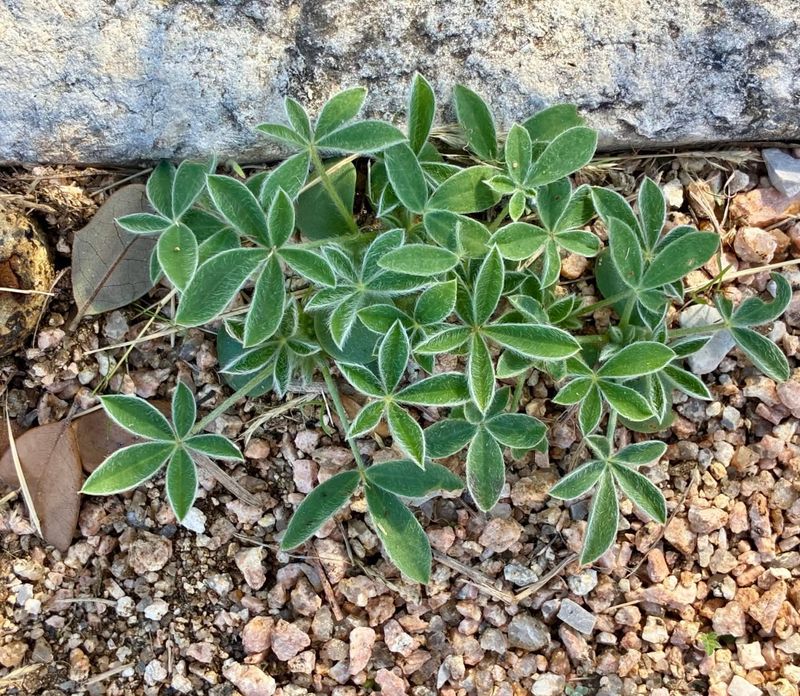
Small green rosettes with tiny clover-like leaves may be popping up in your lawn or garden bed right now. Texas bluebonnets start their lives in fall and grow slowly through winter, long before the first blue flower opens.
A few simple choices about weeds, water, and mowers can decide whether those little plants make it to spring. Here is how to look after them without overdoing it.
Fall rosettes are normal if they appear in your yard
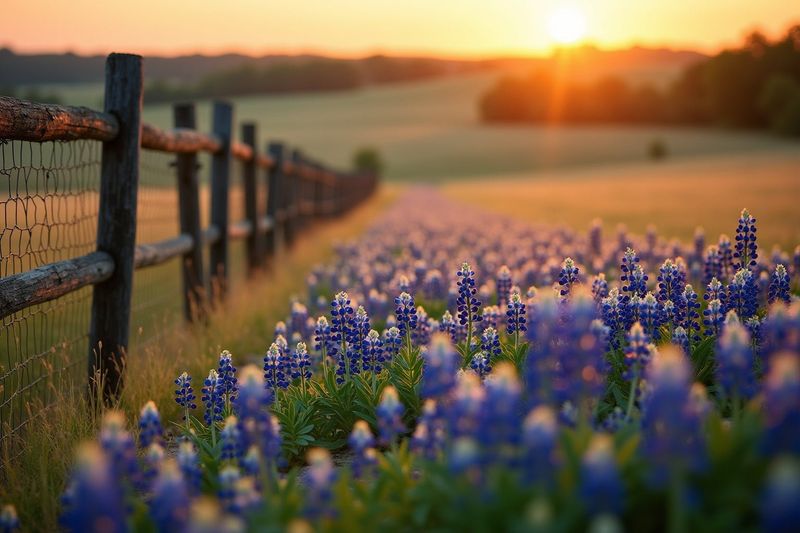
Bluebonnets keep an odd calendar. Texas bluebonnet (Lupinus texensis) is a winter annual, which means it sprouts in the cool season, grows through winter, flowers in spring, and then dies after setting seed.
A 2005 Texas A&M study describes it this way and points to fall rains as the apparent trigger for germination in Central Texas, where plants bloom in early to midspring.
So if bluebonnet seedlings are up in your yard, they are not too early. TxDOT says seeds are meant to germinate and grow through winter, building roots and sturdy plants for spring flowers.
That slow winter growth is the plan, not a problem.
Not sure what you are looking at? The first one or two small, smooth, rounded leaves are cotyledons, the seed leaves.
According to the U.S. National Phenology Network, the leaves that follow are true leaves.
On a bluebonnet, those true leaves are the ones that start to look like tiny fans with several leaflets.
One caution: this is a seasonal pattern, not a report that every Central Texas yard has seedlings right now. Rainfall strongly affects where plants emerge and establish, and dry conditions or poor sites can limit them.
Even healthy rosettes are not a promise of a spring display, but they give you a real chance worth protecting.
Pull weeds carefully around the plants you want to keep
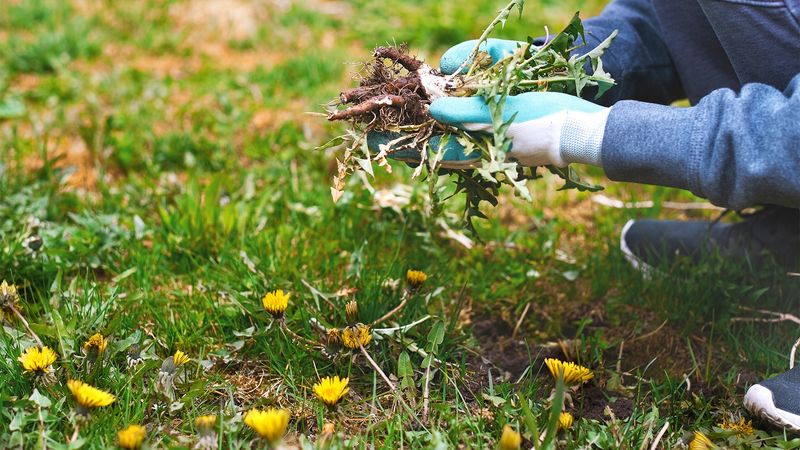
Weeds and grasses compete with young bluebonnets for light, water, and space. The safest fix is also the simplest: kneel down and hand-pull the intruders that crowd a rosette.
Loosen the soil gently with your fingers, grip the weed low, and keep your hands clear of the bluebonnet’s leaves and taproot.
Skip the broad sweep of a weed-and-feed or a broadleaf killer. Bluebonnets are broadleaf wildflowers, and Texas A&M notes that 2,4-D, a common broadleaf herbicide, can injure sensitive plants, including through drift.
A spray aimed at clover or dandelions can easily hit the very seedlings you hoped to save.
You do not need a spotless bed. Focus on the weeds touching or shading your rosettes, and leave the rest for now.
Wildflower plantings do best when native plants are given room, which is a theme in TPWD’s pollinator conservation planning.
Work after a rain when the soil is soft, and use a small hand tool only where weeds are well away from the bluebonnets. Pull a few at a time and check back every week or two.
That steady, light touch protects the plants without turning the chore into a big project.
Water only when winter rain falls short
Winter in Central Texas often brings enough rain to keep rosettes going, so a sprinkler timer is the wrong tool. Let the weather and your soil guide you.
Check whether it has rained lately, how long the dry spell has lasted, and whether the ground drains well.
For a backyard native wildflower planting, TPWD advises watering every two to three weeks during prolonged periods without winter rain. That is a rule of thumb for long dry stretches, not a weekly habit.
If a good soaking rain has fallen, there is nothing to do.
Do not confuse this with the schedule for fresh seed. TxDOT’s more frequent watering guidance applies to newly seeded areas after planting when rain is absent, so seeds can get started.
Rosettes that are already established have roots working and need much less.
Aim for a slow, light soaking rather than a constant dampness. Bluebonnets want well-drained soil, and soggy ground is a poor fit.
If water pools after you irrigate, you have already given too much.
Keep the mower off until the plants finish their cycle
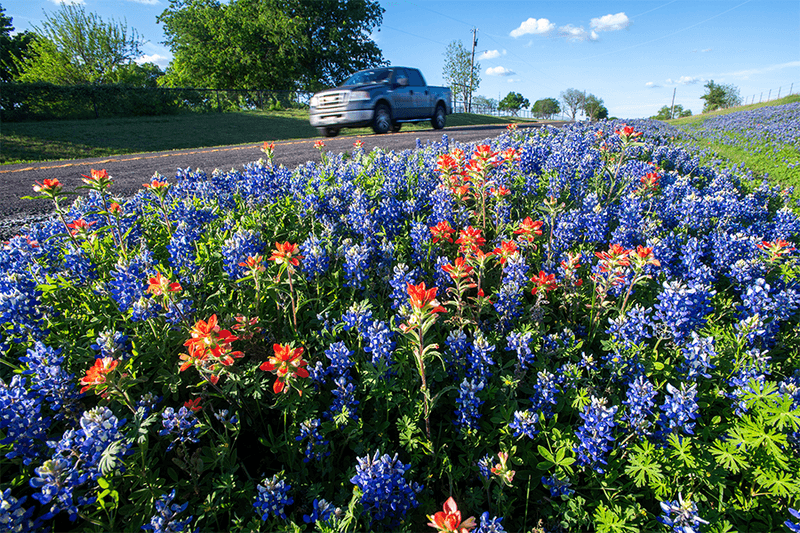
Mowers and bluebonnet rosettes do not mix. If you want a spring display, keep the blades away from the patch from now until the flowers are finished.
Marking the area with a few stakes or a loop of string helps everyone in the household remember.
Later, mowing does have a role. TxDOT advises allowing two weeks after full bloom so seeds can mature, and delaying mowing until the dead brown foliage offsets the floral display.
Mowing after seeds have matured can also help spread seed and cut back competing weeds and grasses.
Notice that there is no single date on the calendar. Bloom timing shifts across Texas, with first flowers ranging from about mid-March in the south to May 1 farther north.
For broader wildflower fields, TPWD says mowing is typically ready in late June or early July, but your own yard may run earlier or later.
So watch the plants instead of the date. Wait until the flowers have faded, the seedpods have dried and turned brown, and the foliage looks spent.
Cutting too soon, while plants are green or still flowering, undercuts both this year’s show and next year’s seed.
A freeze does not mean every rosette needs a cover
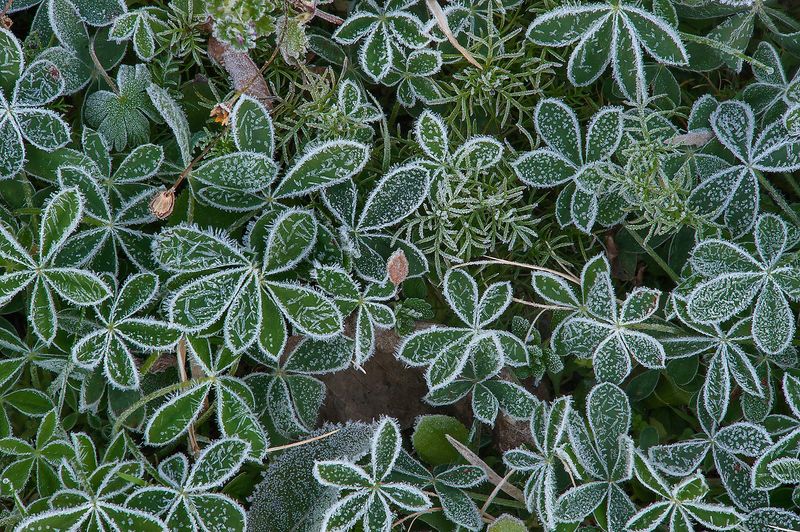
A cold forecast sends plenty of gardeners running for bedsheets. For bluebonnet rosettes, the guidance reviewed does not call for covering them before ordinary cold events.
It also does not name a specific temperature at which seedlings are damaged, so any exact number you hear should be treated with caution.
Cold injury depends on the event and the plant. Texas A&M’s freeze guidance explains that protection strategies have limits and that severe freezes can still cause damage.
A brief frost is not the same as a long, hard freeze, so a cover is no guarantee in either case.
You may also hear that bluebonnets need a hard freeze to sprout. That is not supported.
The Texas A&M study points to fall rains as the apparent germination trigger, so cold is not a requirement.
If a severe freeze is forecast and you want to try a light cover on a prized patch, that is your call. Just know it is not a proven step, and do not be alarmed if leaves look limp after a cold night.
Give the plants a few days before judging them.
Skip fertilizer and focus on the care that matters
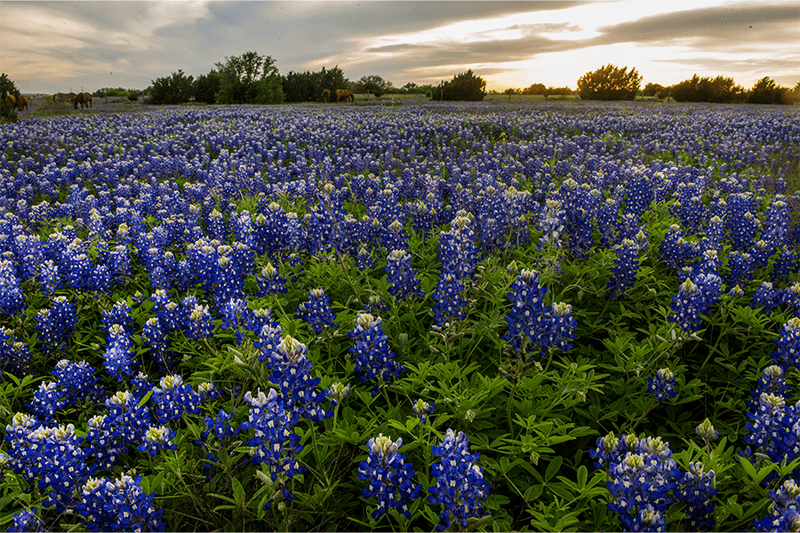
Fertilizer feels like a kind thing to do for young plants, but bluebonnets do not need it. TxDOT does not recommend fertilizing them because it produces more leaves, not more blooms.
Lean, native soil is just fine.
The care that counts is short. Keep mowers off the rosettes, pull the weeds crowding them, and water only when a long dry spell hits.
Everything else can wait.
Be honest with yourself about the odds, too. Rainfall and site conditions shape whether seedlings establish at all, as the Texas A&M research found.
Good care improves your chances, but it cannot guarantee a carpet of blue.
Every plant that makes it to April will have done so on its own schedule, mostly by being left alone.