
Cold nights can reach a Japanese maple’s roots long before you see any damage on the branches. The roots sit in the soil, and dry soil can add stress when winter arrives.
A quick soil check and a smart layer of mulch can help your tree head into the cold in better shape. Here is how to decide what your maple needs and when to do it.
Start with the soil, not the forecast
Japanese maples do best in evenly moist, well-drained soil and are not drought tolerant, according to NC State Extension’s plant guide. That means a freezing night is not the trigger for watering.
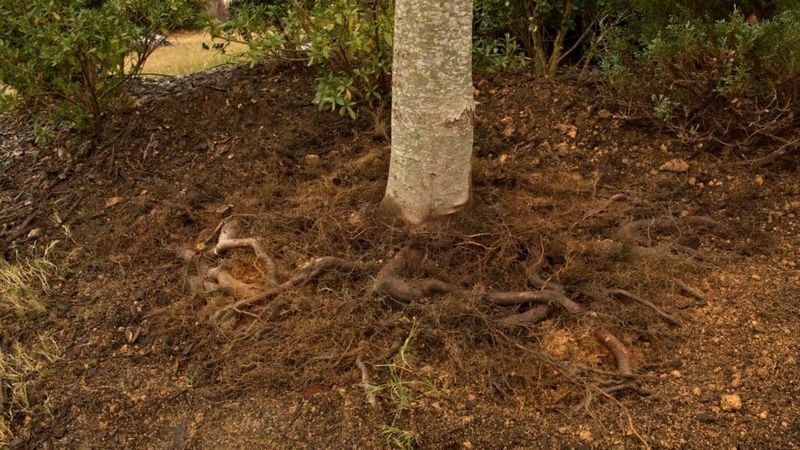
The condition of the root zone is.
The surface can fool you. Fallen leaves and a crusty top layer may look dry while the soil underneath is damp, or the reverse.
Push a trowel or a long screwdriver several inches down near the drip line, which is the area under the outer edge of the branches, and feel what comes up.
One handy rule of thumb comes from University of Illinois Extension. It suggests watering when the soil is dry 4 to 6 inches below the surface, and only when temperatures are above 40 degrees F and the ground is not frozen.
Think of that as a useful guideline from another state, not a North Carolina rule.
Next, think about the past couple of weeks. A soaking rain may have already done the job, and a spot with heavy clay or poor drainage can stay wet for days.
If the soil is damp at that depth, skip the hose. If it is dry and crumbly, move on to the next step.
Water a dry root zone slowly
Once the soil check says dry, the goal is to refill the root zone, not flood it. Deep watering here means moisture reaching down into the soil where the roots live.
Virginia Cooperative Extension suggests watering deeply during dry periods, wetting the top 12 inches of soil within the drip line.
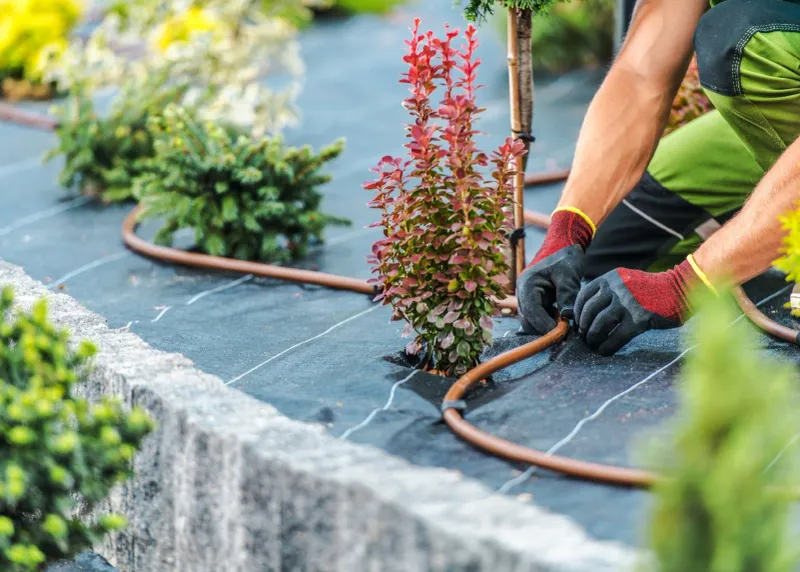
Slow is the key word. Lay a hose on a low trickle or use a soaker hose and move it around the tree so water sinks in instead of running off.
Work around the drip line, where many of the fine feeding roots are found, rather than aiming at the trunk.
There is no magic number of minutes or gallons. Soil type, slope, and recent rain all change how long it takes.
Check again with a trowel after watering to see whether moisture has reached several inches down, and stop once it has.
Timing matters too. The Illinois Extension guidance points to days above 40 degrees F with unfrozen ground, so a mild afternoon works better than a frosty morning.
Drainage can change the whole plan. If water pools, or the bed stays soggy after rain, hold off.
Saturated soil can harm roots, so wet ground is not protective.
Apply mulch without piling it against the trunk
Mulch is the second half of the routine. A layer of organic material helps conserve soil moisture and insulate roots from temperature swings, as noted by Virginia Cooperative Extension’s mulching guide.
It can moderate the soil, but it will not guarantee the roots come through a freeze unharmed.
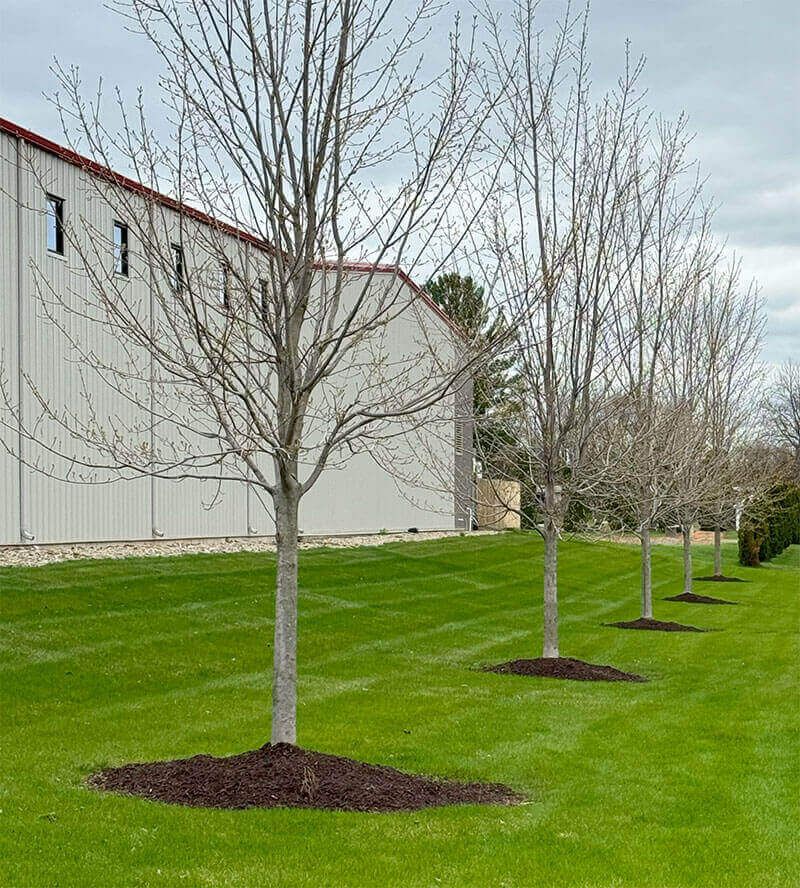
Aim for an even layer about 2 to 3 inches deep. Pine bark, shredded hardwood, or leaf mold all work.
Spread it outward toward the drip line where that is practical, since a wide ring covers more of the root zone.
Then pull it back from the tree. Leave a gap of 3 to 4 inches around the trunk so the root flare, the slightly widened base where the trunk meets the roots, stays visible.
Mulch packed against the bark holds moisture on the trunk and can cause problems.
Picture a shallow donut, not a volcano. A broad, flat ring does the work, while a tall mound against the bark does not.
If last year’s mulch has matted down, loosen it and top it off only to the 2 to 3 inch mark.
The UF/IFAS winter protection guide treats mulch as one tool for cold-season root care, not a cure-all.
Use local conditions to choose the timing
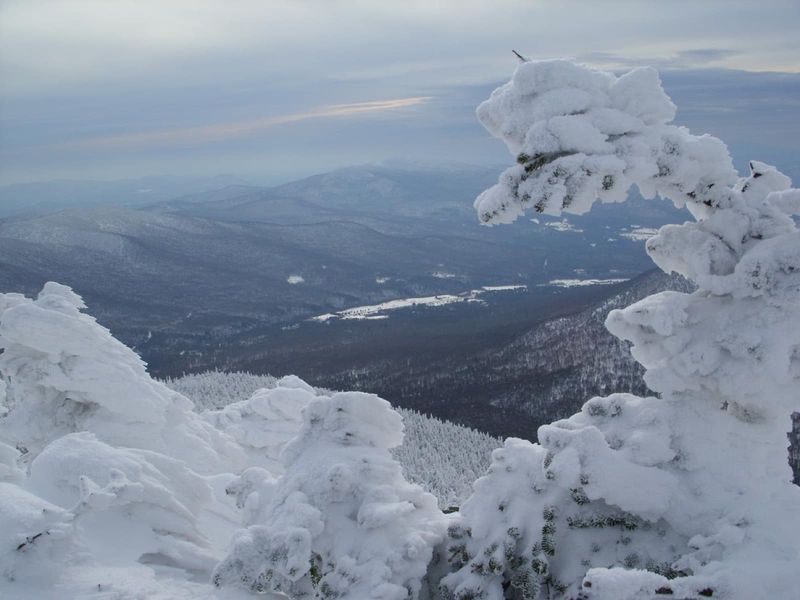
Mid-November works as a seasonal cue in some parts of North Carolina, but it is not a statewide deadline. NC State’s climate materials, including a description of the Freeze Date Explorer, show average first fall freezes ranging from late October in the mountains to after December 1 along the Outer Banks.
Averages are not forecasts. The State Climate Office’s thresholds tool counts a freeze as 32 degrees F at standard sensor height, and actual dates swing from year to year.
Your own yard may run colder or warmer than the nearest station.
Forecasts add a second layer. As of November 11, 2026, National Weather Service hazardous weather outlooks described freeze potential for central North Carolina and low-to-mid-30s frost or freeze chances in the east that weekend.
That was a dated regional outlook, not a promise of a hard freeze statewide, so recheck your local forecast before you act.
A simple approach is to check the soil when a cold snap appears in your seven-day forecast. Water only if the root zone is dry and the ground is still unfrozen, then tidy the mulch.
Let your soil and your local weather set the calendar.
Treat a potted maple differently
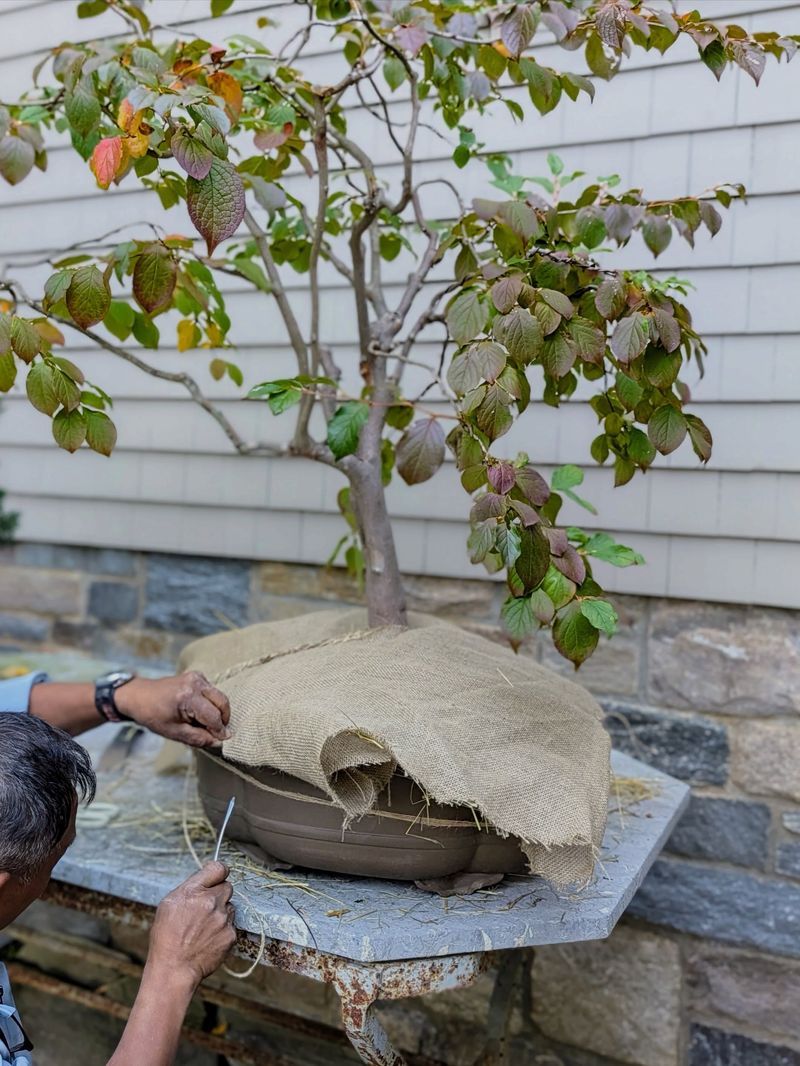
A maple in a pot plays by different rules. Its roots sit above ground in a small volume of soil, so they are more exposed to cold than roots in a garden bed, as the UF/IFAS winter protection guide explains.
That is why a mulch ring in the yard will not help a container. The pot’s sides and bottom still lose heat to cold air, and a layer of mulch on the surrounding ground does nothing for them.
Some options are worth considering. You can move the pot to a protected spot, such as against a house wall, under an eave, or into an unheated garage or shed.
You can also wrap the container with insulating material like burlap or bubble wrap, or group pots together so they shelter each other.
No single method suits every pot. A thick ceramic container, a thin plastic one, and a tall wooden planter all behave differently, and none of these choices guarantees the roots stay safe in a hard cold spell.
Moisture still matters. Check the potting mix with your finger, and water lightly only if it is dry and the weather is mild.
Make sure the pot drains freely so the roots never sit in standing water.
Keep the protection claim in perspective
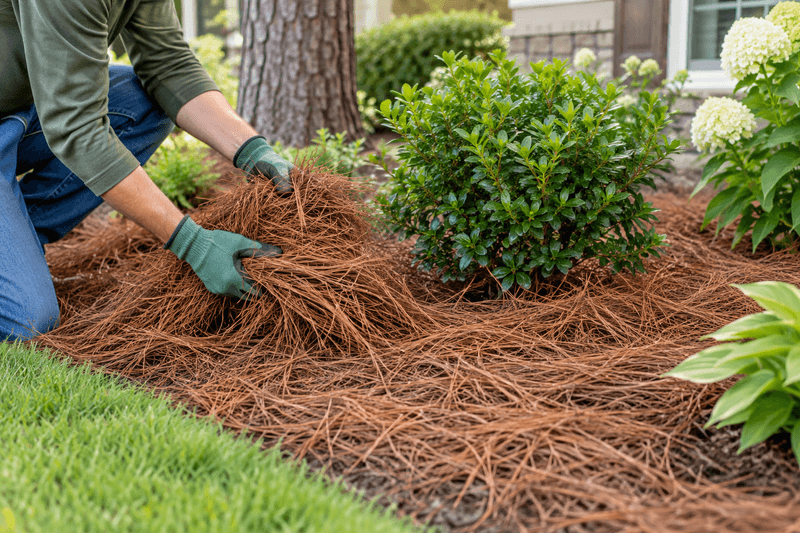
The routine comes down to three decisions. Check the soil, water slowly if the root zone is dry and the ground is unfrozen, and keep an even mulch layer pulled back from the trunk, following Illinois Extension’s watering guidance and Virginia’s mulching advice.
These steps can reduce moisture stress and moderate soil conditions. They do not promise the roots will avoid all freeze injury, and they do not shield branches, buds, or leaves from severe or prolonged cold, as the UF/IFAS guide makes clear.
Good winter care is mostly quiet work done at the soil line, and the tree does the rest.