
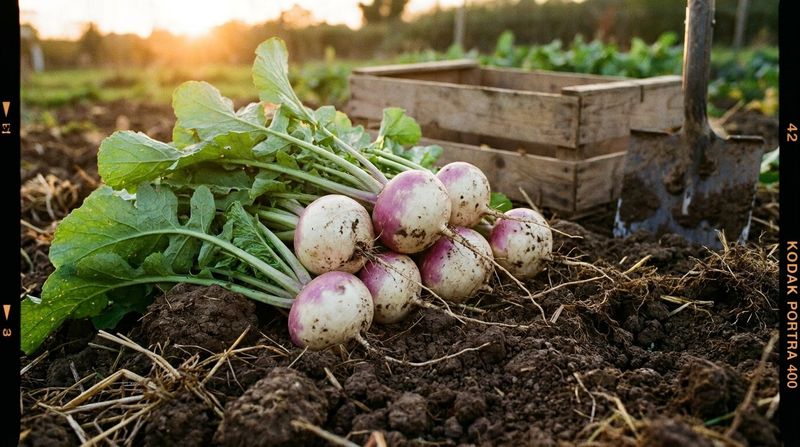
You pull a turnip you were proud of, and it has a split down the side. Or you cut one open and the inside is dry, spongy, and bland.
Both problems can show up in fall beds in Texas and Florida, and moisture swings may play a part in each. Here is how to tell the symptoms apart and what to check in your bed this week.
Cracks and pithiness are different clues
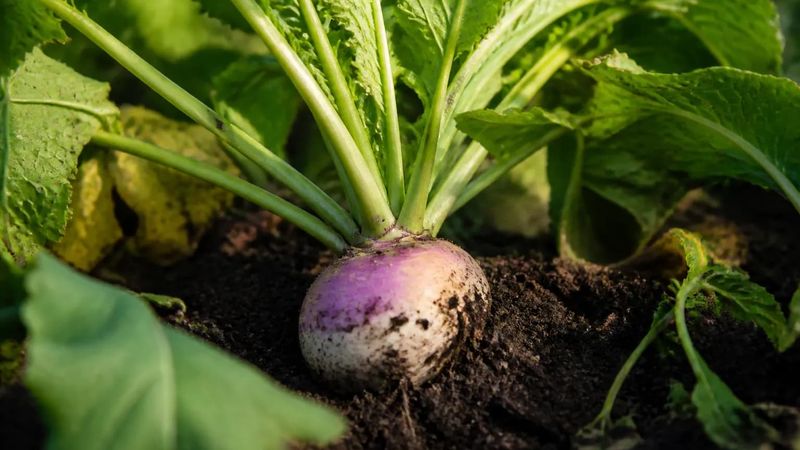
A split root and a spongy root look like cousins, but they point to different stories. Virginia Tech Extension notes that turnips can split when heavy rain follows a dry period, and that they may turn pithy if they get overmature.
Pithiness is the dry, spongy, hollow-feeling texture inside the root. Cornell Cooperative Extension associates it with water stress, and oversized or overmature roots can also end up pithy.
Cracks, on the other hand, can follow a dry spell and then a big soaking, but they have other possible causes too.
So moisture swings may contribute to both problems, but they do not explain every damaged root in your bed. Think of watering as one clue to check, not the final verdict.
Look at how big the roots are, how old the planting is, and what the weather did over the past few weeks. That detective work will tell you far more than the symptom alone.
A dry spell followed by heavy rain can split roots
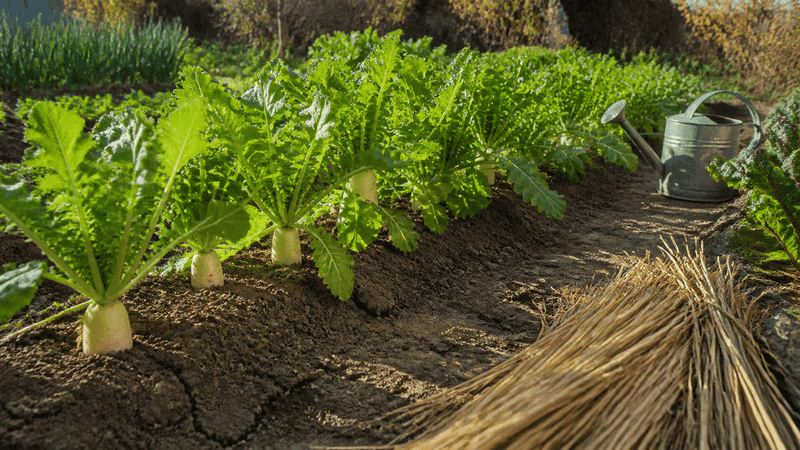
Picture a stretch of dry, hot weather in early fall. The soil dries out, and the turnips slow down.
Then a tropical downpour or a stalled front dumps an inch or two overnight. The roots take up water fast and swell, and the skin may not keep up.
That sequence is the one Virginia Tech Extension describes when it says turnips split after heavy rain follows a dry period. You cannot control the sky, but you can control how dry the bed gets before the storm arrives.
UC ANR turnip guidance advises keeping moisture steady in the root zone to avoid stress. Steadier moisture may help lower the odds of a sudden swell, though it will not guarantee smooth roots.
This pattern is one possible cause. A split root with a dry spell in its recent past fits the story.
A split root with no weather swing may have another explanation, which we cover later.
Check the soil before you water
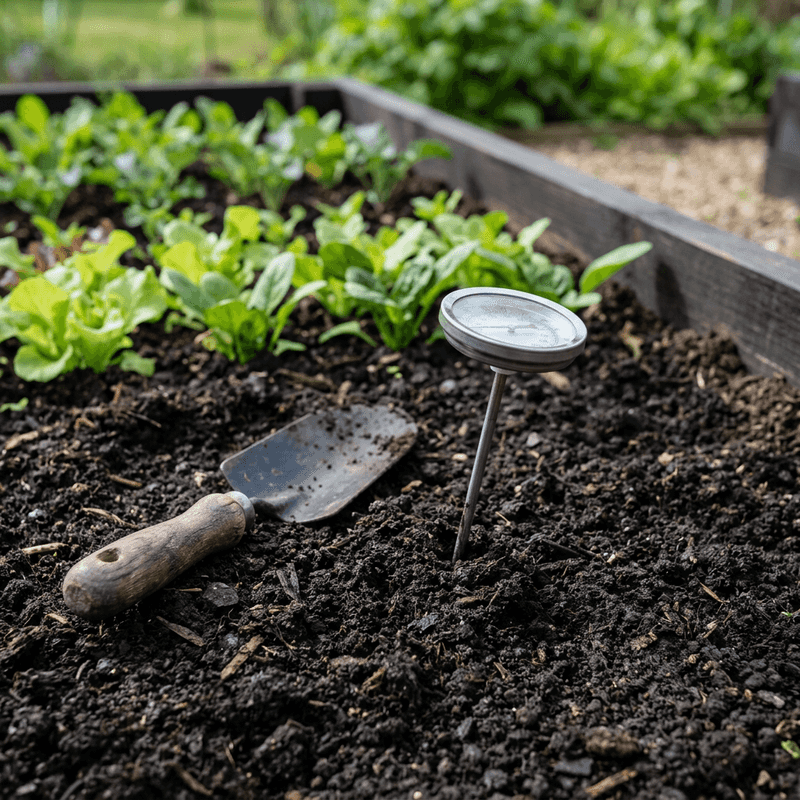
A calendar cannot tell you what your soil is doing. A finger can.
Sandy beds drain fast, clay beds hold water longer, and rain changes everything, so a fixed schedule will be wrong for someone.
In Florida, UF/IFAS advises checking the top half inch to 1 inch of soil. When it begins to dry, water so the root zone gets wet without turning soggy.
Florida’s sandy soils often drain quickly, so they may need checking more often.
In Texas, the guidance reads a little differently. The Texas A&M fall garden guide says to check about an inch below the surface and water when that soil is dry.
It also notes that light, sandy soil generally needs more frequent watering than heavier soil.
Texas guidance also recommends soaking the soil to roughly 6 inches. Keep the two checks separate and use the one for your state.
Rain and mulch can help steady soil moisture
Before you turn on the sprinkler, look at the rain gauge. Rainfall counts as watering, and a bed that just got a good soaking may not need more.
Adding water on top of a wet forecast is one way to create the soggy swings you are trying to avoid.
For a rough yardstick, Texas A&M lists about 1 inch per week of rain or irrigation as a general vegetable-garden benchmark. It is not a turnip-specific rule, and your soil and weather may call for more or less.
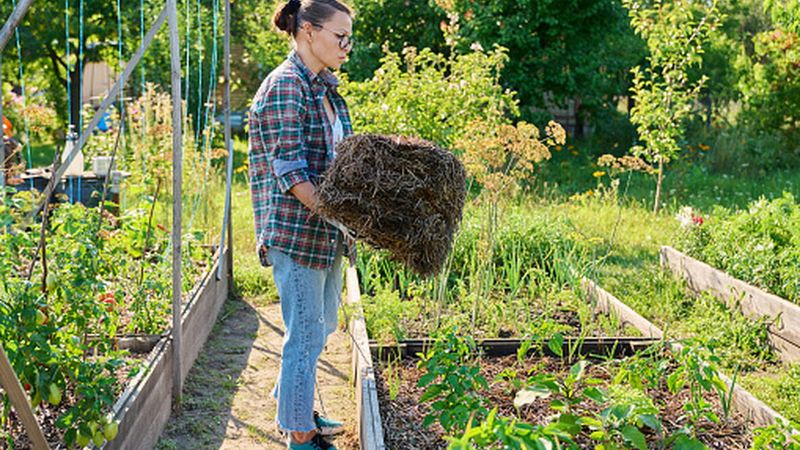
Mulch can help too. By slowing evaporation, organic mulch may even out the highs and lows in soil moisture.
UF/IFAS recommends organic mulch for edible beds, but warns that too much can intercept water before it reaches the roots.
A thin, even layer is the safer approach. After a light shower, push the mulch aside and check the soil underneath before deciding the bed is watered.
Harvest before roots become oversized
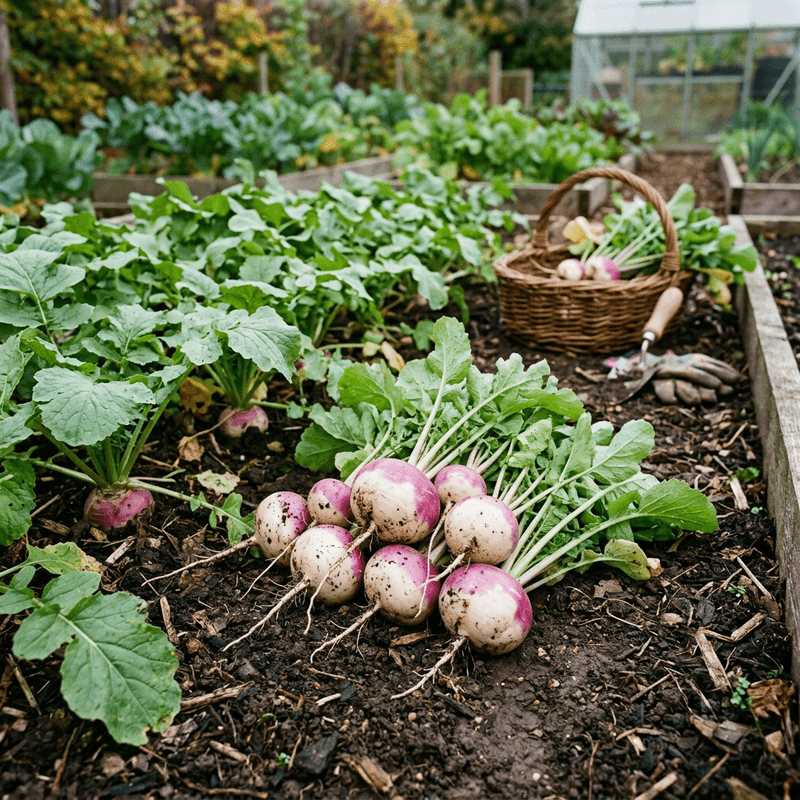
Size matters as much as water. A turnip left in the ground too long can turn tough, stringy, and pithy, even if you watered carefully.
Pulling roots on time is one of the easiest ways to dodge that problem.
Sources give slightly different numbers. UF/IFAS says turnips become pungent, pithy, and stringy once they pass about 3 inches across.
Texas A&M recommends harvesting around 2 to 2 and a half inches, noting that roots left longer become tough and stringy.
Treat those as source-specific guidance, not magic cutoffs. A turnip under the size line is not guaranteed to be tender, and variety and weather play a role.
A practical habit: measure a few roots this week. If they are nearing the smaller figure, start pulling the biggest ones and let the rest keep growing.
When watering is not the whole explanation

Sometimes the water story does not fit. Cracking and internal damage can also come from overmaturity or boron deficiency.
Cornell Cooperative Extension links turnip growth cracks to both, alongside water stress for pithiness.
Boron is needed only in small amounts, and its symptoms overlap with other root problems. Washington State University Extension points gardeners to a soil test and local guidance.
Do not add boron on a hunch.
If you cut a root and find internal discoloration or water-soaked tissue, do not assume irrigation is the only issue. Contact your county Extension office or run a soil test.
As for what watering can do: steady moisture may help prevent future stress, as Virginia Tech and UC ANR guidance suggest, but it cannot close a crack or soften a pithy root.
This week, do one thing: poke a finger into the soil and let it answer before you reach for the hose.