

That rosemary bush by your back steps can do a lot more than flavor Sunday chicken. Across North Carolina, from Asheville to Wilmington, gardeners are using it to shape borders, feed late-season bees, and make patios a little more pleasant.
Late September is a smart time to put it to work, since cooler days are perfect for planting, trimming, and propagating. Here are eight practical ways to get more from this tough, sun-loving shrub in your yard.
1. A Fragrant Low Hedge Along Walkways

Brush past a rosemary hedge on the way to the mailbox and the whole path smells like a Mediterranean hillside. Upright types like ‘Arp’ and ‘Hill Hardy’ grow into dense, knee-to-waist-high edges that look neat with only a light trim.
In the Piedmont and coastal plain, rosemary hedges often stay evergreen all winter. Mountain gardeners have better luck with cold-tolerant varieties planted against a south-facing wall or walk where heat lingers.
Space plants about two feet apart in well-drained soil, and skip heavy fertilizer. A quick shaping in spring keeps the line crisp without much fuss.
2. A Late-Season Snack Bar for Pollinators
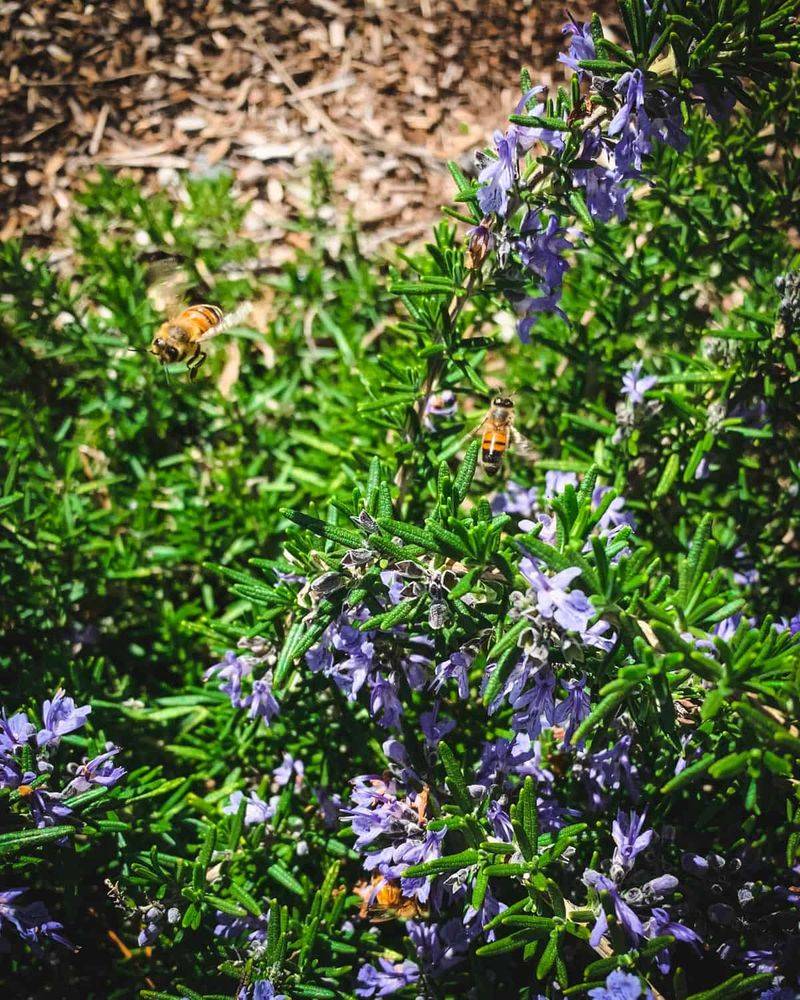
Bumblebees don’t care much about calendars. When most summer flowers fade, rosemary in the warmer parts of North Carolina may push out small blue blooms in fall and again in late winter, right when foraging bees have few options.
Those tiny flowers can help bridge gaps for native bees and other pollinators on mild days. Pair rosemary with NC natives like asters and goldenrod, and your yard offers a fuller menu through autumn.
Skip insecticide sprays near flowering plants. A little patience with a few chewed leaves pays off with a busier, livelier garden.
3. Patio Pots That May Help Mosquito Season Feel Easier

Plenty of Carolina evenings stay warm well into October, and mosquitoes notice. Gardeners often tuck potted rosemary around porches and fire pits for an herbal scent that greets guests at sundown.
Honest truth: a living plant alone won’t clear the air of bugs. Crushing a few sprigs releases aromatic oils that some folks find helpful, and tossing a handful on a fire pit’s embers adds a pleasant smoky smell.
For better results, dump standing water weekly and keep a fan going on the porch. Rosemary then becomes a fragrant bonus rather than your only defense.
4. A Deer-Resistant Border Plant

Ask anyone gardening near the woods in Chapel Hill or Boone what the deer leave alone, and rosemary usually makes the short list. Its strong-smelling, resinous leaves just aren’t appealing to most browsers.
That makes it handy as a front-row plant protecting softer perennials behind it. Deer resistance is never a promise, especially in a hungry winter, but rosemary tends to rank among the safer bets.
Combine it with other aromatic or tough picks such as mountain mint and little bluestem. The result is a border that looks good and doesn’t vanish overnight.
5. Free Plants From Fall Cuttings
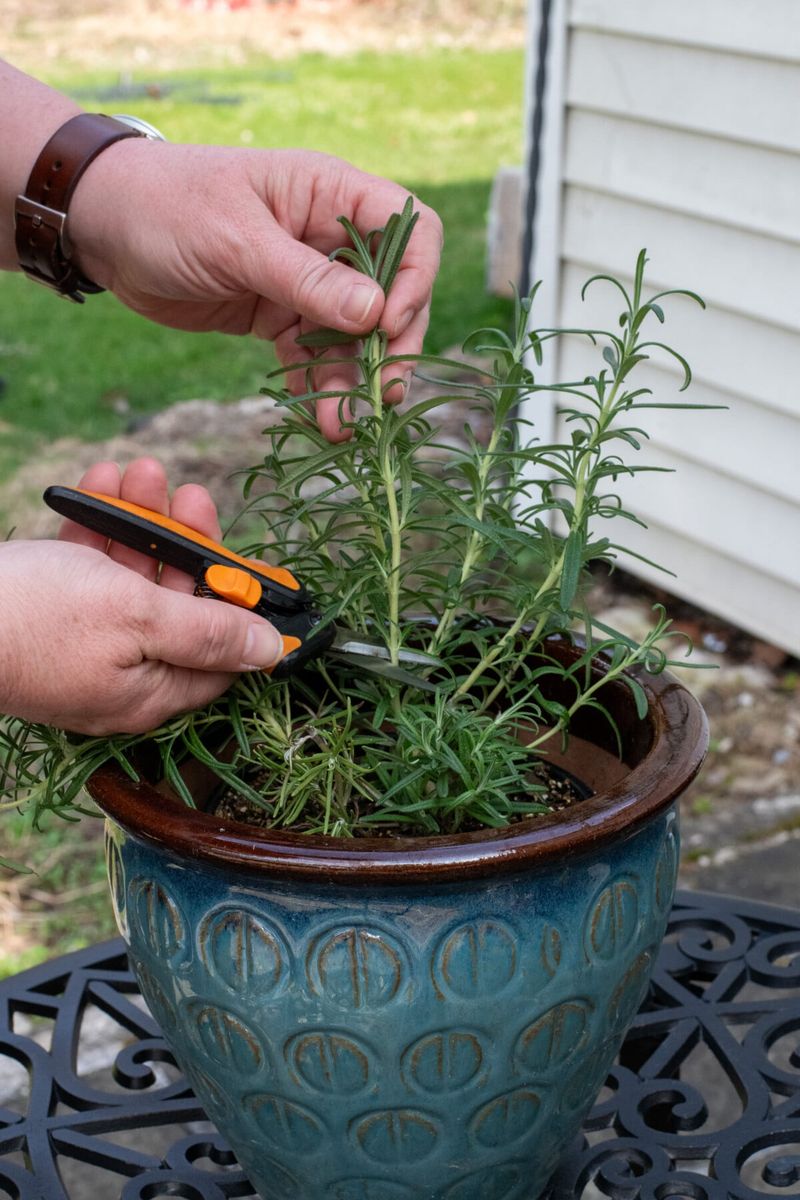
One healthy rosemary can quietly turn into a dozen. Late September through October is a sweet spot for taking cuttings, since stems are firm and temperatures are kind.
Snip four-inch tips, strip the lower leaves, and push them into a mix of potting soil and sand. Keep them lightly moist in bright shade, and roots usually form in four to eight weeks.
Mountain gardeners can overwinter the youngsters on a sunny windowsill. Come spring, you’ll have plenty to fill hedges, swap with neighbors, or share at church plant sales.
6. Erosion Control on Sunny Slopes

Got a sun-baked bank where grass keeps giving up? Creeping rosemary thrives in exactly that kind of lean, dry spot, especially in sandy coastal plain soil.
Its spreading stems and roots can help hold soil in place on gentle slopes and spill beautifully over retaining walls. Once established, it usually needs little watering beyond rainfall.
Since prostrate types are a touch less cold-hardy, they fit best east of the mountains. Plant now so roots settle in before winter.
7. Homemade Garden Bundles and Wreaths

Grandmothers in the Carolinas have hung rosemary by the door for generations, partly for luck and partly because it simply smells wonderful. Fall pruning gives you plenty of material to carry on that tradition.
Wrap fresh stems around a wire ring for a porch wreath, or tie bundles to dry in a garage. Dried sprigs tucked into drawers or closets add a clean scent.
Fun fact: rosemary has long been tied to remembrance, which is why Shakespeare’s Ophelia hands it out in Hamlet.
8. A Companion Plant in the Vegetable Bed

Fall cabbage, collards, and kale are going strong in North Carolina gardens right now, and so are the cabbage worms chewing on them. Many gardeners plant rosemary at bed corners, hoping its scent may confuse some pests.
Research on companion planting is mixed, so treat this as a bonus rather than a cure. Hand-picking caterpillars and using row covers still do most of the work.
Even so, rosemary earns its spot by attracting pollinators and tolerating the dry edges of raised beds. Just keep it in the sunniest corner with sharp drainage.