
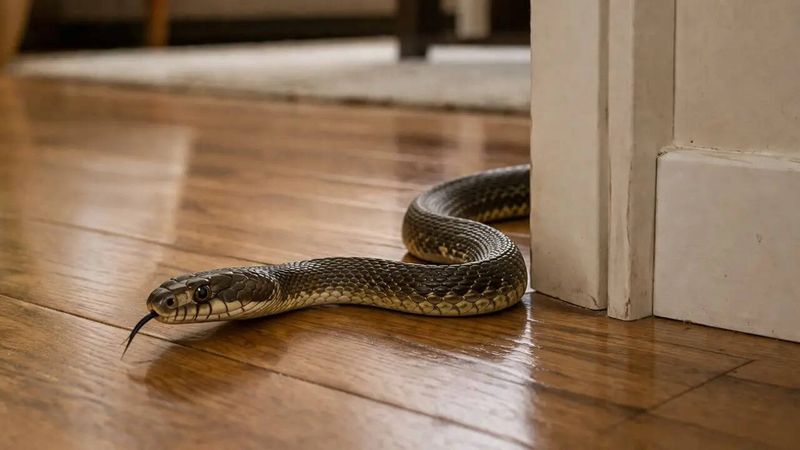
Snakes do not vanish when the weather cools, especially in Florida, Texas, and the rest of the South. Many simply tuck themselves into warm, quiet spots close to homes and slow down until the next warm spell.
The tricky part is that the signs they leave behind are easy to miss if you do not know what to look for. Here are 11 clues worth checking in your yard right now, plus simple steps that can make your space less inviting.
1. Shed Skins Near the Foundation
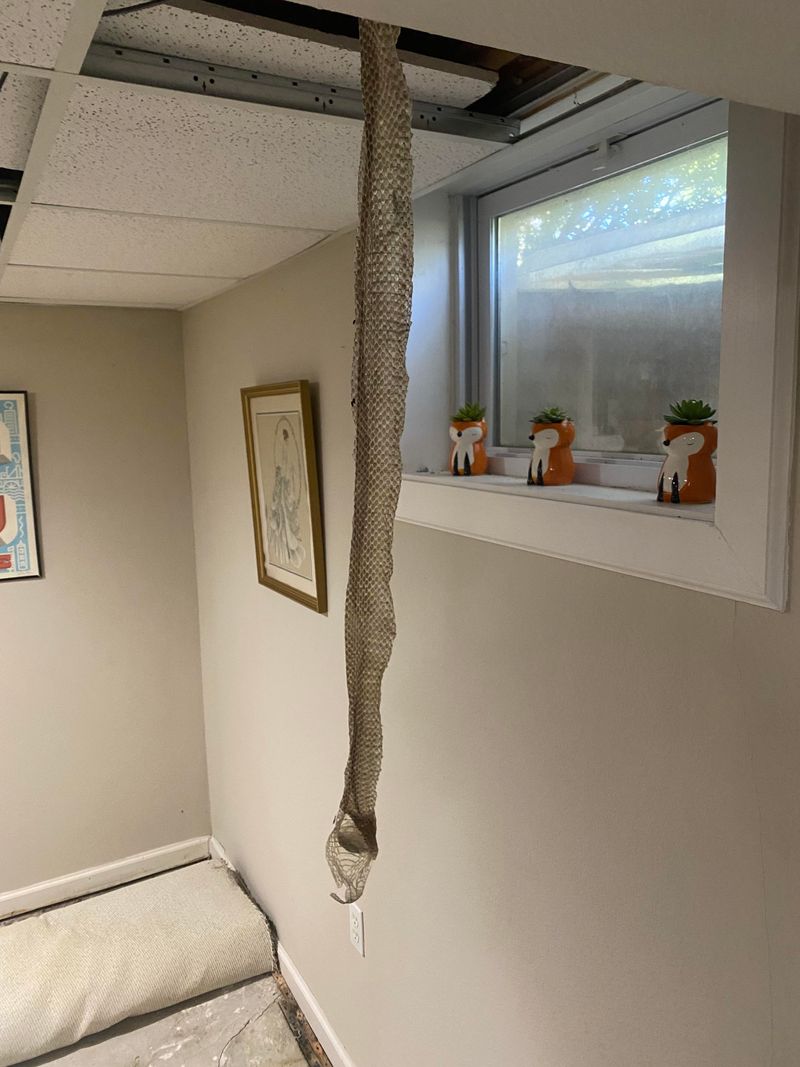
Finding a crinkly, see-through tube lying against your foundation can stop you in your tracks. A shed skin is one of the clearest signs a snake has spent real time nearby, because snakes usually shed in places where they feel safe and hidden.
Look along brick or block foundations, under shrubs, near the AC pad, and inside crawlspace vents. Skins often snag on rough surfaces like stone edging, woodpiles, or the base of a fence, since snakes rub against them to peel off the old layer.
Fresh skins are soft and clear, while older ones turn brittle and dusty. A fresh shed in winter may suggest a snake is using a warm pocket close to your home, especially during mild Southern stretches when activity picks back up.
Here is a handy trick: count the scale rows and check the eye caps if you feel brave, or snap a photo for your county extension office. Most sheds in Florida and Texas yards belong to harmless rat snakes, garter snakes, or racers.
Wear gloves when you remove the skin, then trim back plants hugging the foundation. Opening up that zone can reduce hiding cover and make the area less appealing for a return visit.
2. Smooth Holes With No Dirt Mound
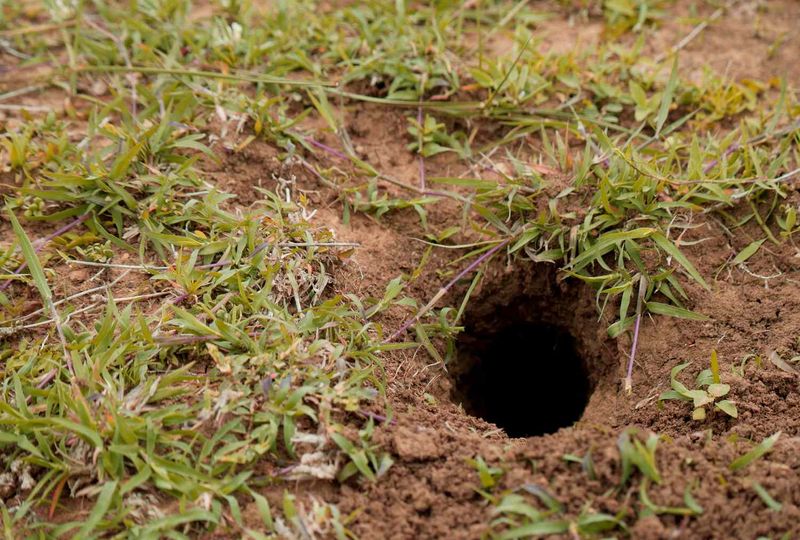
Snakes are terrible diggers. Instead of building homes, they borrow them, which is why a tidy round hole in your yard deserves a closer look this time of year.
Burrows made by moles, rodents, armadillos, or crayfish often get taken over once the original owner moves on. A hole with smooth, polished sides and no fresh dirt pile nearby can hint that something long and slender has been sliding in and out.
Pay attention to holes along fence lines, under concrete slabs, beside tree roots, and at the edges of raised beds. In Texas, abandoned armadillo burrows are a favorite winter retreat for several snake species.
A simple test can help. Lay a light layer of flour or loose sand at the entrance, or stretch a strand of spider silk across it if one is already there, then check the next morning.
Disturbed edges may point to recent use.
Please do not reach into any hole. If you suspect a venomous species, leave it alone and call a licensed wildlife professional.
Once a burrow seems empty, filling it with gravel or packed soil may discourage new tenants from moving in.
3. Lots of Rodent Activity
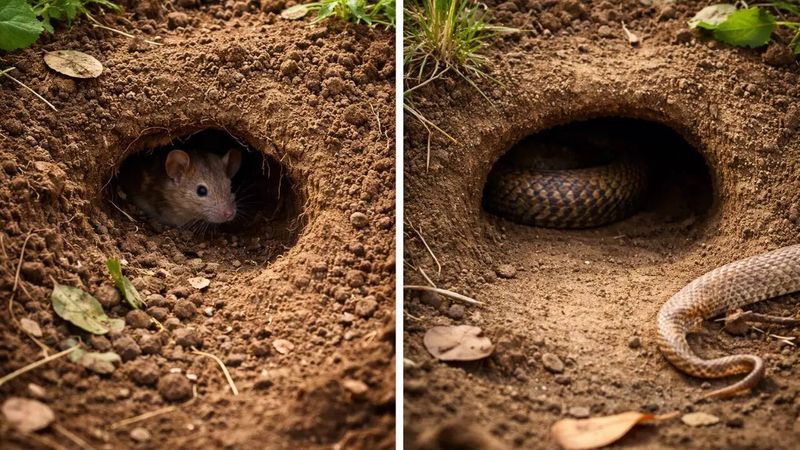
Mice and rats are basically a dinner bell. Wherever rodents gather in winter, snakes are rarely far behind.
So if you have noticed droppings in the garage, chewed seed bags, tunnels under the shed, or scratching in the walls, consider that a two-part warning. Rodents move closer to houses as temperatures drop, and snakes may follow the scent trail right up to your doorstep.
Rat snakes, corn snakes, and kingsnakes are the usual rodent hunters in Southern yards. Honestly, they do a lot of free pest control.
Still, most people prefer they handle that job a bit farther from the back porch.
Start by cutting off the food supply. Store birdseed, pet food, and grass seed in metal cans with tight lids.
Pick up fallen fruit, keep compost covered, and avoid leaving pet bowls outside overnight.
Next, seal gaps larger than a quarter inch around doors, vents, and utility lines. Snap traps placed inside sheds can help knock rodent numbers down.
When the menu shrinks, snakes often lose interest and wander elsewhere, though results can vary depending on what neighboring yards offer.
4. Woodpiles and Debris Stacks
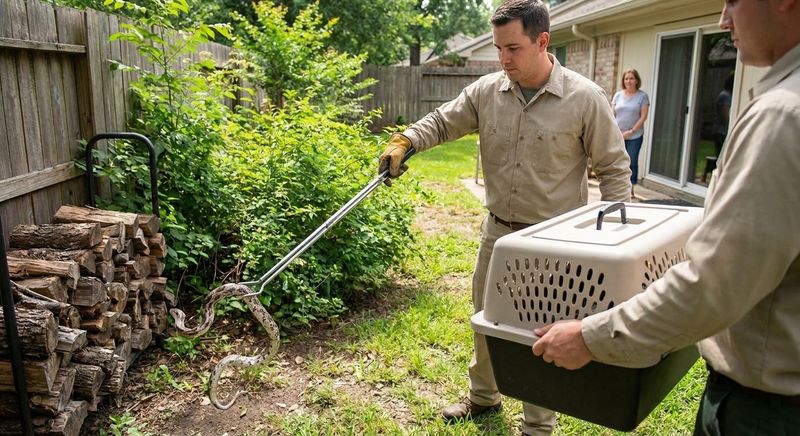
That neat stack of firewood by the fence looks harmless. To a snake, it is a cozy apartment complex with built-in heating and a pantry full of mice.
Woodpiles, leftover lumber, old tarps, stacked pavers, and piles of brush hold warmth and stay dry underneath. In winter, those qualities make them prime real estate for snakes looking to ride out cool nights.
Signs to watch for include shed skins tucked between logs, small trails through nearby leaves, and rodent droppings around the base. If you have ever pulled a log and felt something shift below, you already know the feeling.
Moving the pile can make a big difference. Store firewood on a raised rack at least 12 to 18 inches off the ground and as far from the house as practical.
Twenty feet or more is a common recommendation.
Clear out scrap materials you no longer need, and take a hard look at that corner where projects go to die. When you do move stacks, wear thick gloves and boots, and use a long tool to lift pieces.
Taking it slow gives any hidden resident time to leave on its own terms.
5. Thick Mulch and Leaf Litter Against the House
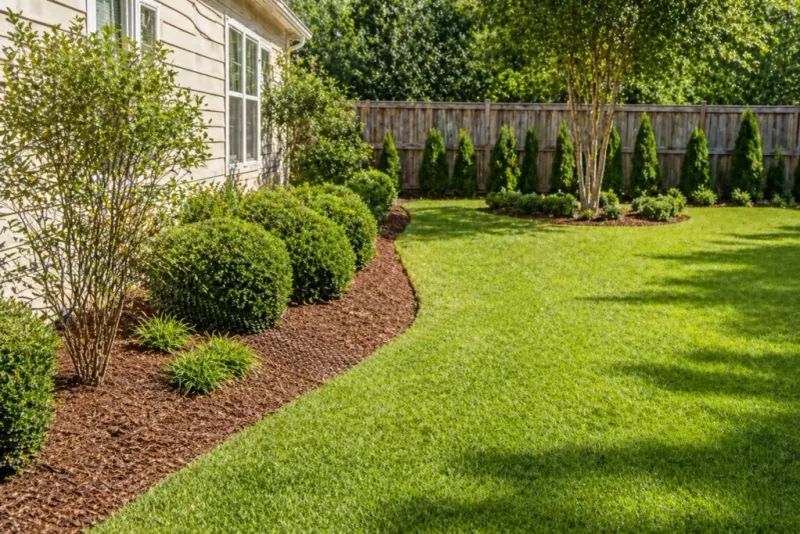
Mulch is great for plants and, unfortunately, pretty great for snakes too. Deep layers piled against the house create warm, damp hideouts that stay comfortable even after a cold front rolls through.
Gardeners across Florida and Texas love pine straw, shredded bark, and leaf mulch for keeping roots cool. The problem starts when those layers creep past three inches deep or touch the siding.
Loose material holds heat from the house, and the moisture draws insects, frogs, and small lizards that snakes enjoy eating.
Notice any shallow, curving channels through the mulch? Or areas where the layer looks pushed aside in a narrow path?
Those can be clues that something has been traveling through regularly.
A few easy tweaks help. Rake mulch back so there is a bare strip of six inches or so between beds and your foundation.
Keep the remaining layer around two to three inches thick.
Switching to gravel or river rock right next to the house can also reduce cover, since snakes tend to avoid open, exposed ground. Your shrubs will still be happy, and the bed may feel a lot less like a snake hotel.
6. Gaps Around Pipes, Vents, and Slabs
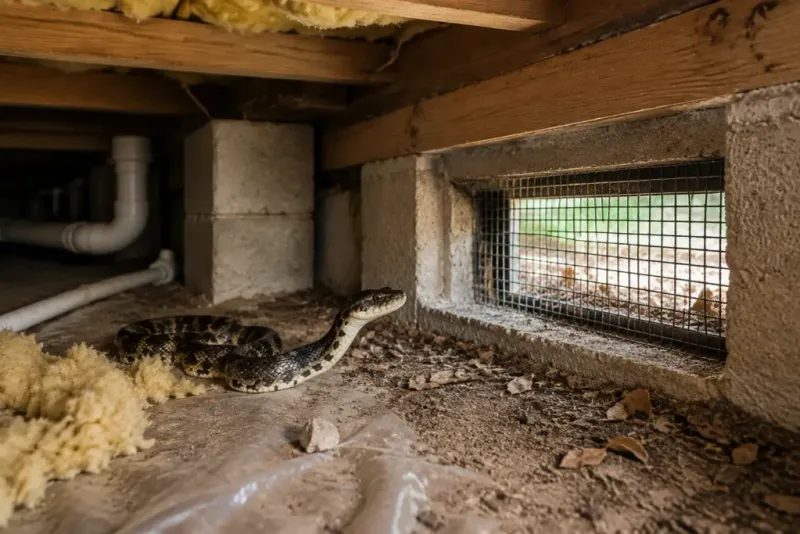
Picture your home from ground level, the way a cold snake would see it. Every crack, loose vent screen, and gap around a pipe looks like an invitation to warmth.
Many snakes that end up indoors or under homes slipped in through openings homeowners never noticed. Spaces around AC lines, dryer vents, plumbing, and crawlspace doors are classic entry points.
Gaps beneath concrete patios and porch steps are another favorite, since the slab traps heat during the day and releases it at night.
Walk the perimeter on a sunny afternoon with a flashlight. Look for openings wider than a pencil, smudges or rub marks along edges, and shed skin fragments caught on rough spots.
Sealing them up is a weekend job most homeowners can handle. Use expanding foam or caulk around pipes, hardware cloth over vents, and weatherstripping under doors.
Fill cracks beneath slabs with concrete patch or gravel.
Fun fact: some snakes can squeeze through openings about the width of their head, which for small species is barely bigger than a dime. Thorough sealing may not stop every visitor, but it can greatly reduce the odds of a surprise in the garage.
7. Missing Frogs, Toads, or Lizards
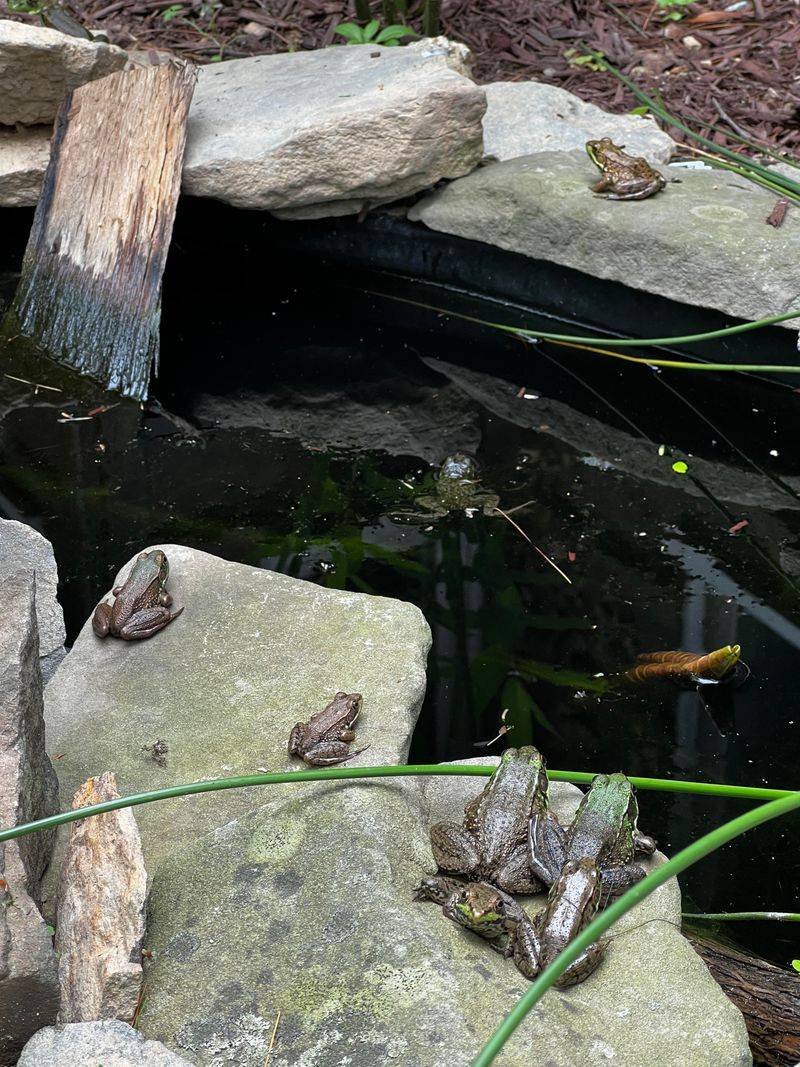
Sometimes the clue is not what you find, but what suddenly disappears. If the anoles on your porch rail or the toads by the hose bib seem to have vanished, a predator could be working the area.
Of course, cooler weather also sends many frogs and lizards into hiding, so this sign works best combined with others. Still, Southern gardeners often notice a steady crew of critters even in winter, especially around ponds, birdbaths, and damp beds in Florida.
Garter snakes, ribbon snakes, and water snakes eat a lot of amphibians. Racers happily snack on lizards.
A sharp drop in those populations near one spot, paired with a shed skin or trail, may point to a snake setting up shop.
Pay extra attention around water features. Ponds with rock edges and dense plants offer both food and shelter in one tidy package.
To make things less appealing, trim tall plants around the pond edge and keep part of the border open. Check that leaky spigots are fixed, since constant puddles draw frogs, and frogs draw hunters.
Your lizard buddies may thank you when they reappear.
8. Snake Tracks in Dust, Sand, or Mud
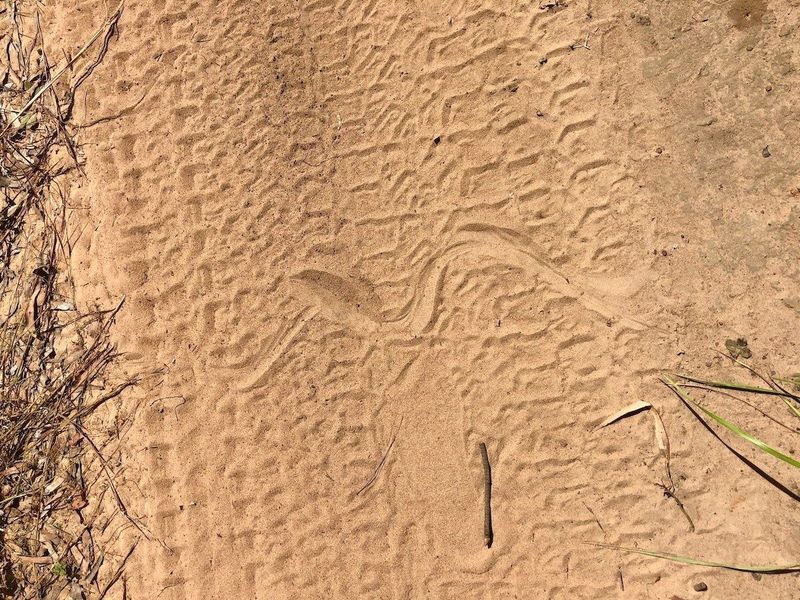
Snakes do not have feet, but they still leave footprints of a sort. A wavy S-shaped line or a smooth, straight drag mark in soft ground can reveal where one has traveled.
Sandy soils in Florida and parts of Texas are perfect for spotting these trails. Check garden paths, dusty corners of the garage, the crawlspace entrance, and muddy spots near hoses after rain.
Side-to-side curves usually mean a snake was moving quickly. A straight, even groove can come from slower, caterpillar-like movement, often seen in heavier snakes like rat snakes.
Either way, the trail tells you direction, so follow it carefully to see where it leads.
Want to confirm activity? Rake a patch of fine sand or soil smooth near a suspected hiding place, such as a shed or the edge of a woodpile.
Check it the next morning for fresh marks.
Tracks can fade fast with wind and rain, so snap a photo when you find good ones. If trails consistently lead under a structure or into a hole, you have likely found a regular route, and that tells you exactly where to focus cleanup and sealing.
9. Nervous Pets Fixated on One Spot
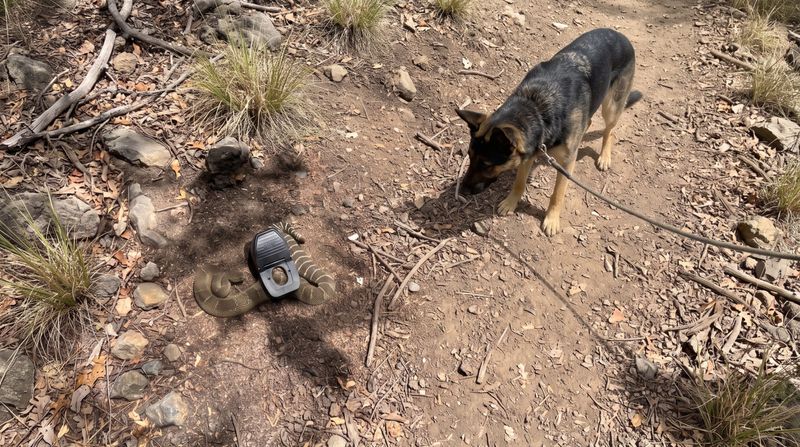
Dogs and cats are often the first to know. When your normally relaxed pup keeps returning to the same corner of the shed, stiff-legged and sniffing hard, it is worth paying attention.
Pets pick up scents we cannot, and snakes leave a musky odor, especially when stressed. Cats may crouch and stare at a single gap for long stretches.
Dogs might bark, paw, or circle a bush, woodpile, or hole repeatedly.
Here is where caution really matters. Southern states are home to copperheads, cottonmouths, coral snakes, and rattlesnakes, and curious pets are bitten every year.
Even in winter, warm afternoons can bring snakes out enough to strike if poked.
Call your pet away from the spot calmly and keep them leashed in that area for a while. Then look from a safe distance with a flashlight for shed skins, trails, or a coiled shape.
If you see a snake and are unsure what it is, back off and take a photo if possible. Ask your vet about rattlesnake vaccine options if you live in high-risk parts of Texas, and keep their emergency number handy just in case.
10. Musky Odor in Sheds or Crawlspaces
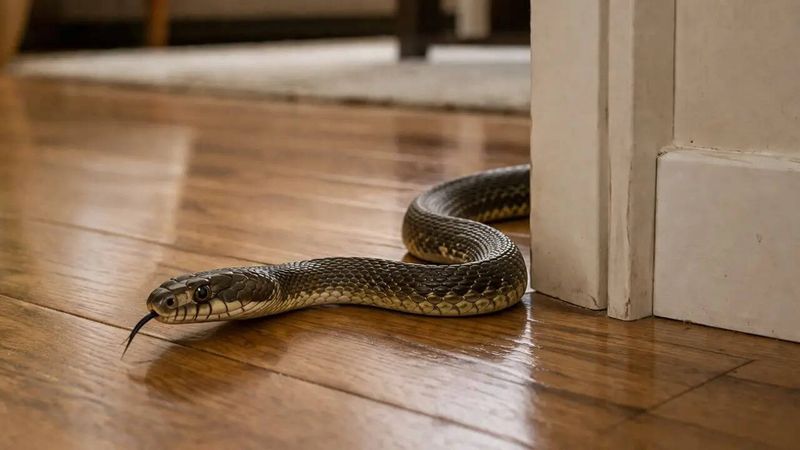
Ever opened the shed and caught a whiff of something sharp, almost like cucumbers gone off or a skunky mustiness? That odd smell could be more than old fertilizer.
Several snakes release a strong musk when frightened, and the scent can linger in enclosed spaces like sheds, garages, and crawlspaces. Copperheads are sometimes described as smelling like cucumbers, though that folk tale is not a reliable way to identify a species.
Many harmless snakes produce strong odors too.
Treat the smell as a reason to look, not panic. Open the door wide, let light flood in, and scan the floor along walls, under shelves, and behind stored bags.
Use a long stick or rake to shift items rather than your hands.
Winter is a common time for snakes to take shelter in sheds because stacked pots, cardboard, and seed bags create warm, quiet layers. Rodents nibbling those bags only add to the appeal.
Get stored items up on shelves, swap cardboard for sealed plastic bins, and close gaps under the door with a sweep. A tidier, brighter shed tends to be far less inviting to any cold-blooded squatter.
11. Snakes Sunning on Warm Afternoons
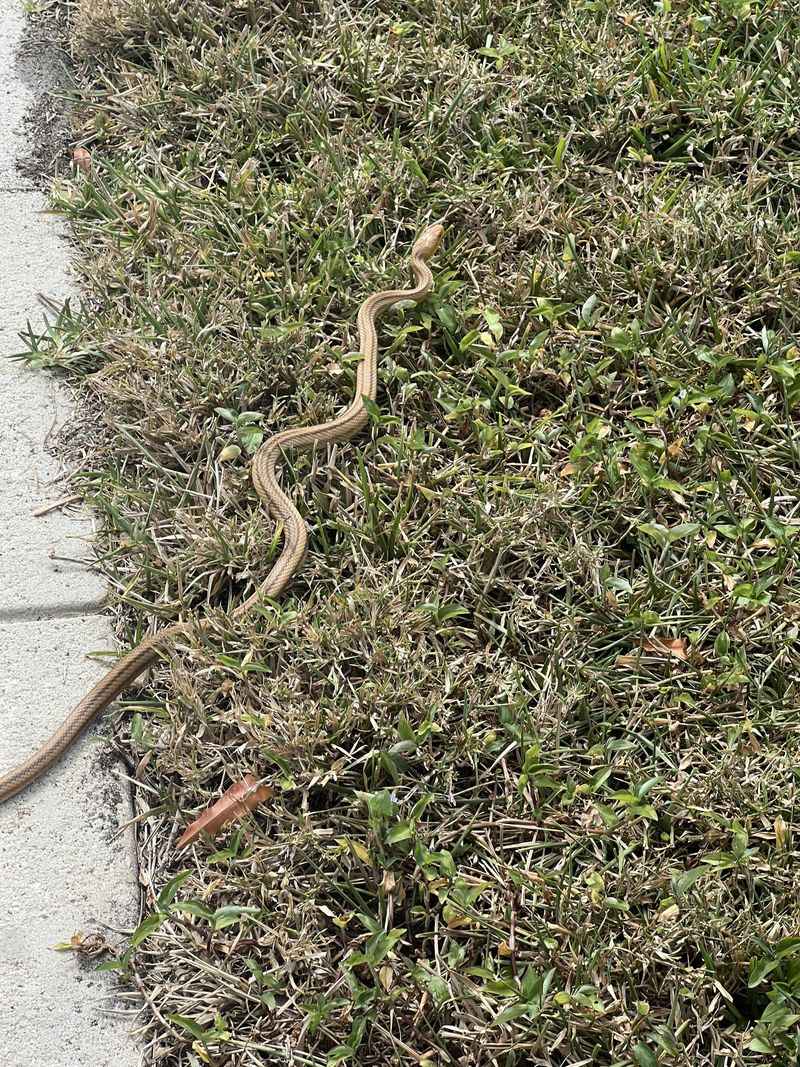
Southern winters are famous for whiplash weather. One day calls for a jacket, and the next hits 75 degrees, which is exactly when snakes slip out to soak up some sun.
Spotting a snake basking on a patio, driveway, rock border, or porch step during a warm spell is the most direct clue of all. Since they rarely travel far in cool months, a basking snake is likely sheltering somewhere very close by.
Watch south and west-facing surfaces between late morning and mid-afternoon. Concrete, stone, and dark mulch heat up fast and attract sun-seekers.
In Florida, winter basking may happen almost weekly.
Keep your distance and give it room. Most snakes will move off once they notice you.
Note where it heads, because that path likely leads back to its hiding spot under a slab, deck, or shrub.
Resist any urge to kill or handle it. Many states protect certain species, and most bites happen when people try to grab or attack snakes.
If it is venomous or refuses to leave a high-traffic area, a licensed wildlife removal pro can relocate it safely. Afterward, tackle the nearby cover so fewer hiding spots remain.