
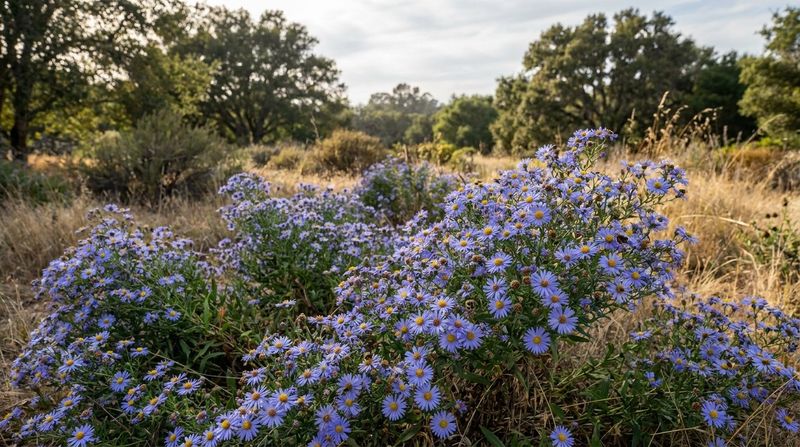
A bare hillside looks harmless in September, but one big California storm can carve gullies, dump mud on your patio, and wash away topsoil that took years to build. The fix is plants that knit roots into the soil quickly, and many of the best choices are drought-tolerant natives that also feed bees and birds.
Plant them in fall, when the soil is still warm and the rains are on the way, and they can get a real head start before the heavy storms arrive. Here are ten fast spreaders worth putting on your slope this season.
1. Creeping Sage (Salvia sonomensis)
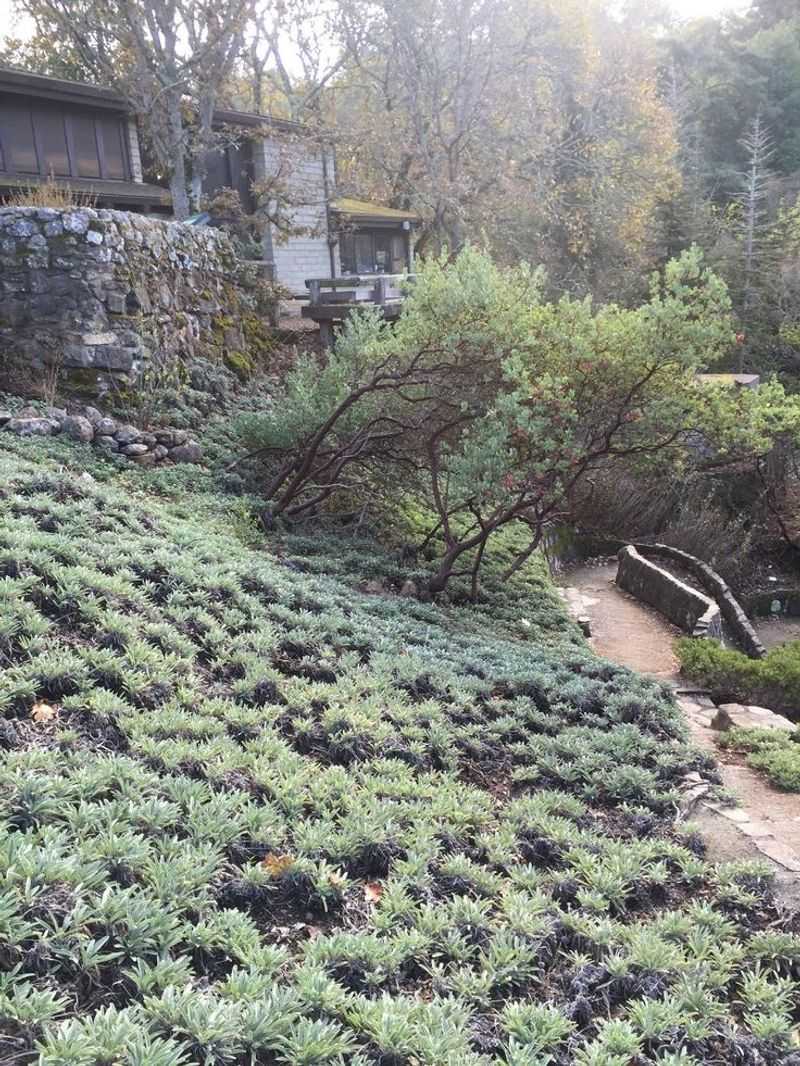
Brush your hand across a patch of creeping sage on a warm afternoon and the whole slope smells like a chaparral trail. This low native forms dense mats about a foot tall, rooting as its stems sprawl outward.
On a sunny bank, a few plants spaced three to four feet apart can often close the gaps within a season or two.
Spring brings lavender-blue flower spikes that native bees and hummingbirds visit eagerly. Once established, it usually needs little or no summer water in coastal and inland valley gardens.
Overwatering in summer is the quickest way to lose it, so resist the urge to baby it.
Choose a selection like ‘Bee’s Bliss’, a hybrid with similar habits, if you want something well tested in home gardens. Plant in fall and water through the first dry spell until the rains take over.
2. California Aster (Symphyotrichum chilense)
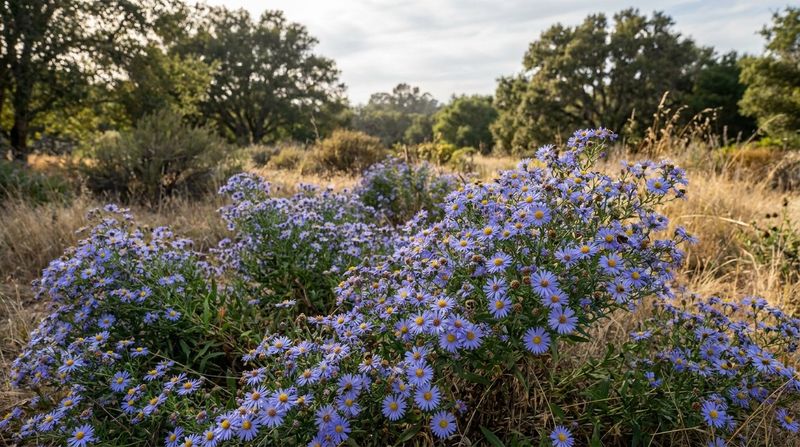
Few natives travel underground as eagerly as California aster. It spreads by rhizomes, sending up new shoots several feet from the parent plant, which makes it a strong candidate for erosion control on moderate slopes.
Late summer into fall, when most of the yard looks tired, it opens pale lavender daisies that butterflies and late-season bees rely on. That timing matters, since few other plants are offering food then.
It handles clay soil better than many natives, too.
Fair warning: the same running habit that holds soil can wander into paths and beds. Give it a slope of its own and let it work.
Cutting it back in winter keeps it tidy and encourages fresh growth.
3. Yarrow (Achillea millefolium)
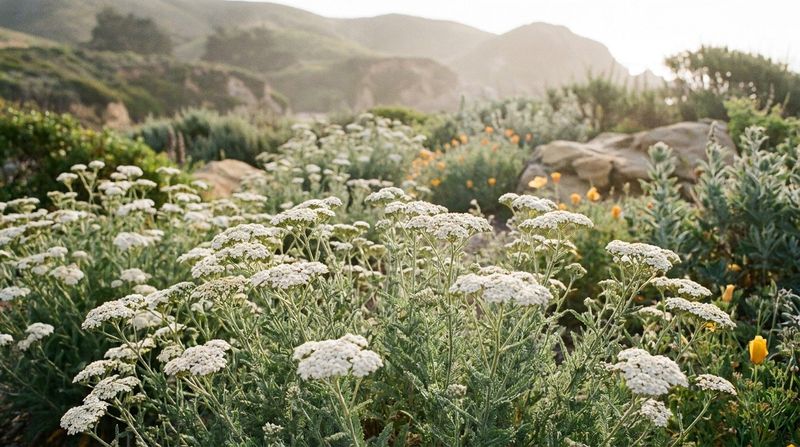
Gardeners who want a soft, fernlike carpet often end up falling for yarrow. The native form spreads steadily by underground stems and can be grown from plugs or seed in fall, which keeps costs down on a big bank.
Its fibrous roots grip the top layer of soil, the exact zone storms tend to strip away. White flower clusters attract hoverflies and small parasitic wasps, helpful insects that may reduce aphid problems elsewhere in your yard.
Yarrow tolerates light foot traffic and can even be mowed occasionally, so it works on gentle slopes near patios. It also stays fairly green with occasional summer water, which can be a plus in fire-prone neighborhoods where lush, low plantings near the house are preferred.
4. Coyote Brush Pigeon Point (Baccharis pilularis)
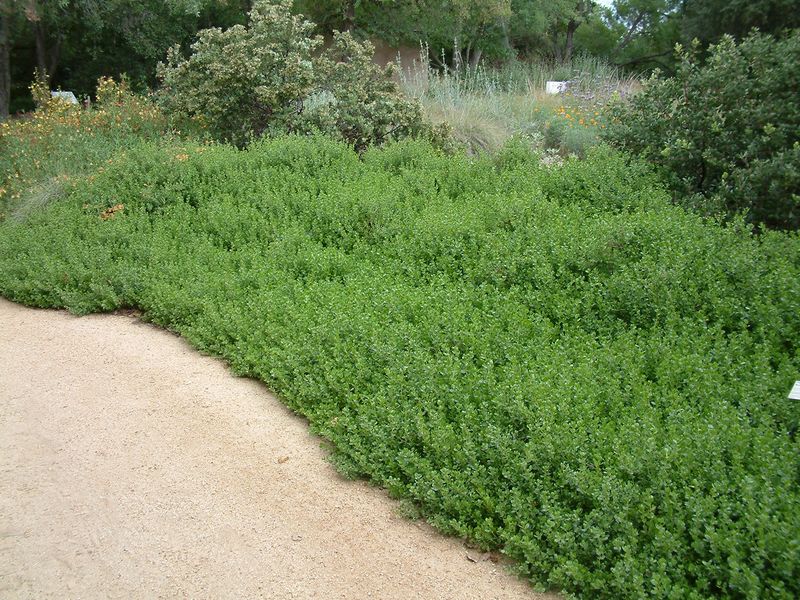
Caltrans has leaned on dwarf coyote brush for decades along California highway cuts, and that track record says a lot. ‘Pigeon Point’ grows one to two feet tall and can stretch eight feet or more across, with deep roots that anchor steeper banks than most groundcovers can handle.
It shrugs off heat, wind, poor soil, and summer drought. Native insects use it heavily, and birds forage underneath its tangled branches.
Plant it four to six feet apart in fall. It looks a bit sparse the first winter, so add jute netting or straw wattles to bridge the gap.
Prune out dead wood every few years to keep fuel loads down if you live near wildland.
5. Carmel Creeper Ceanothus (Ceanothus griseus horizontalis)
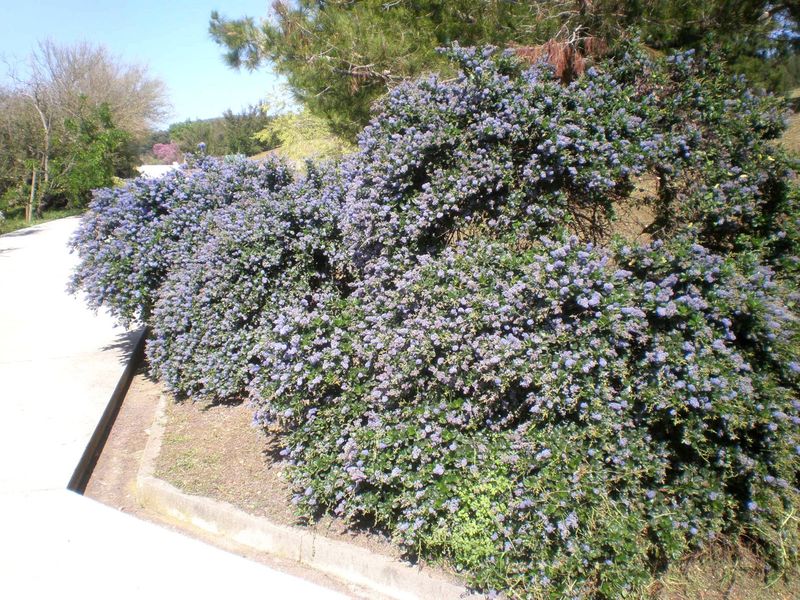
Picture a slope washed in powder blue every March, humming with bees. That is Carmel creeper, a low ceanothus that spreads wide and fast, often reaching eight to ten feet across in a few years.
Like other ceanothus, it partners with soil bacteria to fix nitrogen, so it can thrive in lean, rocky ground. Its glossy leaves stay green year round, and native bees, honeybees, and butterflies all visit the blooms.
It does best near the coast or with a bit of afternoon shade inland. Skip summer irrigation once it is established, since frequent watering in heat can trigger root rot.
Varieties like ‘Yankee Point’ are widely sold and reliable.
6. California Fuchsia (Epilobium canum)
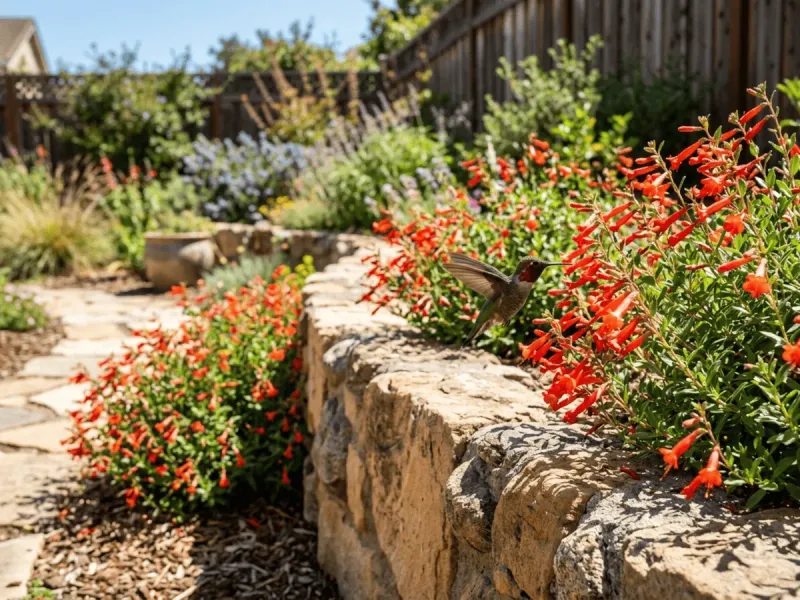
Hummingbirds seem to find California fuchsia within days of its first bloom. Those scarlet tubes open from late summer into fall, refueling hummingbirds when little else is flowering.
Below ground, it spreads by rhizomes and fills open patches on hot, dry, rocky banks where fussier plants struggle. Low forms like ‘Everett’s Choice’ stay under a foot and creep steadily.
Cut it nearly to the ground in late fall or winter, and it rebounds quickly in spring. Pair it with a shrubby groundcover like coyote brush so the slope keeps some cover while the fuchsia is resting.
7. Manzanita Emerald Carpet (Arctostaphylos ‘Emerald Carpet’)
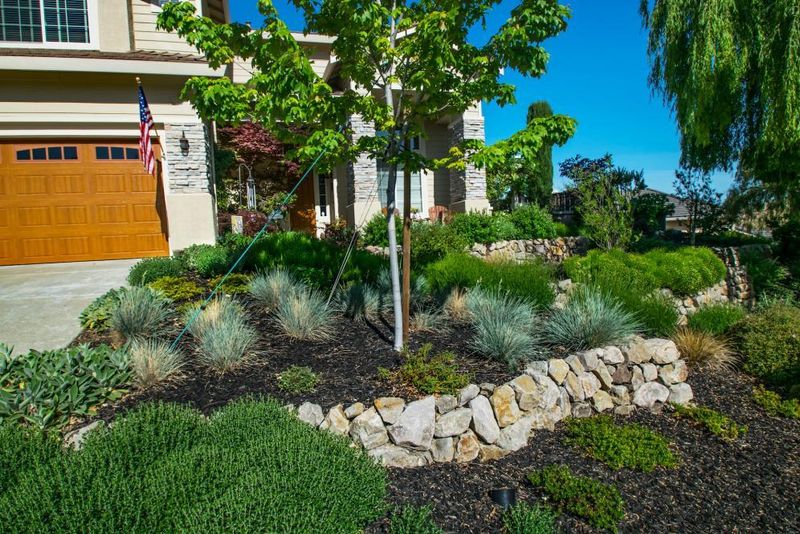
Not every manzanita is a twisted red-barked shrub. ‘Emerald Carpet’ hugs the ground in a tight, shiny mat that looks almost manicured, and it smothers weeds once it fills in.
It is the slower sprinter on this list, so think of it as long-term insurance. Planted closer together, around three feet apart, it can cover a bank in two to three years and hold it for decades.
Tiny pink bell flowers in late winter offer early food for native bees. It prefers good drainage and some afternoon shade in hot inland areas.
Mulch with gravel or bark between plants and use erosion netting until the mat closes.
8. Beach Strawberry (Fragaria chiloensis)
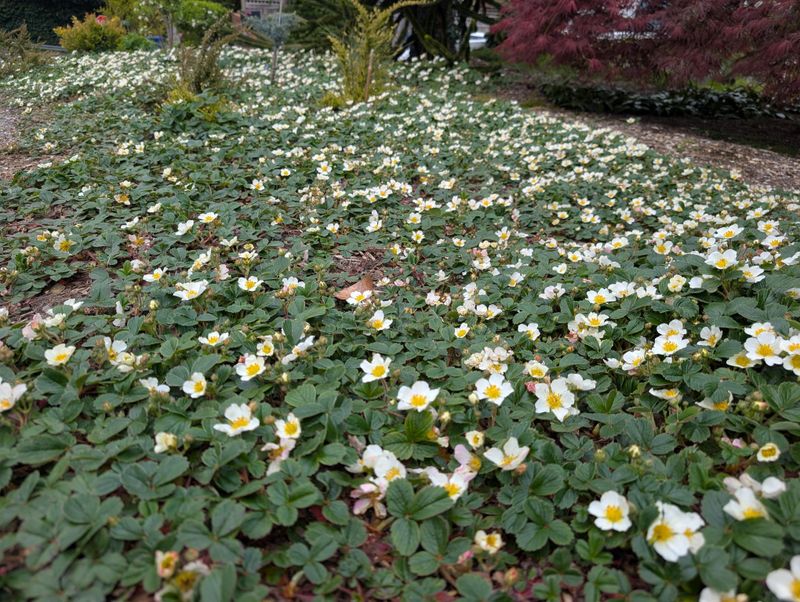
Runners are the secret weapon here. Beach strawberry sends out long stolons that root wherever they touch soil, so a handful of plants can turn into a solid green blanket surprisingly fast in coastal gardens.
White spring flowers feed small pollinators, and the occasional tiny berry tends to disappear into the beaks of birds. The glossy leaves stay low and tidy, making it a friendly lawn substitute on gentle grades.
Inland heat is tougher on it, so give it partial shade and some summer water away from the coast. On steep slopes, combine it with deeper-rooted shrubs, since its roots mostly hold the surface.
9. Prostrate Coffeeberry (Frangula californica ‘Mound San Bruno’)
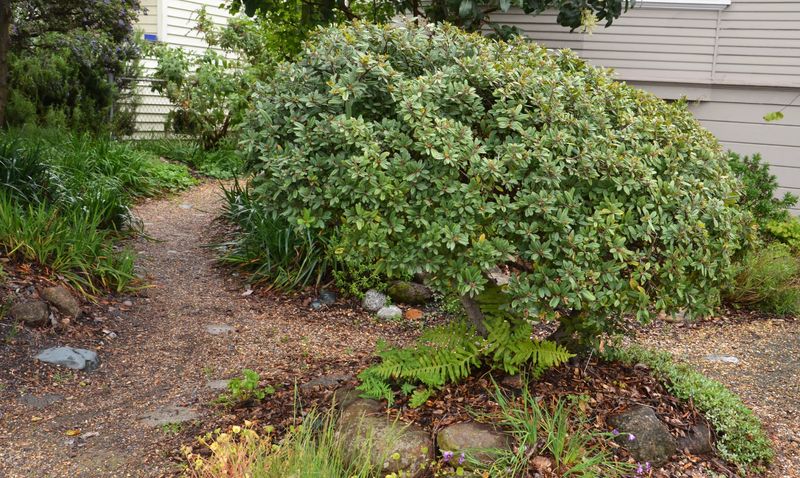
Songbirds will thank you for this one. Coffeeberry produces berries that ripen from red to black in late summer, a valued food for thrushes, towhees, and other native birds.
Low forms like ‘Mound San Bruno’ spread several feet wide while staying fairly compact, with sturdy roots that can help stabilize banks in sun or part shade. Handy if part of your slope sits under oaks, where many groundcovers sulk.
Growth is moderate rather than explosive, so mix it with faster fillers like yarrow or aster. Together they cover quickly while the coffeeberry builds the slope’s deeper backbone.
10. Native Bunchgrass Mix with Purple Needlegrass
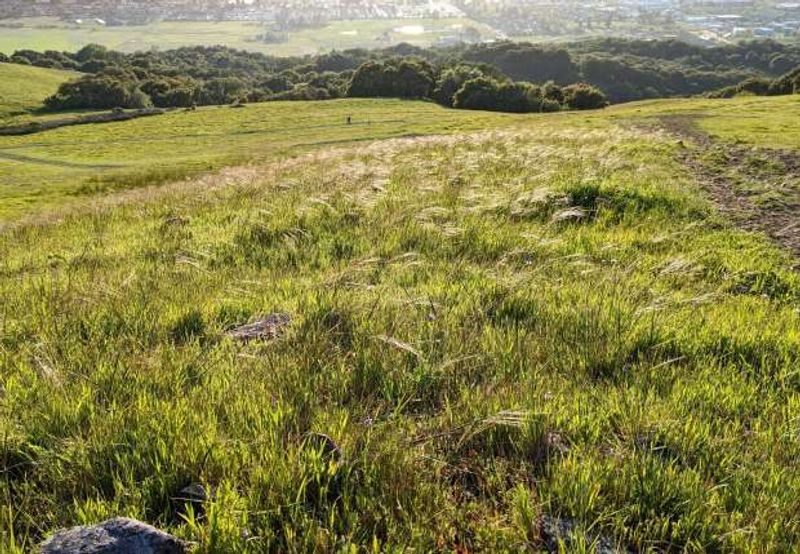
California’s state grass hides most of its strength underground. Purple needlegrass roots can reach several feet deep, which helps explain why native bunchgrasses held hillsides long before anyone planted ivy.
Fall seeding makes the most sense, because winter rain does the watering for you. Sow a native mix that may include needlegrass, California brome, and blue wildrye, rake it in lightly, then cover with weed-free straw or a biodegradable erosion blanket.
Grasses are a smart partner for the shrubby groundcovers above. Their fast-sprouting seedlings help hold soil in the first winter, and their roots fill the spaces between plants.
One quick tip worth keeping: skip invasive iceplant. It looks tough, yet its shallow roots and heavy, water-filled leaves can make slopes slide when soaked.