
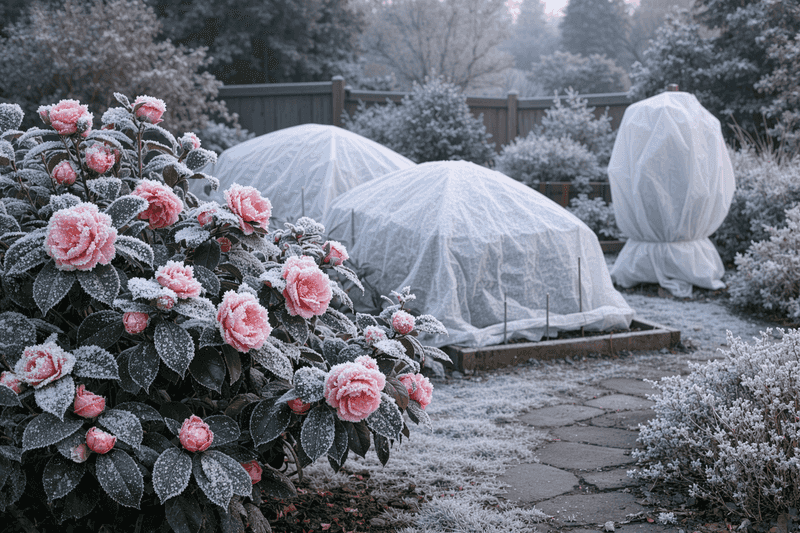
You walk out after a cold night and find your camellia blooms slumped and brown. It hurts, especially when the shrub was the best color in the yard all winter.
The good news is that one freeze rarely tells the whole story. Here is what the cold can really do, and a simple routine to cut your risk before the next cold snap.
A freeze can ruin open flowers without ending the bloom season
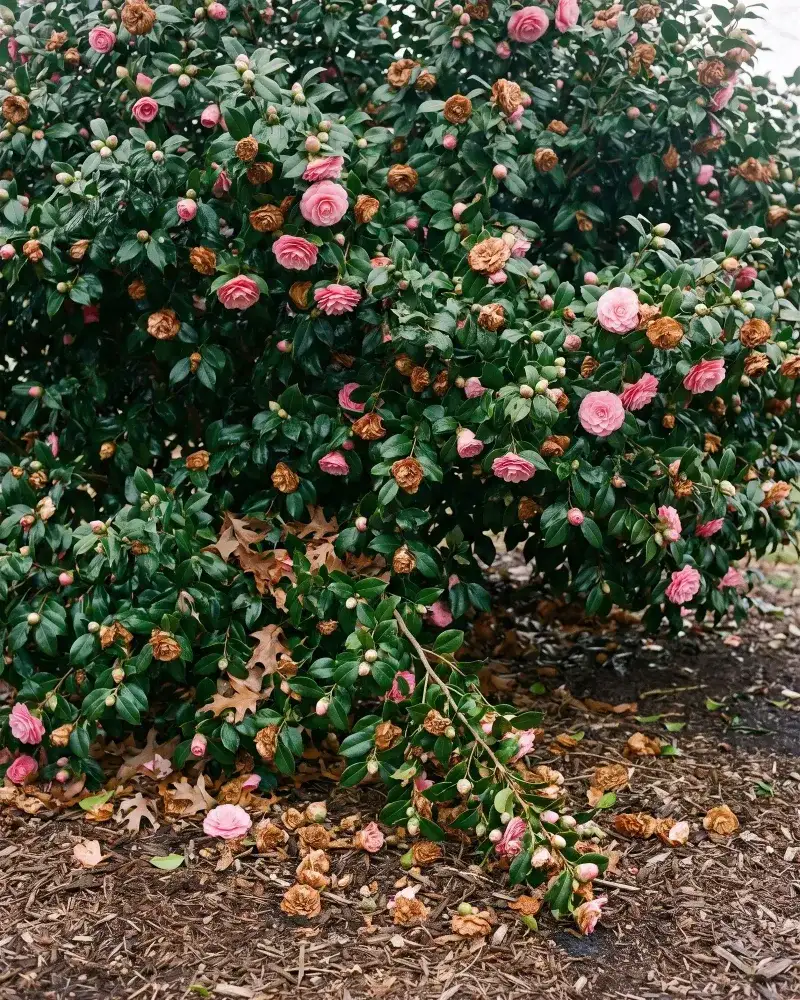
Brown, mushy petals after a cold night look like a disaster. Still, the damage is usually narrower than it first appears.
NC State Extension notes that camellias flower over an extended period, so a freeze may kill the flowers that are already open while unopened buds normally go unharmed.
That difference matters for your expectations. The flowers you can see are the most exposed part of the display.
The tight buds waiting behind them are often better protected, and they can open in the weeks that follow. A ruined first round does not prove that every later bloom is gone.
It also helps to separate the show from the shrub. Spoiled flowers, and sometimes a few injured buds, mean this season’s display may be thinner.
They do not mean the leaves, stems, and roots are dead. Different parts of a plant respond to cold in different ways, as NC State guidance on winter plant preparation explains.
You cannot control the weather, but you can lower your risk. The steps ahead are simple: prepare the soil, cover the shrub the right way, know the cover’s limits, and wait before judging damage.
No step guarantees perfect flowers, yet together they give your camellia a better chance.
Freeze conditions and bloom stage shape the risk
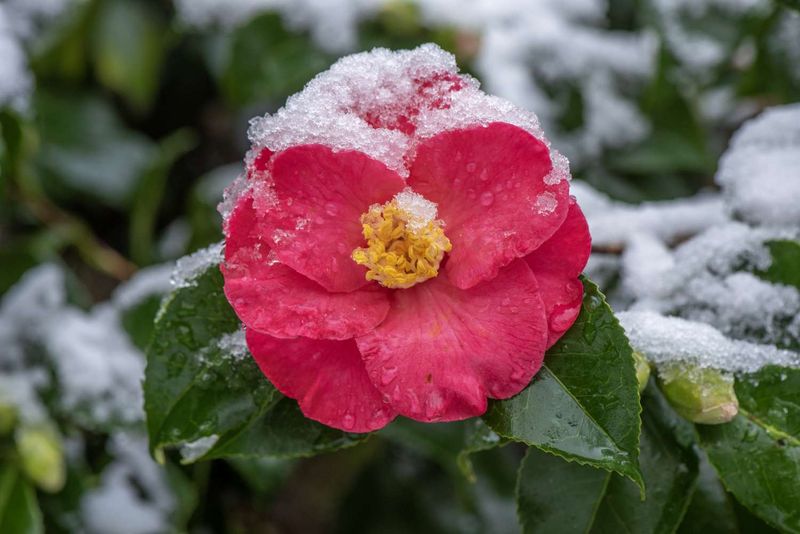
The phrase hard freeze sounds precise, but it is not. Damage depends on how low the temperature drops, how long it stays there, and how fast it falls.
A sudden plunge after a run of warm days is tougher on plants than a gradual cooling. Cultivar, bloom stage, wind, and the spot where the shrub grows all play a part too.
Some numbers give a rough picture. Alabama Cooperative Extension reports that open blooms may be damaged around 26 degrees F, while some may escape near 28 degrees F.
Below 20 degrees F, blooms may be smaller, and double-flowered types may not open normally. A fast drop after warm weather can cause harm in the 20 to 30 degree range.
Treat these as approximate regional guidance, not North Carolina limits or a promise for your plant.
Timing matters as well. NC State’s Plant Toolbox and Duke Gardens describe sasanquas as blooming in fall and early winter.
Japonicas commonly bloom from winter into early spring. One cold night can therefore meet two plants at very different stages.
Where you live changes the picture too. NC State describes real climate variation across the state.
A mountain yard, a Piedmont neighborhood, and a coastal plain garden will not feel the same cold. Even within one yard, an open, windy corner is riskier than a spot beside a sheltered wall.
Prepare the soil before temperatures fall
Before you reach for a sheet, take a minute at the base of the shrub. Push a finger or trowel into the soil.
If it feels dry, water it as needed ahead of the freeze. According to UGA Extension, moist soil can hold more heat than dry soil, and that stored warmth is what a cover later helps to trap.
Do this earlier in the day, not at the last minute, so the ground is damp but not soggy. Soaking an already wet bed will not add anything.
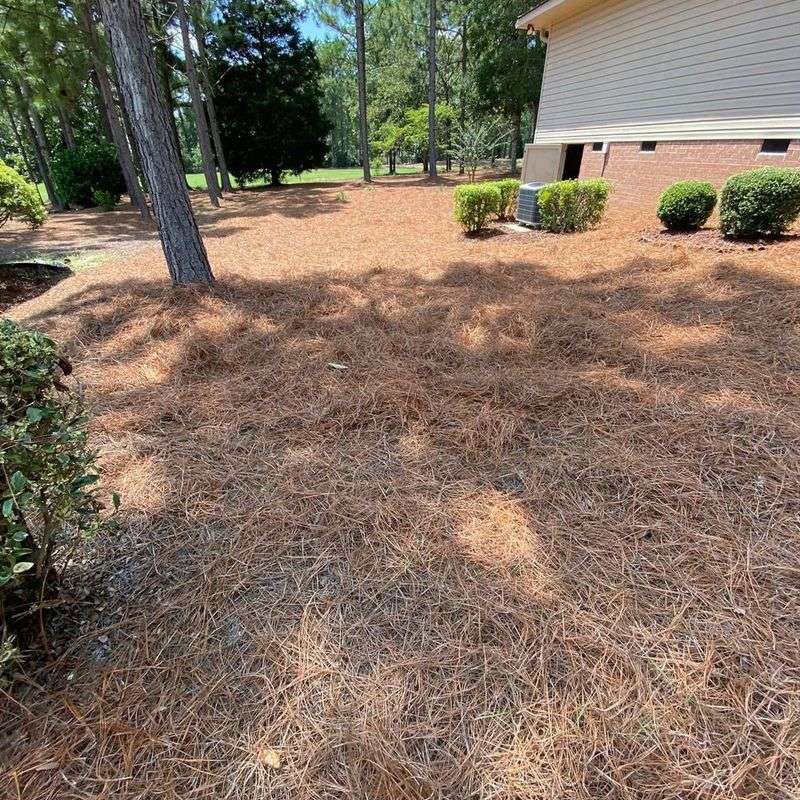
Mulch is the other piece of ground-level prep. A layer of pine straw or shredded bark can reduce soil heat loss and protect the roots.
Keep it a few inches back from the trunk.
Know what mulch cannot do. It sits at the base and does not directly shield flowers high on the shrub.
Think of it as a helpful foundation, not a stand-in for a cover.
Cover the camellia before the cold arrives
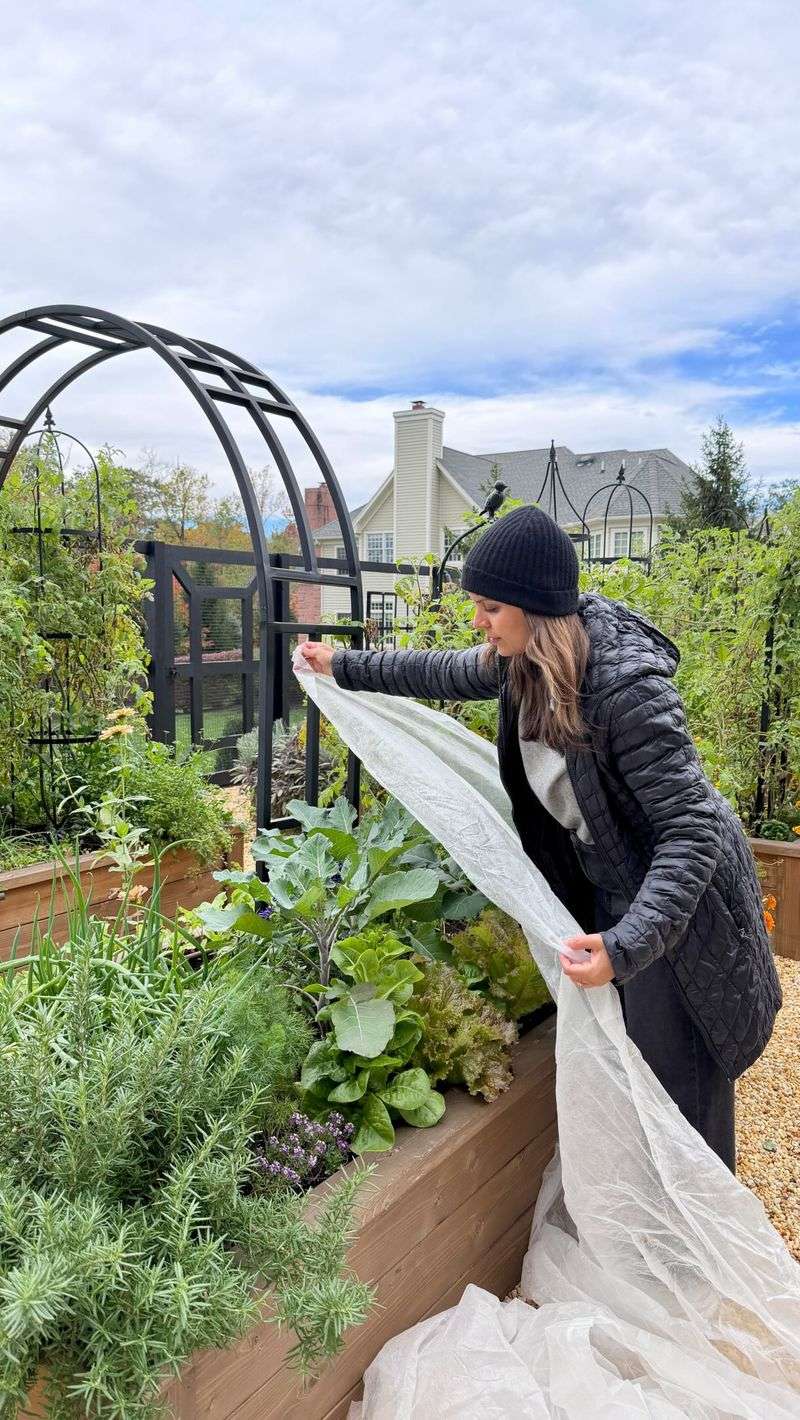
Timing is the first rule. Put the cover on in late afternoon or before sunset, while the day’s warmth is still coming off the ground.
Waiting until you are already shivering at dark makes the job harder and less useful.
For a single shrub, UGA Extension suggests a sheet, blanket, or frost cloth. Drape it over the whole plant and bring it all the way down to the ground.
Reaching the soil lets the cover hold in warmth rising from below instead of letting it escape out the bottom.
Next, secure the edges. Bricks, rocks, or landscape staples work well, and a loose cover can blow off in the wind.
If the fabric sags onto the blooms, build a simple frame first. Three or four stakes, tomato cages, or a small wooden frame can hold the material away from buds and keep the weight from snapping stems.
Open flowers are delicate, and a heavy wet blanket can crush them.
Be honest with yourself about the result. A cover reduces exposure, but it cannot promise undamaged flowers, especially in a severe night.
If a few open blooms still brown, you did not do it wrong.
Know the cover’s limits and remove it as the day warms
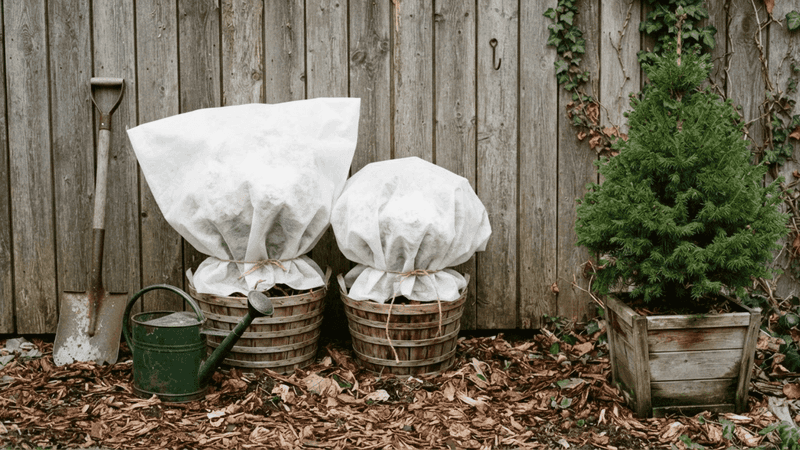
A frost cover works like a lid on stored warmth. It does not make heat of its own.
When a freeze is severe or lasts a long time, that stored warmth runs out, and the protection is limited. Keep that in mind on the coldest nights.
Morning matters as much as evening. Take the cover off and let the plant breathe once daytime temperatures climb.
UGA Extension advises removing covers and ventilating, since a closed cover in sun can trap heat and moisture around the leaves and buds.
Two shortcuts are worth skipping. Do not spray water over the shrub to build a coat of ice.
UGA Cooperative Extension does not recommend icing landscape plants, and heavy ice can break limbs.
Also keep plastic sheeting from touching the foliage. Plastic against leaves and buds can conduct cold and trap moisture.
If you have only plastic, hold it well away from the plant on a frame, and favor cloth when you can.
Wait several days before judging the damage
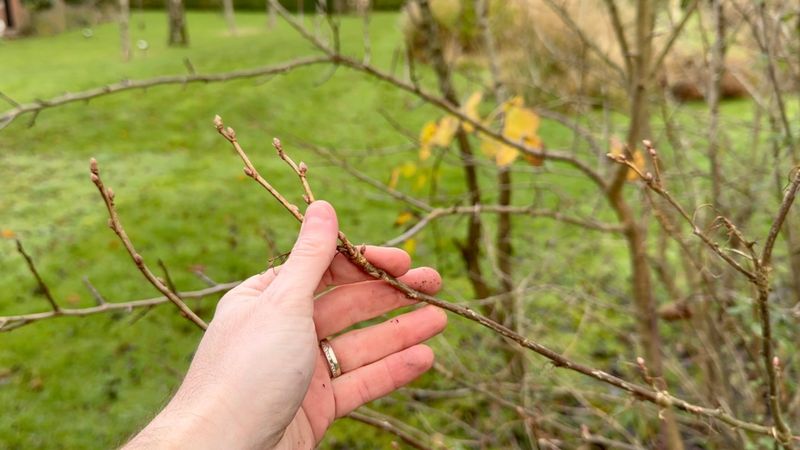
After the cold passes, resist the urge to grab the pruners. Injury often takes several days to show, so what looks bad on day one may change.
Give the shrub time before you decide anything.
Then check a few buds directly. UGA Extension advises cutting a bud in cross-section.
Discoloration inside indicates injury, while a clean, light interior is a good sign. Sample a few from different parts of the shrub, since exposed and sheltered buds can differ.
Keep buds and wood separate in your mind. A browned bud is not the same as dead branches.
Injured buds need no pruning, and cutting too soon can remove living wood that would have recovered. Wait until the shrub shows you what is truly damaged.
This fits what NC State describes: open flowers may be killed while unopened buds often escape. Fallen petals are a loss for that week, not a verdict on the season.
So check, then decide. Your camellia can surprise you in a few weeks.