
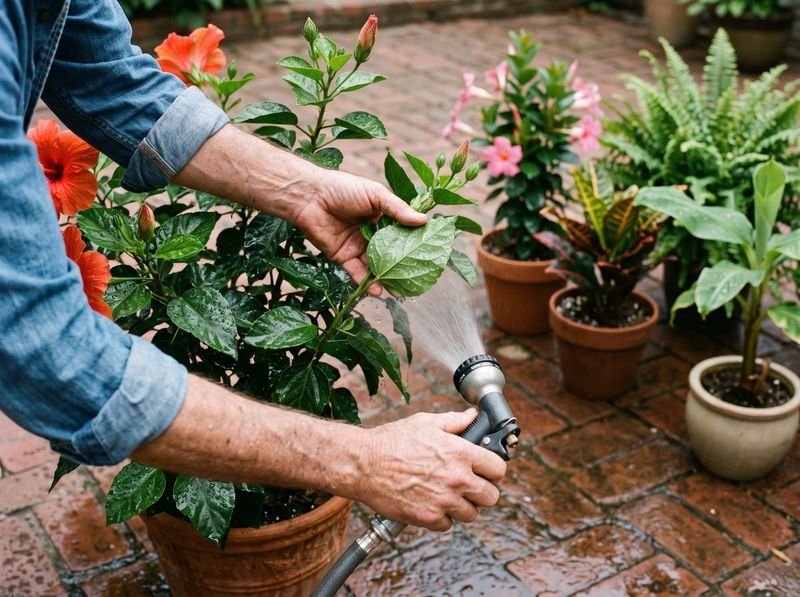
Those bright pots of mums on your porch do not have to end up in the trash after Thanksgiving. Many garden mums are true perennials, and with a little care now, they can survive winter and bloom again next fall.
In the South, winters are mild, but wet soil, surprise freezes, and poor drainage still knock out plenty of plants. Here are 10 simple steps that give your mums their best shot at coming back strong.
1. Check Whether You Bought a Garden Mum or a Florist Mum

Not every mum is built to last, and knowing which one you have saves a lot of heartache. Garden mums, sometimes labeled hardy mums, are bred to return year after year.
Florist mums, the kind sold in foil wrap at grocery stores, are usually grown for one big show indoors.
Look at the tag first. Words like hardy, garden, or perennial are good signs.
If the tag is missing, check the plant itself, since garden mums tend to have a dense mound shape and send up small shoots near the base.
Florist mums often have bigger, showier blooms and fewer roots. They may survive in a mild Florida or South Texas winter, but they rarely come back as strong.
Treat them as a bonus if they return, not a sure thing.
Once you know what you are working with, you can decide where to spend your effort. A garden mum is worth every step on this list.
A florist mum might be better enjoyed now and composted later, with no guilt attached. That one quick check keeps you from fussing over a plant that was never designed to make it through the cold months.
2. Get Them Out of the Pot and Into the Ground

Picture roots crammed into a plastic pot, sitting above ground where cold air hits from every side. Container mums freeze faster than ones planted in soil, because the ground acts like a warm blanket around the roots.
Planting as early as you can in fall gives roots time to settle in before the coldest nights. In much of Texas and the Deep South, October through early November is a solid window.
In Florida, timing is less strict, but getting them in the ground still helps them handle heat swings and dry spells.
Gently loosen the root ball before planting. Store-bought mums are often root-bound, with roots circling tightly around the pot.
Teasing them apart with your fingers can encourage new growth outward into the soil.
Set the plant at the same depth it was growing in the pot, not deeper. Water it in well, and keep the soil lightly moist for the next few weeks while roots establish.
If you truly cannot plant them, sink the whole pot into the ground or a mulched bed. That simple trick may give roots much of the same protection without a full transplant.
3. Pick a Spot With Excellent Drainage
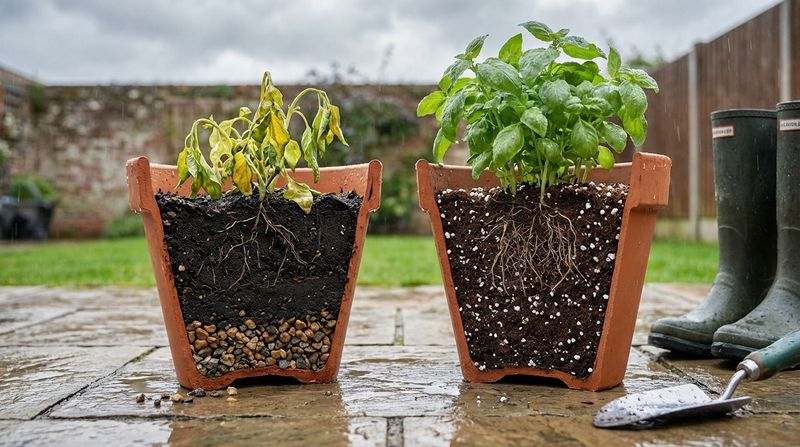
Here is a surprise for many Southern gardeners: cold is rarely what kills mums down here. Soggy soil is the bigger threat.
Roots sitting in wet, chilly ground can rot long before a freeze ever arrives.
Choose a spot where water drains away quickly after a rain. Raised beds, gentle slopes, and borders near the house foundation often work well.
Avoid low areas where puddles linger for hours.
Heavy clay, common across much of Texas and parts of the Gulf Coast, holds water like a sponge. Mixing in compost or pine bark fines can loosen it up and improve drainage over time.
In sandy Florida soil, compost helps in the opposite way by holding just enough moisture.
A quick test can tell you a lot. Dig a hole about a foot deep, fill it with water, and see how long it takes to empty.
If it is still full after a few hours, that spot is too wet for mums.
Sun matters too. Mums like at least six hours of direct light, so look for a place that is both bright and quick to dry out.
4. Hold Off on Cutting Them Back
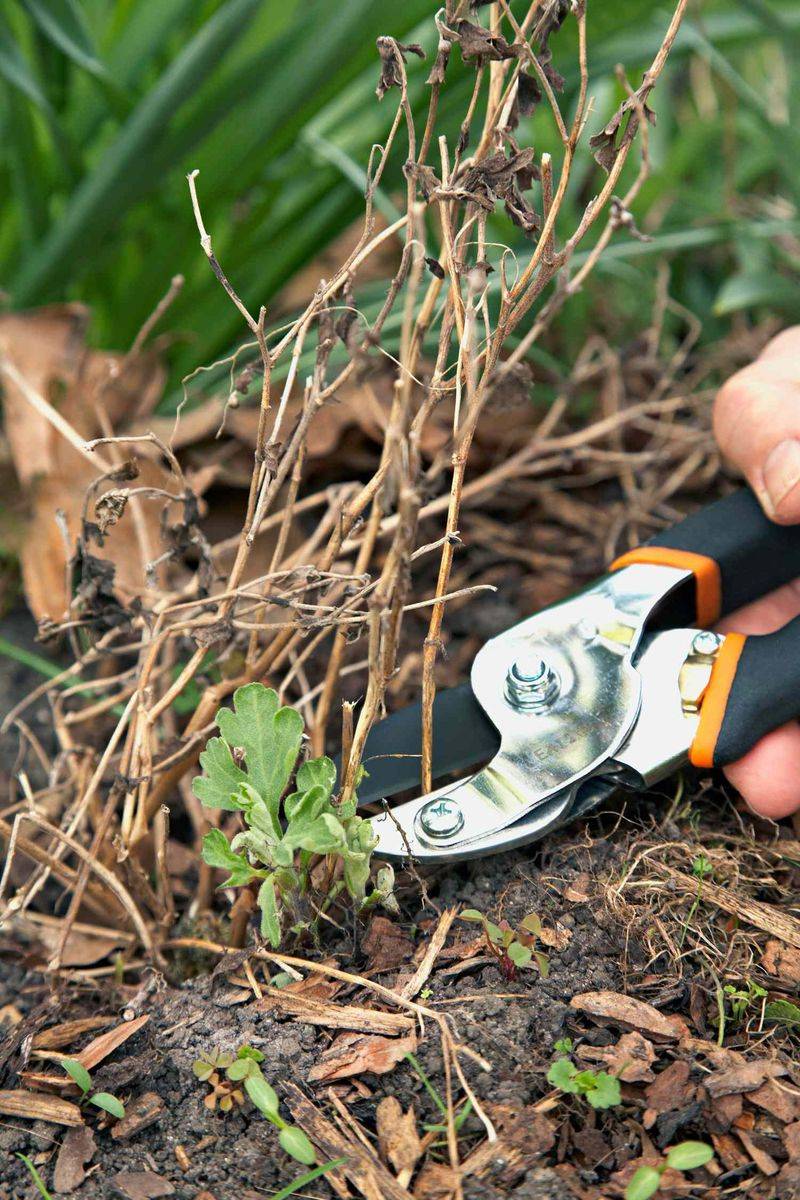
Grabbing the pruners the moment blooms fade feels natural. With mums, patience usually pays off.
Leaving the old stems standing through winter can help protect the crown of the plant.
Those dried stems trap leaves and mulch around the base, creating a little pocket of insulation. They also help you remember where the plant is, so you do not dig into it by mistake during winter cleanup.
Some research from university extension programs has suggested that mums left unpruned over winter tend to survive at higher rates than ones cut to the ground in fall. Results vary by region, but the idea is simple and low effort.
Wait until late winter or early spring, when you see fresh green shoots at the base. Then trim the old brown stems down to just above that new growth.
If the dead flowers bother you on a front porch bed, you can snip off just the spent blooms for a tidier look. Keep the stems and foliage intact underneath.
You get a cleaner appearance without taking away the natural protection your mums need to come back next year.
5. Add a Loose Layer of Mulch

Think of mulch as a cozy quilt for your mums. A two to three inch layer helps keep soil temperatures steady, which matters more than you might expect in the South.
Our winters often swing from 75 degrees one day to freezing the next. Those wild shifts can cause soil to heave and push shallow roots out of the ground.
Mulch can soften those swings and keep roots snug.
Pine straw is a favorite across the Southeast because it stays light and fluffy. Shredded leaves and pine bark also work well.
Skip heavy, wet materials that pack down tight and hold moisture against the crown.
Spread mulch after the first light frost, or in late fall if your area rarely frosts. Pull it back an inch or two from the center of the plant so the crown can breathe.
Piling mulch right against stems may invite rot.
In spring, once the danger of frost has passed, pull some of the mulch away to let the soil warm up. New shoots will appear faster, and you can keep the rest as a weed barrier through the growing season.
6. Water Smart Before a Freeze
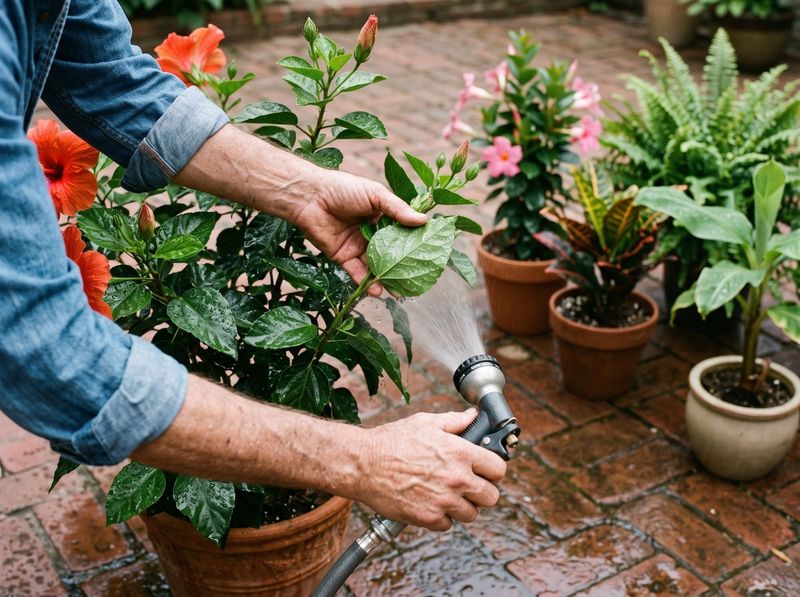
It sounds backward, but moist soil holds heat better than dry soil. Watering your mums a day or two before a hard freeze can help protect their roots.
Dry roots are more likely to suffer damage when temperatures plunge. A deep drink ahead of a cold front gives the soil extra stored warmth that slowly releases overnight.
Southern gardeners use the same trick for citrus and tender shrubs.
Timing is everything, though. Water in the morning or early afternoon so the surface dries a bit before night.
Soaking the plant right before sunset can leave leaves wet and more likely to freeze.
During the rest of winter, ease up. Dormant mums need far less water than actively growing ones.
Check the soil with your finger, and only water when the top couple of inches feel dry.
Overwatering in winter is one of the most common reasons mums fail to return. The roots simply sit too wet for too long.
Finding a balance, damp before freezes and on the drier side otherwise, gives your plants a much better chance of waking up healthy when warm weather rolls back around.
7. Cover Them on the Coldest Nights

When the weather forecast flashes a hard freeze warning, a little cover goes a long way. North Texas, the Carolinas, and inland parts of the Gulf states can see sudden dips into the low 20s.
Frost cloth is the easiest option. Drape it over the plant so it reaches the ground on all sides, then weigh the edges with rocks or bricks.
That traps heat rising from the soil.
No frost cloth handy? An old bedsheet, a cardboard box, or an upside-down bucket can work in a pinch.
Avoid plastic touching the leaves, since it can transfer cold and damage foliage.
Remove covers the next morning once temperatures climb above freezing. Leaving them on during a sunny day can cook plants or trap too much moisture underneath.
For most of Florida and South Texas, covering may only be needed a night or two each year, if at all. Still, keeping a frost cloth folded in the garage means you are ready when a surprise cold snap blows through.
It is a small, cheap habit that can help save not only mums but other tender plants around your porch and beds.
8. Skip the Fertilizer Until Spring
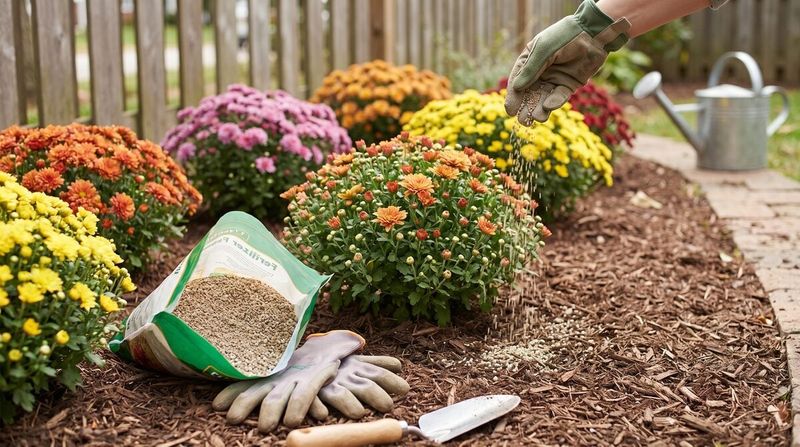
Feeding a sleepy plant is like handing someone a cup of coffee right before bed. Fertilizer in fall can push tender new growth that cold weather quickly damages.
Mums naturally slow down after blooming. Their energy shifts toward roots and survival rather than leaves and flowers.
Adding nitrogen now may interrupt that process and leave the plant weaker heading into winter.
Hold off entirely from late summer until you see healthy new shoots in spring. Then a balanced, slow-release fertilizer can give them a good start.
Feeding lightly every few weeks through early summer usually supports bushy growth.
If your soil is poor, compost is a safer fall addition. It improves texture and drainage without forcing a growth spurt.
Spread a thin layer around the plant before you mulch.
Many gardeners lose mums simply because they wanted to help too much. A plant drenched in fertilizer during November may look lush for a week, then turn mushy after the first frost.
Letting mums rest quietly through the cool months is one of the kindest and easiest things you can do. Save the feeding for when they actually need the fuel.
9. Protect Them From Deer and Rabbits

Winter forage gets scarce, and hungry deer and rabbits start wandering into yards looking for anything green. Mums are not their first choice, but tender new shoots in late winter can be tempting.
Rabbits tend to nibble shoots right at ground level, which can set a plant back badly. A simple ring of chicken wire around each mum may keep them off.
Bury the bottom edge an inch or two so they cannot slip under.
Deer pressure varies a lot across the South. Hill Country homeowners in Texas know the struggle well.
Repellent sprays with strong scents like garlic or rotten egg can help deter browsing, though they need reapplying after rain.
Planting mums near the house or in porch beds also helps. Deer often avoid areas with lots of human activity, lights, and pets.
Watch for chewed tips, torn leaves, or stems snapped off cleanly. Catching the damage early lets you add protection before the plant loses too much growth.
No method works perfectly every time, but combining a barrier with a repellent usually gives your mums a far better chance of reaching spring intact.
10. Pinch Back New Growth in Spring

Congratulations, your mums made it. Now comes the fun part that turns a leggy survivor into a full, flower-packed mound by fall.
Once new shoots reach about six inches tall, pinch off the top inch or so with your fingers. Each pinch causes the stem to branch, creating more spots for buds to form.
Repeat every few weeks.
Here in the South, stop pinching around early to mid July. Going later can delay blooms past the best fall window.
Some gardeners in Florida stop a little earlier because of the longer heat.
Fun fact: the chrysanthemum has been grown in China for more than 2,500 years, and growers there were shaping plants long before modern garden centers existed.
Spring is also a good time to divide older clumps. If the center looks woody or sparse, dig the plant up and split it into smaller sections with healthy roots.
Replant the strongest pieces.
With pinching and a little summer watering, your returning mums can rival anything sold at the store. Best of all, you will have grown them yourself, and that front porch display costs nothing next year.