
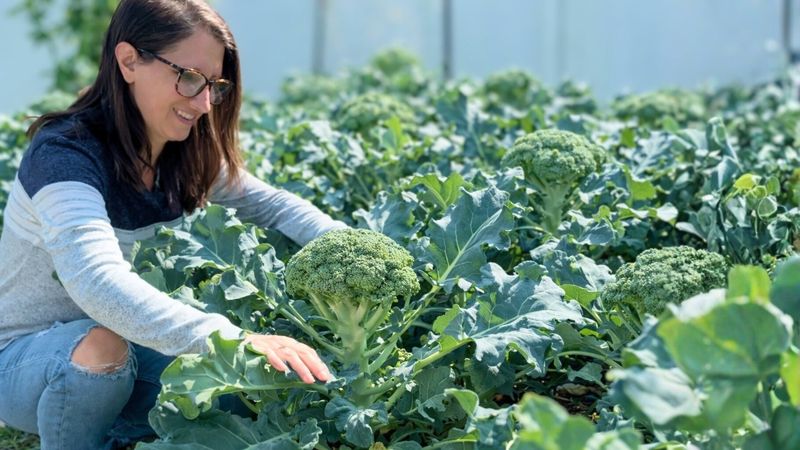
You water, feed, and watch your broccoli for weeks, and then the head starts to change right when you hoped it would keep growing. In Texas and Florida, fall warmth can shrink the best harvest window more than many gardeners expect.
Knowing what a ready head looks like helps you cut at the right moment and keep more of your crop. Here is how to read the buds, handle flowers, and plan your planting.
Warm weather can shorten the harvest window
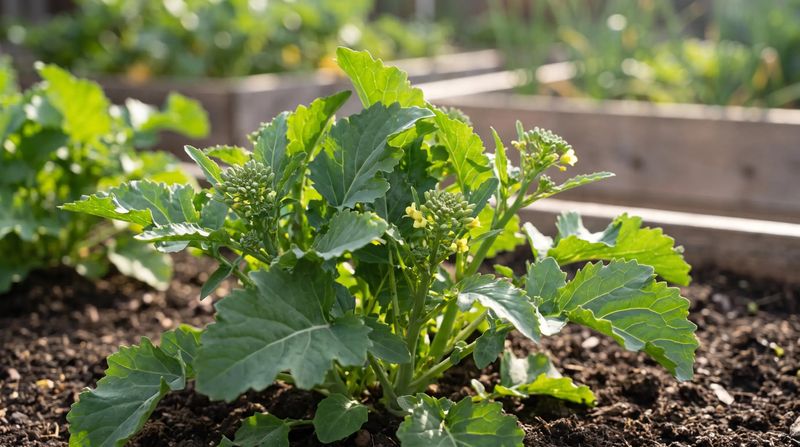
Broccoli is a cool-season crop, so heat is its weak spot. Oklahoma State Extension describes how hot weather can push cole crops to flower quickly, which means a head that looked perfect can start to loosen sooner than you planned.
Heat during head formation matters too. UF/IFAS reports that temperature spikes above 86°F while broccoli is heading can cause yield losses from head deformities.
That is a risk to watch, not a magic number that every plant will follow.
Nothing here proves a head flips to yellow flowers overnight, and a warm spell does not doom every plant. The practical lesson is simple: once a head is mature, look at it often, even daily when the weather runs warm.
Use tight buds, not a size target, to time harvest
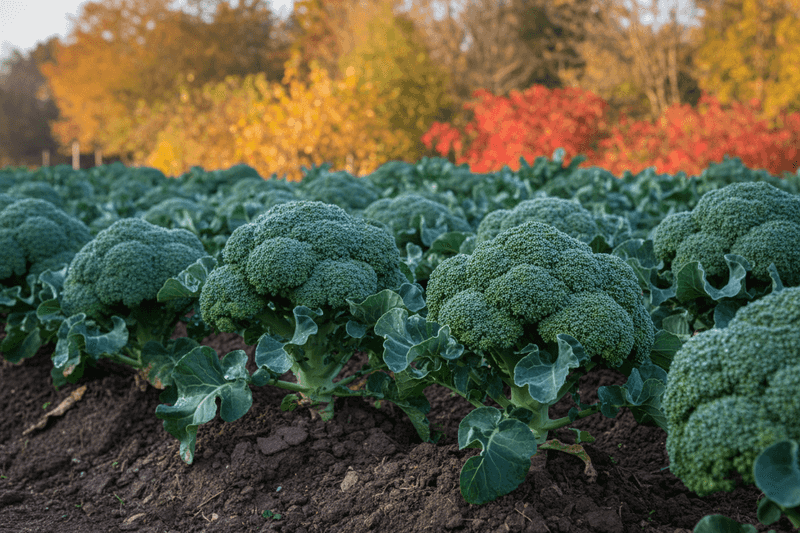
Forget the grocery-store comparison. The best test is how the head feels and looks: firm, compact, and made of tightly clustered buds.
Cut it with a few inches of stem before the buds loosen or separate.
Size really does vary. The Texas A&M fall guide gives a broad range of about 4 to 8 inches, while Illinois Extension notes central heads may be 4 to 6 inches or larger.
Variety and growing conditions explain much of that spread.
Treat those numbers as context only. If you see small gaps opening between buds, the head has hit its peak, so harvest it instead of holding out for a few more inches.
If yellow flowers open, cut the head promptly
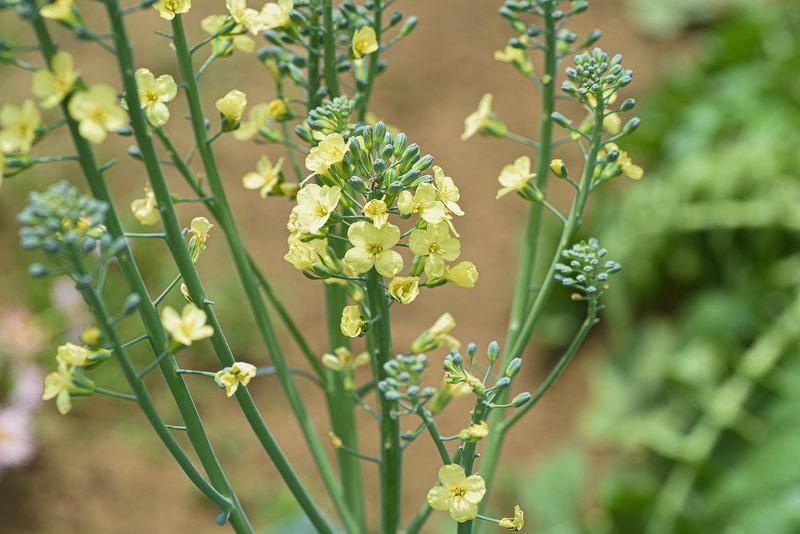
Spotting yellow petals can feel like a gut punch. Those blooms mean the head has moved past the ideal tight-bud stage, since a broccoli head is really a cluster of flower buds getting ready to open.
Cut it promptly rather than leaving it on the plant, as the Texas A&M guide advises. The plant is not necessarily lost.
A flowering head can often still be eaten, according to Illinois Extension, though it may not taste as good as a tight head. Try a small bite before cooking a big batch, and trim off any open blossoms you do not like.
Leave the plant to see whether side shoots form
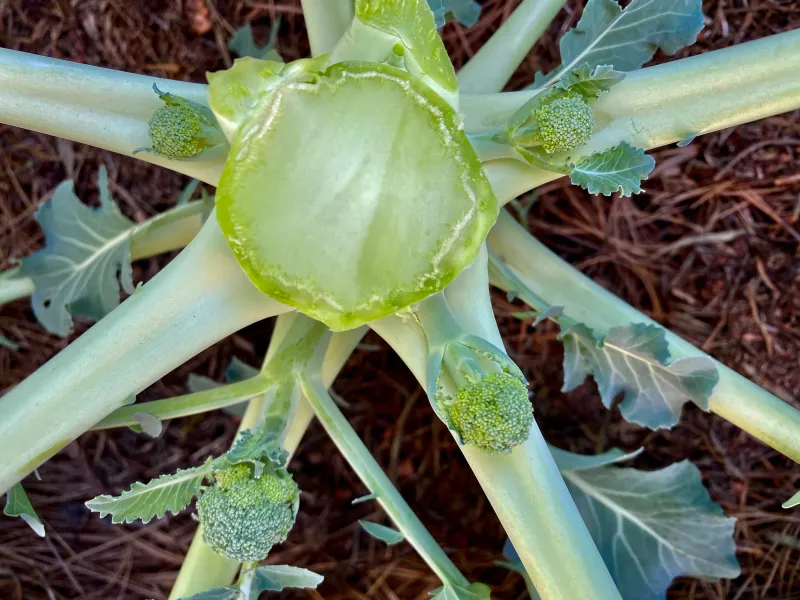
After the main head comes off, resist the urge to pull the plant. Many broccoli plants send out smaller side shoots where the leaves join the stem, and Illinois Extension says these can give extra harvests over several weeks.
Results differ, though. N.C.
Cooperative Extension notes that some varieties are weak side-shoot producers or make none, and mild conditions favor continued growth.
So think of side shoots as a possible bonus. Cut them while the buds are still tight, just as you did with the main head, and see what your plants decide to do.
Texas and Florida planting dates depend on region
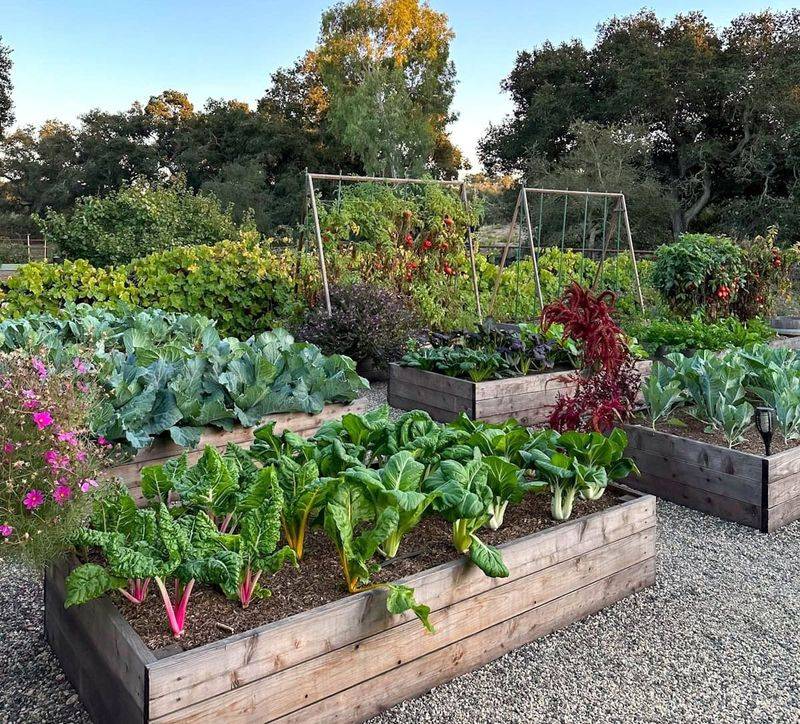
Neither state is a single climate, so treat planting dates as starting points. Texas A&M lists August through October for central Texas, with harvest generally October through December.
For Florida, the UF/IFAS gardening guide lists September through February in north and central Florida, and October through January in south Florida.
These windows are guides, not guarantees for every garden or every year. Microclimates and seasonal swings matter, so check with your county Extension office for dates that fit your area.
Make the next garden check count
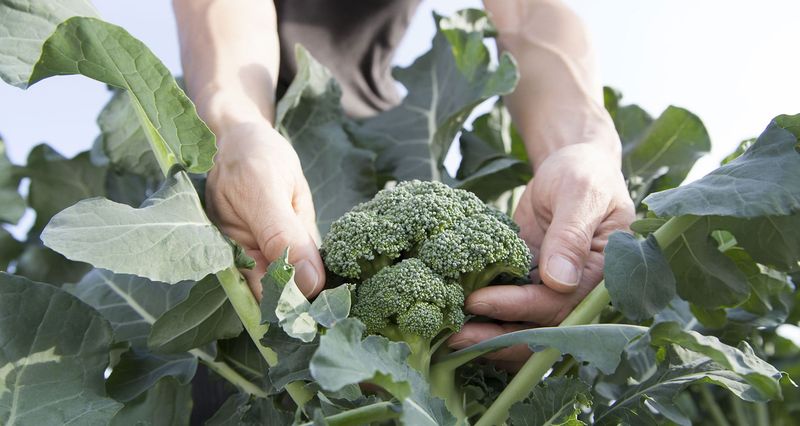
Walk the bed often when the weather runs warm, and press lightly on mature heads to check for firmness. If the buds are tight and compact, cut the head, then leave the plant so side shoots have a chance to form, as some varieties do.
Broccoli rewards the gardener who shows up, not the one who waits.