
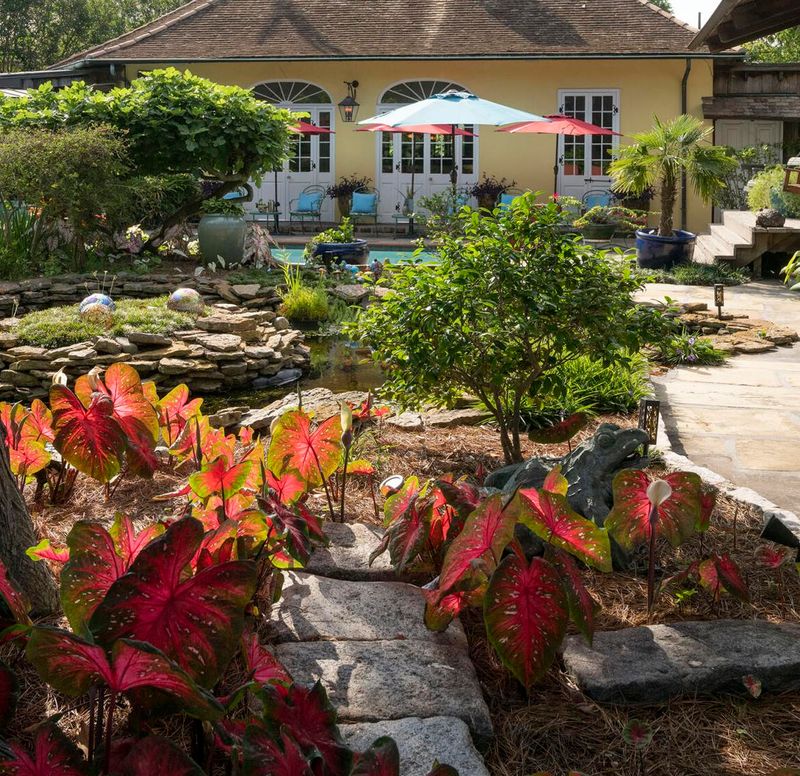
Every Southern yard seems to have one spot that gets morning sun, then sits in shade the rest of the day. Many sun-loving flowers sulk there, and true shade plants can scorch when the light hits.
The good news is that a whole group of bloomers actually prefers this in-between light, especially in hot places like Florida and Texas. Here are 14 that can turn that awkward corner into the part of the yard people notice first.
1. Oakleaf Hydrangea
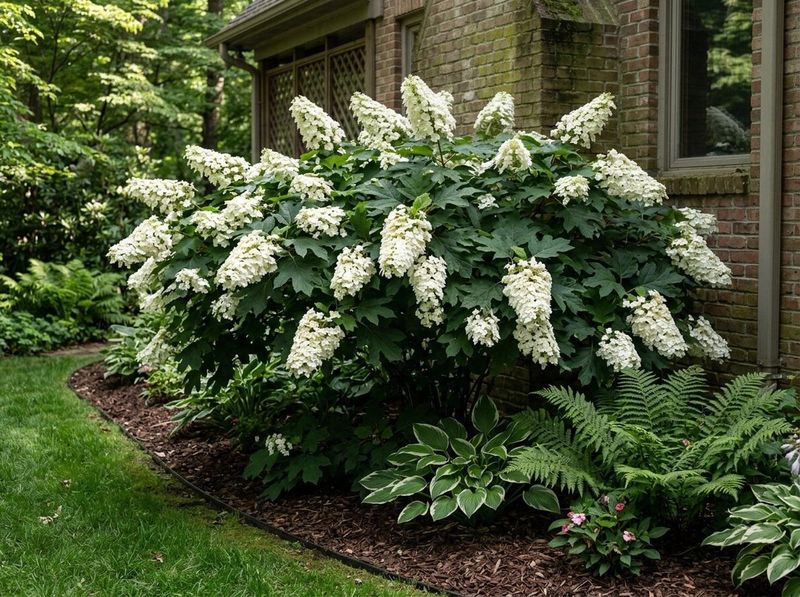
Native to the Southeast, oakleaf hydrangea grew wild along shady creek banks long before anyone planted it beside a patio. That history explains why it handles Southern heat better than most of its fancy cousins.
It wants morning sun and afternoon relief, which is exactly what a half-shaded corner offers.
Big cone-shaped white blooms open in late spring and slowly fade to pink and rose. Then fall arrives, and the oak-shaped leaves turn burgundy and bronze.
Even in winter, the peeling cinnamon bark gives the corner something to look at, so the shrub earns its space all year.
Most full-size types reach six to eight feet, so give them room or pick a compact variety like Ruby Slippers or Sikes Dwarf. They prefer soil that drains well, since soggy roots can lead to rot in heavy clay.
Mixing in pine bark or compost at planting time often helps a lot in Texas and Gulf Coast gardens.
Water deeply the first summer while roots settle in. After that, many established plants get by on rainfall except during long dry spells.
Prune right after flowering, because next year’s buds form on this year’s stems.
2. Firespike
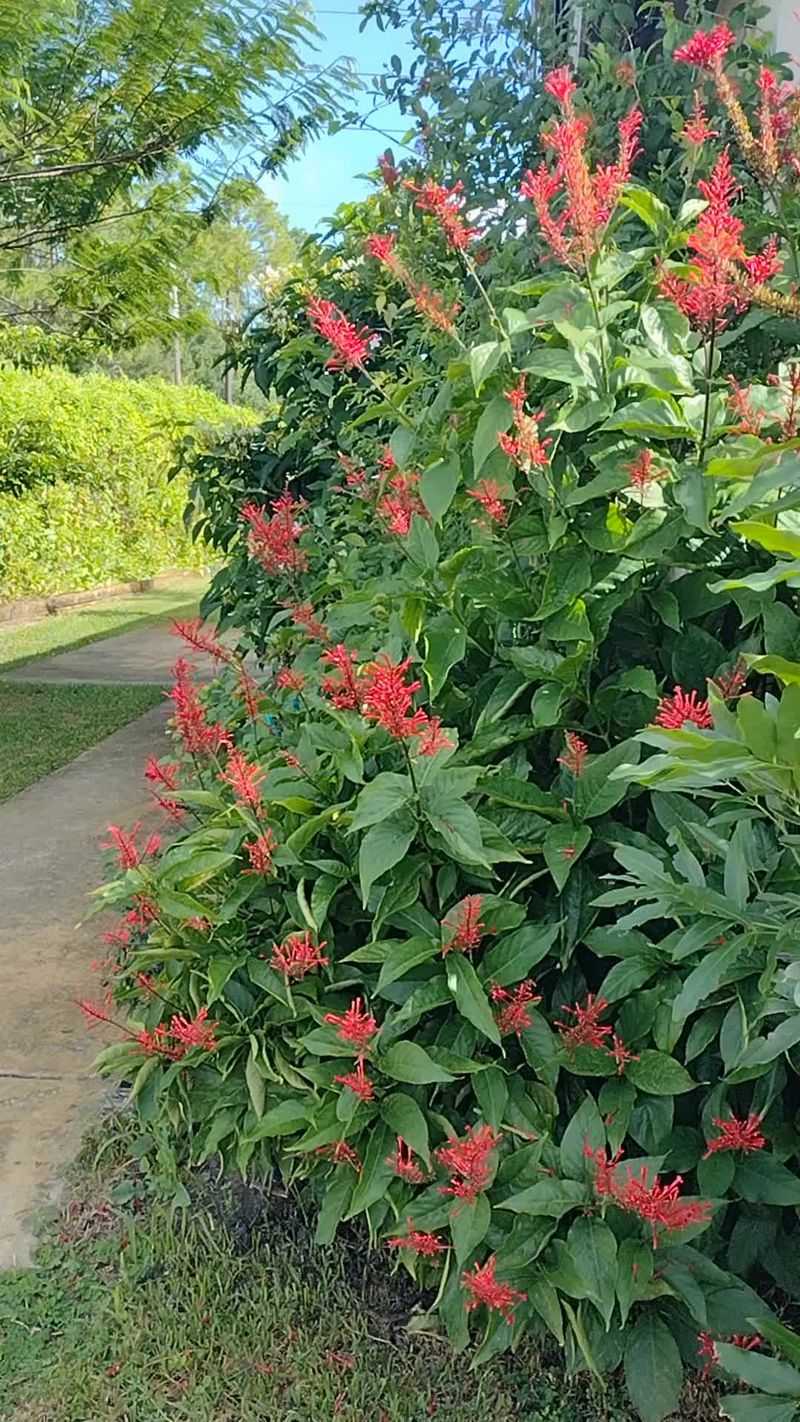
Hummingbird fans, pay attention. Firespike throws up spikes of scarlet tubular flowers in late summer and fall, right when migrating hummingbirds are passing through Florida and the Gulf Coast.
Butterflies like it too, so the corner suddenly gets busy.
The glossy, deep green leaves look tidy all season, which matters because the plant does not bloom until the days start getting shorter. Bright shade or a spot with a few hours of morning sun seems to suit it best.
Too much harsh afternoon light can bleach the foliage and stress the plant.
In Central and South Florida, firespike behaves like an evergreen shrub reaching four to six feet. Farther north, around North Florida or Houston, a frost may knock it to the ground, but it usually sprouts back from the roots in spring.
A layer of mulch over the root zone in winter can improve its odds.
Care is refreshingly simple. Give it average garden soil, steady water during dry stretches, and a hard trim in late winter to keep it bushy.
Cuttings root easily in a glass of water, so one plant can turn into a whole row along a fence before long.
3. Turk’s Cap
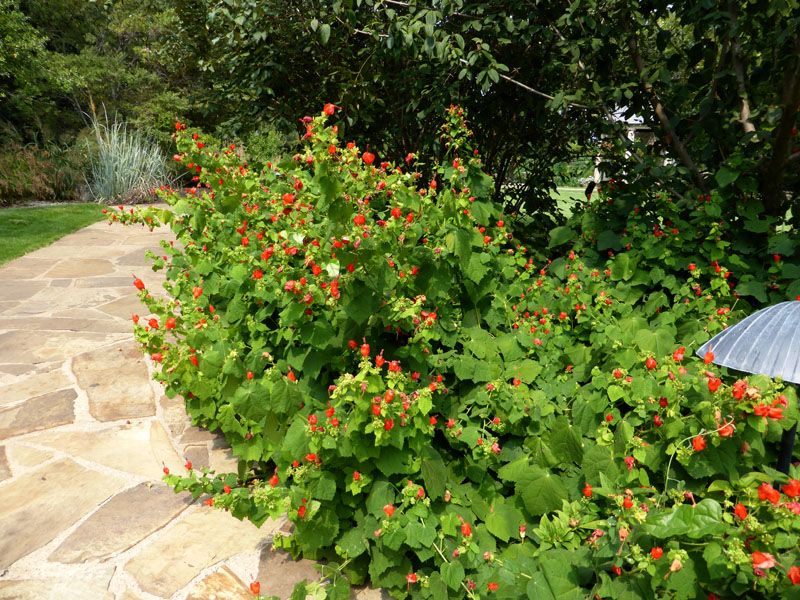
Picture a hibiscus flower that refuses to open all the way. Turk’s cap keeps its red petals swirled like a tiny turban, and that odd shape is perfectly built for hummingbird beaks.
It is a Texas native that shrugs off heat, drought, and the sort of neglect that kills fussier plants.
Few flowering shrubs handle dry shade under live oaks as well as this one. It blooms in full sun, too, but the leaves stay greener and fresher when afternoon shade softens the light.
Flowers appear from late spring until frost, giving the corner color through the hottest months.
Plants usually grow three to five feet tall and spread by underground roots. In a small corner that spreading habit can get pushy, so plan to dig out extra shoots now and then.
Many gardeners simply share them with neighbors.
Once established, Turk’s cap often needs water only during long droughts. Cut it back hard in late winter to keep it dense.
Small red fruits follow the blooms, and birds tend to snack on them. Pink and white forms exist if red does not match your color scheme.
4. Azalea
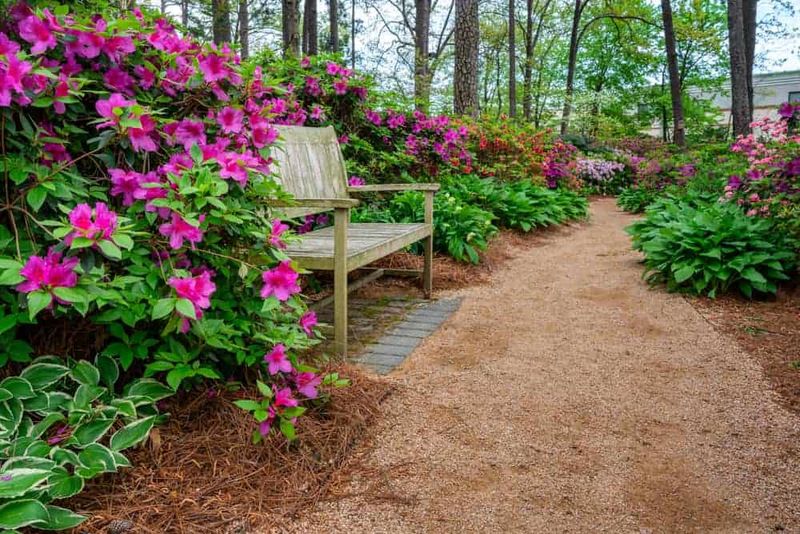
Spring in the Deep South practically belongs to azaleas. From Mobile to Tallahassee, entire neighborhoods glow pink, white, and magenta for a few weeks, and the shrubs doing that work almost always sit under tall pines or oaks.
Filtered light is the secret. Azaleas like bright mornings and shelter from blistering afternoon sun, which can scorch leaves and dry out their shallow roots.
Encore and other reblooming types add a second flush of flowers in late summer or fall.
Soil matters more than anything else here. Azaleas want acidic, loose, well-drained ground, so they thrive in much of the Southeast but may struggle in the alkaline soils common around Central Texas.
Gardeners there often grow them in raised beds or large containers filled with an acidic mix.
Keep a few inches of pine straw over the roots to hold moisture and cool the soil. Water during dry spells, since shallow roots dry quickly.
Prune only right after spring flowering, or you may cut off next year’s buds. Yellow leaves with green veins can point to an iron problem, which an acid-loving plant fertilizer may help correct.
5. Pentas
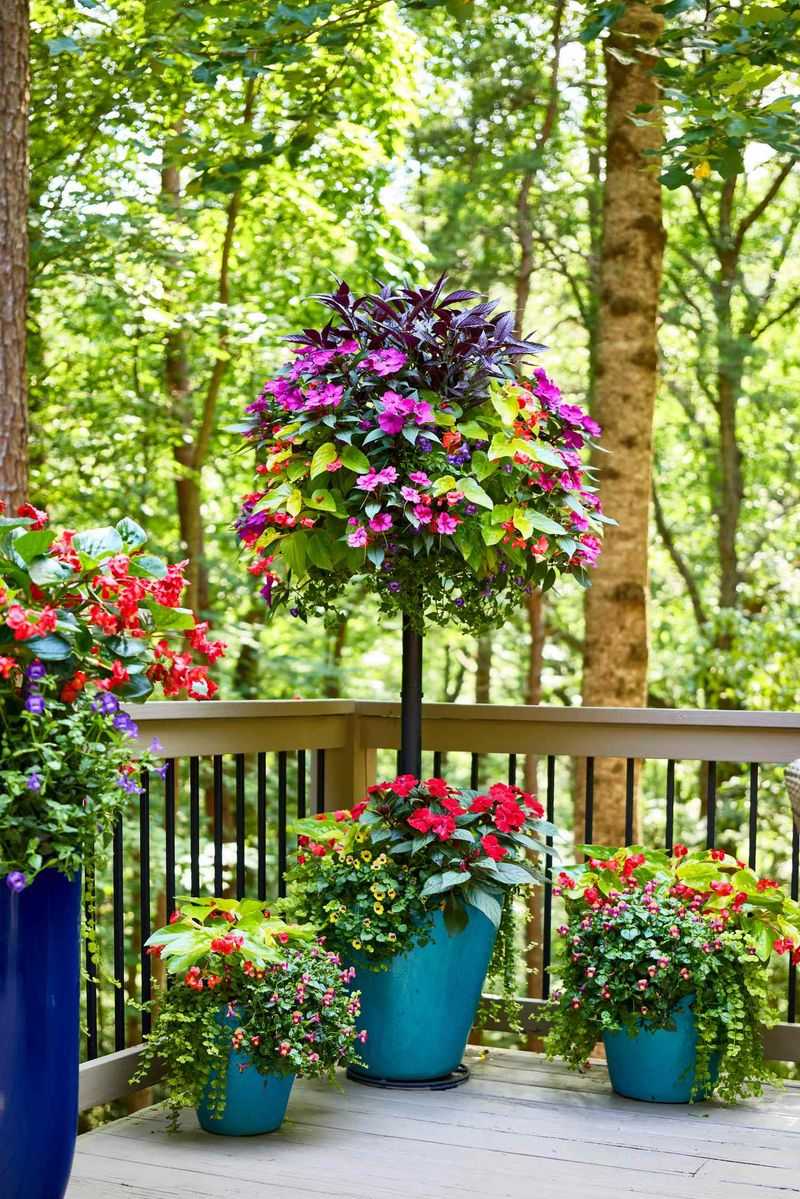
Butterflies treat pentas like an all-you-can-eat buffet. Each flower head holds dozens of tiny star-shaped blooms in red, pink, lavender, or white, and swallowtails seem to find them within days of planting.
Many people grow pentas in full sun, yet in Florida and South Texas summers, a few hours of afternoon shade often keeps them blooming harder and wilting less. That makes them a smart way to bring steady color to the brighter edge of a half-shaded spot.
In very dim shade, though, flowering drops off, so aim for at least four hours of light.
They are perennial in South Florida and grown as warm-season annuals in cooler parts of the South. Plant them after the last frost and they may bloom nonstop until fall.
Pinching off spent clusters encourages fresh ones.
Choose heat-bred lines like Lucky Star or Butterfly series for compact, sturdy plants. Water when the top inch of soil feels dry, and feed lightly once a month during the growing season.
Mixing several colors together creates a cheerful patchwork that looks like it took far more effort than it did.
6. Gardenia
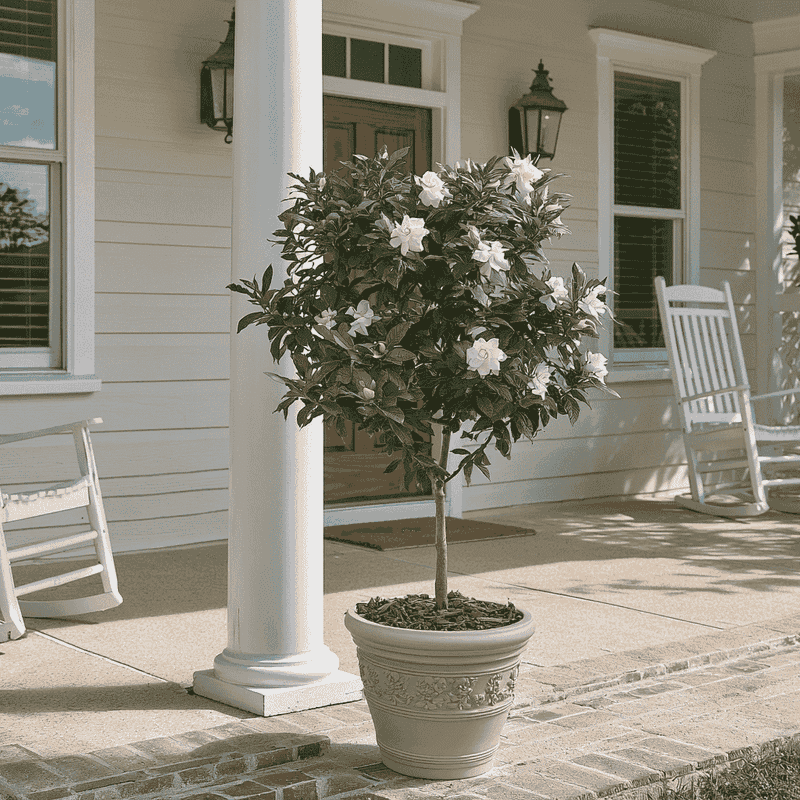
Ask anyone raised in the South to name a summer smell, and gardenia comes up fast. One open flower can perfume a whole porch on a warm June evening, and planting it near a door or window lets you enjoy that scent every time you walk by.
Morning sun with afternoon shade usually gives the best results. Full afternoon sun in Texas or Florida can yellow the leaves and dry out buds, while deep shade cuts back on blooms.
A half-shaded corner near the house often hits that sweet spot.
Gardenias are picky about soil. They need acidic ground that stays evenly moist but never soggy.
Bud drop, a common frustration, can follow sudden dry spells or big temperature swings, so steady watering really pays off.
Watch the undersides of leaves for whiteflies and scale, which can cause sooty black mold on the foliage. Horticultural oil may help keep those pests in check.
Varieties like August Beauty bloom over a long season, while Radicans stays low enough for the front of a bed. Fertilize with an acid-loving plant food in spring and again in early summer.
7. Shrimp Plant
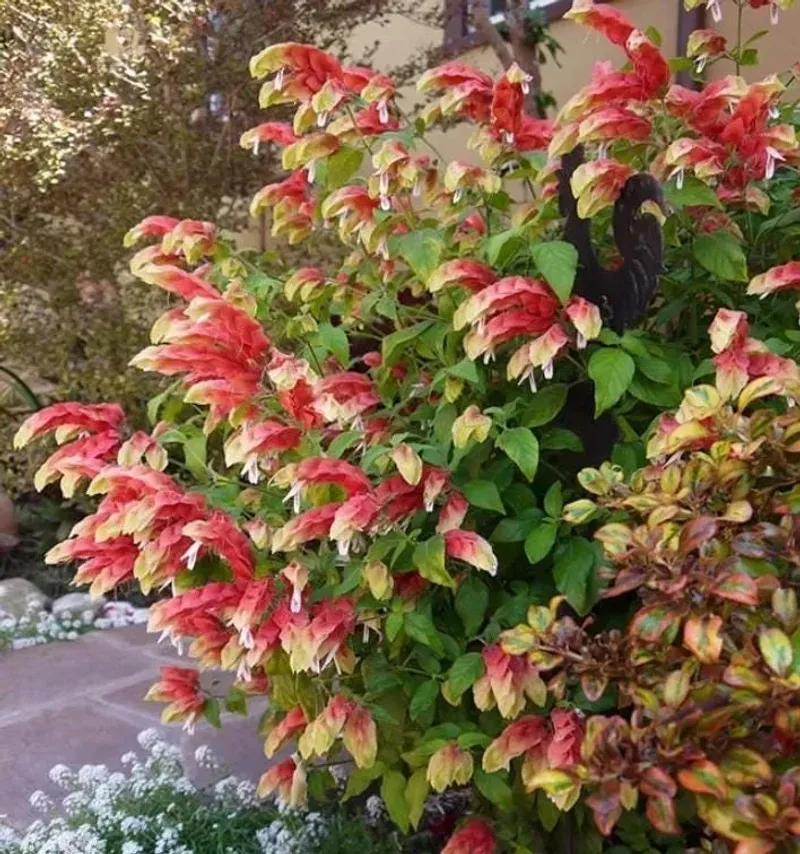
Kids usually laugh the first time they see it. The arching salmon-colored bracts really do look like boiled shrimp dangling from the stems, and the small white flowers poking out are a favorite of hummingbirds.
Shrimp plant blooms nearly year-round in frost-free parts of Florida and fades back during winter elsewhere along the Gulf Coast. Bright shade or morning sun suits it nicely.
In harsh afternoon sun, the bracts can fade and the leaves may look washed out.
Plants grow two to three feet tall and fill in quickly, making them handy for covering bare ground beneath taller shrubs. Yellow-bracted forms brighten dim spots even more than the classic salmon.
Mixing both colors gives a fun two-tone effect.
Trim stems back by about a third whenever the plant gets leggy, which can be a few times a year in warm areas. Water during dry stretches and add a balanced fertilizer in spring.
In parts of Texas and North Florida where hard freezes happen, a layer of mulch may help protect the roots so the plant returns. Cuttings root easily if you want backups.
8. Caladium
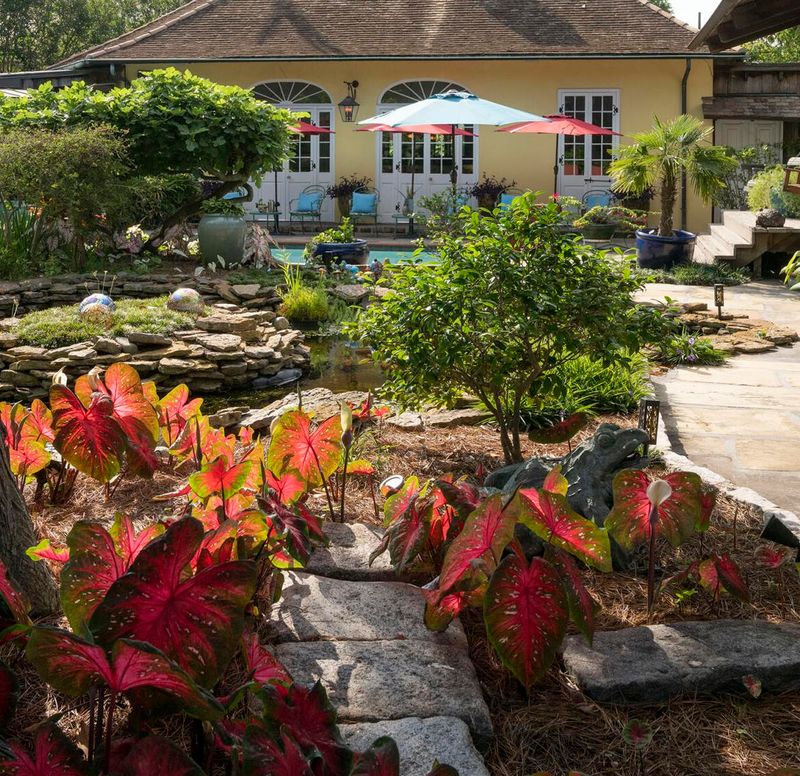
Strictly speaking, caladiums are grown for leaves, not flowers. Still, those heart-shaped leaves splashed with pink, red, white, and green deliver more color from June to October than many bloomers.
Lake Placid, Florida, grows most of the world’s caladium bulbs, which says a lot about how much they like Southern heat.
Shade-tolerant types such as Candidum and many fancy-leaf varieties glow in dim corners. Newer sun-tolerant strap-leaf types can handle more light, so match the variety to how bright your corner is.
Wait until the soil is truly warm, around 70 degrees, before planting tubers. Cold, wet ground often causes them to rot.
In much of Florida and Texas, that means late April or May.
Plant knobby side up about two inches deep, and keep the soil moist but not soggy. A sprinkle of slow-release fertilizer keeps the leaves big.
In South Florida they may come back on their own, while farther north many gardeners dig tubers in fall or treat them as annuals. A sweep of white caladiums under a tree can make the shade look lit from inside at dusk.
9. Louisiana Iris
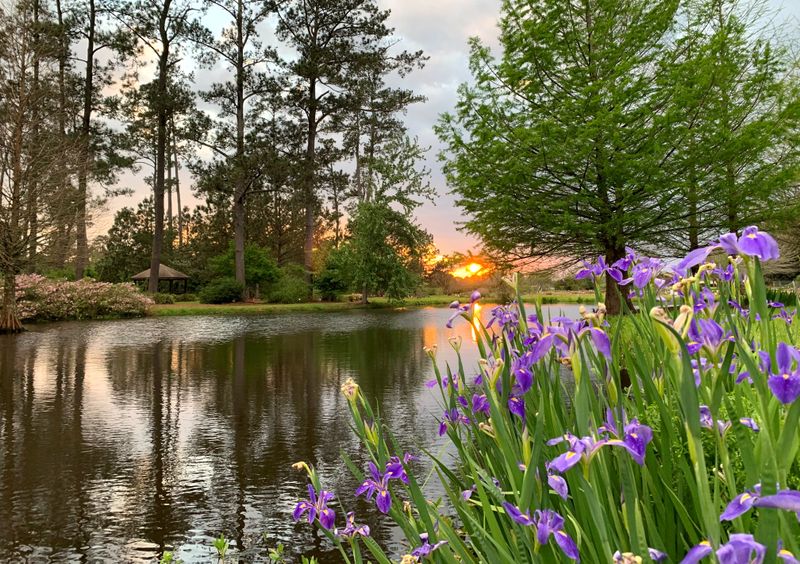
Got a low spot where water lingers after storms? Louisiana iris was born for it.
These natives grow wild in Gulf Coast swamps and bayous, and they bring big, flat blooms in purple, blue, red, yellow, and white each spring.
Half a day of sun usually produces solid flowering, so a corner with morning light works well. In deeper shade, plants stay green but bloom less.
Unlike bearded iris, which hates wet feet, these thrive in moist or even boggy soil.
That makes them a great match for rain gardens, pond edges, or the drip line of a roof. They also do fine in regular garden beds as long as you water during dry spells.
Plant rhizomes in fall, just below the soil surface, and keep them moist. Many go semi-dormant in the heat of late summer and look a bit ragged, which is normal.
A mulch of pine straw can help keep the rhizomes from getting sunscald. Divide crowded clumps every few years in early fall.
Hybrids come in surprising colors, from rusty copper to near black, so collecting them can become a hobby.
10. Plumbago
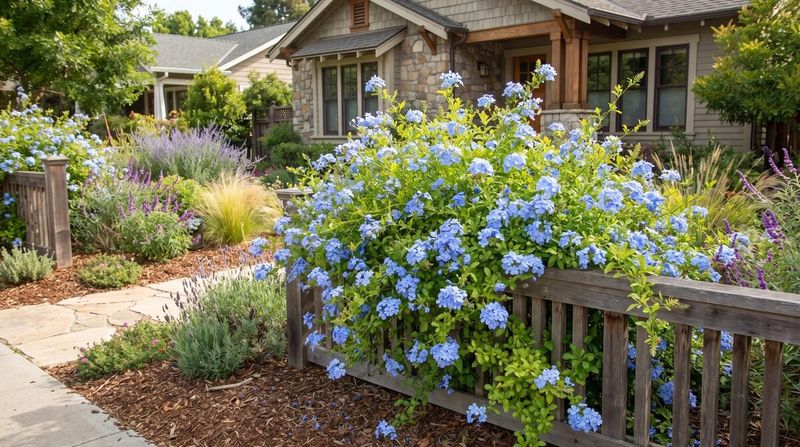
Cool blue is rare in a hot Southern garden, which is why plumbago stands out. Its clusters of sky-blue flowers look like a breath of fresh air in July, when most beds are full of red and orange.
Plumbago blooms most in sun, yet it handles part shade better than people expect, especially in Florida and South Texas where afternoon shade spares it from midday stress. Expect fewer flowers in heavy shade, but the corner can still stay bright.
The shrub grows into a loose, mounding plant three to six feet wide that can drape over walls or spill across a bed edge. That relaxed shape softens hard lines like fences or foundations.
Butterflies, including some small sulphurs and hairstreaks, visit often.
Once rooted, plumbago tolerates drought and poor soil. Prune hard in late winter to keep it full, since new growth carries the blooms.
A frost may knock it back in North Florida or Central Texas, but it usually regrows from the base. White forms like Alba pair nicely with the blue for a calm look near a patio or seating area.
11. Cuphea
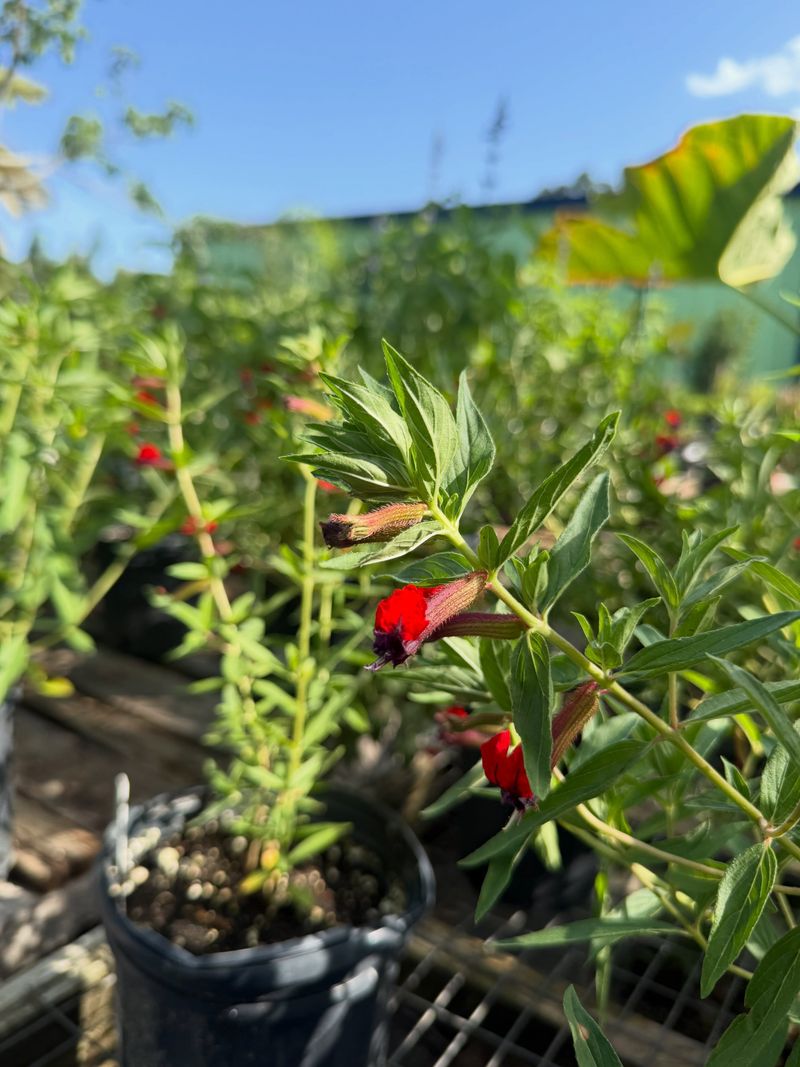
Look closely at a bat-face cuphea flower and you will see a tiny purple face with red ears staring back. That little quirk makes it a hit with kids, while hummingbirds and bees enjoy the steady supply of nectar.
Cuphea comes in several forms, including Mexican heather with its tiny lavender flowers and cigar plant with orange tubes tipped in white. All of them handle heat beautifully and tend to keep flowering from spring until frost.
Part shade usually works fine, especially four to six hours of morning sun.
Most types stay one to three feet tall, so they fit well along edges, in pots, or tucked in front of taller shrubs. Their small size lets you squeeze color into tight spots near steps or porches.
Water regularly during the first few weeks, then ease off, since established plants handle short dry spells. Trim lightly in midsummer if they get leggy.
In South Florida and the Rio Grande Valley they often grow as perennials. Elsewhere, they may return after mild winters or can be replanted each spring at low cost.
12. Coral Honeysuckle
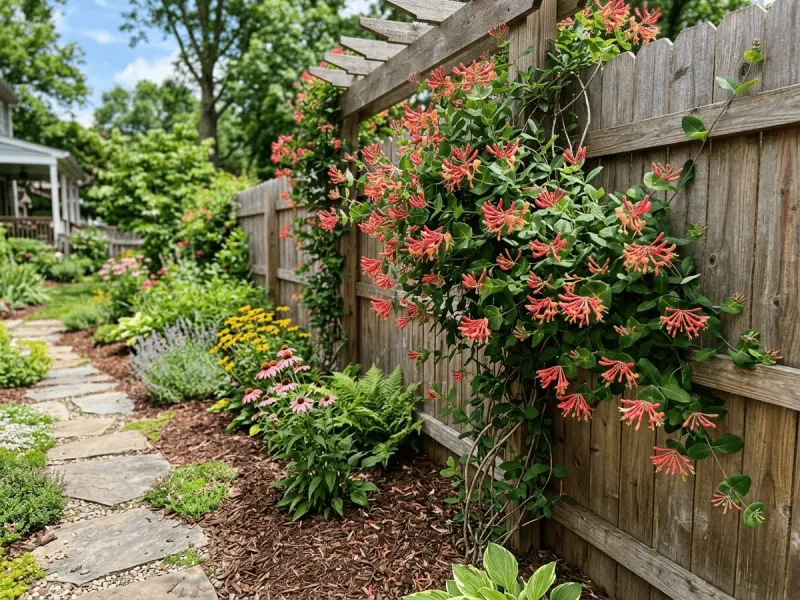
Not every honeysuckle deserves a spot in your yard. The Japanese kind can swallow fences and woods, but coral honeysuckle is a well-behaved native vine that stays where you put it.
Clusters of coral-red tubular flowers appear in spring and often return in smaller flushes through summer and fall. Hummingbirds rely on it in early spring when few other flowers are open.
Red berries later feed songbirds.
Half a day of sun is usually enough for decent flowering. Train it up a trellis, mailbox post, or fence along a shaded corner and you add height, which many part-shade beds lack.
It reaches about ten to fifteen feet but is easy to trim.
The vine is evergreen in much of Florida and the Gulf Coast and semi-evergreen farther north. It handles a range of soils and tolerates some drought once settled.
Powdery mildew can show up in humid, crowded spots, so give it decent airflow. Varieties like Major Wheeler or Alabama Crimson tend to bloom heavily.
Yellow-flowered forms also exist if red feels too bold.
13. Impatiens
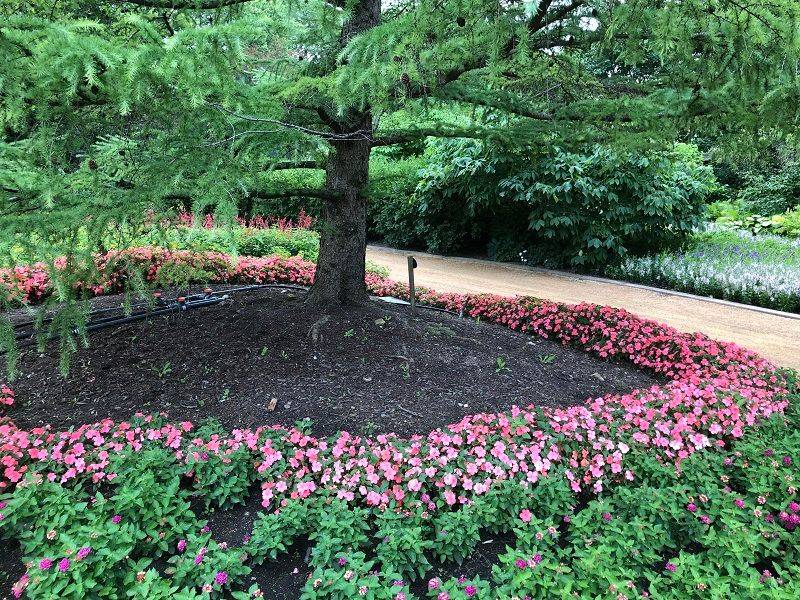
Grandma probably grew them by the dozens. Impatiens were once the go-to shade flower across the South, and they still deliver nonstop color in places where little else blooms.
A few years back, downy mildew wiped out many beds of common impatiens. Newer disease-resistant series such as Beacon and Imara often hold up much better, making old-fashioned shade borders possible again.
New Guinea impatiens and SunPatiens, bigger cousins with bolder leaves, can handle more light.
Shade with a little morning sun suits regular impatiens. In Florida and Texas, plant them in fall for winter and spring color, or in early spring before summer arrives.
Peak summer heat can wear them down, so think of them as a cool-season treat in hotter zones.
Keep soil evenly moist. Impatiens wilt dramatically when thirsty, then often perk up quickly after watering.
Avoid splashing leaves late in the day to lower disease risk. Feed every few weeks with a liquid fertilizer for the fullest look.
A sweep of one color tends to look more polished than a mix, especially under a tree near the front walk.
14. Hummingbird Sage
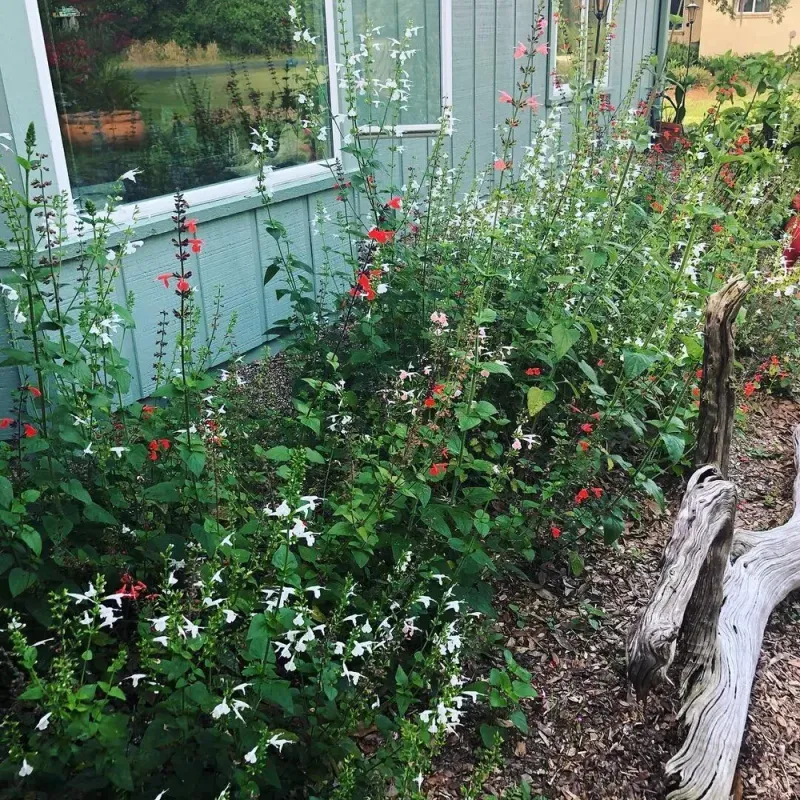
Here is a native that practically plants itself. Tropical sage, also called scarlet sage or Salvia coccinea, grows wild from Florida to Texas, and once you have it, seedlings tend to pop up nearby each year.
Slender spikes of red, pink, or white flowers bloom from spring until frost. Hummingbirds visit constantly, and bees and butterflies stop by too.
It handles part shade well, flowering nicely with just a few hours of sun.
Plants grow two to three feet tall with an airy, informal look. That loose habit fits cottage beds and wildlife gardens better than formal designs.
Coral Nymph, a pink-and-white form, adds a softer touch.
Care is very low. It tolerates sandy Florida soil and Texas clay alike, and once established, it usually needs water only in long dry spells.
Shear plants back by half in midsummer if they flop, and new flowers often follow within weeks. Let a few late seed heads remain if you want volunteers, or pull extras in spring.
For a native, affordable, wildlife-friendly finish to a half-shaded corner, few plants make it this easy.