
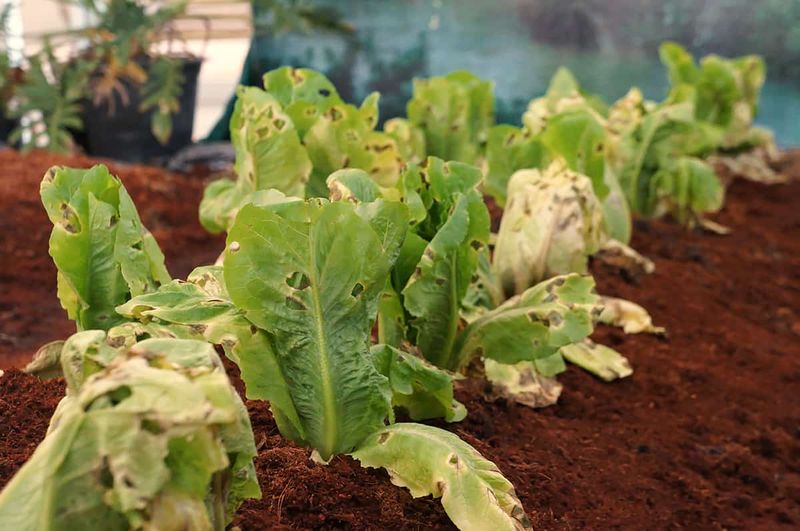
You walk out to your fall lettuce bed and find leaves full of holes, some of them nearly see-through. Several pests can do this, and caterpillars are one of the common suspects in Southern gardens.
A flashlight check after dark is a smart way to catch whatever is feeding. Here is how to read the clues, look in the right places, and respond without guessing.
Lacy leaves do not identify the culprit
Picture a row of young romaine with leaves chewed into ragged lace. Caterpillars are a credible cause.
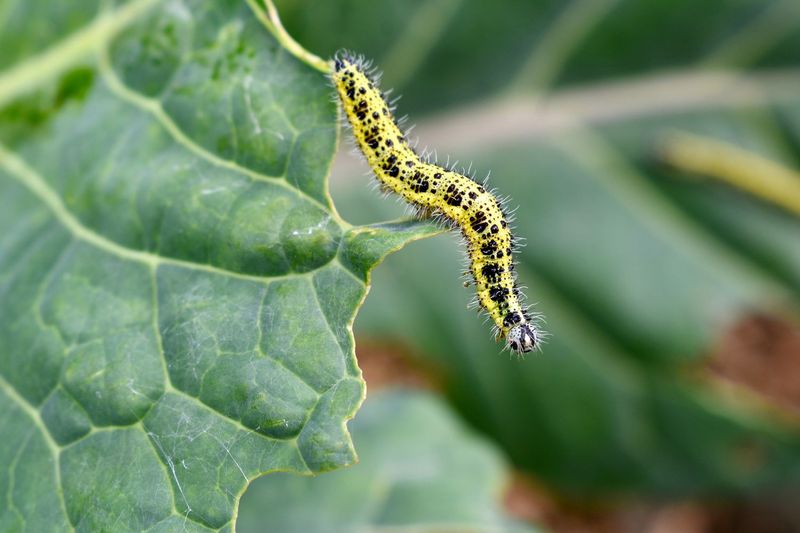
UF/IFAS lists beet armyworms, cabbage loopers, cutworms, and other caterpillars among the pests of Florida lettuce, and Texas A&M AgriLife notes that beet armyworms feed on lettuce.
Fall is a sensible time to look for them. NC State Extension says caterpillars are often the most troublesome pests of fall lettuce.
That does not mean every Southern garden has the same problem.
Holes alone cannot name the pest. Slugs, beetles, other caterpillar species, and even disease can leave similar damage, and a hole does not tell you what time the feeding happened.
Figure out what is chewing before you spray or pull anything. The next sections show how.
Compare the damage clues
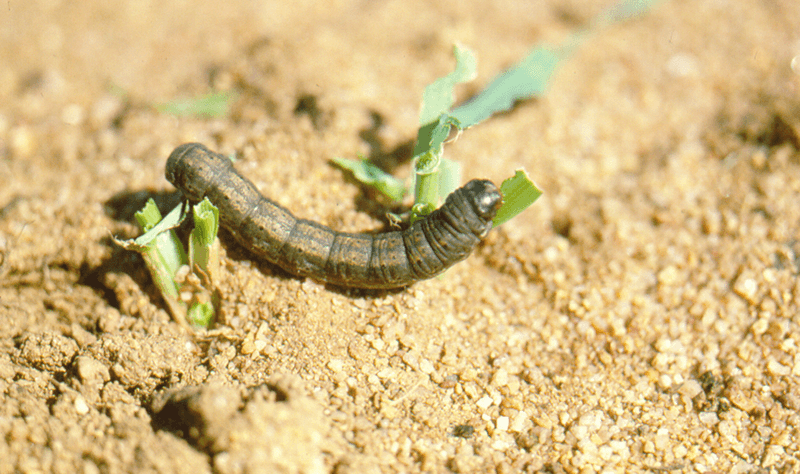
Each pest tends to leave its own signature, though none of these clues is proof by itself. Cutworms more often cut seedlings off or sever leaf stalks near the soil.
Young larvae may still feed on leaves, so a few holes do not rule them in or out.
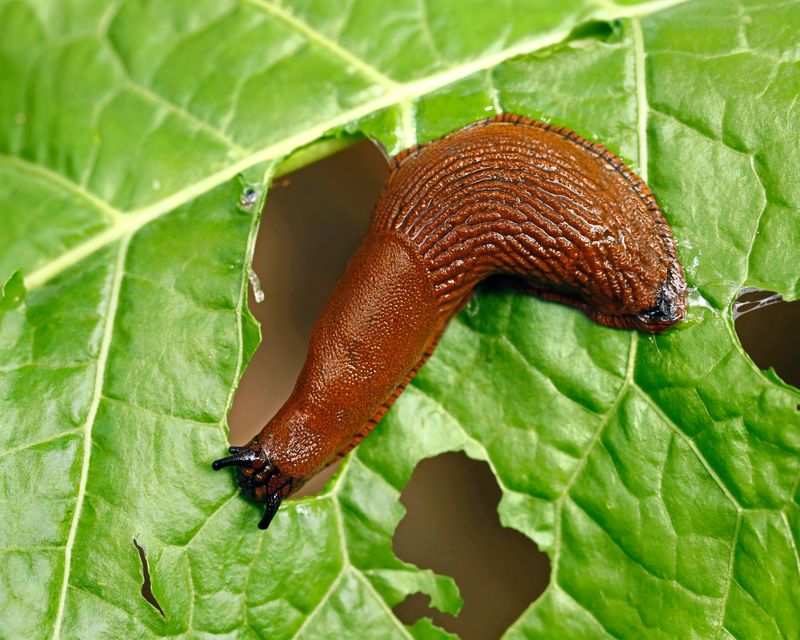
Slugs make ragged holes and leave shiny mucus trails, as described in UMass Extension’s slug guide. They like damp spots, so check beds that stay wet after watering or rain.
Flea beetles make smaller, shallow shot holes, often many on one leaf. Disease can also create holes when damaged tissue dries up and drops out, a possibility covered in University of Minnesota Extension’s lettuce hole guide.
Use these patterns to narrow the list of suspects. Then go find the actual pest, because that is the only way to be sure.
Use a flashlight to inspect leaves and nearby soil
Head out at dusk or after dark with a flashlight. Many pests are easier to spot then, though that does not prove when the damage happened.
Start with the undersides of leaves, then look into the crown where the leaves meet the soil.
Next, check the soil surface and any mulch, leaf litter, or plant debris near damaged plants. Cutworms hide in soil or debris during the day and are often found on plants at night, according to NC State Extension.
Gently scratch the top inch or so of soil around a cut plant.
Look for clues along the way. Small dark droppings, called frass, support a caterpillar diagnosis but will not tell you the species.
Shiny slime trails point toward slugs, which also hide during the day, as UMass Extension explains.
Not every pest hides in the same spot, so cover the whole bed. If you find nothing, try again another night.
Handpick visible caterpillars and inspect again
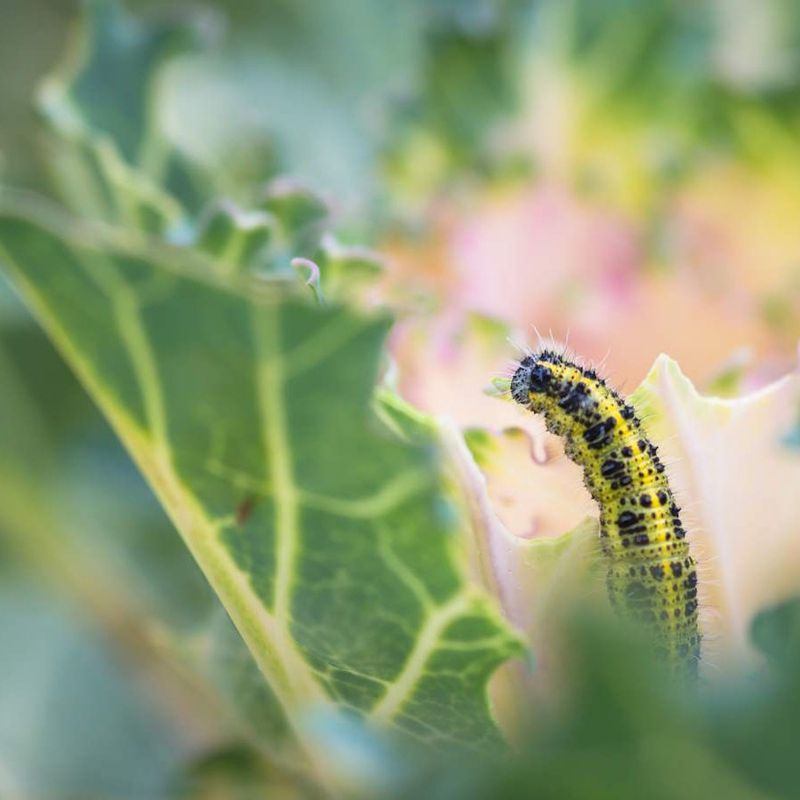
In a small bed, handpicking is a practical first move. Pluck each caterpillar you find and drop it into a jar of soapy water.
Wear gloves if you like, and work slowly along each row so you do not miss the ones tucked into the crown.
UMass Extension lists handpicking as an option for caterpillars in home gardens. Cornell IPM likewise points to hand removal for cutworms in small plantings.
Plan on repeat visits. Larvae are easy to miss, and new ones may show up.
Checking again over the next several evenings gives you a better read on whether numbers are dropping.
Handpicking can help when the problem is small, but it will not guarantee quick control. A bed that is already heavily damaged may not bounce back.
Check the pest and label before using a pesticide

If handpicking is not enough, identify the pest before you buy anything. A product that works on one caterpillar may do little to another.
Choose only a product whose label lists lettuce and your target pest.
The U.S. EPA’s guidance says to read the label first.
Follow every direction on it, including application rates, protective equipment, re-entry times, and the wait before harvest. Lettuce is eaten fresh, so the harvest wait matters.
Do not assume one caterpillar product covers every culprit. UF/IFAS notes that Bt kurstaki is not very effective against cutworms.
If cutworms are what you found, that product may disappoint you.
When you are unsure what you are looking at, take a clear photo or a specimen to your county Extension office before spraying.
Keep scouting without assuming the bed is saved
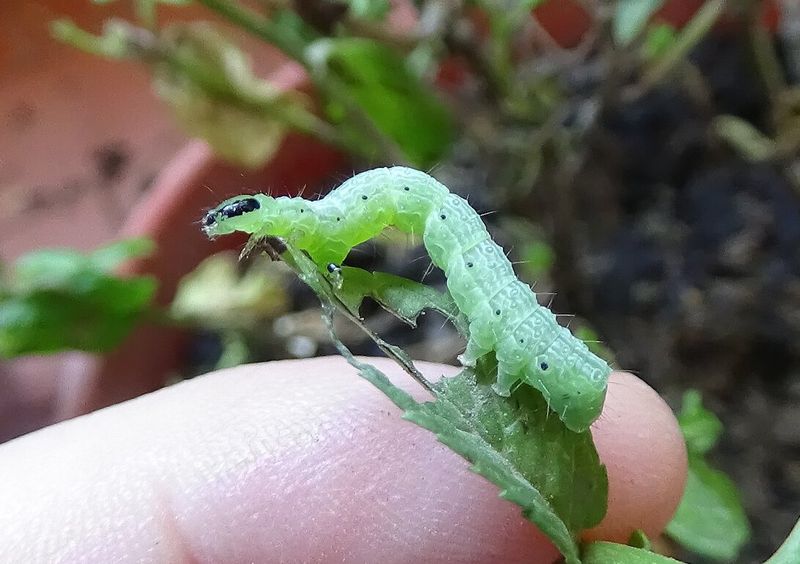
Let the damage clues guide your search, then check leaves, crowns, and nearby soil or debris with a flashlight. Handpick what you find if the infestation is small, and look again over the next few nights, as Cornell IPM suggests for cutworms.
These steps can help you respond to pests you can see, but they cannot promise the damage will stop. Some leaves will stay chewed, and the best you can do is protect the ones still growing.
A flashlight will not fix a bed, but it will tell you what you are really fighting.