
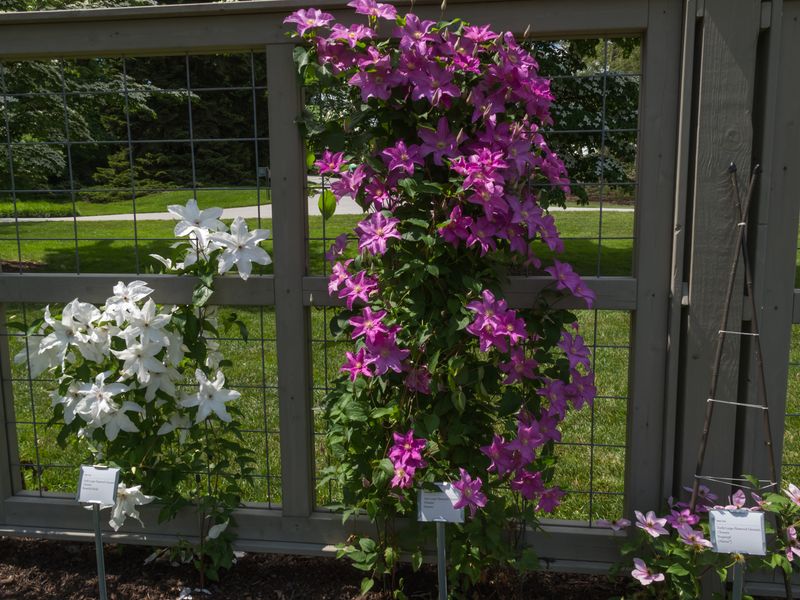
Many gardeners hear that fall is the time to cut clematis back hard. For a lot of vines, that cut can remove the very stems that carry next spring’s flowers.
A better fall job is figuring out exactly which clematis you have. Once you know that, every cut you make later has a purpose.
What should you do for clematis this November?
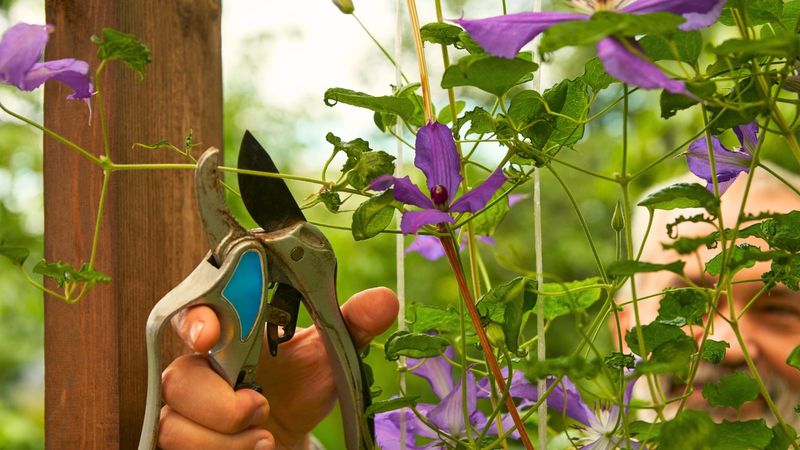
Put the pruning shears down for now and pick up a notebook instead. The most useful November job is finding your plant tag or cultivar name and writing it down.
If the tag is long gone, check your purchase records or photos from the nursery.
A blanket fall cut can backfire. University of Illinois Extension explains that clematis fall into pruning groups based on when and where they flower, and the Royal Horticultural Society’s pruning guide notes that some types carry flowers on older stems.
Cut those stems off in fall and you may remove spring flowers before they form.
Florida readers should take extra care with names. UF/IFAS lists Clematis terniflora as a high invasion risk in Florida.
The native Clematis virginiana is sometimes sold under the same common name, so confirm the botanical name before you plant or keep one.
Flowering wood determines the cut
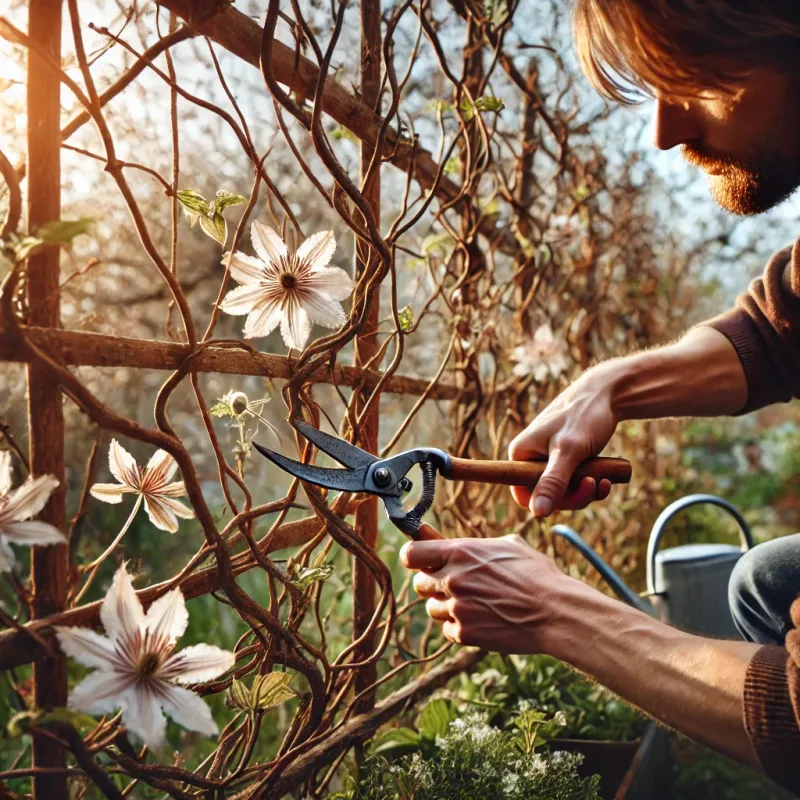
Clematis do not all bloom on the same kind of stem. Some flower on last season’s growth, while others flower on shoots that emerge this season.
That one difference decides when pruning helps and when it hurts.
Group 2 vines split the difference. They often bloom early on old wood and may send up a later flush on new growth, according to University of Illinois Extension and RHS pruning advice.
Think of pruning as a way to protect the stems that carry flowers, or to encourage fresh shoots on types that bloom on them. It is not a switch that guarantees more blooms.
Root care, such as mulch, is a separate job with a different goal, and we will get to it shortly.
Group 1 keeps its old stems through winter
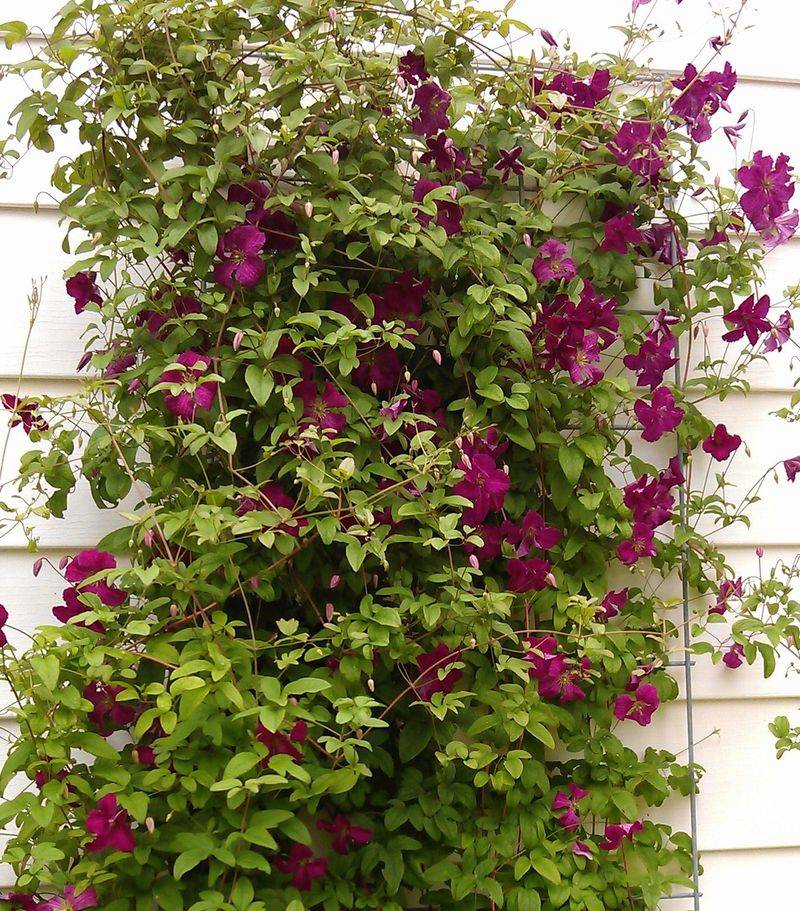
Group 1 clematis bloom on the previous season’s growth. The stems you see in November are the ones that will carry next spring’s flowers, so routine fall pruning is not the plan.
In spring, remove only wood that is clearly dead or damaged. If the vine needs shaping or has outgrown its support, prune right after it finishes flowering.
That timing leaves the new growth the rest of the season to produce stems for the following year, as both University of Illinois Extension and the RHS describe.
Leaving old stems in place preserves potential flowering wood. It does not promise a bigger display, since site, sun, and moisture also shape what you get.
A tangled look in winter is normal for these vines.
Group 2 needs a light cleanup in early spring
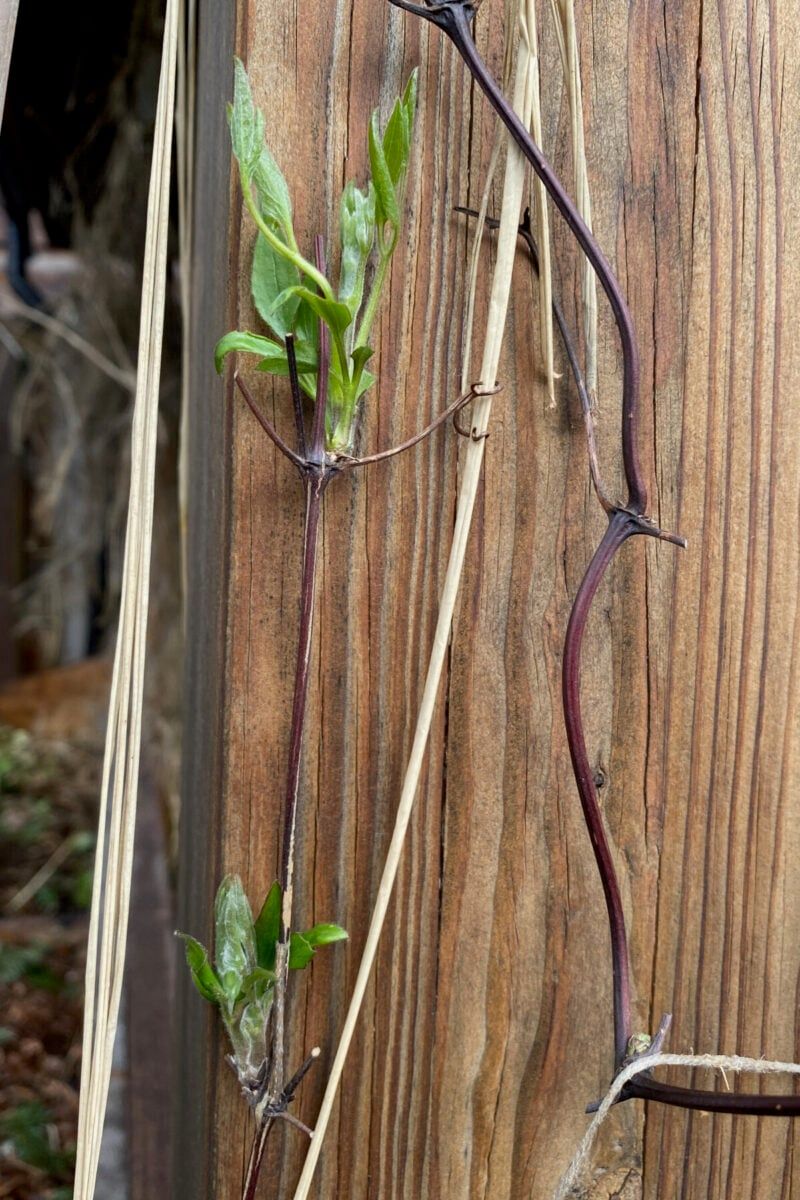
Group 2 includes many of the big, showy hybrids. They flower on old growth, and some produce a second, later flush on new growth.
Wait for early spring, when buds begin to swell and you can see which stems are alive. Remove dead wood, then trim back to a pair of healthy buds.
University of Illinois Extension and the RHS both caution that a hard cut can sacrifice some flowering.
That is why these vines should not be treated like ones that get cut low automatically. A scratch test helps: a green layer under the bark means the stem is alive.
Since spring arrives at different times across the South, go by when your vine wakes up rather than a calendar date.
Group 3 flowers on new growth
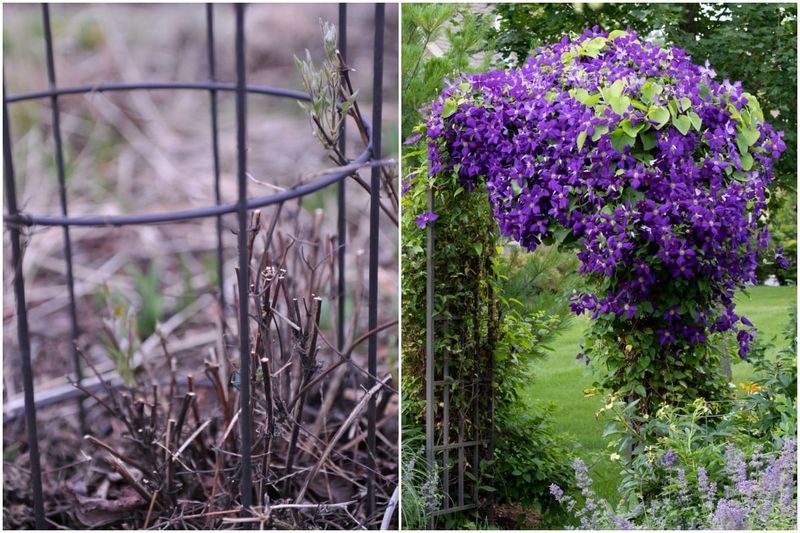
Group 3 clematis bloom on the current season’s growth, so they are the ones that tolerate, and often need, a hard cut. Do it in late winter or early spring, before active growth begins.
Cut stems back to a low pair of live buds. University of Illinois Extension gives a typical height of 6 to 18 inches.
Treat that as a guide, not a rule for every plant or site, and always leave live buds.
Texas gardeners can find a good example in Clematis texensis, a Texas native that NC State Extension describes as drought tolerant and flowering on new growth. That is guidance for that species, so do not assume it applies to every clematis in your yard.
Root care has a different purpose
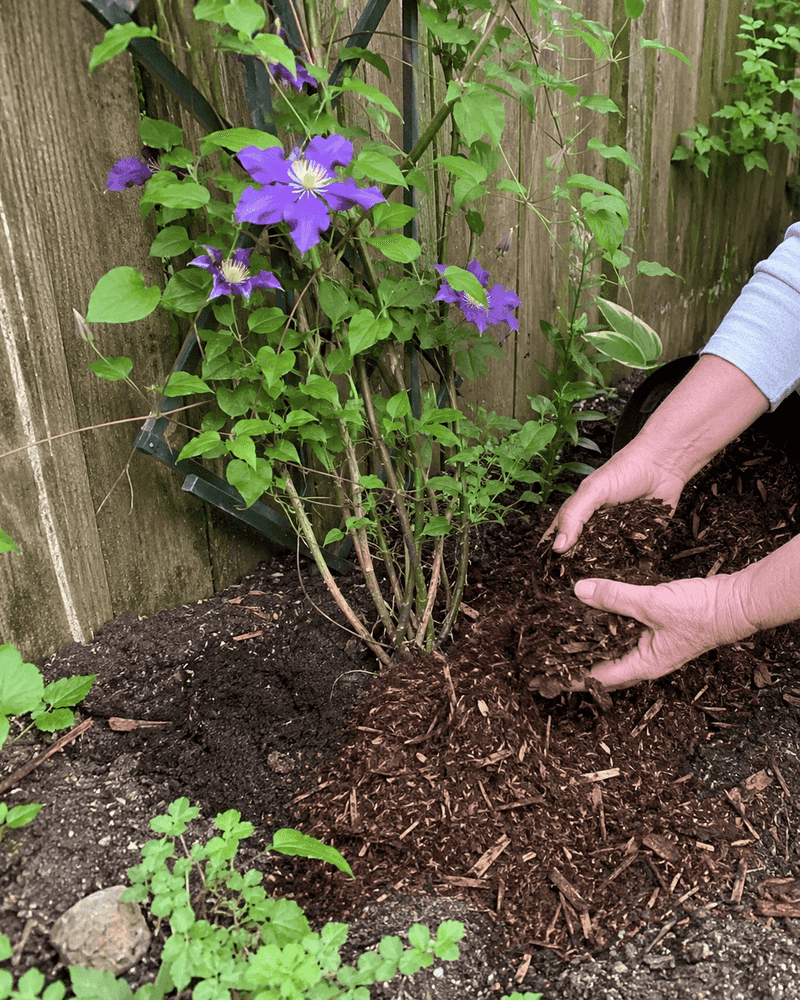
Mulch is not a pruning substitute. It does a different job: caring for the roots.
Clematis like their foliage in sun and their roots in shade and cool soil. The UC Statewide IPM Program notes that mulch can help cool the root area and conserve moisture.
University of Illinois Extension also points to cool roots and steady moisture.
Keep mulch a few inches away from the stems, and aim for even moisture without soggy soil, since waterlogged ground is hard on roots.
None of this shows that mulching in November increases next summer’s flower count. Think of it as steady support for a healthy plant, not a bloom trigger.
Let the plant’s group set the calendar
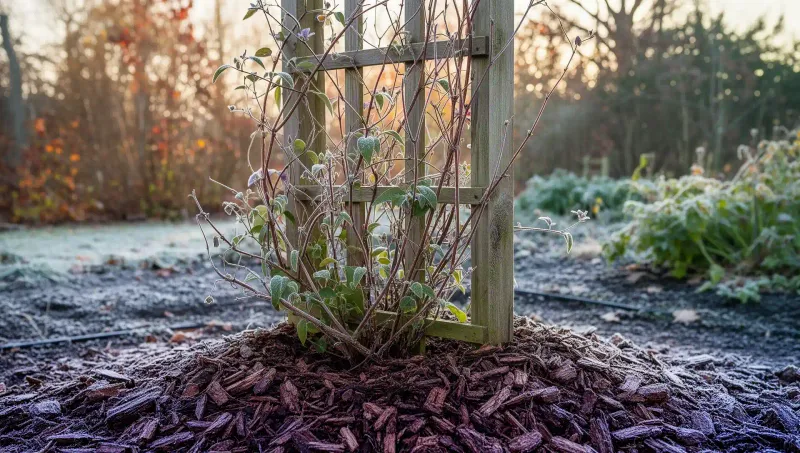
Start by naming the vine, then skip any cut you cannot match to a group. When growth begins in your area, prune by group, following Illinois Extension or RHS guidance.
Right timing protects flowering potential, though it cannot promise a set number of blooms.
A clematis rewards the gardener who waits to learn its name.