
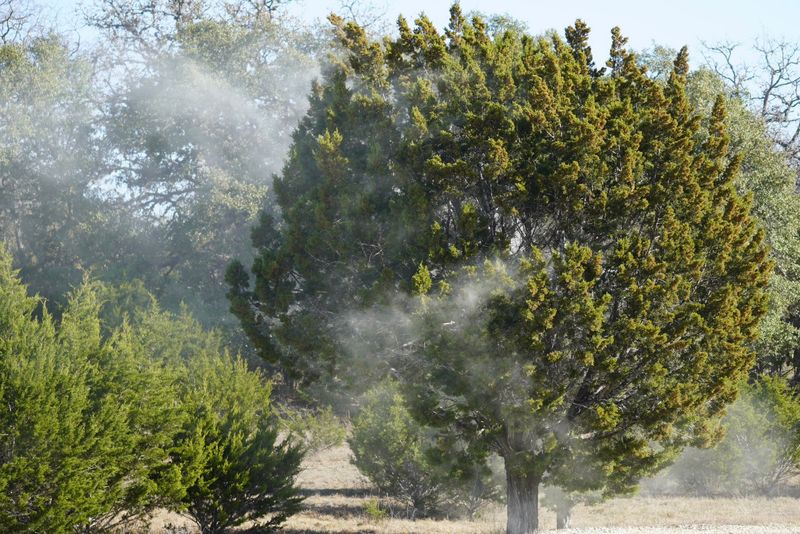
Every winter, Central Texas fills with a yellow-brown haze of mountain cedar pollen, and many people start sneezing, itching, and feeling worn out. You cannot clear the air across the whole region, but you can change how much of it follows you around your house.
A few habits for chores, doors, laundry, and filters can make the season easier to handle. Here is a practical plan to put in place before the peak arrives.
When mountain cedar pollen typically arrives
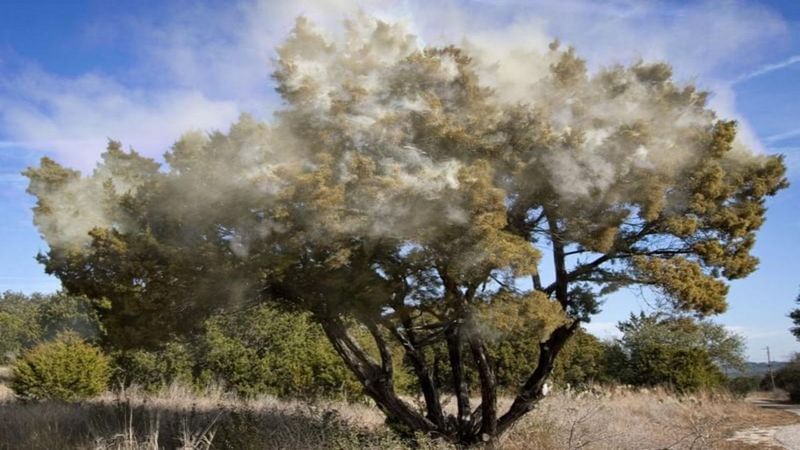
In Texas, the tree people call mountain cedar is usually Ashe juniper, known to botanists as Juniperus ashei. It is a winter pollen producer, which surprises newcomers who expect allergy trouble only in spring.
According to Texas A&M reporting on the season, pollen typically begins to release around mid-December. Peak levels usually land around mid-January, and the season can taper off into late February or early March.
Those dates are a planning guide, not a forecast. Cold fronts, dry spells, and warm stretches can nudge the season earlier or later, and a single week can swing from heavy to light.
A University of Texas at Arlington news release describes mid-January as the usual high point, which fits the general pattern.
Exposure is not identical from yard to yard either. Ashe juniper is especially abundant in the Hill Country, so neighborhoods near Austin, San Antonio, and the hills west of them often see more of it than places farther east.
Other cedar species can cause similar symptoms in other parts of Texas.
A sensible move is to set up your routines in early December. Stock filters, sort out your gardening mask, and mark a few weekends in your calendar so the habits are already in place when the first yellow clouds appear.
Why clearing your yard is not a reliable fix
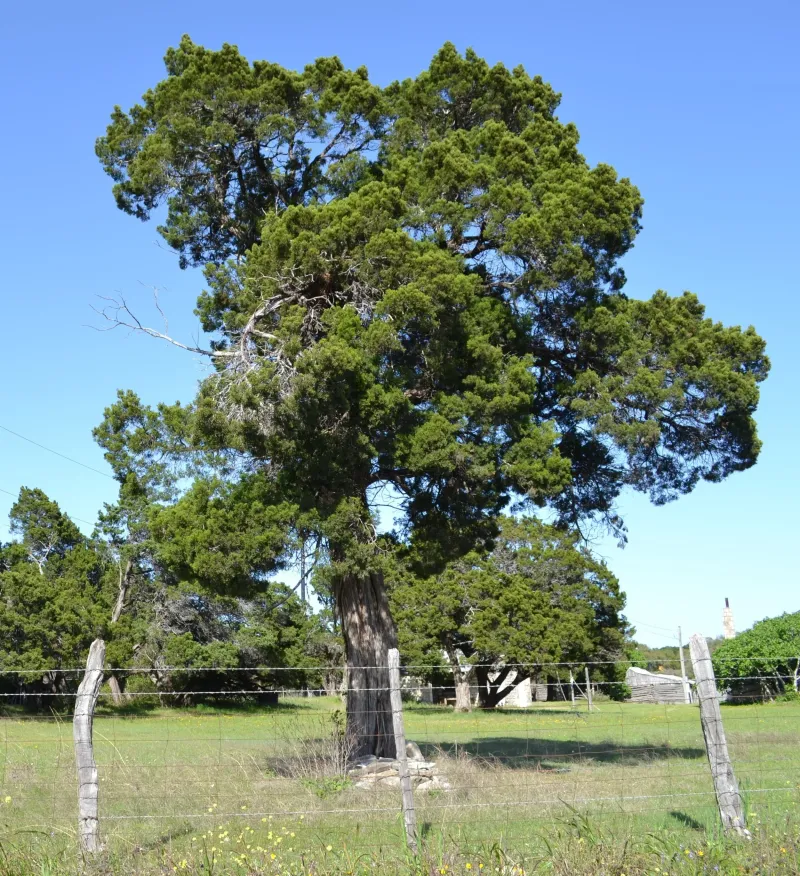
Cutting down the junipers on your lot sounds like a direct solution, but pollen does not respect property lines. Ashe juniper pollen is carried by wind, and researchers in a study of pollen movement in the Southern Great Plains tracked it into Tulsa from sources hundreds of kilometers away.
If pollen can travel that far, the trees next door, down the road, and across the next county all matter. That is why Texas A&M Forest Service does not treat removing junipers from a property as a practical way to reduce exposure.
Nothing here shows that pruning, replacing trees, or changing your landscaping lowers what your household breathes in.
It still helps to know which trees make pollen. The Texas A&M Forest Service tree profile explains that male trees typically produce the pollen, while female trees produce blue, berry-like cones.
Identification is not always tidy, though. A University of Texas at Austin page on monoecious Ashe junipers notes that some trees do not fit the usual pattern.
There is also a wildlife side to the story. Texas A&M’s overview of Ashe juniper ecology describes a native tree that feeds birds and other animals.
That is a reason to think twice before clearing, not medical advice.
So put your energy where it pays off: how you spend time outside and what you let inside.
Plan yard chores to limit personal exposure

Winter is a prime time for Texas yard work, from pruning crape myrtles to spreading mulch and planting cool-season color. The goal during cedar season is not to skip it all, just to spend less time breathing pollen while you do it.
Start by checking your local pollen report before you head out. Counts are not a perfect guide, since they can lump together several plant types and people react differently, but they can help you spot heavier days.
The American College of Allergy, Asthma & Immunology advises gardening when pollen counts are lower and says a dust mask can help while you work outside.
Swap tasks around to fit the day. Save the quick, low-contact jobs like watering a container or checking a bird feeder for peak hours, and push the raking, pruning, and weeding to calmer days when the report looks lighter.
Other habits from ACAAI’s allergy avoidance advice include limiting time outdoors when counts run high. Sunglasses and a hat can also help keep pollen off your eyes and hair.
None of this removes pollen from your yard, and none of it guarantees you will feel fine. Think of it as lowering how much lands on you, one chore at a time.
Keep outdoor pollen from coming inside
Pollen is a hitchhiker. It rides in on jackets, hair, shoes, and pets, then settles on couches and bedding where you spend hours at a time.
During high-pollen stretches, keep windows and doors closed when you can. A cool Texas January afternoon makes fresh air tempting, but an open window can invite yellow dust straight into the living room.
ACAAI’s environmental allergy guidance recommends exactly this, along with following local pollen reports.
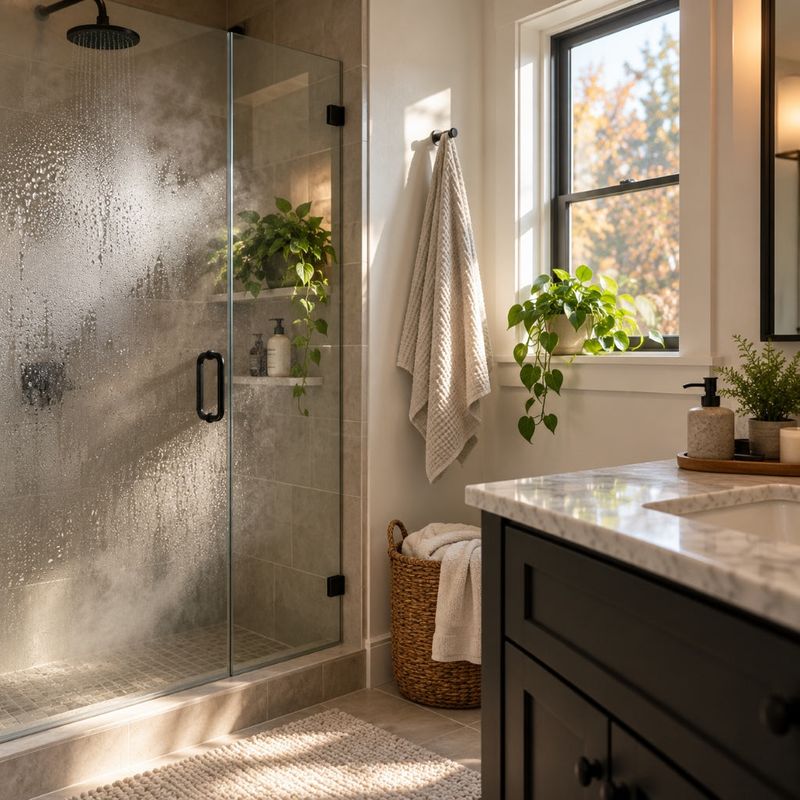
After time outside, build a quick reset routine. Shower, wash your hair, and change clothes so the pollen does not follow you to the couch or pillow.
Washing your hair before bed matters because pollen caught in it can end up on your pillowcase.
A few small setups make this easier. Leave a hook or basket near the door for outer layers, and kick off shoes there so pollen stays in the entry.
If a dog spends time in the yard, a quick wipe-down of its coat after outdoor time may keep some pollen off your furniture.
These steps cut down on what you carry inside. They will not give you a pollen-free house or promise symptom-free days, but they stack up well over a long season.
Use filtration as one part of an indoor plan
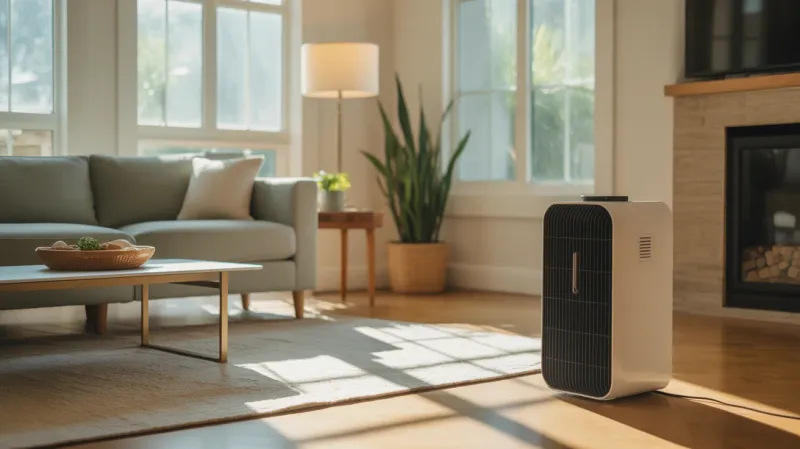
Once pollen gets indoors, filters can help catch some of it. They are a helper, not a cure.
The EPA’s guide to air cleaners in the home says filtration cannot remove all pollutants, so treat it as one layer of your plan.
For central heating and cooling, the EPA advises using a filter rated MERV 13 or the highest rating your system can accommodate. Not every system handles dense filters well, since some can restrict airflow.
Check your system’s requirements or ask an HVAC professional before upgrading.
Portable air cleaners can add help in the rooms where you spend the most time, like a bedroom or den. Pick a unit sized for the room you plan to put it in, because a small unit in a large space will not do much.
Replace the filter on schedule, since a clogged one works poorly.
Texas winters often mean the HVAC runs less than in summer, so a quick check of your filter in early December is a smart habit. Note the replacement date on your calendar, and pick up a spare so you are not caught short mid-season.
Used together with closed windows and clothing changes, filtration can lower the particles floating around your home. It cannot get rid of all of them.
“Cedar fever” is an allergy name, not a true fever
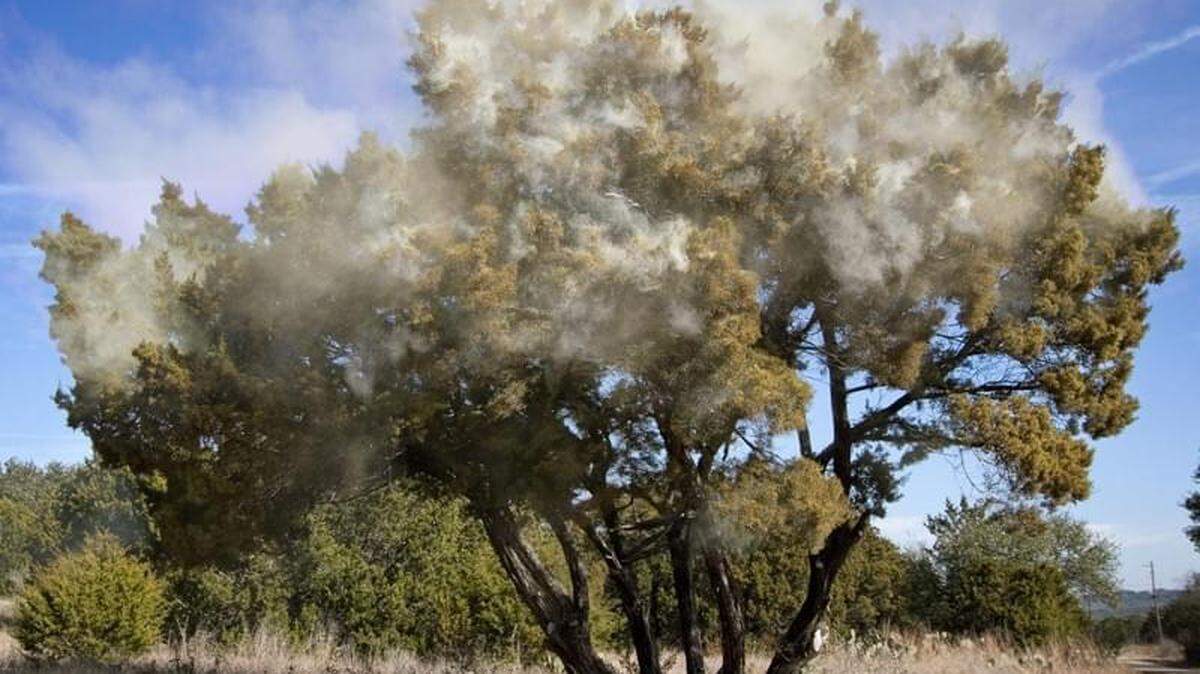
Here is how the pieces fit. Plan your chores around lower-pollen times, keep pollen outside with closed windows and a clothing reset, and add suitable filtration indoors.
Together, these steps can reduce your exposure, but no single measure or combination guarantees relief.
The name causes some confusion. “Cedar fever” is a colloquial label for pollen-related allergic symptoms like sneezing, congestion, and itchy eyes, not a fever-causing illness. ACAAI’s page on fever notes that a true fever is not a symptom of allergic rhinitis, so if you have one, do not assume allergies are the cause.
Pollen counts will not explain exactly how you feel either. ACAAI’s pollen allergy overview makes clear that reactions vary from person to person.
For a local view of the season, KUT’s coverage of cedar fever in Austin shows how common the winter flare-up is.
If symptoms feel severe or unusual, a health professional can help sort out what is going on. The tree will keep shedding every winter, but your routines are the part you control.