
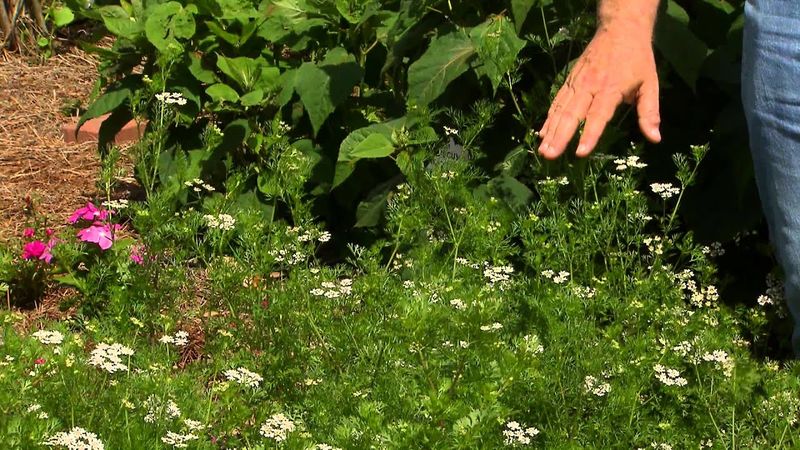
You plant a neat row of cilantro in fall, and then a stretch of warm weather rolls in. Soon the leaves get feathery and a tall stem starts to rise.
That change is called bolting, and it is a normal part of the plant’s life. A few smart habits can give you more chances to pick leaves, even though none of them can promise a steady supply.
Warm spells raise bolting risk, but there is no one-week rule
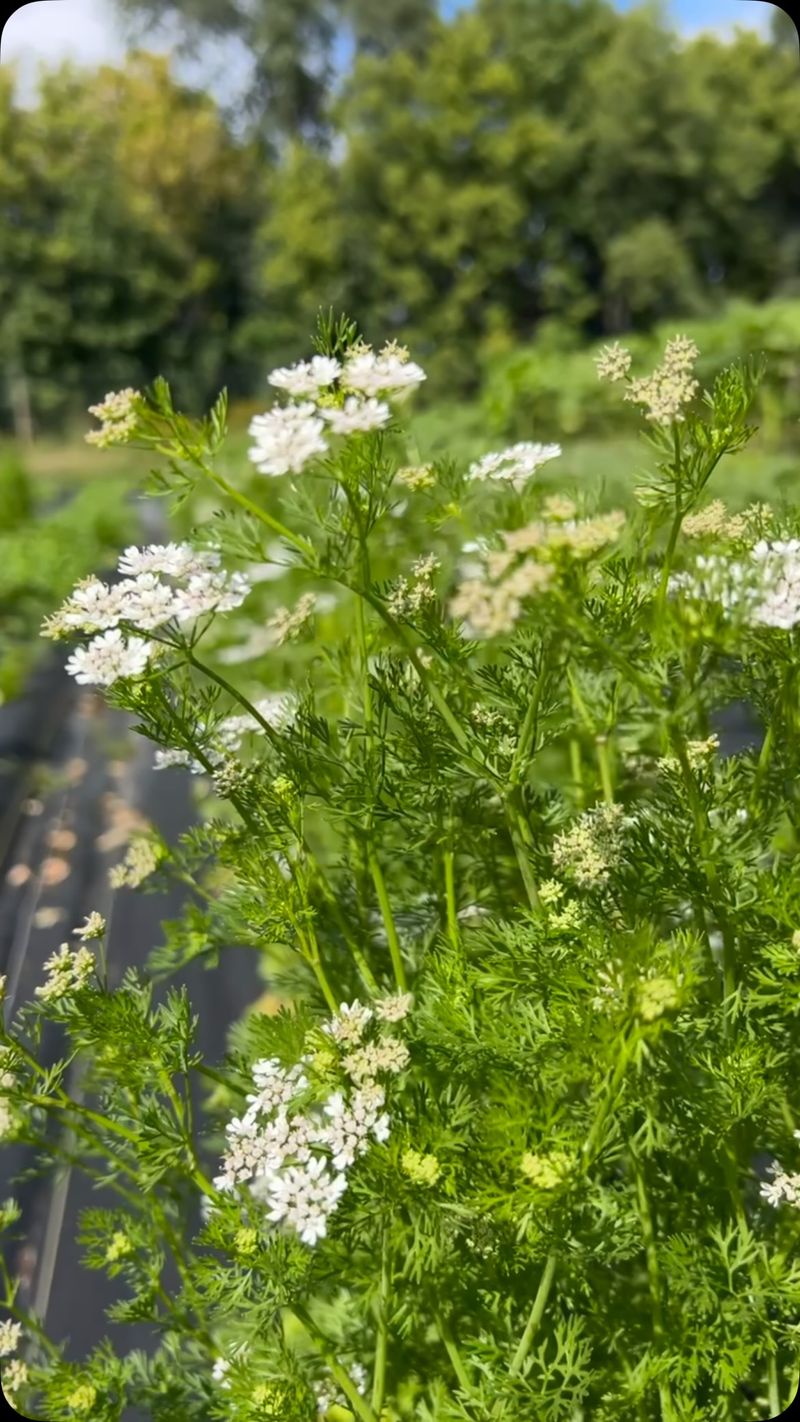
Cilantro is a cool-season herb, and heat is its biggest challenge in the South. Texas A&M guidance says cilantro does best at roughly 50 to 85°F and may bolt when temperatures climb above 85°F.
Treat those numbers as a general guide, not an exact switch that flips for every plant.
Longer days can also hurry flowering along. So a warm spell raises the odds of bolting, but one warm week does not guarantee that every plant will send up a flower stalk.
Plant age, variety, and daily conditions all play a part.
A Florida field study backs this up. In south Florida trials, the amount of bolting varied quite a bit from one trial to the next.
That kind of swing tells us flowering has several causes, not just one hot week.
If a warm spell hits your bed, look at each plant instead of assuming the whole row is lost. Some may hold their leaves longer than you expect, and others may flower early.
Bolting is not a sign you did something wrong.
Choose a fall planting window for your region
Texas and Florida each include several climates, so one calendar will not fit everyone. For general Texas fall planting, Texas A&M’s cilantro guide recommends September.
That suits many parts of the state, but not all of them.
Gardeners in the Lower Rio Grande Valley have a much longer window. An AgriLife homeowner guide gives early October through early February for that area.
Florida splits in a similar way. The South Florida gardening calendar lists cilantro among the herbs to plant in October.
In the north, UF/IFAS offers a shade-growing calendar that places cilantro in selected cool-season months, not year-round.
Your best move is to find the guide written for your own area and match its dates. Your county Extension office can help if you are unsure which one applies.
Sow successive batches to spread harvest timing
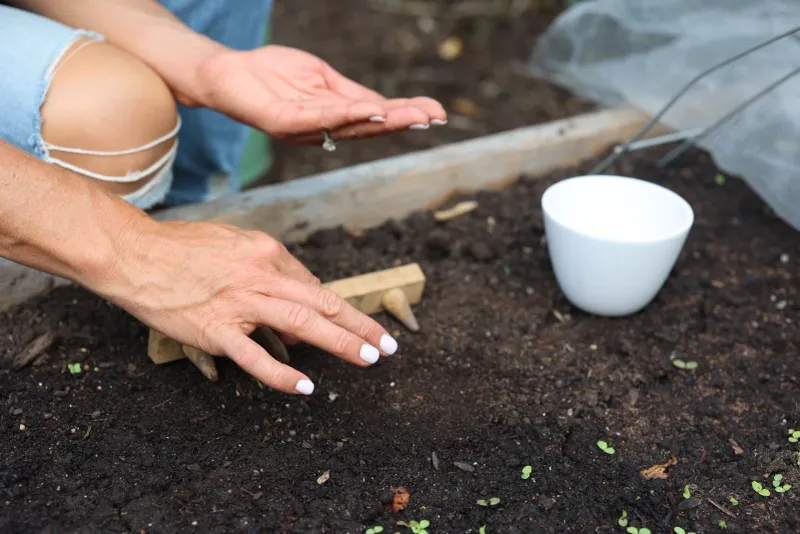
Instead of planting a whole packet at once, sow a small patch and then add another a few weeks later. Three weeks is a handy interval for many home gardens.
It is one practical choice, not a proven best schedule.
For a more intensive approach, Texas A&M recommends weekly sowings when you want a continuous crop. Its fall vegetable guide for Texas says to sow every few weeks for young leaves.
Here is how it helps. When the oldest patch starts to bolt, a younger one may still be producing tender leaves.
That spreads your risk and your harvest timing.
It has limits, though. A newer batch does not slow flowering in plants already growing, and a sudden hot stretch can affect several batches at once.
Think of staggered sowing as a way to get more chances at leaves, not a promise of an unbroken supply.
Give each planting a moist, well-drained start
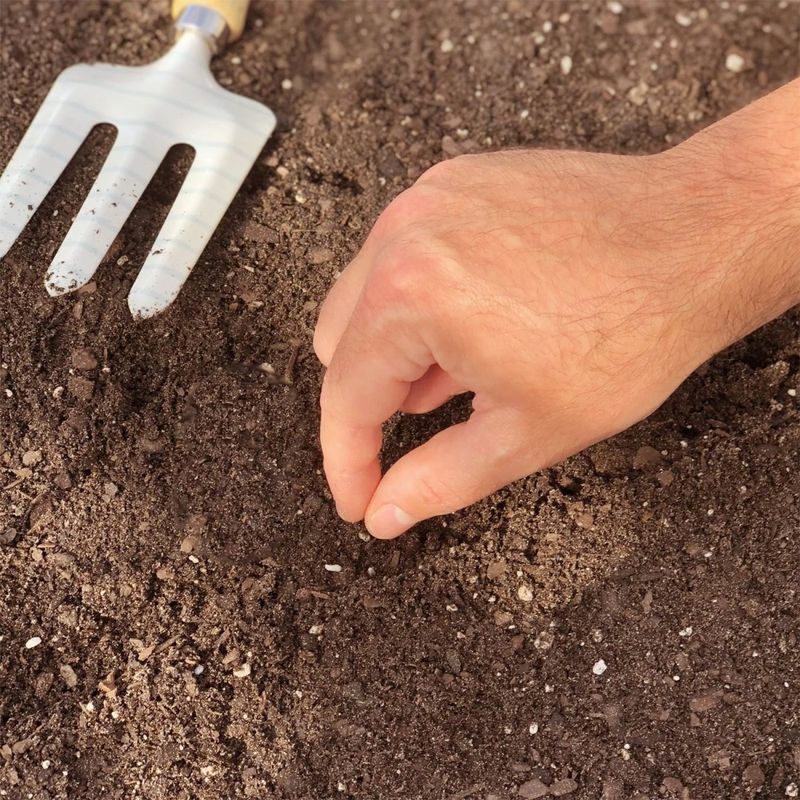
Every batch gets off to a better start with loose, well-drained soil. Press the seeds in about a quarter to a half inch deep, as Texas A&M’s cilantro guide suggests.
For a leaf harvest, it recommends spacing seeds about 2 inches apart.
Moisture matters most while seeds sprout and seedlings settle in. Water gently so the top layer stays damp, and check the bed every day or two in warm weather.
A light touch works better than a soaking.
Soggy soil causes its own trouble, so skip any spot where water pools after rain. A raised bed or a patch with amended soil usually drains better.
Containers with drainage holes also work well for small batches.
Label each sowing with the date so you can track which patch is next. Good care gives seedlings a fair start, but it will not stop bolting on its own.
Use afternoon shade as a modest exposure-management step
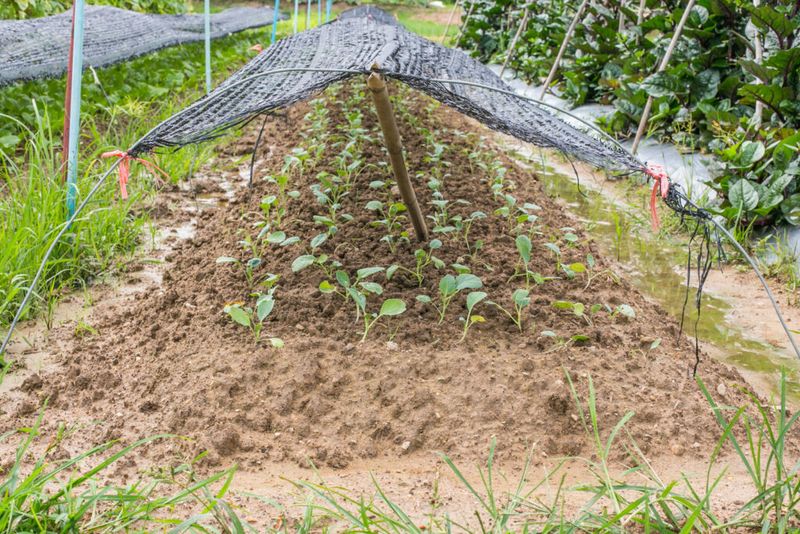
Hot afternoon sun can be hard on cool-season herbs. Giving cilantro some shade after midday, from a taller crop, a lath screen, or a light shade cloth, may soften that exposure.
Think of it as a small, low-cost step you can try.
Florida guidance points in this direction. The UF/IFAS North Florida shade calendar includes cilantro among vegetables and herbs grown under shade during selected months.
That shows shade is a recognized growing approach there.
It does not show that shade prevents bolting or guarantees a longer harvest. Treat it as one way to take the edge off a hot spot, not a fix.
Keep morning light on the bed, and avoid heavy shade that leaves plants leggy. If you try it, compare a shaded row with an unshaded one and see what happens in your own yard.
Harvest leaves before flowering changes the plant
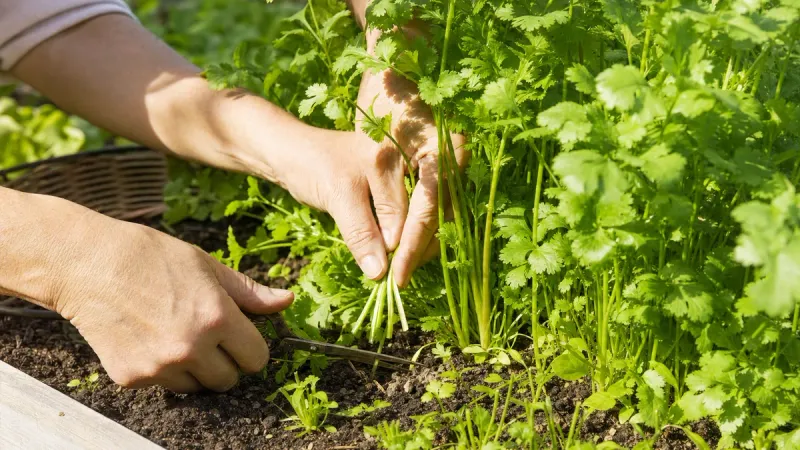
Start checking your patches early. Texas A&M says leaves are ready about 45 to 70 days after sowing, and Utah State Extension suggests picking when leaves are roughly 4 to 6 inches tall.
Use both as reference points, not guarantees.
Once bolting starts, the plant shifts from broad, lobed leaves toward thin, feathery growth on a flower stem. The leafy harvest shrinks from there.
Cilantro usually means the leaves, while the seeds are called coriander, so a bolted plant can still give you seed.
Slow-bolting varieties may buy time, but they are not heat-proof. Wisconsin Extension notes they still struggle under high temperatures and long days.
Harvest often, pick the outer leaves first, and keep a younger batch coming behind the older one. Cilantro rewards the gardener who plants a little, plants again, and picks early.