
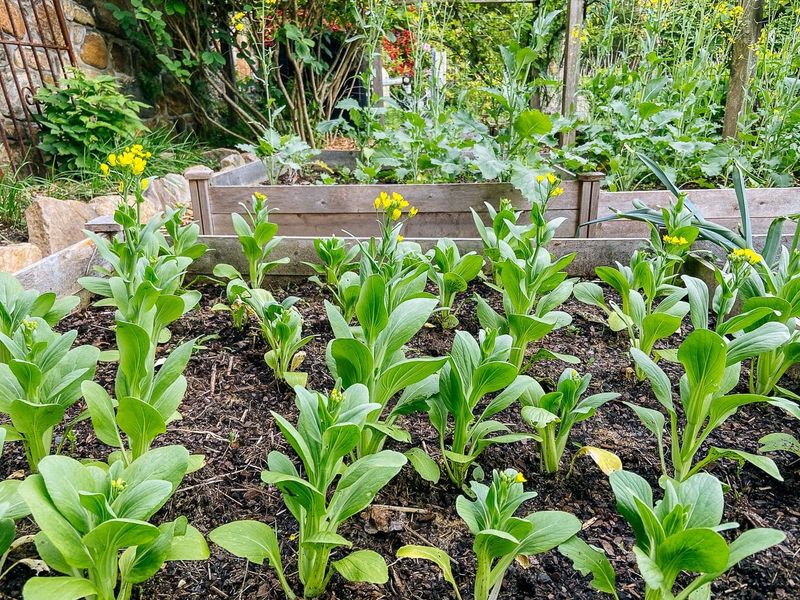
You walk out to your fall bed and find a tall green stalk rising from the middle of a bok choy plant. That stalk is a sign the plant has switched from making leaves to making flowers, and the leaves you wanted start to suffer.
The cause is not always a warm spell after cool nights, so a little detective work helps. Here is how to read the clues, slow the problem down, and keep picking while you can.
A flower stalk means the plant is bolting
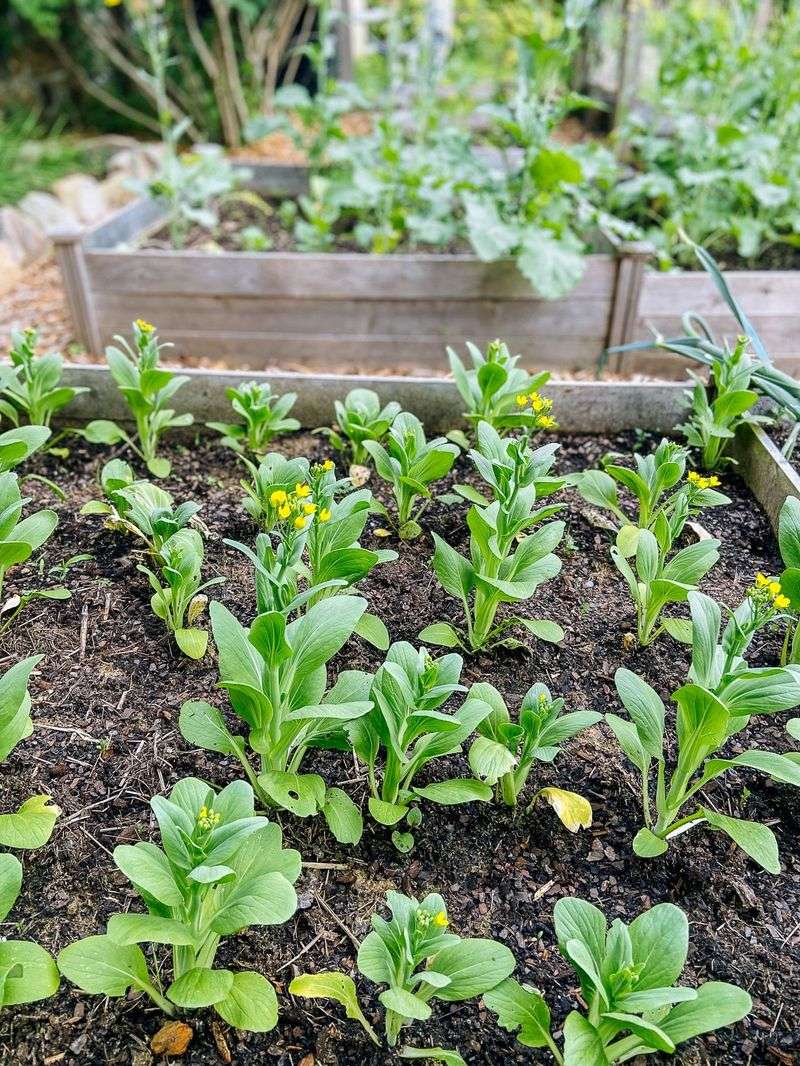
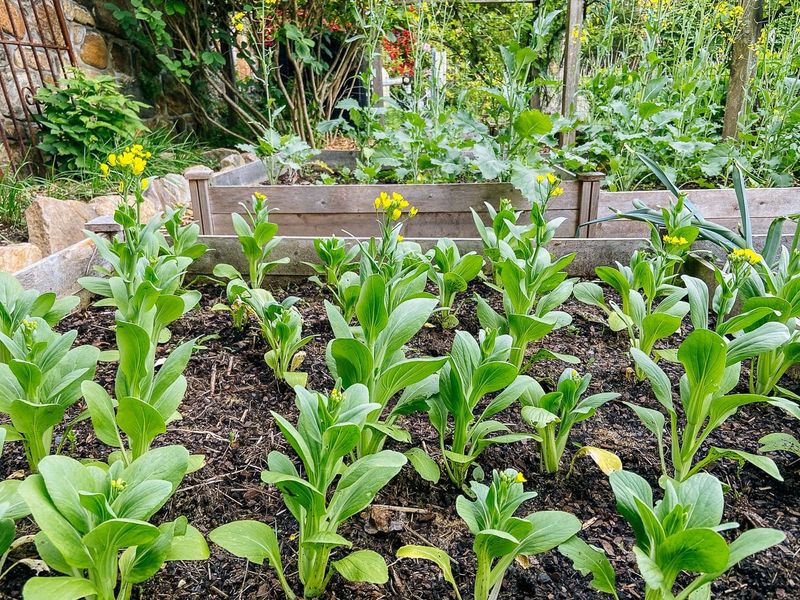
Bok choy that sends up a flower stalk is bolting. The plant is shifting its energy from growing leaves to making flowers and seeds.
According to University of Minnesota Extension, leaves stop growing as plants bolt, so quality slips as the stalk stretches upward.
Leaves on a bolting plant can turn tougher and more bitter over time. That is why a stalk is worth acting on quickly, even though the plant is still edible for a while.
One wrinkle can cause confusion. Choi sum is a close relative of bok choy that gardeners grow on purpose for its tender flowering stems, as UF/IFAS Nassau County points out.
If you planted choi sum, a stalk is the harvest. If you planted ordinary bok choy for its thick-stemmed rosette, a stalk means the plant is bolting.
Check your seed packet before you worry.
Several conditions can trigger bolting
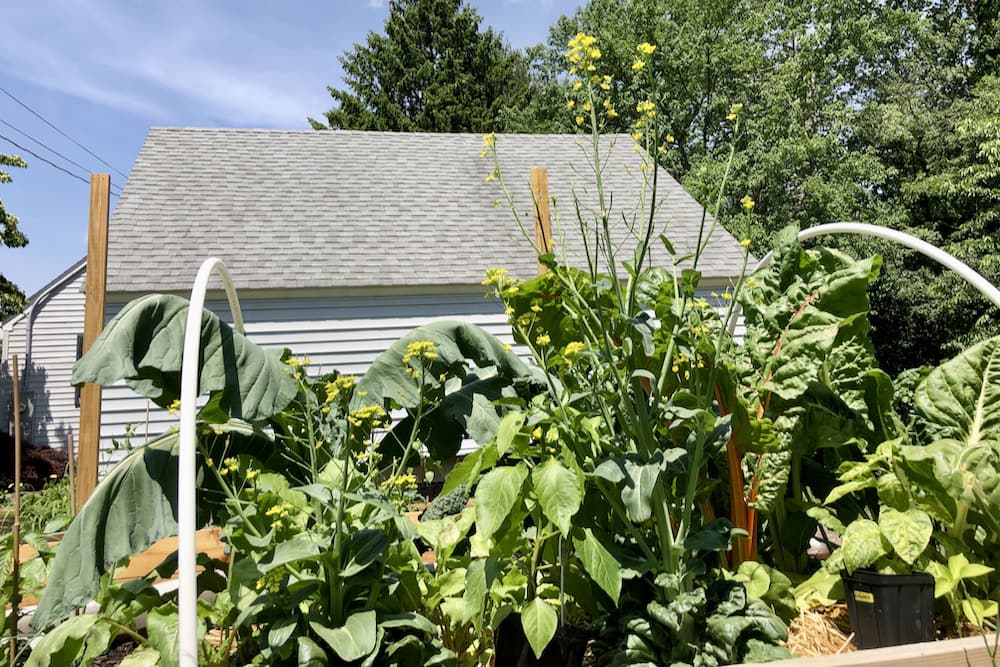
Cold exposure followed by warming is one way bok choy can be pushed toward flowering. Even so, a few cool nights do not prove that is what happened in your bed.
The guidance that describes cold-triggered bolting involves prolonged cold or frost, not an occasional chilly evening.
Oregon State describes risk for young pak choi seedlings after about a week near 40°F, two weeks near 50°F, or prolonged temperatures below 55°F. Those numbers come from Oregon, not from Texas or Florida fall beds.
Minnesota’s guidance is likewise for a northern spring.
Heat and long days are other possible triggers. Washington State University lists temperatures above 80°F and days longer than 12 hours as general triggers, and notes that cultivars differ.
A University of Kentucky overview also describes more than one pathway.
So think of it as a puzzle. How long the stress lasted, how old the plant was, and which variety you grew all shape the risk.
Time planting for your local region
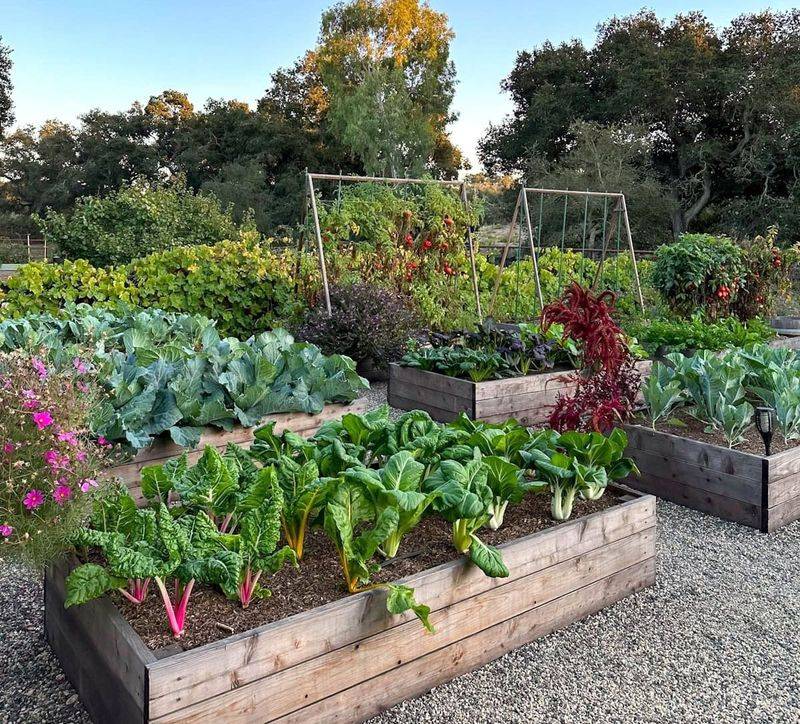
Texas and Florida stretch across very different climates, so one statewide fall date cannot work for everyone. A gardener near Houston, one near Amarillo, and one in Miami face different first-cool-night dates and different heat swings.
For Central Florida, UF/IFAS Hillsborough County suggests starting bok choy seed about four weeks before a September 15 warm-season planting target. It also allows adjustments for northern and southern Florida, so treat it as a local example, not a rule for the whole state.
Season length varies inside Florida too. UF/IFAS says bok choy can grow in most of South Florida year-round, with two or three seasons in North Florida, while Nassau County recommends fall or winter for Northeast Florida.
In Texas, Texas A&M AgriLife says fall planting dates vary by region, but its table gives no bok choy-specific date. Check your county extension office for local timing.
Choose a variety and maintain steady moisture
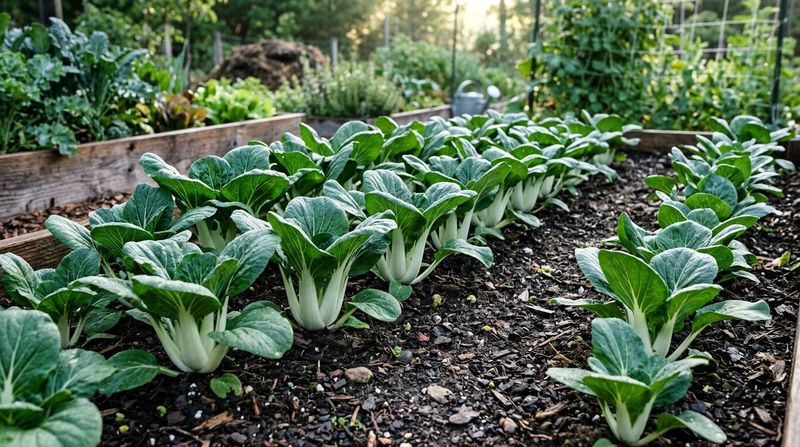
Seed packets are your first tool. Look for bok choy labeled bolt-resistant or heat-tolerant when you can find it.
Kansas State University recommends these traits and notes that bok choy is sensitive to temperature swings.
A tougher variety can lower your odds of a stalk, but it cannot promise that your plants stay leafy. If you can, plant two varieties side by side and see which one holds up in your bed.
Moisture matters next. Try not to let the bed dry out, especially while seedlings settle in.
University of Minnesota Extension advises watering during dry spells and says uneven water can hurt quality.
A finger test helps: push a finger an inch into the soil, and water if it feels dry. A layer of mulch may help hold moisture.
Steady water protects leaf texture, but it will not stop a plant that is already on its way to bolting.
Use temporary shade as a heat-management trial
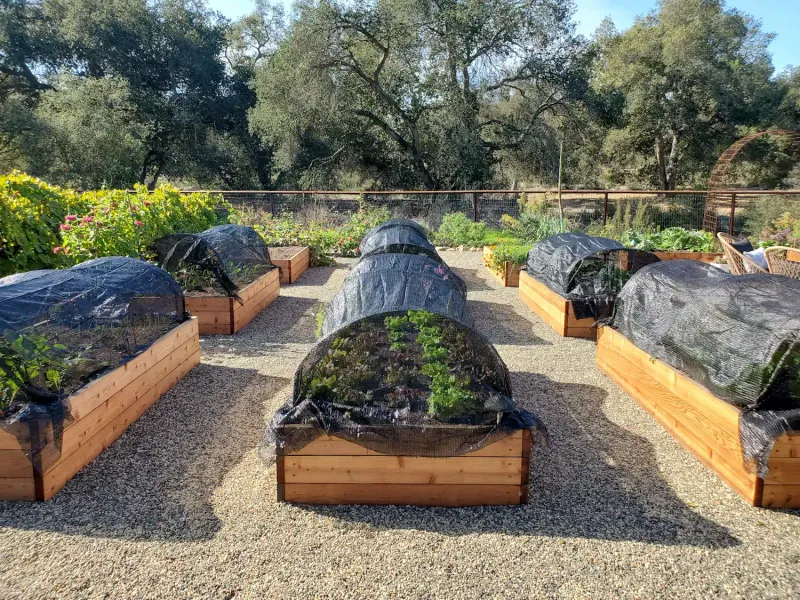
When a hot afternoon stretch hits your fall bed, shade cloth is worth a try. Think of it as an experiment, not a fix.
Kansas State University suggests 30 to 50 percent shade for many cool-season crops, and that advice is general, not a bok choy trial in Texas or Florida.
Set the cloth on hoops, a frame, or stakes above the plants rather than laying it on the leaves. Leave room for air to move, secure the edges against wind, and peek underneath now and then to see how things are going.
Remove it when the heat passes so plants still get enough light.
Know what shade can and cannot do. It may lower heat exposure, but it cannot undo flowering that has already begun, and it does not change day length.
The UC Statewide IPM Program describes bolting as a response to stress and conditions, which is why shade helps only on the heat side.
Keep picking leaves, then harvest a bolting plant promptly
Routine picking and rescue harvesting are two different jobs. For regular harvests, take the largest outer leaves first.
University of Minnesota Extension notes that the younger inner leaves keep growing, so you can eat from a plant for a while before it reaches full size.
For a sense of size, UF/IFAS describes regular harvest around the 10 to 15 leaf stage. Timing shifts with temperature, fertility, and moisture, so treat that as a guide and not a deadline.
Picking leaves does not stop flowering, and it does not guarantee a long harvest. Once a stalk appears, cut the whole plant before the flowers open.
Rinse it and eat it soon, since leaf quality is already falling. The same Minnesota source says the flower stalk can be cooked like broccoli.
Then plan your next sowing with better timing, a tougher variety, and a shade frame ready. A bolted plant is a clue about conditions, not a failure on your part.