
A bowl of scraps can turn a backyard wildlife visit into a costly mistake. Florida prohibits feeding certain wild animals, even when homeowners only want to help.
Feeding can also draw animals toward pets, patios, and busy roads. These eight visitors belong on your watch-from-a-distance list, with simple yard changes that help keep them out of trouble.
1. American Alligators
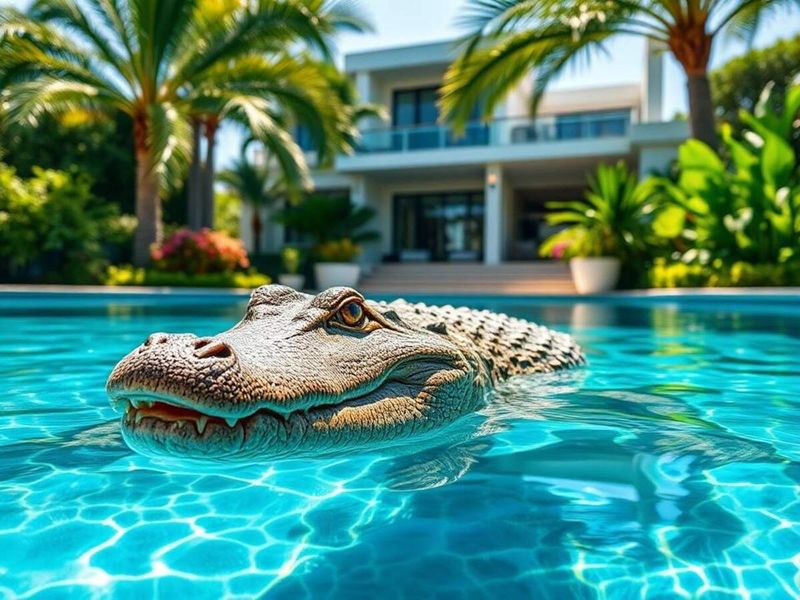
A splash near the seawall is not an invitation to toss over leftover chicken. An alligator that connects people with food can begin approaching patios, fishing spots, and backyard pond edges instead of keeping its distance.
Florida prohibits feeding or enticing wild alligators. A homeowner does not need to hand-feed one to create trouble; throwing food into the water for an alligator can also violate the rules and lead to enforcement.
For waterfront yards, keep fish scraps, meat juices, and picnic leftovers away from the bank. Never clean a catch where the remains could attract an alligator, and keep pets away from the water’s edge, especially around dawn and dusk.
Do not try to solve a repeat visit by luring the animal somewhere else with food. Contact the Florida Fish and Wildlife Conservation Commission, or FWC, about an alligator that poses a concern.
The useful backyard upgrade is a clean shoreline with good visibility from your normal viewing area. Feeding makes that same space less predictable for everyone who uses it.
2. American Crocodiles

Along a South Florida canal, a narrow snout may belong to a crocodile rather than an alligator. American crocodiles use coastal and brackish waters, and some pass through neighborhoods with docks, seawalls, and waterfront gardens.
Florida’s prohibition on feeding wild crocodilians includes crocodiles. Their protected status adds another reason to leave them undisturbed, but homeowners do not need to sort through wildlife laws before making the safest choice: never offer food.
A fish carcass dropped beside a dock can encourage an animal to return to the same place. Deliberately using scraps to draw a crocodile closer for photographs creates a risk for neighbors and anyone who later uses that shoreline.
Keep bait and catches secured, remove food waste after outdoor meals, and follow local rules for disposing of fish remains. Watch children and pets closely around waterfront areas rather than relying on the animal to move away.
If a crocodile repeatedly appears close to your home, ask FWC for guidance. Do not approach, corner, relocate, or feed it while waiting for advice.
3. Florida Black Bears
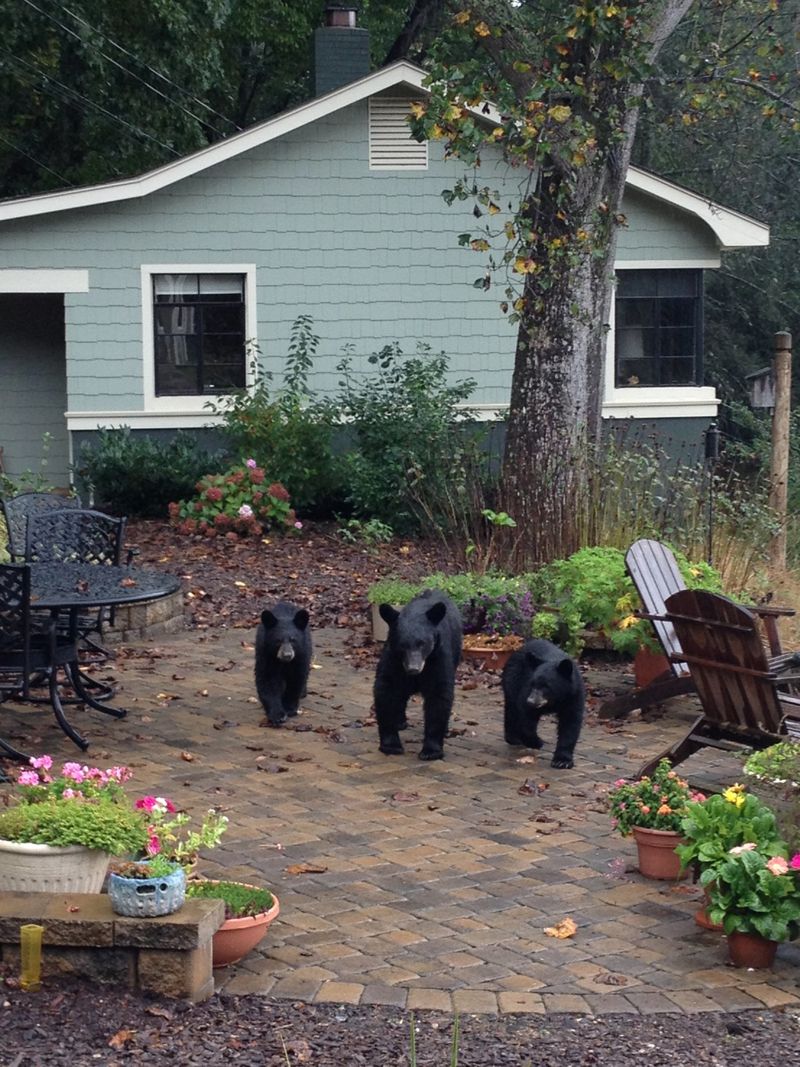
Your trash can may smell like dinner long before a bear reaches the driveway. Florida black bears have a strong sense of smell, and an easy meal can turn an occasional visitor into a regular problem.
Feeding bears is prohibited in Florida. The state’s bear-feeding rules also address allowing food or garbage to attract bears when the rule’s conditions are met, so leaving a known food source available is not something to shrug off.
Start with the biggest rewards: household garbage, pet food, birdseed, and greasy grills. Use a properly secured bear-resistant container or keep trash in a sturdy, closed building until the appropriate collection time.
Feed pets indoors, clean grill drip trays, and pick up fallen fruit. If a bear has found your bird feeder, remove the feeder and spilled seed rather than moving it to another corner of the yard.
These steps protect more than your landscaping. Bears that repeatedly seek food around people can become serious safety concerns, and preventing that habit is far better than dealing with it later.
4. Coyotes
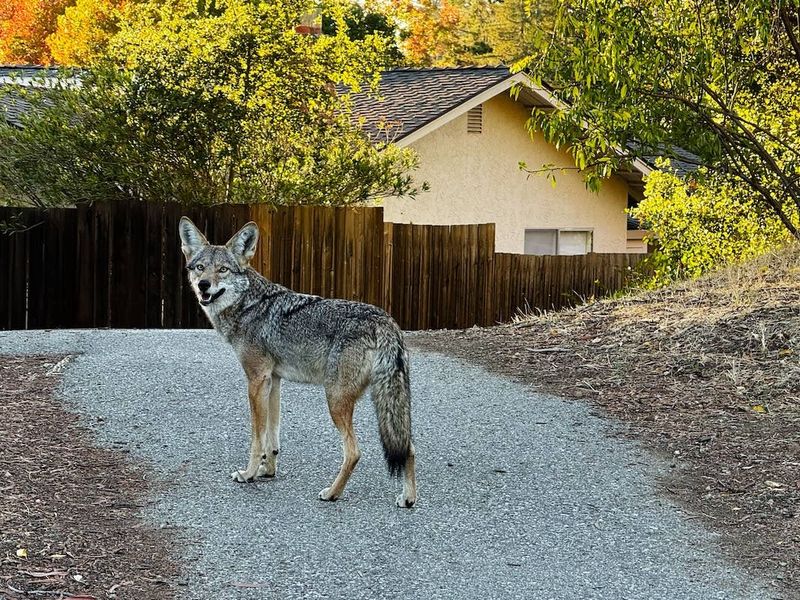
One quiet visitor at sunrise can reveal a whole neighborhood food problem. Coyotes live throughout Florida, including developed areas, and they quickly notice pet bowls, unsecured garbage, and other reliable meals.
Florida prohibits intentionally feeding coyotes. Setting out meat because an animal looks thin is not a harmless favor, and placing food down for a closer photograph creates the same troubling connection between people and meals.
The backyard payoff from removing food is practical: fewer reasons for coyotes to linger near the house. Bring pet dishes inside, secure trash lids, collect fallen fruit, and keep compost free of meat and other animal products.
Outdoor cat feeding areas can also provide food that coyotes learn to visit. Work with local animal services on a plan that addresses leftover food and pet safety rather than leaving bowls available overnight.
Keep cats indoors and supervise small dogs outside, using a short leash on walks. If a coyote approaches people or shows concerning behavior, contact FWC for guidance instead of trying to distract it with something to eat.
5. Foxes
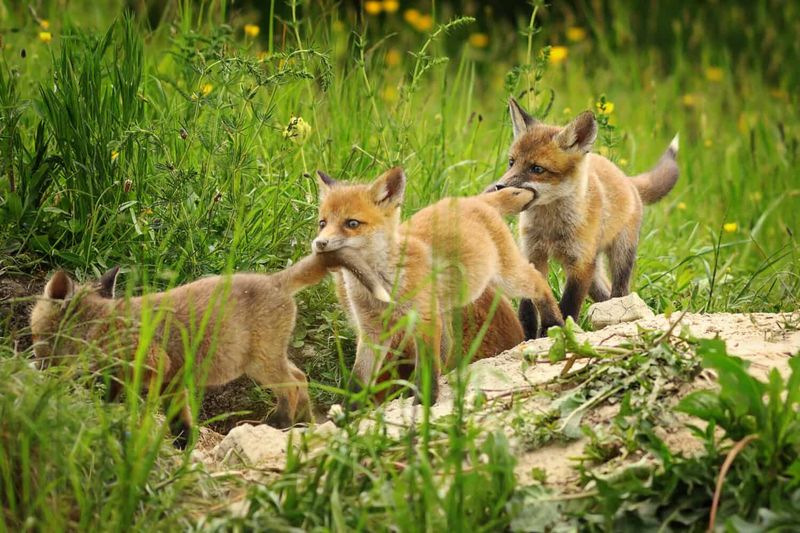
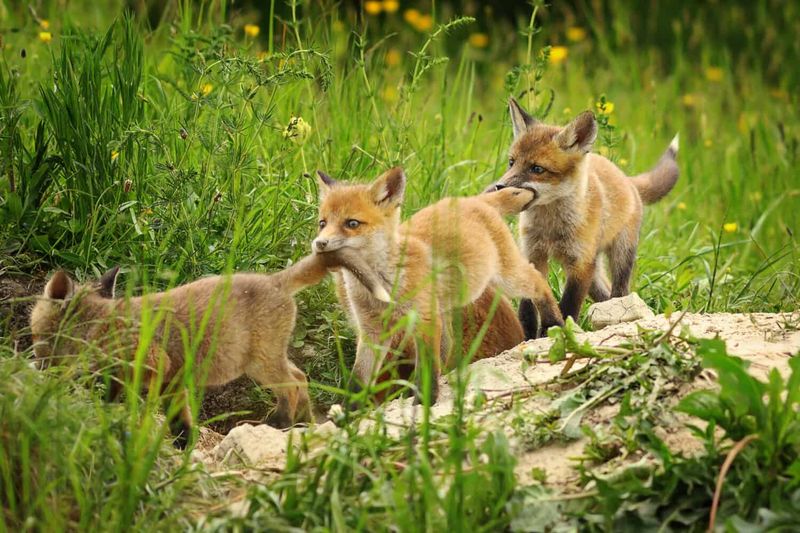
That small, bright-eyed face can make a fox seem like a stray pet. Both gray foxes and red foxes occur in Florida, but neither should be welcomed with a dish of kibble on the porch.
Intentionally feeding foxes is prohibited under Florida wildlife rules. A fox that starts checking doorsteps for dinner may spend more time near dogs, vehicles, and people who do not welcome its visits.
Resist the urge to leave food out for a family with young. Adults normally search for food for their kits, and seeing them repeatedly does not by itself mean the family needs human help.
Instead, remove outdoor pet food and secure small livestock or poultry in sturdy enclosures. Clear away food scraps around outdoor seating areas, and inspect sheds or decks for possible shelter access before animals move in.
If you suspect a den is already occupied, seek wildlife guidance before sealing an opening. For an injured fox, contact a licensed wildlife rehabilitator or FWC rather than trying to feed or handle it yourself.
6. Raccoons
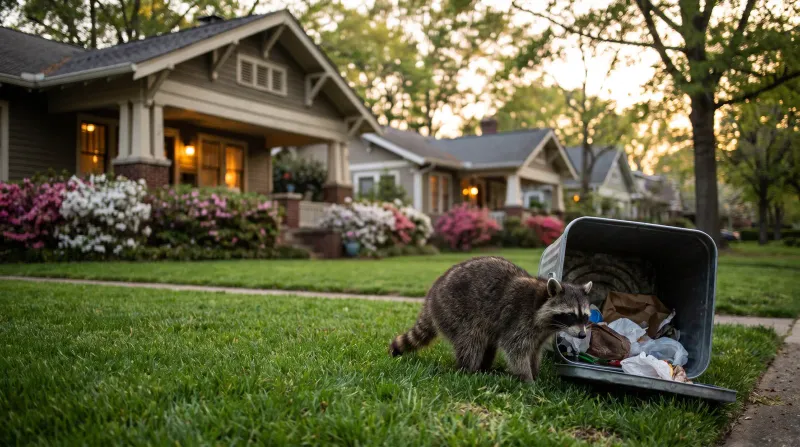
Little paw prints around the patio often point to a much bigger buffet. Raccoons are skilled at finding pet food, loose trash lids, and leftovers that homeowners barely notice.
Florida prohibits intentionally feeding raccoons. Putting out a nightly snack can bring several animals into close quarters, increasing mess, conflict, and opportunities for disease to spread among wildlife.
There is also a household concern: raccoons can carry rabies and other pathogens. A bold animal is not necessarily sick, but you should never approach, hand-feed, or let pets investigate one.
Give your yard a simple evening reset. Bring in bowls, wipe down outdoor cooking areas, close trash containers securely, and remove fallen food beneath picnic tables or fruit trees.
Avoid trying to lure a troublesome raccoon away with a trail of treats. If one is entering a roof or crawl space, arrange appropriate wildlife assistance and check for dependent young before any opening is closed.
Removing the meal is usually a more useful first step than buying another garden repellent.
7. Sandhill Cranes
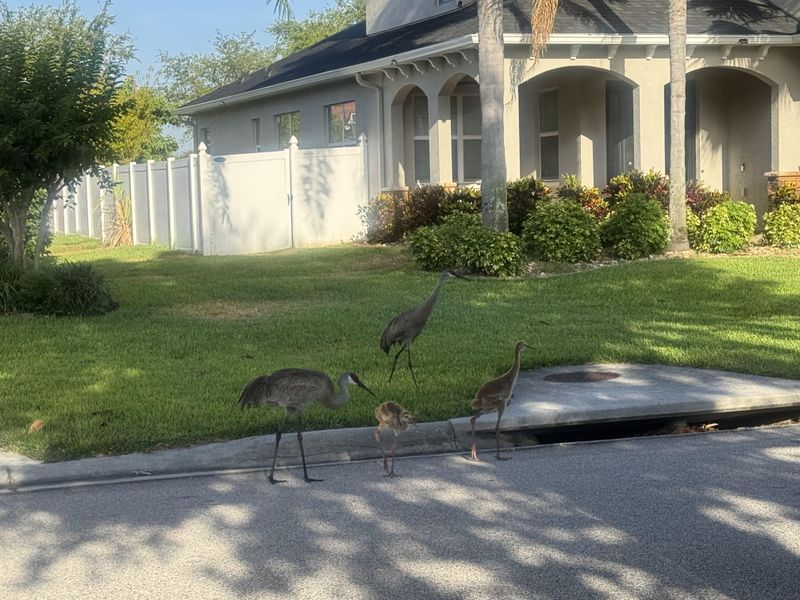
A pair of tall gray birds strolling across the lawn can feel like neighborhood royalty. Florida sandhill cranes often become familiar visitors, which makes the temptation to offer bread or birdseed especially strong.
Feeding sandhill cranes is prohibited in Florida. Food handouts can encourage them to approach people, gather near houses, and spend more time beside roads where they risk being struck by vehicles.
Some birds also begin pecking at windows, screens, or other reflective surfaces. Feeding does not cause every unwanted behavior, but encouraging cranes to linger beside the house can make conflicts harder to manage.
Keep seed from spilling onto the lawn where cranes can reach it, and never scatter corn or kitchen scraps for them. If cranes are using the yard, give them room and keep dogs away rather than trying to guide them by hand.
Enjoy their natural search for insects and other food from a distance. For a wildlife-friendly garden, choose regionally appropriate native plants and avoid deliberate handouts; a crane does not need a backyard feeding station.
8. Pelicans
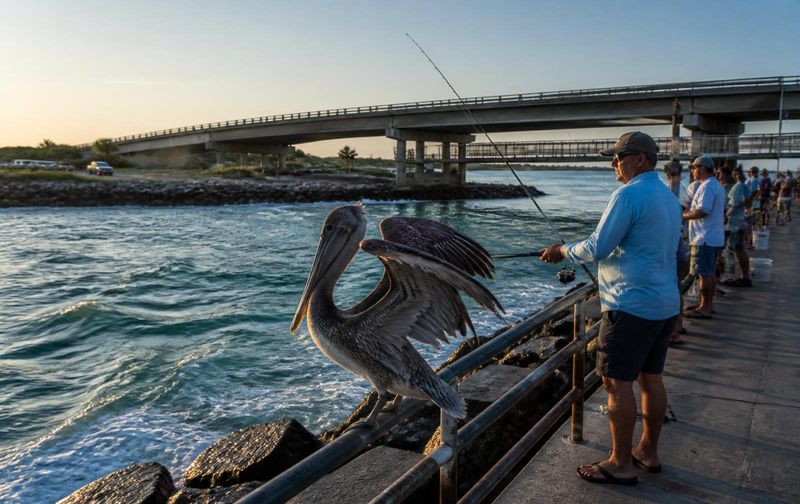
At a waterfront fish-cleaning table, a waiting pelican can look like the perfect cleanup crew. Tossing it scraps, however, teaches a wild bird to seek meals around hooks, fishing line, boats, and people.
Florida prohibits intentionally feeding pelicans. For homeowners with coastal docks or bayside yards, that means a fish carcass should not become a reward for the bird waiting beside the seawall.
Large fish bones and carcasses can injure pelicans, and birds drawn to fishing activity face entanglement risks. Even a small handout can reinforce the habit of begging at the next dock.
Use a secure container for fish waste while cleaning your catch, then dispose of it according to local requirements. Collect discarded line and hooks promptly, and ask guests not to toss bait or scraps toward birds.
If a pelican is hooked or tangled, contact a wildlife rescue organization for instructions rather than cutting the line and letting it leave with tackle attached. Across all eight visitors, penalties depend on the applicable rule and circumstances; check current FWC guidance rather than assuming every violation carries the same fine.