
Every fall, California oaks drop leaves that many of us rake up without a second thought. Some of those leaves may hold winter shelters for caterpillars, and the litter can also give ground beetles a place to hide.
Not every yard or every butterfly fits that story, so the trick is knowing where leaves can stay and where they need to go. Here is how to keep a little habitat without risking fire safety or plant health.
A falling oak leaf can carry a duskywing caterpillar’s shelter to the ground
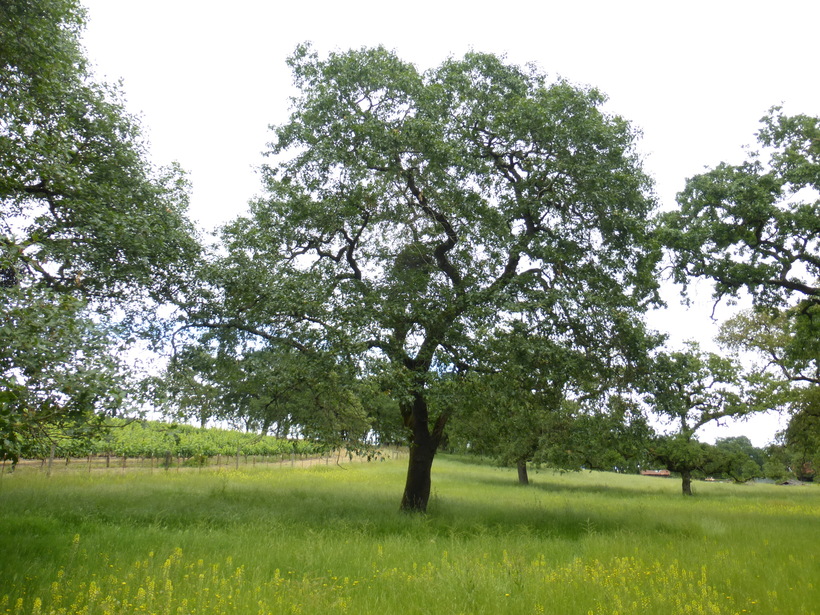
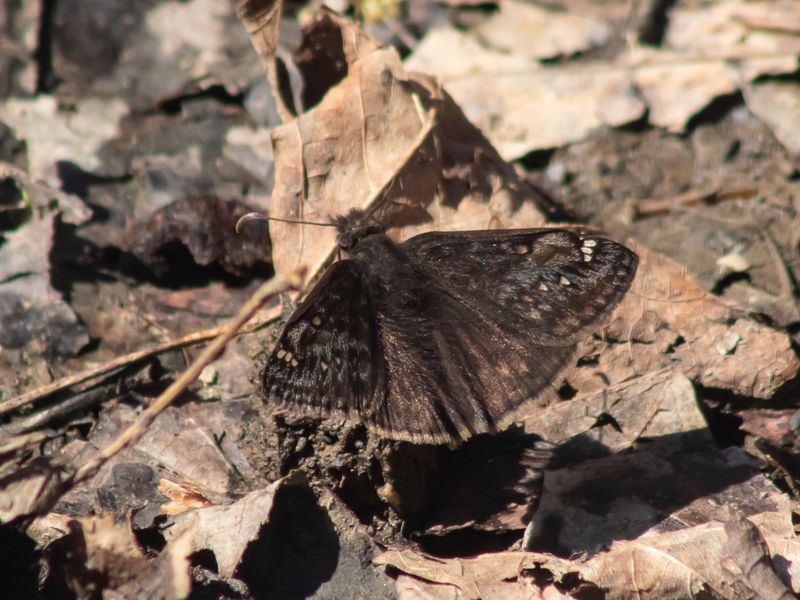
Picture a tiny caterpillar tucked inside a folded oak leaf, safe and snug as autumn winds pick up. That is the life of the Propertius duskywing, a California butterfly whose caterpillars build shelters from oak leaves.
According to UC Riverside Botanic Gardens, those leaf-and-caterpillar shelters drop to the ground in autumn.
Once the weather warms in spring, the larvae become active again and then pupate. Because the whole process happens down in the litter, removing the leaves beneath an oak can kill many of them.
A tidy yard can quietly erase a generation of butterflies.
That does not mean every fallen leaf hides a caterpillar. Most leaves are just leaves, and plenty of yards will have none of these shelters at all.
Still, if you have oaks in a part of California where this butterfly lives, the leaf layer under the tree is a place worth treating with some care.
Think of the duskywing as a documented example, not a rule for every butterfly. The next section explains why winter looks so different from one species to the next.
For now, the takeaway is simple: before you rake the whole canopy zone bare, ask whether some of it can stay.
California butterflies overwinter in more than one way
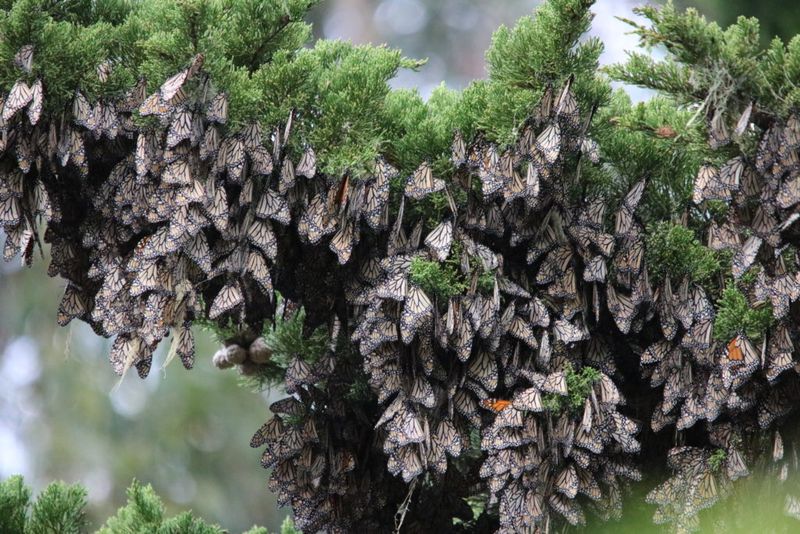
Winter strategies among butterflies are wildly varied. UC ANR describes California species that spend the cold months as eggs on oak twigs, as caterpillars in rolled leaves or leaf litter, as pupae in leaves, or as adults tucked into rock or tree crevices.
So the image of butterflies sleeping inside oak leaves is vivid shorthand, not a universal fact.
The Propertius duskywing overwinters as a caterpillar in a leaf shelter. The fiery skipper, by contrast, usually overwinters as a pupa buried in leaves.
Both use leaf litter, but at different life stages and in different ways.
Moths add another twist. The California oakworm is a moth, not a butterfly, and UC IPM says it overwinters as young caterpillars on the undersides of evergreen oak leaves.
It rarely overwinters on deciduous oaks, since eggs and larvae drop off with the leaves.
That means oakworms are not a reason to think fallen deciduous oak leaves are loaded with moths. Leaf litter can still be useful habitat for some creatures, but what lives in yours depends on your region, your trees, and the species nearby.
Treat leaf retention as a modest, local choice rather than a guarantee.
Leaf litter can shelter beetles that hunt some garden pests
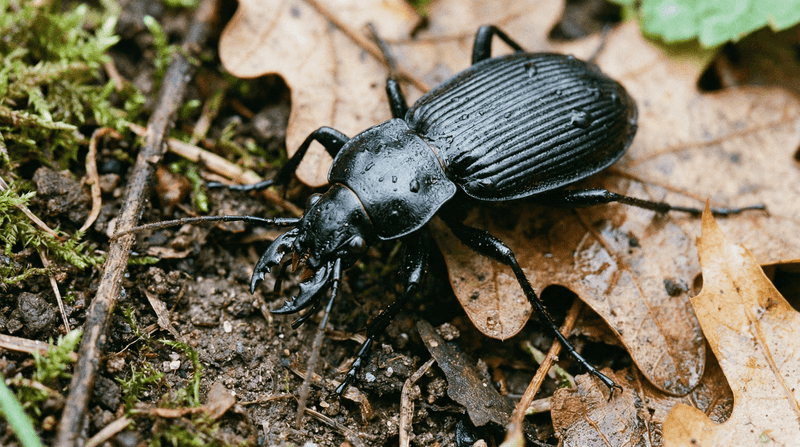
Lift a pile of old leaves in a damp corner and you may spot a glossy, fast-moving beetle scooting for cover. Many of these are ground beetles, and University of Wisconsin Extension notes they are often found under leaves and debris.
Plenty of ground beetles are hunters. Many prey on caterpillars, grubs, and other small animals, and that makes them welcome neighbors in a vegetable bed or flower border.
Diets vary, though. Some species nibble on plant material or seeds, so not every beetle under your oak is a garden helper.
Leaf litter simply offers shelter where predators may live and hide between meals.
It would be a stretch to promise that a leaf layer will control pests or let you cut back on sprays. Results depend on the beetles in your area, the pests you have, and a lot of other factors.
Consider the beetles a possible bonus, and enjoy the small drama of watching one dash from leaf to leaf.
Keep a suitable leaf layer under the oak without piling it against the trunk
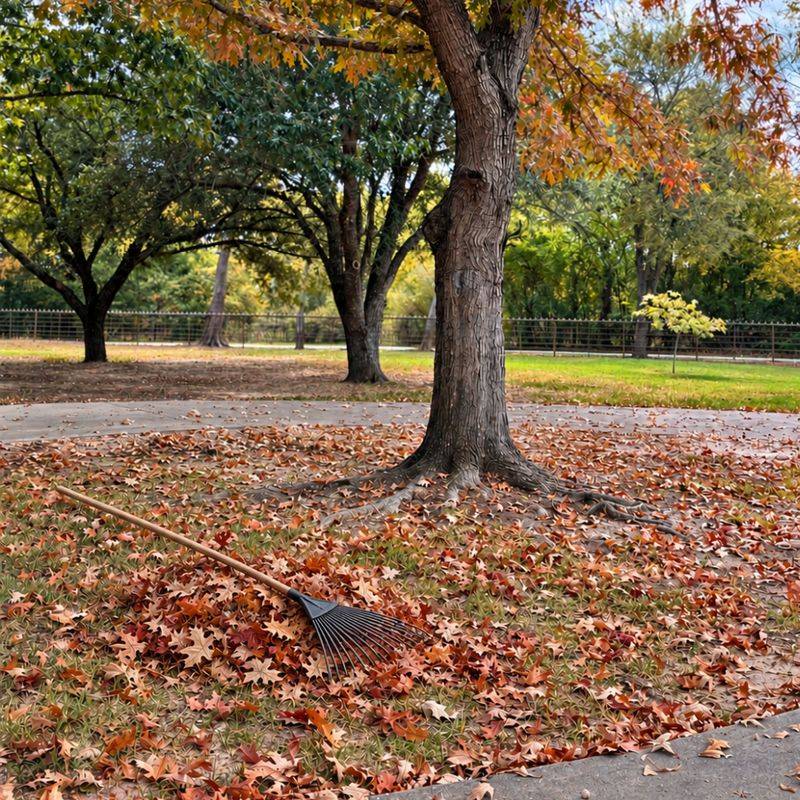
Oaks have their own ideas about how they want to be treated. UC Master Gardeners of San Luis Obispo County advise letting oak leaf litter stay undisturbed where it is safe, and they suggest 2 to 4 inches of organic mulch.
That range is the cited recommendation, not a rule for every site.
Aim for a suitable layer, not a mound. A loose, even blanket under the canopy works far better than leaves heaped high in one spot.
Keep mulch and leaves off the trunk itself, leaving a gap of open soil around the base. Avoid compacting the soil with heavy foot traffic, vehicles, or equipment, and avoid raising the soil level around a mature oak.
UC Cooperative Extension guidance on caring for oaks in home landscapes points to the same cautions.
A quick check is to stand back and look at the tree. If the trunk flares out of clear ground and the leaves lie in a gentle, even layer, you are on track.
If it looks like a volcano of debris, pull it back.
Move leaves from lawns and paths to a suitable bed
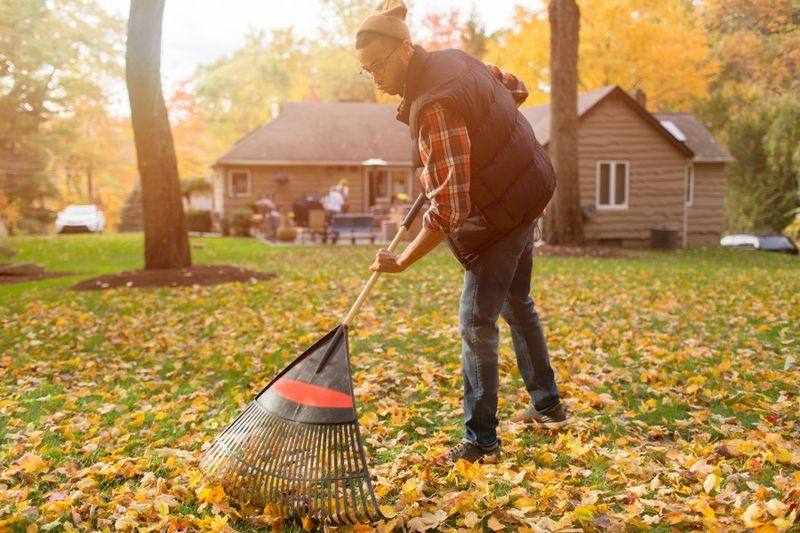
A slippery path or a lawn buried in leaves needs attention, but the compost bin is not your only option. Raking those leaves into a suitable bed or planter keeps them in your yard as possible habitat.
Think of it as relocating rather than discarding.
UF/IFAS Gardening Solutions suggests keeping only a thin layer of leaves on lawns and spreading extras over garden beds. That keeps turf from being smothered while still giving the beds a cozy cover.
If you can manage it, wait until late spring before clearing out beds where you have left leaves for wildlife. Many small creatures stay put until the weather has warmed for good.
Pulling the leaves too early can undo the benefit.
Pick bed spots that are away from walkways, structures, and anything else that needs to stay clear. A back corner border or a bed beneath a shrub often works well.
A sturdy leaf rake and a tarp for dragging make the job quick.
Defensible space takes priority near California homes
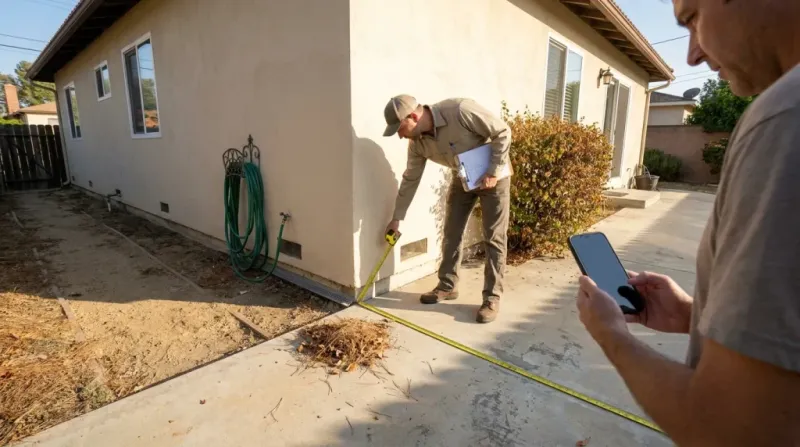
Wildlife habitat is a good goal, but fire safety comes first near a house. UC ANR Fire Network guidance calls for noncombustible material in the first five feet around structures and advises against combustible mulch there.
Dry oak leaves are combustible, so keep them out of that zone, along with roofs, gutters, decks, and similar spots.
Farther out, the rules depend on where you live. CAL FIRE’s defensible space guidance describes some areas where fallen litter up to three inches deep may be allowed.
It also notes that counties and local agencies may set stricter standards.
Before you decide where to leave leaves, check the requirements for your address. Your local fire department or county fire authority can tell you what applies to your property.
If you live in a hillside or wildland-edge neighborhood, expect tighter expectations.
A good habit is to walk your yard and mark zones: clear near structures, limited in the next band out, and more flexible in distant, safe parts. Leaves stay only where your local rules allow.
Clear leaves for a specific plant-health reason, not by default
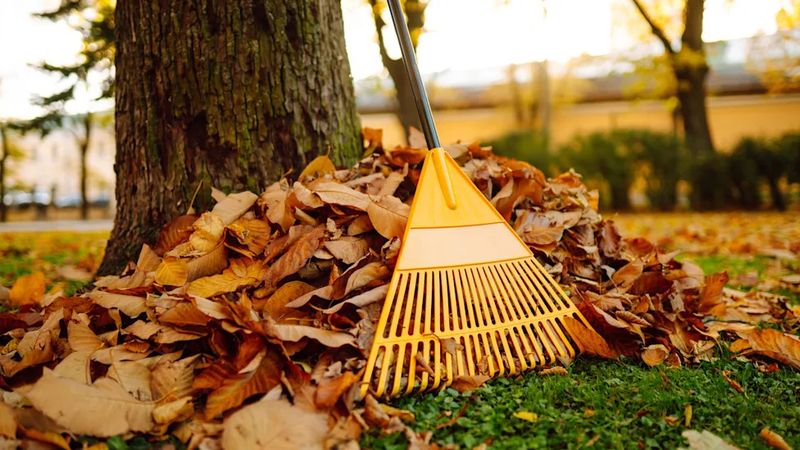
Sometimes cleanup really is the right call. University of Maryland Extension recommends removing infected leaves and stems where disease could spread, and picking up fallen fruit that can harbor pests.
The key word is targeted. If a rose is covered in leaf spots or a fruit tree dropped wormy fruit, deal with those specific problems.
Bag the infected material rather than leaving it to overwinter in the bed.
That is very different from clearing every healthy oak leaf in the yard. Ordinary oak litter in a suitable, fire-safe area is not the same as diseased foliage or rotting fruit.
Clean up the trouble spots and let the rest be.
A simple test: can you name the problem you are solving? If the answer is a specific disease or pest, remove the material.
If the answer is only that it looks messy, consider whether a patch of leaves could stay somewhere out of the way.
Keep what is safe, and relocate or clear what is not

Here is a simple rule for the season. Keep healthy oak leaves where they are safe, using a modest layer like the UC Master Gardeners suggest, and move them off lawns and paths.
Clear them where fire guidance or plant disease calls for it.
A yard can be tidy where it counts and generous where it can be. Spring will show you what you saved.