
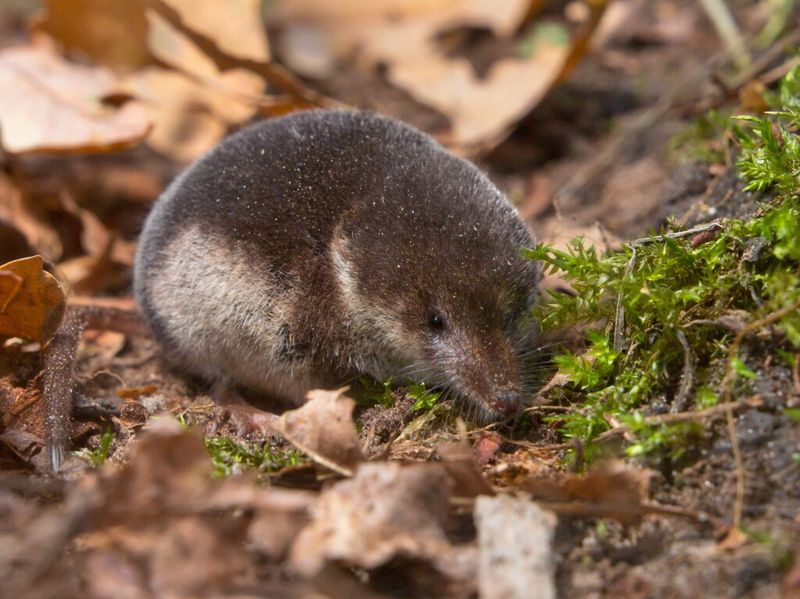
Somewhere under your leaf litter, a tiny hunter may be on the move. Minnesota’s short-tailed shrew has saliva that works as venom, and it packs that into a body that weighs less than a few pencils.
Most people never see one, but gardeners who spend time near brush piles and thick ground cover may wonder. Here is what the animal is, where it lives, and how to treat it if you cross paths.
Meet Minnesota’s short-tailed shrew
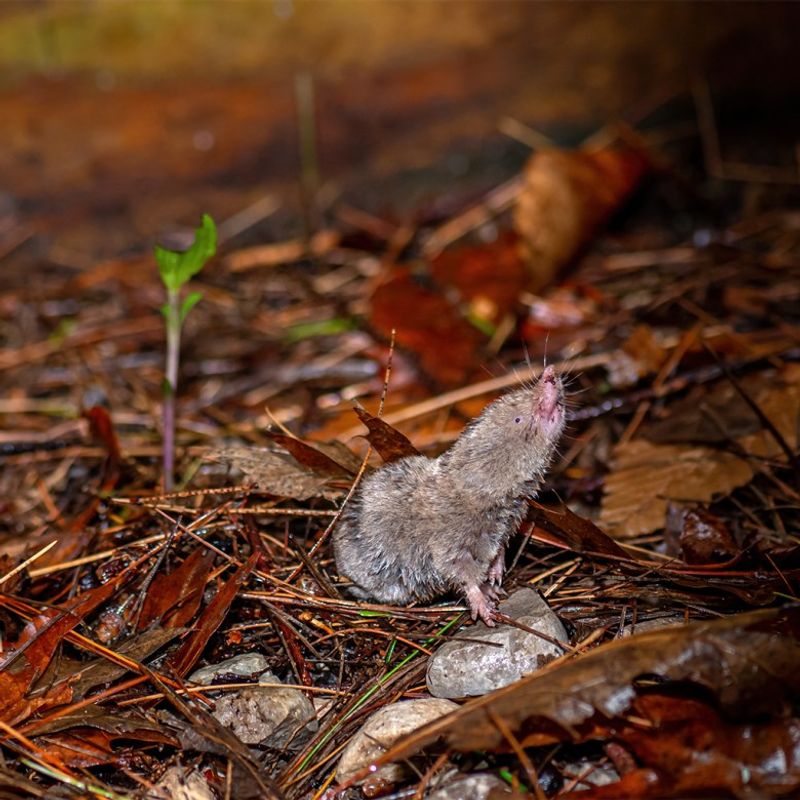
Minnesota’s short-tailed shrew (Blarina brevicauda) is a small, mouse-sized mammal with dark gray fur, a pointed snout, and a stubby tail. According to the Minnesota DNR, it weighs about one-half to three-fourths of an ounce and lives throughout the state.
The University of Minnesota’s atlas lists it as the northern short-tailed shrew.
That weight is a typical figure, not a rule for every animal. A U.S.
Forest Service species account gives a broader range of roughly 20 to 30 grams, and the top of that range is a little over an ounce. So a big individual could tip past the headline number.
It is also not the same animal as the pygmy shrew. The DNR describes pygmy shrews as much smaller, and the venom story belongs to the short-tailed shrew, not to every shrew you might hear about.
How does a shrew deliver venom?
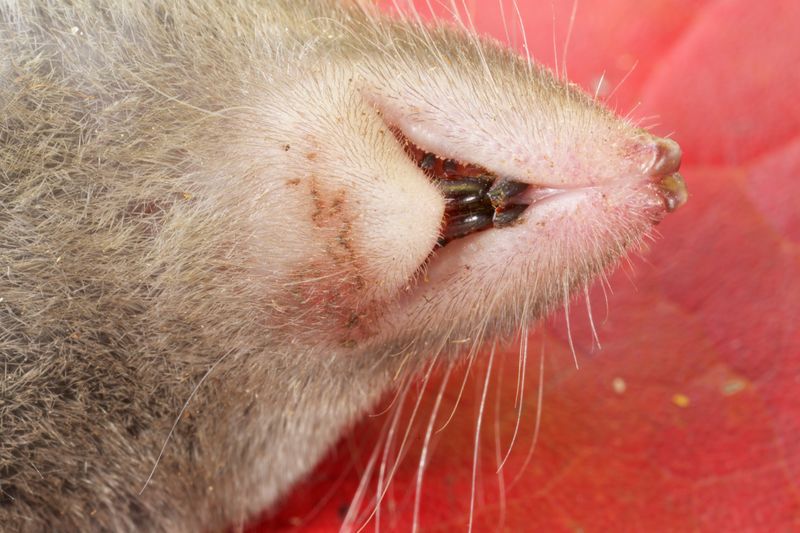
The venom is in the saliva, and it enters through a bite. Researchers who studied Blarina brevicauda isolated a toxin from its saliva and described its effects on prey in a PNAS paper on Blarina toxin.
The Forest Service account likewise notes that the venom helps the shrew immobilize what it catches.
That matters for a hunter with a tiny body. Subduing prey with venom lets a shrew handle animals it might struggle to overpower otherwise.
People are not the target, but a bite can still hurt. The Minnesota DNR reports that a bite can cause painful swelling lasting several days.
That is a reason for caution, not alarm, because the sources do not show how often bites happen or how severe they usually are.
Could one turn up in your yard?
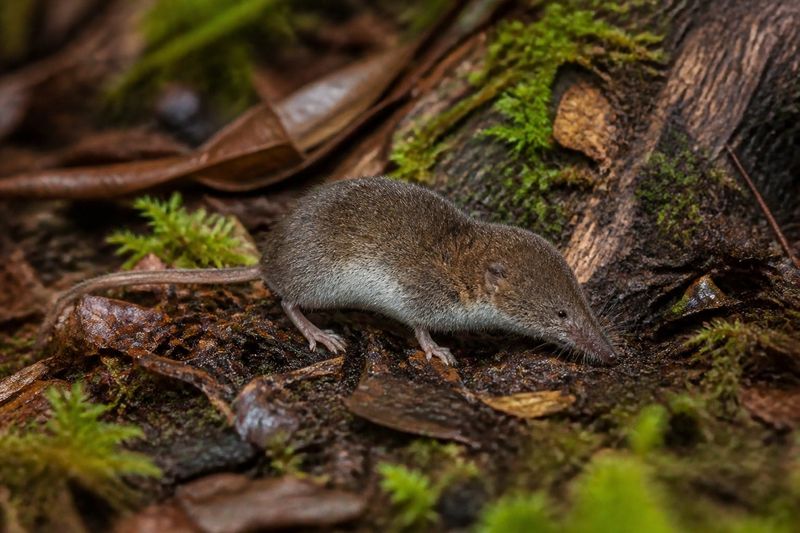
Possible, yes. Likely at your house, nobody can say.
Shrews live statewide in Minnesota, but that tells you nothing about whether one visits a specific lot.
The Forest Service account links the species with ground litter, dense cover, logs, and other woody debris. A yard with a leafy border, a woodpile, or a wooded edge has some of those features, so a sighting is plausible in those spots.
The Minnesota DNR page confirms the animal’s statewide range.
Shrews are small and tend to stay under cover, so many people live near them without noticing. Seeing one does not mean you have a problem, and adding brush or logs is not a proven way to attract one.
A varied predator, not a guaranteed garden fix
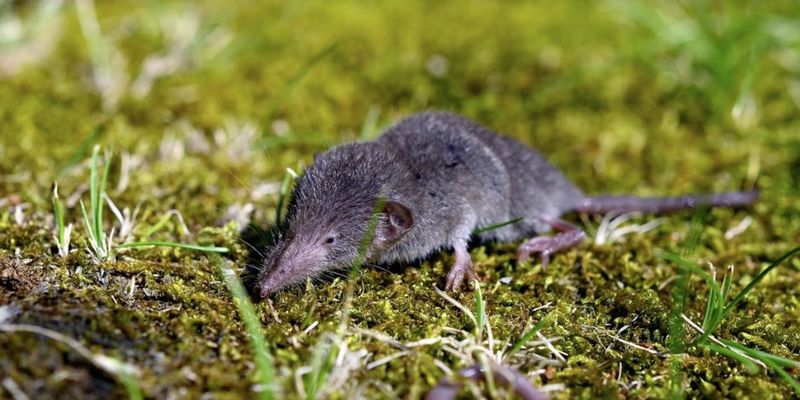
Short-tailed shrews eat animals, and they are not picky. The Forest Service account lists invertebrates as a major part of the diet, with small vertebrates and a little plant material too.
Cornell Cooperative Extension names slugs, earthworms, insects, and small animals as prey.
Gardeners may be happy about the slugs and insects. Earthworms are on the menu as well, and most gardeners want those left alone.
So think of the shrew as a wild hunter that happens to share your space, not a pest-control service. Neither source shows that shrews measurably reduce pests in home gardens.
If slugs or insects are damaging your plants, a shrew may eat some, but it may not make a noticeable dent.
For an ordinary sighting, give it space
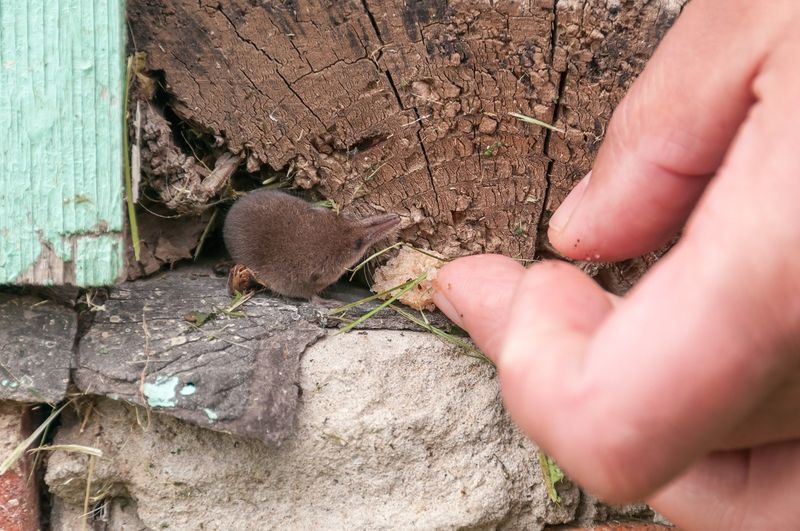
Spot a shrew darting through the mulch? Let it go on its way.
Do not pick it up, and keep children and pets from trying to grab it.
The reason is simple. The Minnesota DNR reports that a short-tailed shrew bite can cause painful swelling lasting several days, and Cornell Cooperative Extension notes that shrews can bite when handled improperly.
A bite only happens if someone handles the animal, so a quiet sighting is not an emergency. Plan on watching from a distance and carrying on with your gardening.
There is no need to catch it or remove it, and this article does not offer instructions for doing so.
For injured wildlife, contact a permitted rehabilitator
An injured animal is a different situation from a shrew passing through. If you find one that is hurt, stay hands-off and call for help.
The Minnesota DNR page on sick, injured or orphaned wildlife advises contacting a permitted wildlife rehabilitator before handling or moving the animal. It also cautions that wild animals can bite or scratch.
A rehabilitator can tell you what to do next and whether the animal needs care. That beats guessing, especially with a species that has venomous saliva.
Rules about trapping or removing wildlife can be specific, so check the DNR’s wildlife control guidance before acting on any removal idea. For a small animal that is just passing through, patience is usually the safest plan.