
Some of Florida’s best garden plants are missing from the usual store racks. Native plant nurseries offer a wider world of wildflowers, shrubs, and trees that feed wildlife and suit local growing conditions.
The ten growers and garden centers below are places to look for those harder-to-find choices, though stock changes with the season. Here, rare means uncommon in garden stores, not necessarily endangered in the wild.
1. Green Isle Gardens
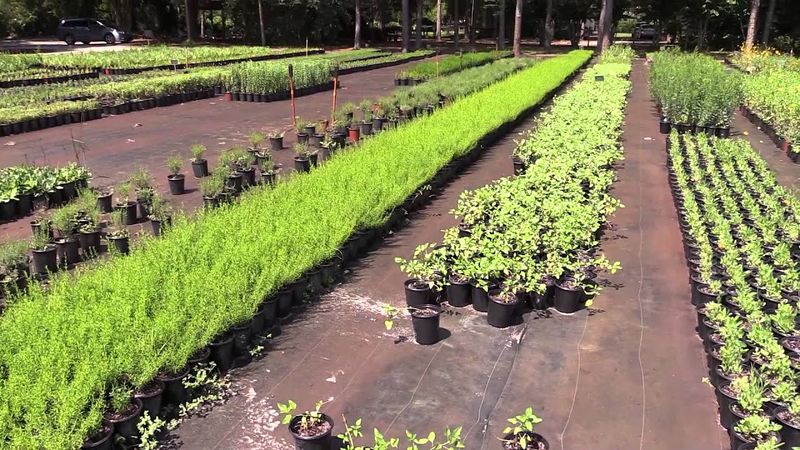
A small patch of Florida wildflowers can offer more life than a whole row of clipped shrubs. Green Isle Gardens in Groveland is especially appealing for gardeners who want to explore native flowering plants and grasses beyond the familiar landscape staples.
Its focus makes it a useful place to discuss a sunny pollinator bed, a loose cottage-style border, or a small meadow planting. Ask about less commonly sold species suited to your county, rather than choosing only by flower color.
For dry, sunny ground, discuss plants such as silkgrass, blazing star, and native grasses, with species selected for your actual soil moisture. A plant from a wet flatwoods habitat may struggle beside a driveway even if both locations receive full sun.
Bring measurements and a few photographs of the planting area. Ask which selections remain compact, which spread by seed, and which disappear seasonally.
Before traveling, confirm shopping hours and current availability. Buying several compatible plants for one small bed usually creates a stronger result than collecting one of everything without a layout.
2. Native Nurseries
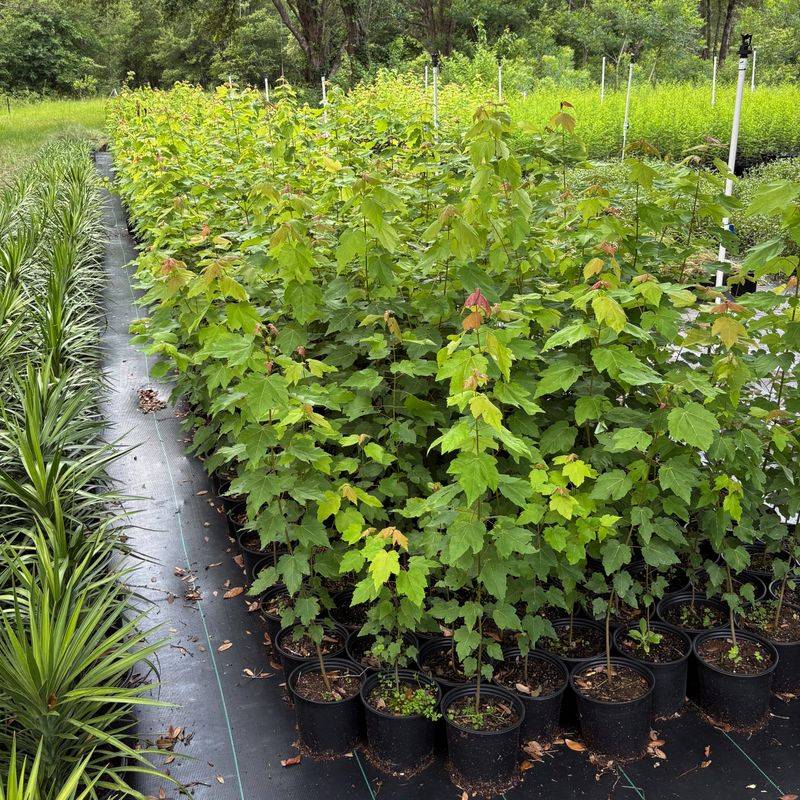
Shade does not have to mean an empty bed beneath the trees. Native Nurseries in Tallahassee offers a useful starting point for North Florida gardeners who want woodland plants and wildlife-friendly landscaping rather than another sun-loving flower that struggles under an oak.
The nursery’s regional focus matters because Tallahassee gardens face winter cold that many tropical Florida plants cannot handle. Ask for choices matched to the Panhandle and Big Bend, especially when shopping for less familiar shrubs or understory plants.
Woodland phlox, native azaleas, and suitable native viburnums are examples worth discussing, not promises of current stock. Each has different needs for moisture, drainage, and room to grow.
For a practical yard upgrade, start along the edge of a shaded sitting area. Combine a flowering understory plant with a shrub that provides shelter or fruit, while leaving space around established tree trunks.
Keep fallen leaves where they will not smother small plants, and avoid digging through major roots. Staff guidance can help you build a layered planting without harming the trees that make the space comfortable.
3. Mail-Order Natives
Sometimes the plant you want is several counties away. Mail-Order Natives gives Florida gardeners another route to specialty native plants, particularly woody species that may never appear on a nearby garden-center rack.
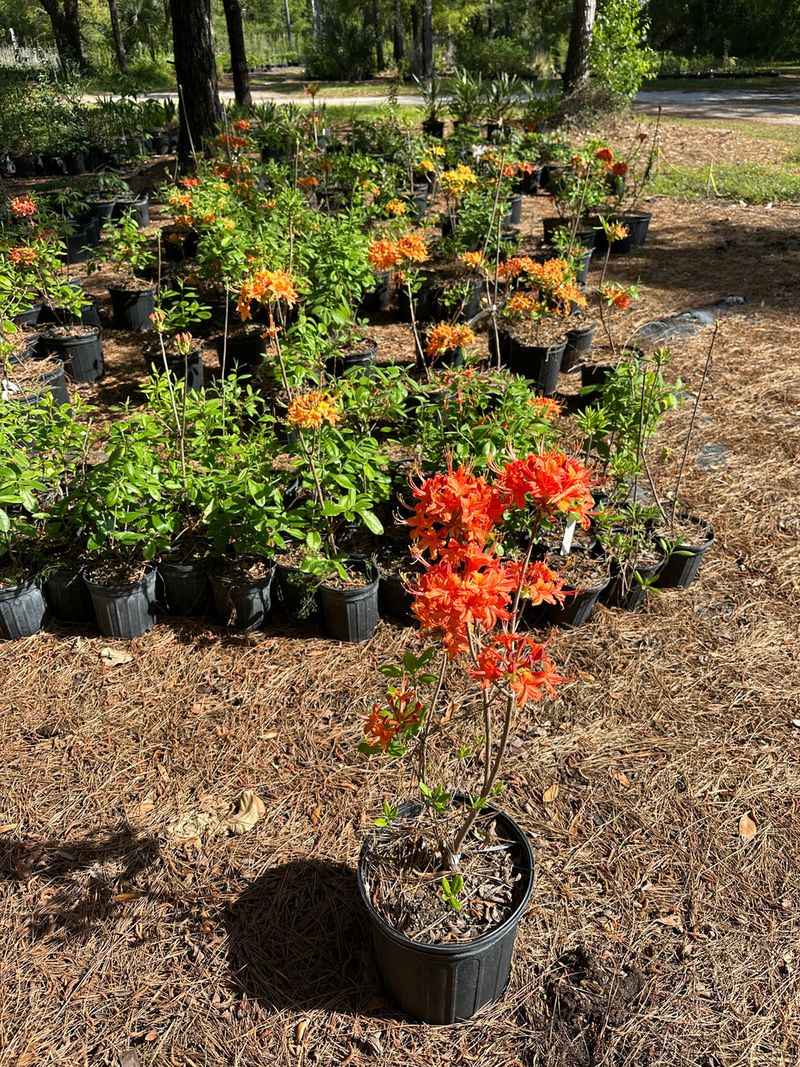
The North Florida grower is known for offerings that include native azaleas and other trees and shrubs. Its appeal is access: a gardener planning a woodland border can look beyond whatever happens to be available locally that weekend.
Read each listing carefully before ordering. A plant native to the southeastern United States is not automatically native to Florida, and a Florida species is not automatically suited to every part of the state.
Native azaleas illustrate why that distinction matters. Many need acidic soil, suitable moisture, and protection from harsh afternoon exposure, making them poor substitutes for a tough shrub in hot, dry fill.
Check shipping schedules, plant size, and arrival instructions before paying. Have the planting area ready, unpack promptly, and follow the grower’s acclimation guidance rather than placing a newly shipped plant straight into punishing sun.
Availability can be seasonal, so flexibility helps.
4. Sweetbay Nursery
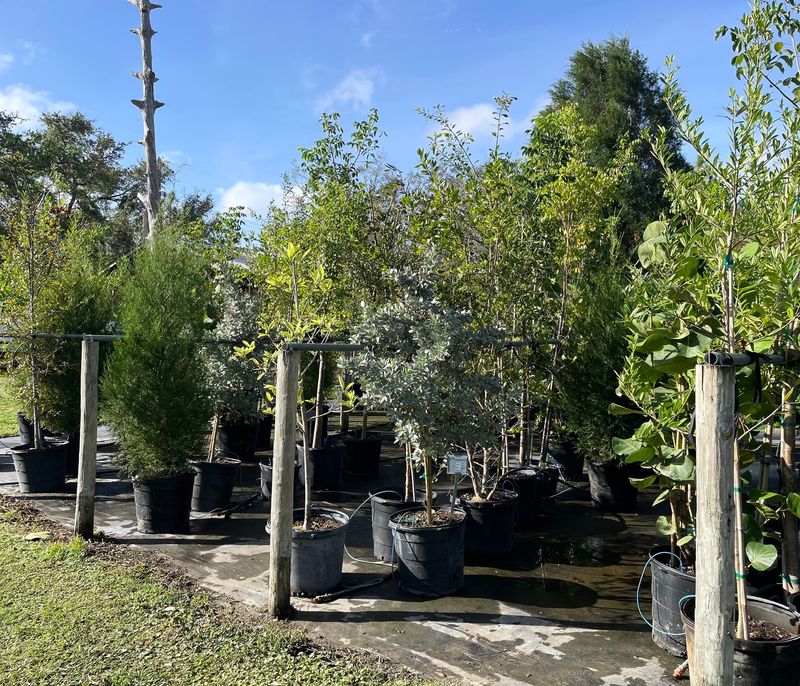
Replacing one thirsty foundation bed is a manageable way to begin gardening with natives. Sweetbay Nursery in Parrish is a useful stop for homeowners around the southern Tampa Bay area who want plants selected with Florida landscapes in mind.
Its native-plant emphasis supports more than a flower-shopping trip. You can plan the bones of a bed, including shrubs, lower flowering plants, and grasses that give it shape between bloom cycles.
Ask about less common alternatives to the shrubs repeated throughout nearby subdivisions. Depending on your conditions and available stock, discussions might include suitable stoppers, native coffee species, or other wildlife-supporting shrubs.
Do not treat those plants as interchangeable. Cold tolerance, mature width, soil moisture, and exposure to salt spray can change which choice belongs beside your house.
Bring a photo showing windows, walkways, and roof edges so the finished planting stays useful as it grows. Fall can offer a welcome planting window in this region, but newly installed natives still need attentive watering.
Confirm hours and inventory before making a special trip for a particular species.
5. Florida Native Plants Nursery
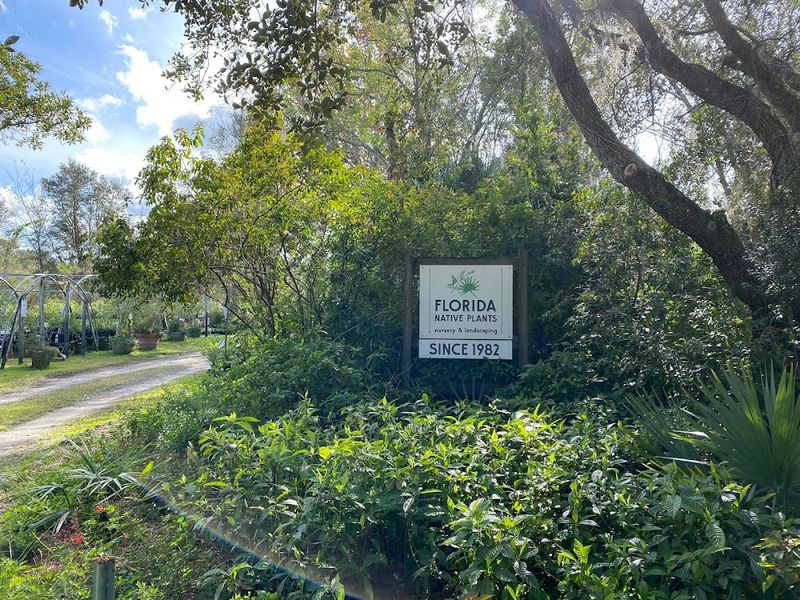
Finding a plant is only half the job; imagining it at full size is the harder part. Florida Native Plants Nursery in Sarasota is worth exploring when you want a more natural-looking yard rather than a collection of unrelated pots.
Its native focus makes it a place to investigate plants outside the usual ornamental lineup. Ask for combinations that suit your part of the Sarasota area, especially if your yard contains both dry sand and pockets that stay wet after rain.
A useful project is a layered border along a fence. Choose a shrub for screening, add flowering plants at the sunny edge, and use an appropriate groundcover or grass to connect the planting.
Request botanical names for unfamiliar choices and check their mature spread. A small nursery container can hold a future thicket, which is excellent for some wildlife areas but awkward beside a narrow gate.
For uncommon plants, ask whether they are nursery-propagated and whether more will become available later. Let the growing site guide the purchase, and avoid collecting plants from natural areas to fill gaps in the design.
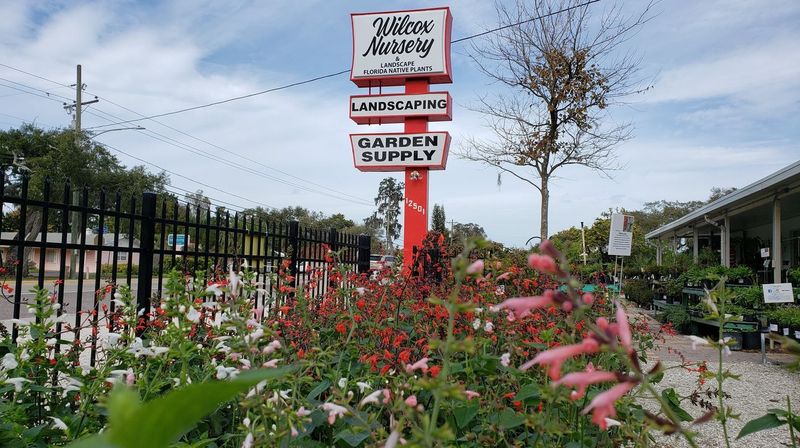
6. Wilcox Nursery & Landscape
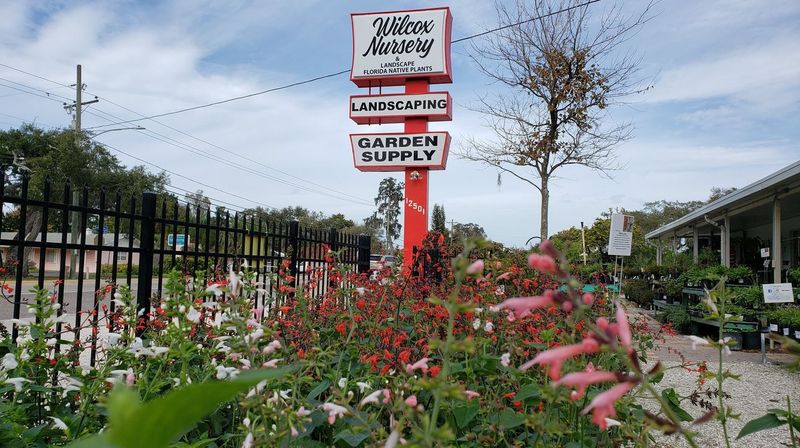
A native front yard can still look tidy enough for a formal entry. Wilcox Nursery & Landscape in Largo stands out for gardeners who want to connect specialty native plants with a clear landscape plan.
That design angle is helpful in Pinellas County, where many yards are small and every plant has a visible job. A screening shrub, low border, and flowering accent need to fit together without blocking sidewalks or swallowing the front windows.
Ask about less commonly stocked natives that suit a polished layout, not just a wildflower patch. Depending on the site, suitable native hollies, compact shrubs, or lower-growing flowering plants may provide the structure you need.
Coastal conditions deserve a separate conversation. Salt spray, salty soil, and occasional flooding are different stresses, and tolerance of one does not prove tolerance of the others.
Take a simple sketch with measurements and note nearby overhead wires. For trees, discuss mature size and placement rather than assuming any native is storm-proof.
Before buying an uncommon species, confirm its growth habits and care needs so the finished bed stays attractive without constant corrective pruning.
7. Native Butterfly Flowers
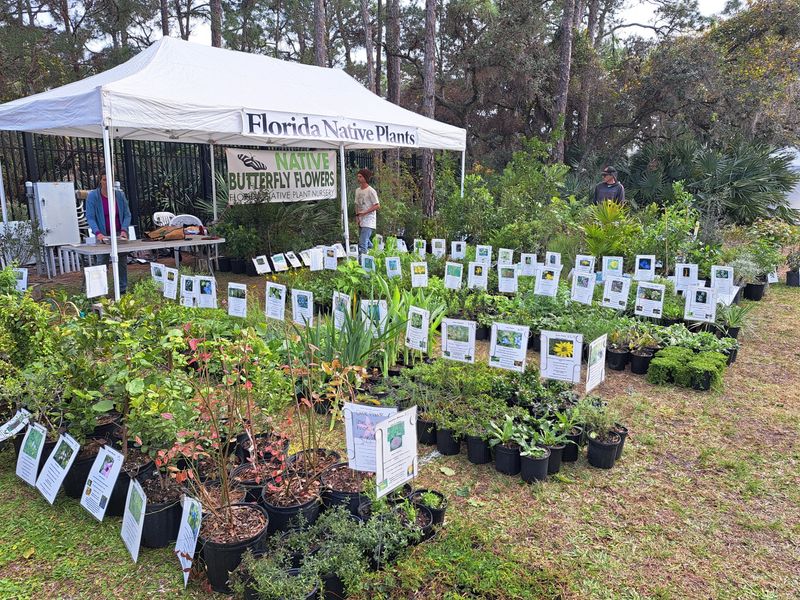
Butterflies need a nursery for their young, not just a place to sip nectar. Native Butterfly Flowers in West Melbourne is a fitting stop for Space Coast gardeners who want to build that full life-cycle habitat.
The key shopping distinction is between nectar plants and host plants. Adult butterflies visit flowers for food, while caterpillars often depend on particular plant groups that ordinary flower displays may leave out.
Ask which locally appropriate native host plants fit your light and moisture conditions. Discuss native milkweeds where suitable, native passionvines, or other host plants matched to butterflies found in your area, while confirming what is actually available.
Be realistic about appearance: a successful host plant may have chewed leaves. Place it where feeding damage will not tempt you to spray, and use neighboring plants to keep the bed looking full.
Ask about pesticide practices, including systemic insecticides, before buying plants intended for caterpillars. Start with a few well-matched species and enough space for them to grow.
A small, functioning habitat offers more value than a crowded bed selected only for bright flowers on shopping day.
8. Indian Trails Native Nursery
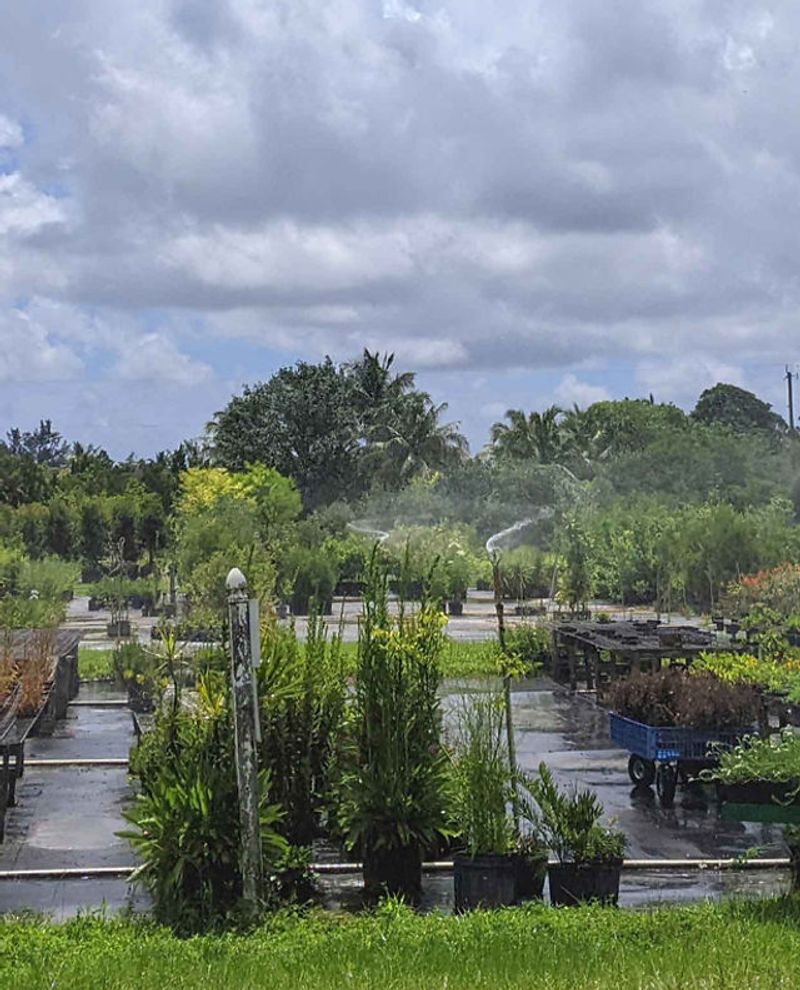
Palm Beach County gardens can support native shrubs that would struggle through a North Florida winter. Indian Trails Native Nursery in the Lake Worth area offers a place to explore that South Florida plant palette beyond the usual hedge choices.
For homeowners, the strongest reason to visit is a larger landscape project. A privacy screen, habitat border, or replacement for an oversized ornamental hedge calls for careful choices about spacing and mature size.
Ask which less familiar native shrubs are suitable for your specific location. Marlberry, suitable stopper species, and other regional plants are useful conversation starters, but availability and site suitability need confirmation.
Before choosing, explain whether your property is inland or near the coast and whether water lingers after summer storms. Also ask how each plant responds to pruning, since a naturally broad shrub may be a poor match for a very narrow strip.
Confirm current public access, purchasing requirements, and stock before visiting. For a long hedge, buying a small trial group first can be wiser than committing the entire boundary to a plant you have never grown.
9. All Native Garden Center & Plant Nursery
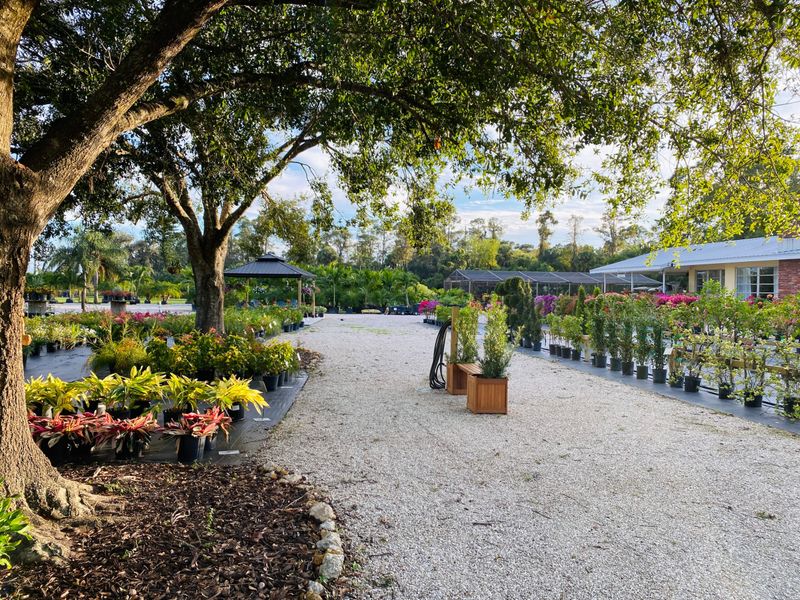
Southwest Florida can change from dusty sand to soaked ground surprisingly fast. All Native Garden Center & Plant Nursery in Fort Myers is a useful place to discuss plants for those local conditions instead of relying on a broad hardiness-zone label.
A productive shopping trip starts with one problem area. Perhaps the front bed bakes beside the pavement, or a low corner holds water after heavy rain; those spaces need different plant lists.
Ask about uncommon natives that match the actual conditions, including appropriate shrubs, flowering perennials, and groundcovers. Sunshine mimosa may be worth discussing for a suitable sunny area, while moisture-loving species belong in a separate conversation.
Explain how the space is used before selecting a lawn alternative. Foot traffic, irrigation, spreading stems, and the need for a neat edge can matter as much as drought tolerance.
Keep expectations grounded after planting. Even locally suited natives need establishment care, and a newly planted bed is not ready to survive every dry spell unattended.
Request a watering plan based on container size and weather, then adjust it as roots spread into the surrounding soil.
10. Sandhill Native Growers
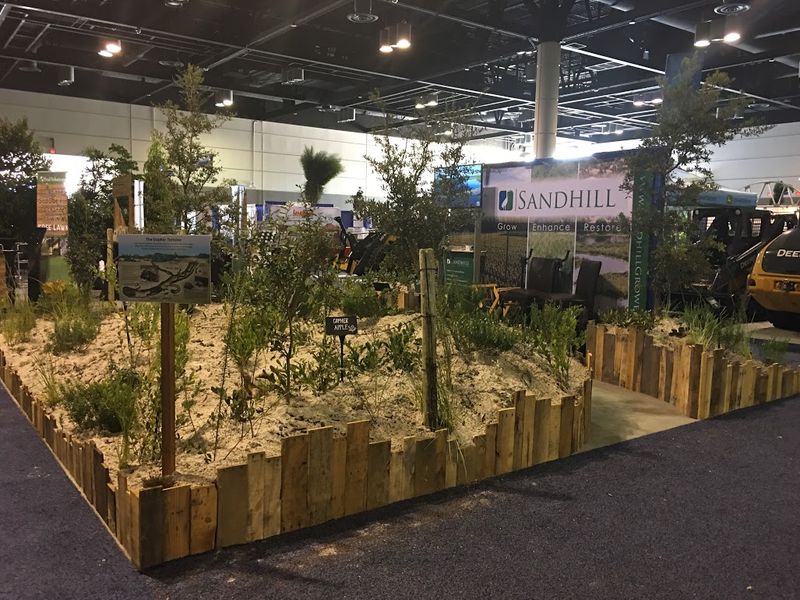
The hardest plants to find are sometimes the quiet ones: sedges, rushes, and other species that make a planting work without stealing the spotlight. Sandhill Native Growers, based near Arcadia, brings a grower-scale perspective to native landscapes and restoration projects.
Unlike a casual garden-center stop, this is a source to contact before planning a visit or purchase. Confirm current sales policies, minimum quantities, and whether a homeowner should order directly or work through a landscape professional.
Its value for a home project lies in looking beyond showy flowers. A larger rain garden, pond margin, or naturalized property edge may need plants selected for water levels and soil conditions rather than bloom color alone.
Ask for help separating plants that tolerate occasional wetness from those that need consistently moist soil. Also discuss mature height, spreading behavior, and maintenance access before filling a drainage area.
Do not block swales or change drainage patterns without checking local requirements. For a substantial planting, a site plan and guidance from your county’s UF/IFAS Extension office can help turn an unusual plant order into a landscape that actually functions.