
Planting something once and watching it return every spring is one of the best deals in gardening. In North Carolina, the right perennials can handle our hot summers, clay soil, and surprise freezes without much fuss.
Late September is a smart time to get many of them in the ground, since cooler air and warm soil help roots settle before winter. Here are eight tough, mostly native plants that reward you year after year while feeding pollinators and birds.
1. Black-Eyed Susan
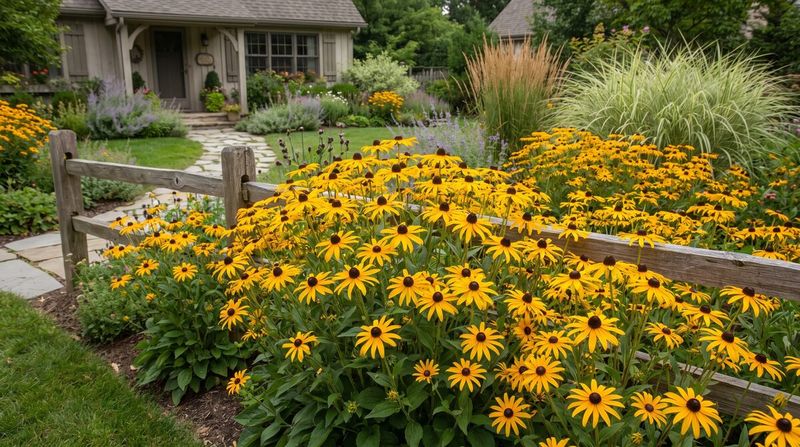
Few flowers say Carolina summer louder than a patch of golden black-eyed Susans nodding by the mailbox. Rudbeckia fulgida and its cousins grow wild across the state, so they already know how to handle red clay and July heat.
Plant them in full sun and water through the first few weeks. After that, they usually get by on rainfall alone, even in the Piedmont’s dry spells.
Here’s the bonus: leave the seed heads standing this fall. Goldfinches may visit to pick at them, and the clumps tend to spread slowly into a fuller show each year.
2. Purple Coneflower
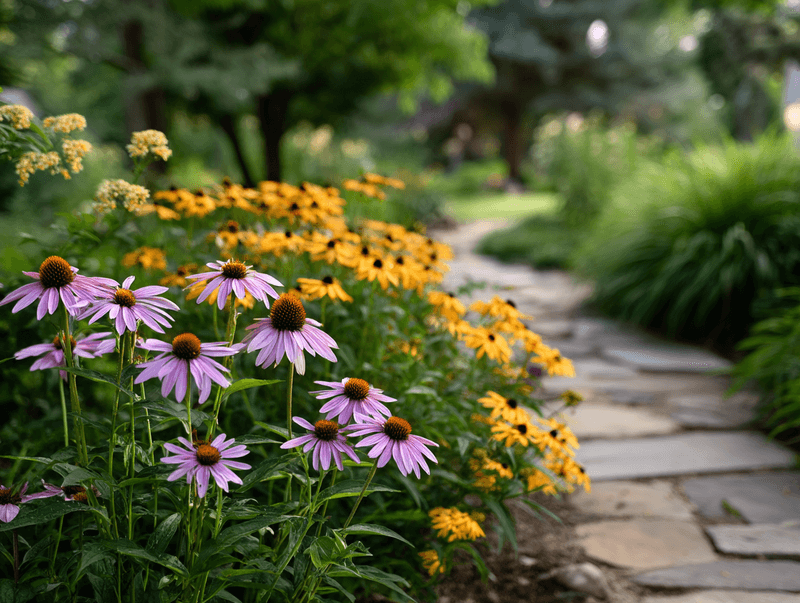
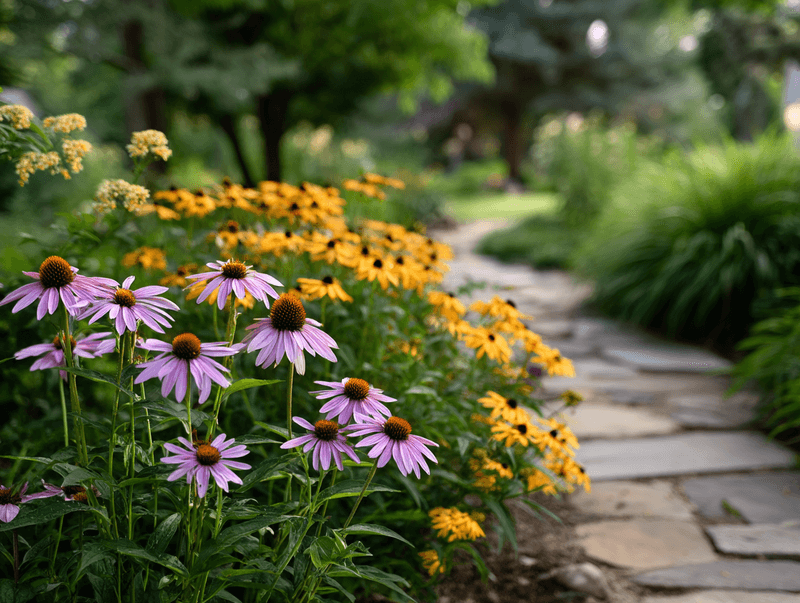
Butterflies treat purple coneflower like a roadside diner. Echinacea purpurea is native to the Southeast, and its sturdy pink-purple petals hold up through heat that wilts fussier plants.
Give it sun and soil that drains reasonably well. Raised edges or slopes work nicely if your yard holds water after storms.
Skip heavy fertilizer, which can make stems floppy. Once established, it may live for years with little more than a spring cleanup, and the dried cones can feed small birds into winter.
3. Eastern Purple Coneflower Companion: Bee Balm
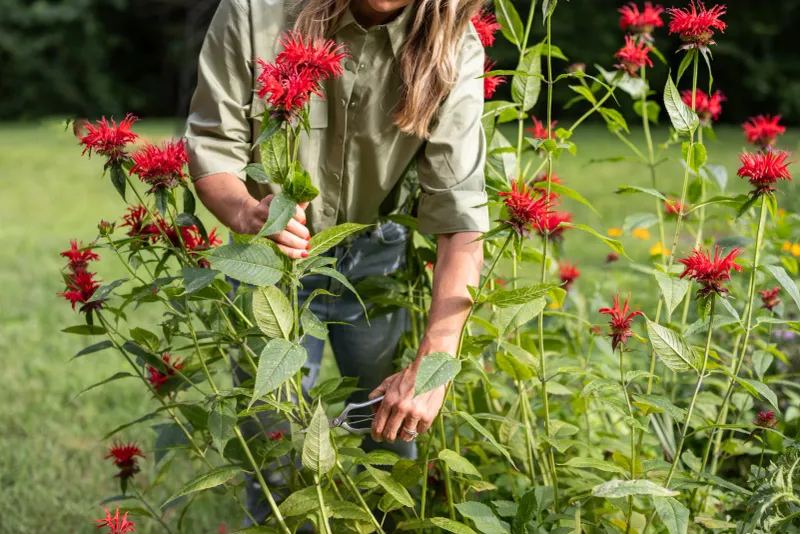
Want hummingbirds zipping past your porch? Bee balm, or Monarda, is one of the most reliable ways to invite them.
Scarlet bee balm thrives in the cooler mountains, while spotted bee balm (Monarda punctata) handles sandy coastal plain soil beautifully. Both are native and smell minty when you brush past.
Fair warning, it likes to wander. Plant it where a little spreading is welcome, and thin clumps every few years to improve airflow, which can reduce powdery mildew.
4. Garden Phlox
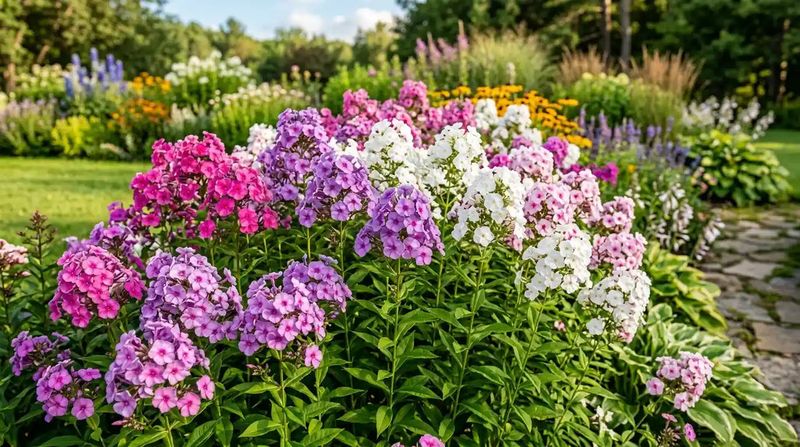
My grandmother’s phlox bloomed every August without anyone remembering to water it, and that old-fashioned toughness still holds. Garden phlox (Phlox paniculata) is native to the eastern U.S. and fills borders with sweet-scented color in mid to late summer.
Choose mildew-resistant varieties like ‘Jeana’ or ‘David’ to save yourself headaches in humid NC weather. Sun to light afternoon shade suits it best.
Swallowtails love the flowers. Cut stems back after bloom if you want a tidy look, or leave them be.
5. Christmas Fern
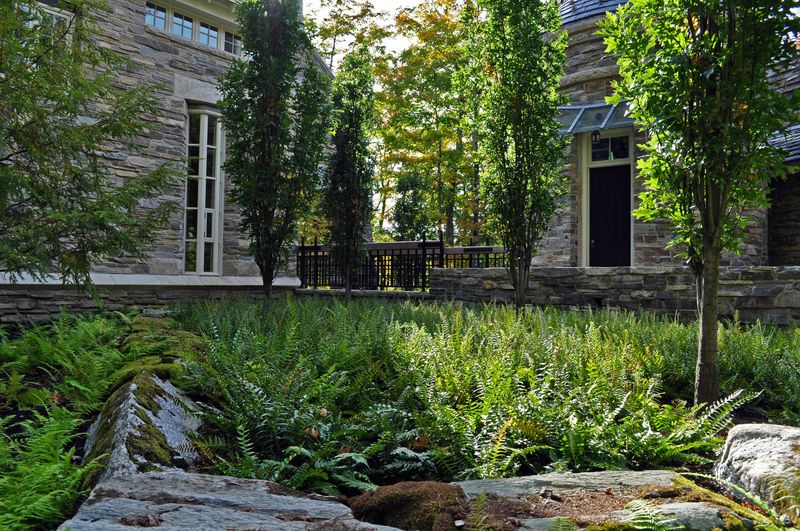
Shady corners under oaks frustrate plenty of homeowners. Christmas fern quietly solves that problem.
Polystichum acrostichoides stays green through winter across all three NC regions, which is how it earned its name. It grows in dry shade where grass gives up and needs no deadheading at all.
Fall is an ideal planting window. Tuck a few under trees now, and by spring you’ll have a lush, low-care groundcover that also gives toads and ground beetles a place to shelter.
6. Threadleaf Coreopsis
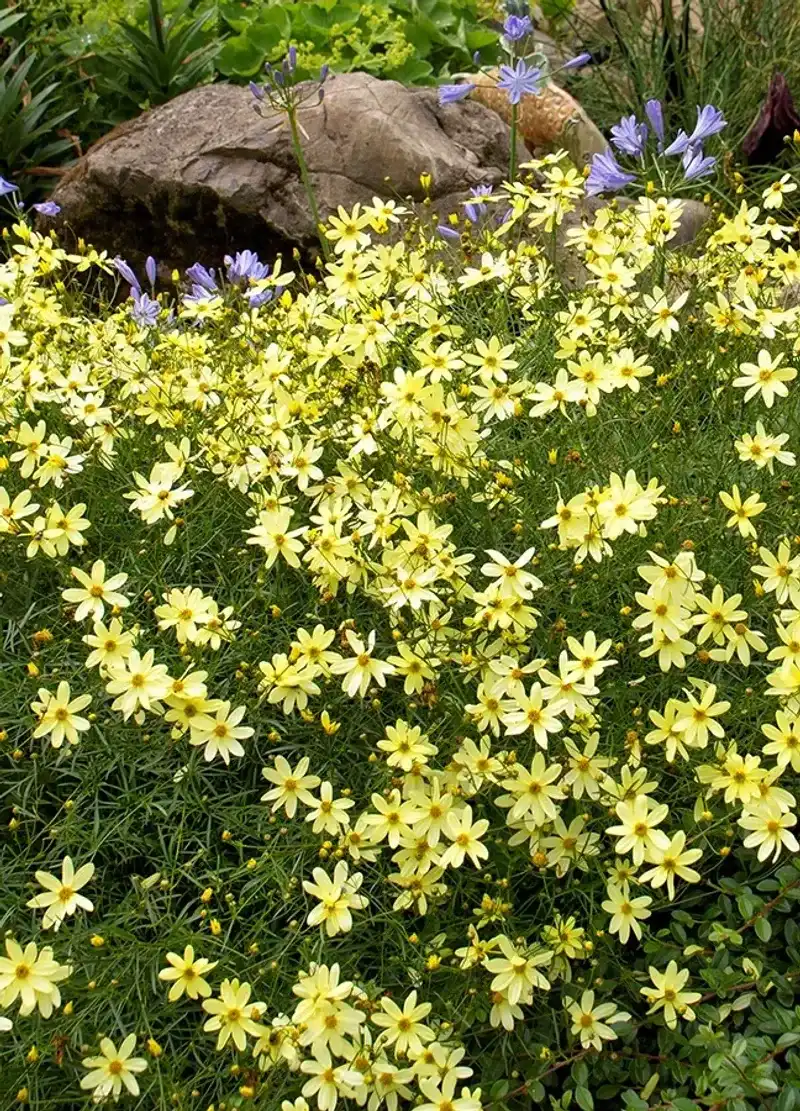
Some plants thrive on neglect, and threadleaf coreopsis practically demands it. Coreopsis verticillata is a Southeast native with lacy foliage and buttery yellow blooms from early summer into fall.
It loves poor, sandy, or rocky soil, which makes it a smart pick for hot driveway edges and coastal yards. Rich soil and extra water can actually make it sprawl.
A quick shearing in midsummer may coax a second flush of flowers. Otherwise, just enjoy it.
7. Aromatic Aster
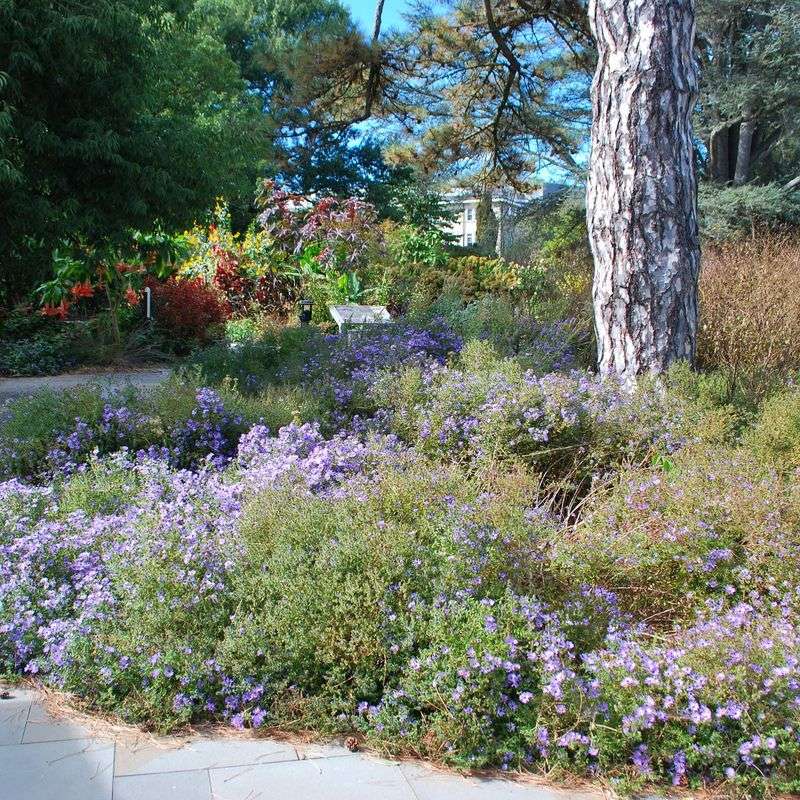
Just when summer flowers fade, aromatic aster steps up. Symphyotrichum oblongifolium covers itself in lavender-blue daisies from September into November.
Late bloom matters for wildlife. Migrating monarchs and fall bees can fuel up on asters when little else is flowering in NC yards.
It handles drought, clay, and full sun with ease. Pinch stems back by early July for a neater mound, then sit back and enjoy the fall show.
8. Green and Gold
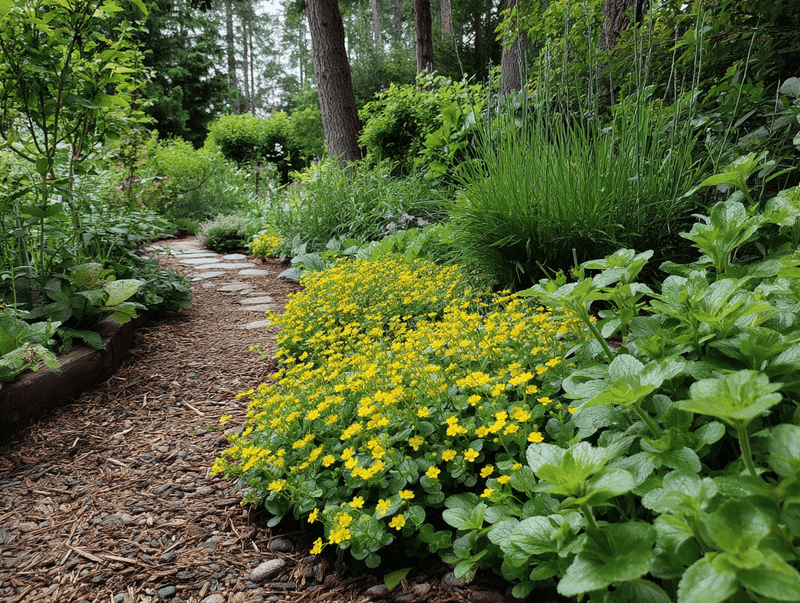
Looking for a native swap for liriope or mondo grass? Green and gold (Chrysogonum virginianum) makes a cheerful, low-growing carpet along paths and bed edges.
Little yellow star-shaped flowers appear mostly in spring, with scattered blooms later. It’s happy in part shade and stays semi-evergreen in milder parts of the Piedmont and coast.
Plant it this fall for spring color. It spreads at a polite pace, can help crowd out weeds, and rarely needs anything beyond a little water during long droughts.