
Bare patches in a flower bed invite weeds, wash out in heavy rain, and make the whole garden look unfinished. The tricky part is finding plants that fill in quickly but stop before they crowd out your roses or hostas.
The 16 perennials below spread at a steady, manageable pace in most US temperate gardens. Each one solves a slightly different problem, from dry sun to damp shade, so you can match the right plant to your empty spot.
1. Catmint (Nepeta)
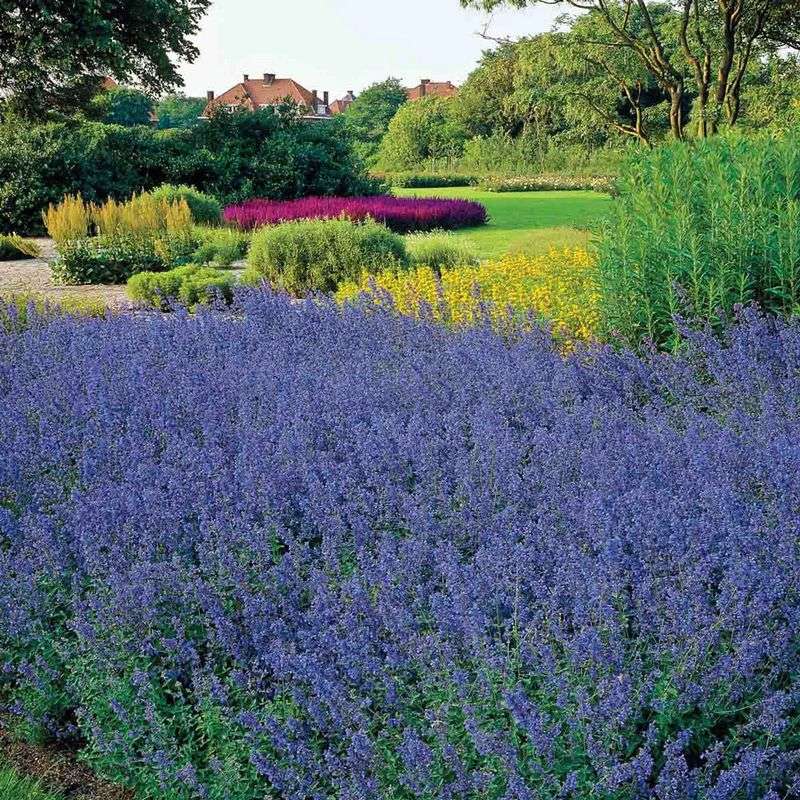
Picture a gap the size of a laundry basket turning into a soft blue cloud by midsummer. Catmint pulls off that trick in a single season, and it does it without sending runners into its neighbors.
Varieties like ‘Walker’s Low’ and ‘Cat’s Pajamas’ form tidy clumps that widen to roughly two or three feet. The gray-green leaves smell minty when brushed, which may help discourage deer and rabbits from nibbling.
Bees and butterflies, on the other hand, visit constantly from late spring onward.
Plant it in full sun with well-drained soil, ideally in zones 3 through 8. Rich, soggy ground makes it floppy, so skip the compost and let it be a little lean.
Once established, it handles dry spells better than most border plants.
Here is the secret to keeping it neat: after the first big flush of flowers fades, shear the whole plant back by about half. Within a few weeks, fresh foliage and a second round of blooms usually appear.
Choose named sterile cultivars if you worry about self-seeding, since some older types can scatter seedlings around the bed.
2. Hardy Geranium ‘Rozanne’
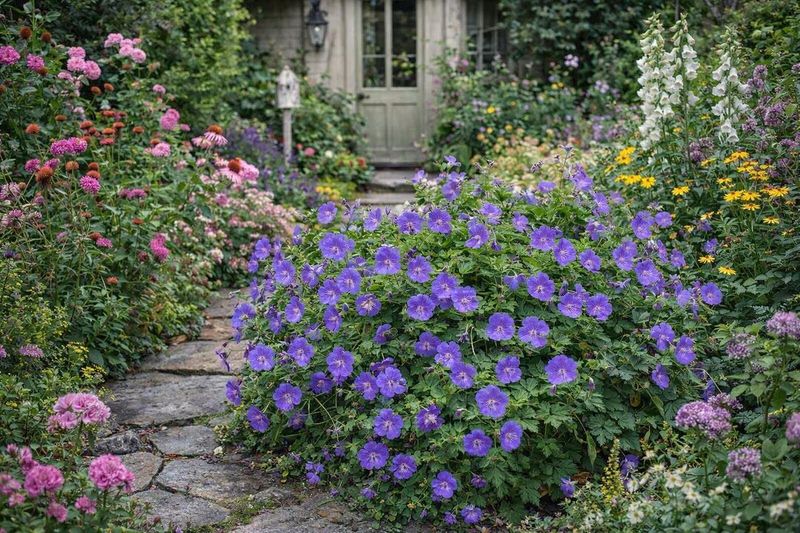
Gardeners who plant one ‘Rozanne’ often come back the next year for three more. It’s easy to see why, since a single plant can stretch three feet wide and bloom from June until frost.
Rather than spreading underground, it sprawls outward from one crown. That means the stems weave politely between neighbors and fill gaps without strangling anything.
If it leans too far into a rose or a daylily, simply snip the long stems back and it recovers fast.
The violet-blue flowers have white centers and look especially good at the front of a border. Plant it in full sun to part shade in zones 5 through 8.
Afternoon shade is helpful in hotter southern areas, where intense heat can make it look tired by August.
Fun fact: ‘Rozanne’ was named Perennial Plant of the Year in 2008 and still ranks among the most popular perennials in American nurseries. It rarely needs dividing, is generally untroubled by pests, and doesn’t require deadheading to keep flowering.
For a bare spot under taller shrubs, few plants fill the space with so little fuss.
3. Creeping Phlox
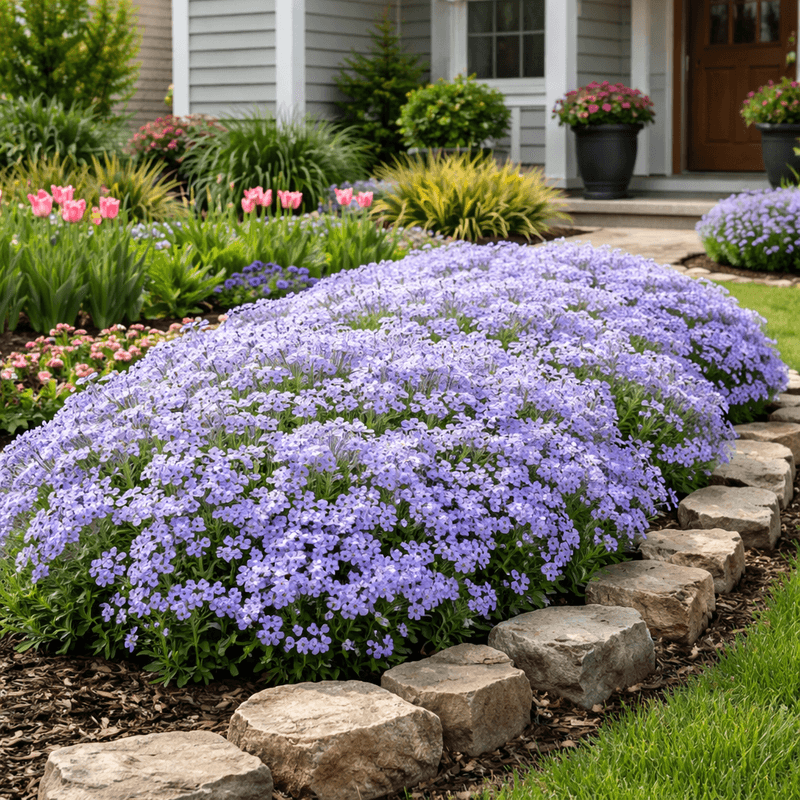
Every April, whole neighborhood slopes suddenly turn pink, purple, and white. Creeping phlox is usually the reason, and it makes a fine fix for thin spots at the front of a bed.
The plant forms a low, needle-leaved mat about six inches tall. It roots lightly where stems touch soil, so coverage builds steadily, usually spreading a foot or two in a couple of years.
Because it stays so short, it won’t shade out taller perennials growing behind it.
Give it full sun to light shade and soil that drains well. Wet winter soil is its biggest enemy, so it does best on slopes, along walls, or in raised edges.
It is hardy in zones 3 through 9, which covers most of the continental US.
After blooming, a light trim keeps the mat dense and tidy. The evergreen foliage stays green through much of winter, holding soil in place on banks that might otherwise erode.
If the center thins after several years, lift a rooted section from the edge and replant it in the gap. That small step often restores a full carpet by the following spring.
4. Lamium (Spotted Dead Nettle)
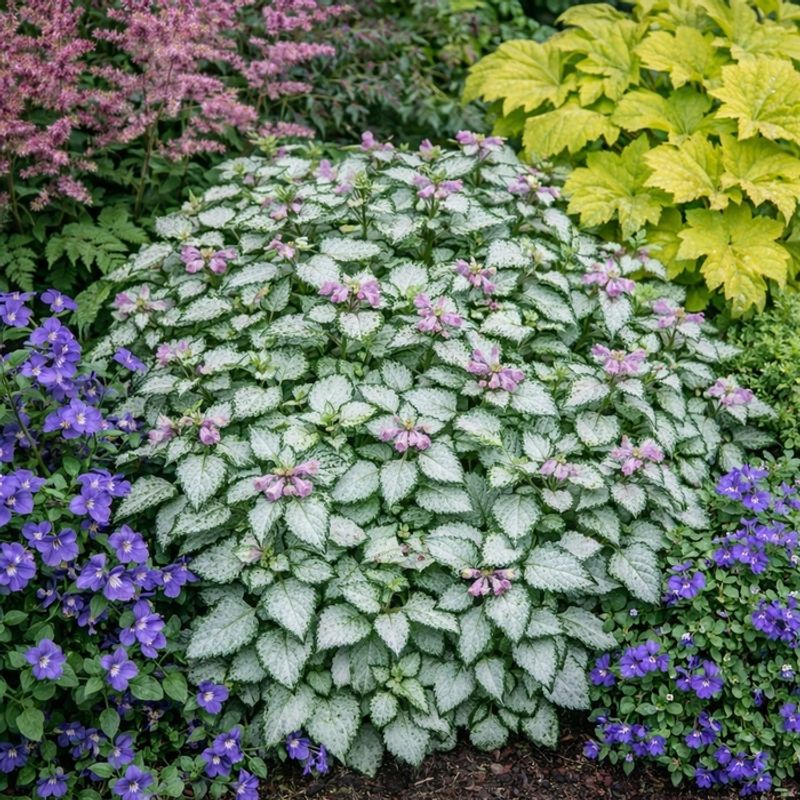
Shady spots under trees can look gloomy and bare no matter what you try. Lamium answers that problem with silver-splashed leaves that seem to glow in low light.
Varieties like ‘Beacon Silver’ and ‘White Nancy’ creep along the ground, rooting as they go and covering a two-foot patch fairly quickly. They stay under eight inches tall, tucking neatly around hostas, ferns, and astilbe.
Small pink or white flowers appear in spring and often return in flushes through summer.
Plant it in part to full shade in zones 3 through 8. Moist soil works best, though established clumps can handle some dryness under trees.
Deer and rabbits tend to leave it alone, which may make it a useful choice where browsing is heavy.
Don’t confuse the ornamental spotted dead nettle with yellow archangel, a close cousin that can become aggressive and is invasive in some states. Stick with Lamium maculatum cultivars for a controllable spread.
If a clump grows leggy in the heat of August, cut it back hard. Fresh foliage typically returns within a few weeks, keeping that shady corner bright and filled.
5. Coreopsis ‘Moonbeam’
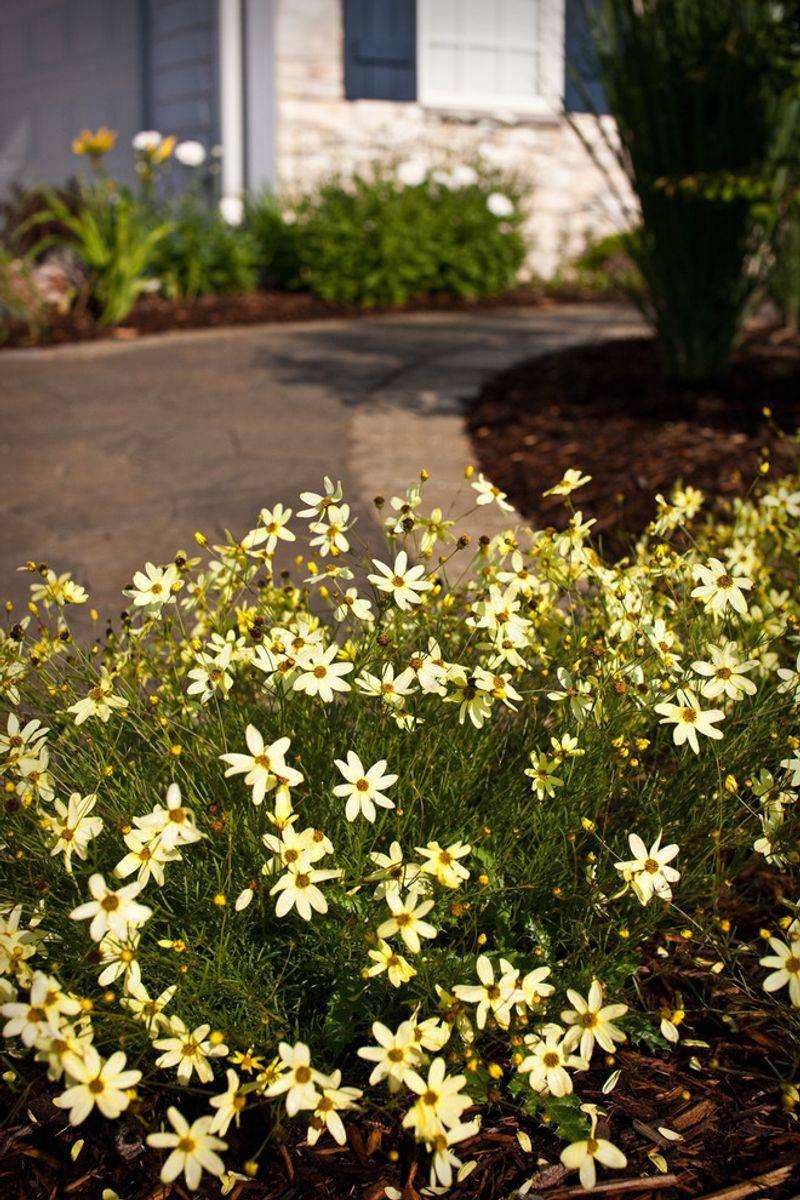
Soft butter-yellow flowers and feathery leaves give ‘Moonbeam’ a light, airy look. Don’t let the delicate style fool you, because it fills an empty patch quickly in hot, sunny spots.
Threadleaf coreopsis spreads by short underground stems, widening into a patch about two feet across. The growth is slow enough that you can easily trim the edges with a spade each spring.
It stays around 18 inches tall, making it handy for the middle of a border.
This plant thrives in full sun, lean soil, and zones 3 through 9. Heavy clay that stays wet over winter can cause it to rot, so mix in grit or plant on a slight mound.
Once rooted, it shrugs off drought and summer heat better than many perennials.
Blooms run from early summer into fall. Rather than deadheading each tiny flower, shear the whole plant lightly after the first heavy flush.
That simple haircut often encourages new buds. The pale yellow shade blends easily with purple salvia, blue catmint, or deep red daylilies, so it rarely clashes with what’s already growing nearby.
6. Bugleweed (Ajuga)
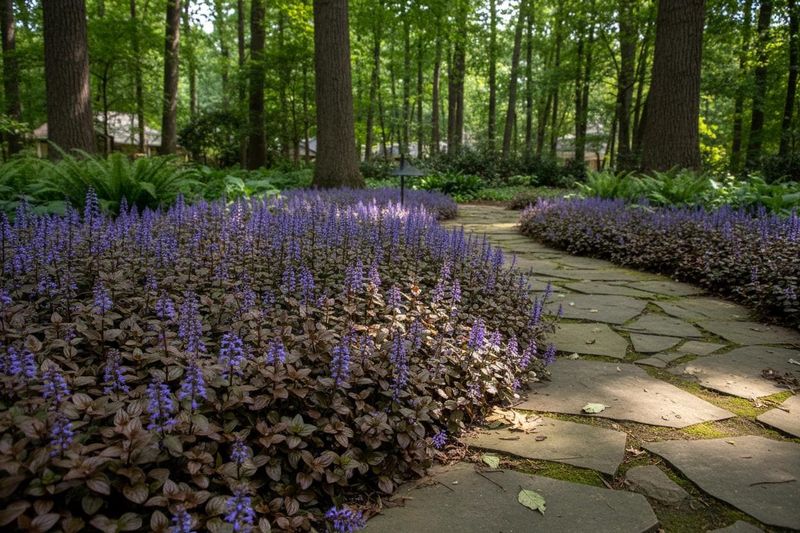
Got a bald patch where grass gave up and nothing else seems to stick? Ajuga could be the answer, since it spreads quickly by runners and forms a dense, glossy carpet.
Leaves come in bronze, burgundy, green, or variegated shades, and short blue flower spikes rise in spring. Coverage happens fast, often filling a square foot or more per plant within a season.
That speed is exactly what makes it great for bare ground.
Of course, speed needs boundaries. Ajuga can creep into lawns, so use it in beds edged with stone, metal, or a buried border.
Varieties like ‘Chocolate Chip’ are smaller and slower, making them easier to manage in mixed plantings.
Plant it in part shade with decent drainage in zones 3 through 9. Crowded, humid conditions can sometimes lead to crown rot, so avoid heavy mulch over the crowns and thin dense clumps every few years.
Pulling stray runners is simple because they root shallowly. Handled this way, ajuga becomes a fast, low-maintenance fix that knits soil together and helps crowd out weeds.
7. Creeping Sedum

Hot, dry corners near driveways and sidewalks can bake ordinary plants. Creeping sedums treat that heat like a vacation, staying plump and colorful when other plants wilt.
Low types such as ‘Dragon’s Blood’, ‘Angelina’, and Sedum spurium form mats just a few inches tall. Broken stems root easily, so a single pot can be pulled apart into several pieces to fill a larger gap.
Within a season or two, those pieces often knit into a solid carpet.
Full sun and sharp drainage are all they really ask for. They grow in zones 3 through 9 and need very little water once established.
Overwatering is actually the main way people lose them.
The foliage brings color even without flowers, with gold, red, or blue-gray leaves that shift through the seasons. Pollinators visit the small star-shaped blooms in summer.
If sedum wanders beyond its spot, just pull it up, because the roots are shallow and it lets go easily. For a gravel edge, a rock garden, or a strip along hot pavement, few plants fill space with this little effort.
8. Foamflower (Tiarella)
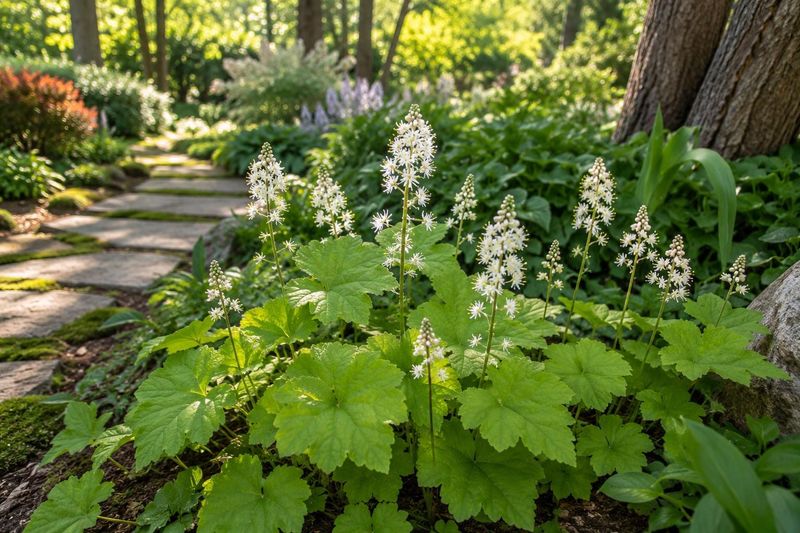
Woodland gardeners love foamflower for its frothy white spring blooms that look like tiny bottle brushes. Native to eastern North America, it brings a natural feel to shady beds.
Running types like Tiarella cordifolia spread by short stolons, slowly filling gaps between ferns and shrubs. Clumping hybrids stay put, so check the label depending on how much coverage you want.
Either way, growth is gentle and easy to direct.
Plant in part to full shade with moist, rich soil. It grows best in zones 4 through 9, though the deep South can be tough during long hot summers.
Adding leaf compost around the plants helps hold moisture during dry spells.
Leaves are often heart- or maple-shaped, with dark veins on some cultivars. In cooler areas, the foliage turns bronze in fall and may stay semi-evergreen through winter.
Early bees visit the flowers, giving pollinators a meal before many plants wake up. If you want a native plant that fills shade gaps without becoming a bully, foamflower is a calm and reliable pick.
9. Lamb’s Ears
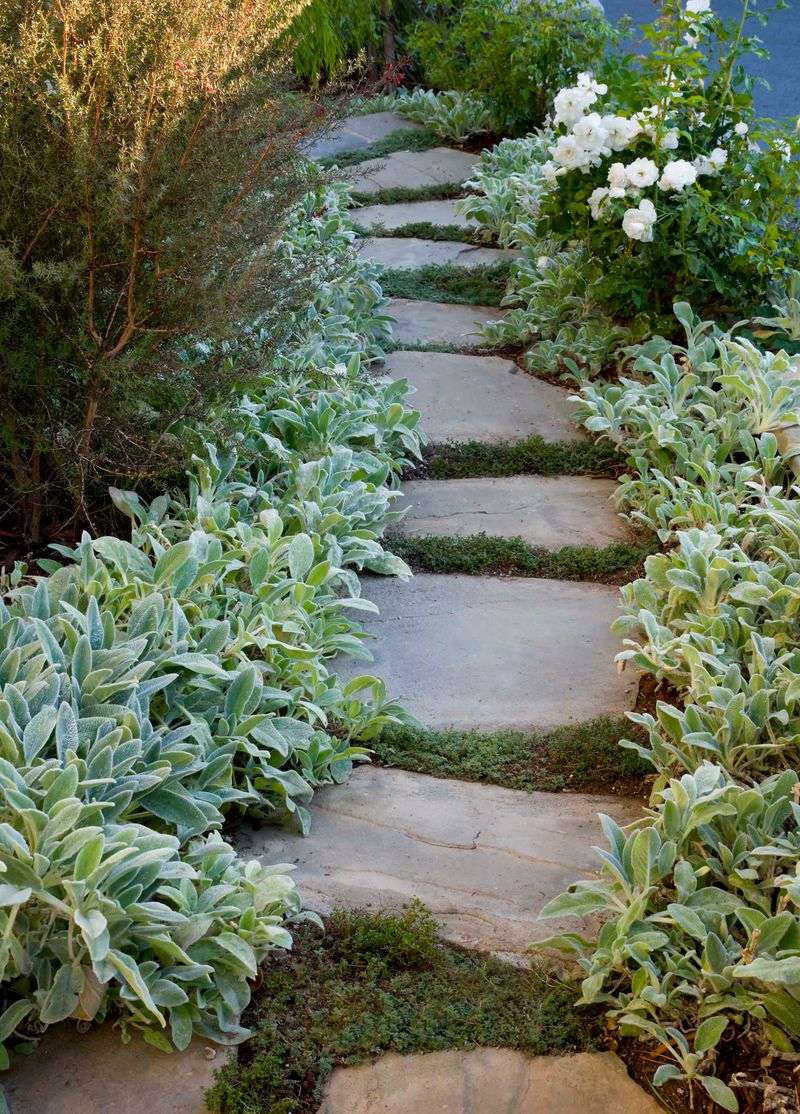
Kids can rarely resist petting lamb’s ears, and honestly neither can most adults. Those thick, silvery leaves feel like velvet and brighten any sunny bare patch.
The plant spreads by creeping stems, widening into a dense mat that shades out weeds. A small start can easily cover two feet within a season or two.
Edges are simple to trim back with a trowel if it pushes into a neighbor.
Choose ‘Helene von Stein’ or ‘Big Ears’ for larger leaves and fewer flower spikes. Flowering types can look messy once the purple spikes fade, so many gardeners cut them off early.
Plant in full sun with well-drained soil in zones 4 through 8.
Humidity is its weak point. During wet summers, lower leaves may rot and turn mushy, especially in crowded spots.
Removing damaged leaves and giving the plant good airflow often helps it bounce back. The fuzzy foliage is generally unappealing to deer and rabbits, which may help in gardens that see a lot of nibbling.
For the front edge of a sunny bed, lamb’s ears fill space with softness and texture.
10. Creeping Thyme
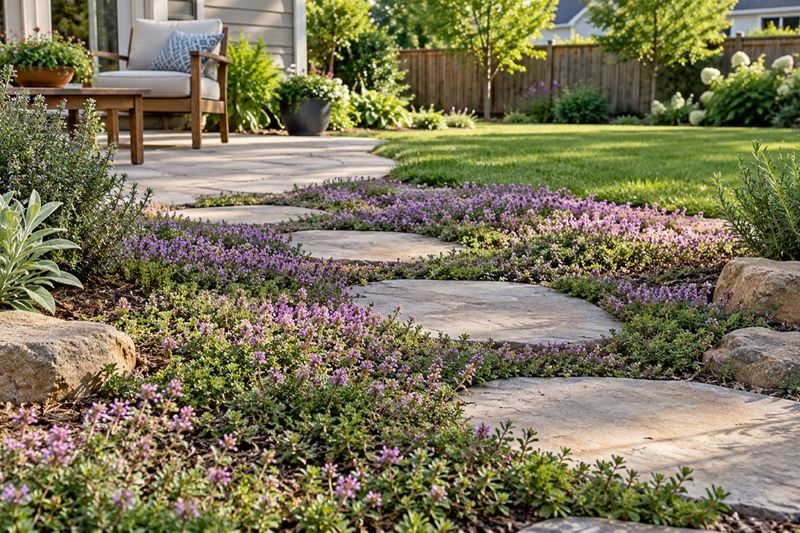
Step on it and you get a burst of fragrance. Creeping thyme is tough enough for light foot traffic and pretty enough to fill bare gaps along paths and bed edges.
Varieties like Thymus serpyllum and ‘Elfin’ hug the ground at one to three inches tall. Stems root as they spread, filling in a foot or more over a couple of seasons.
Because it stays so low, taller plants nearby keep their space.
Thyme loves full sun, poor soil, and good drainage, growing well in zones 4 through 9. Too much water or fertilizer actually weakens it.
A gravel mulch around the crowns can reduce rot during wet winters.
Here’s a fun bit of history: ancient Greeks burned thyme as incense, and Roman soldiers reportedly bathed in it for courage. Today, its tiny pink, purple, or white flowers draw bees by the dozens in early summer.
If patches turn woody after a few years, trim lightly after blooming to encourage fresh growth. For sunny spots where grass struggles, this aromatic carpet can be a practical, good-looking fix.
11. Brunnera ‘Jack Frost’
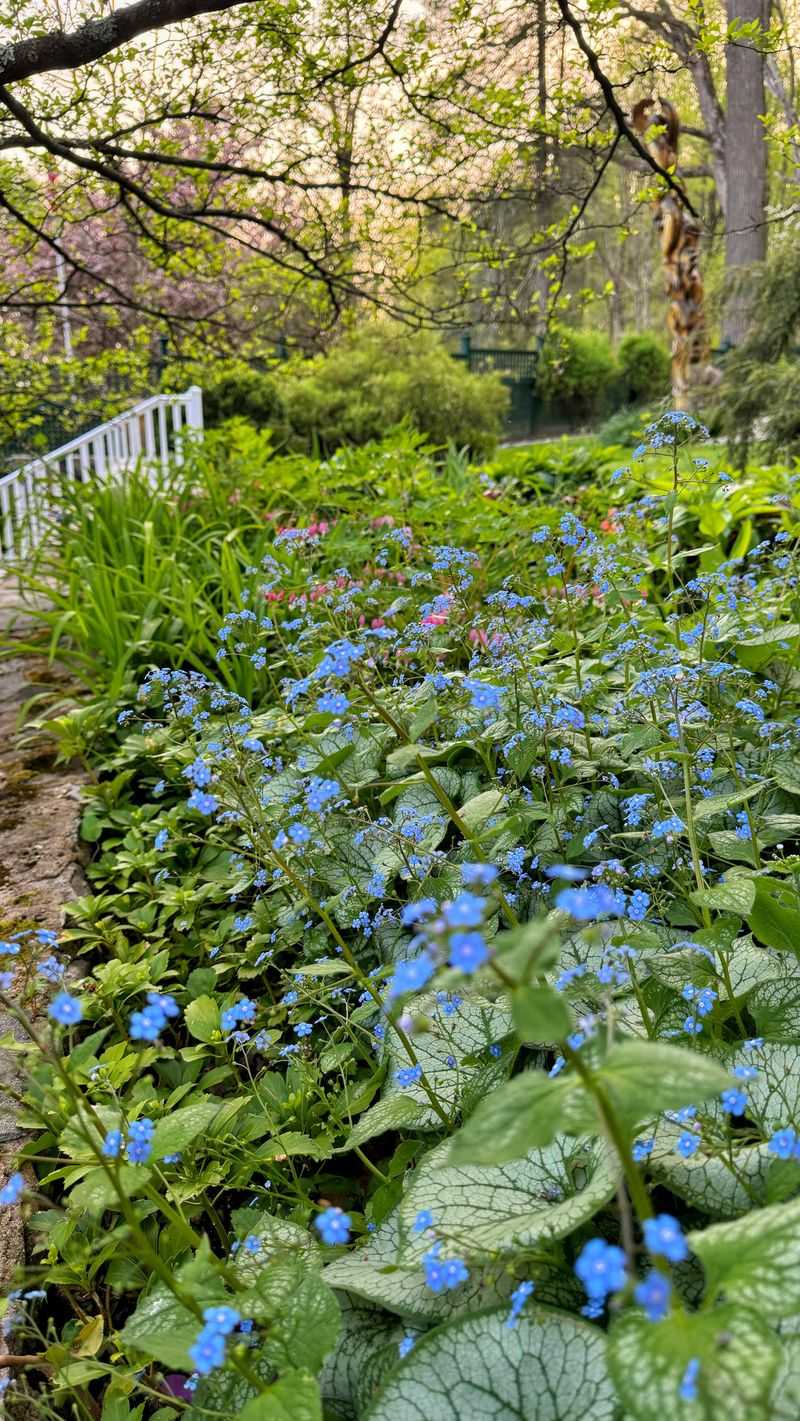
Tiny forget-me-not blue flowers floating over silver, heart-shaped leaves make ‘Jack Frost’ a standout in the shade. It fills gaps with bold foliage instead of a low carpet.
Each clump grows about 18 inches tall and up to two feet wide. Rather than running, it widens steadily, so it covers ground without invading neighbors.
A few plants set 18 inches apart can close a shady gap in two seasons.
Give it part to full shade and steady moisture in zones 3 through 8. Hot afternoon sun can scorch the leaves, causing brown edges.
If you notice that browning, shifting it to a shadier spot or watering more during dry stretches usually helps.
Deer generally avoid brunnera because of its slightly fuzzy leaves, which may make it handy where browsing is a problem. The foliage stays attractive from spring through fall, long after the blooms fade.
Pair it with hostas, ferns, or heucheras for a layered shade bed. If an empty patch under a maple tree has bothered you for years, this plant can brighten it fast.
12. Stokes’ Aster
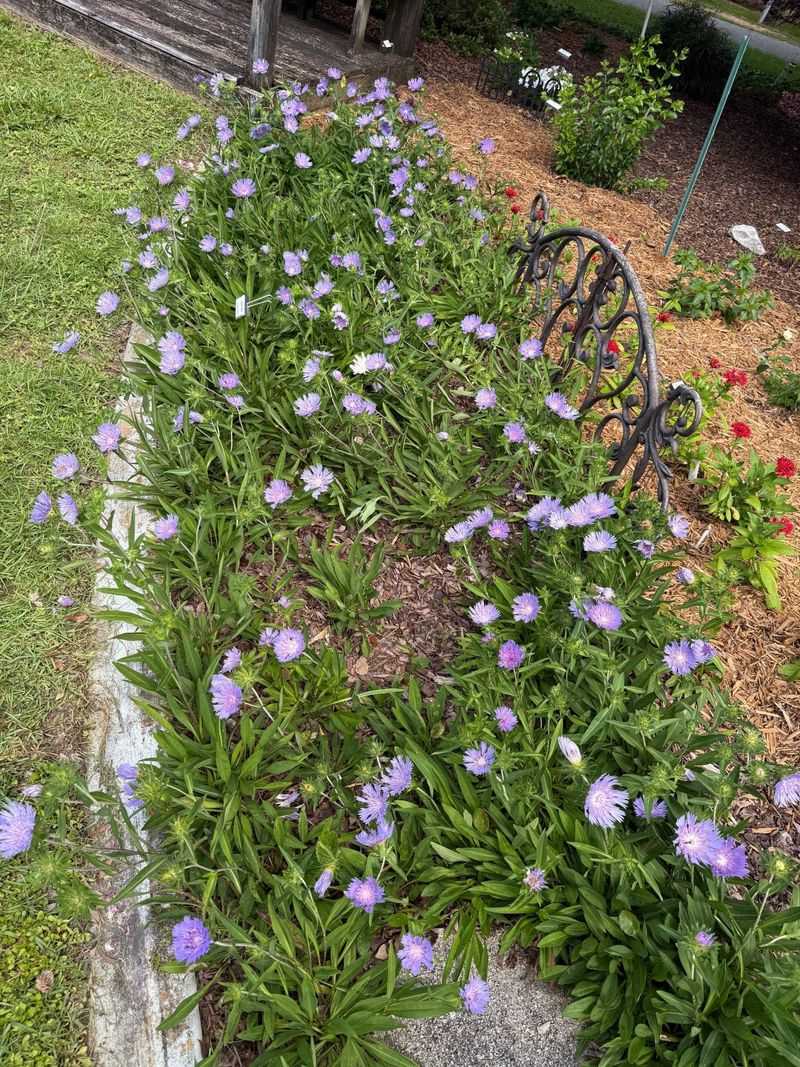
Southern gardeners, this one is especially for you. Stokes’ aster is native to the southeastern US and handles heat and humidity that can flatten other perennials.
Big fringed flowers in lavender, blue, white, or pink open in early summer and can last for weeks. Plants form clumps that slowly widen to about 18 inches.
They fill a gap reliably but never send out wandering runners.
Grow it in full sun to light shade with well-drained soil in zones 5 through 9. Soggy winter soil is its main threat, so avoid low wet spots.
The foliage often stays evergreen in milder climates, keeping the space covered year-round.
Deadheading spent blooms may encourage another round of flowers later in summer. Butterflies flock to the wide blossoms, making it a fine choice for pollinator beds.
Every three or four years, divide crowded clumps in spring and replant the pieces into other bare spots. That gives you free plants and keeps the original clump vigorous.
Its tidy habit means it plays well with coneflowers, salvia, and black-eyed Susans.
13. Barrenwort (Epimedium)
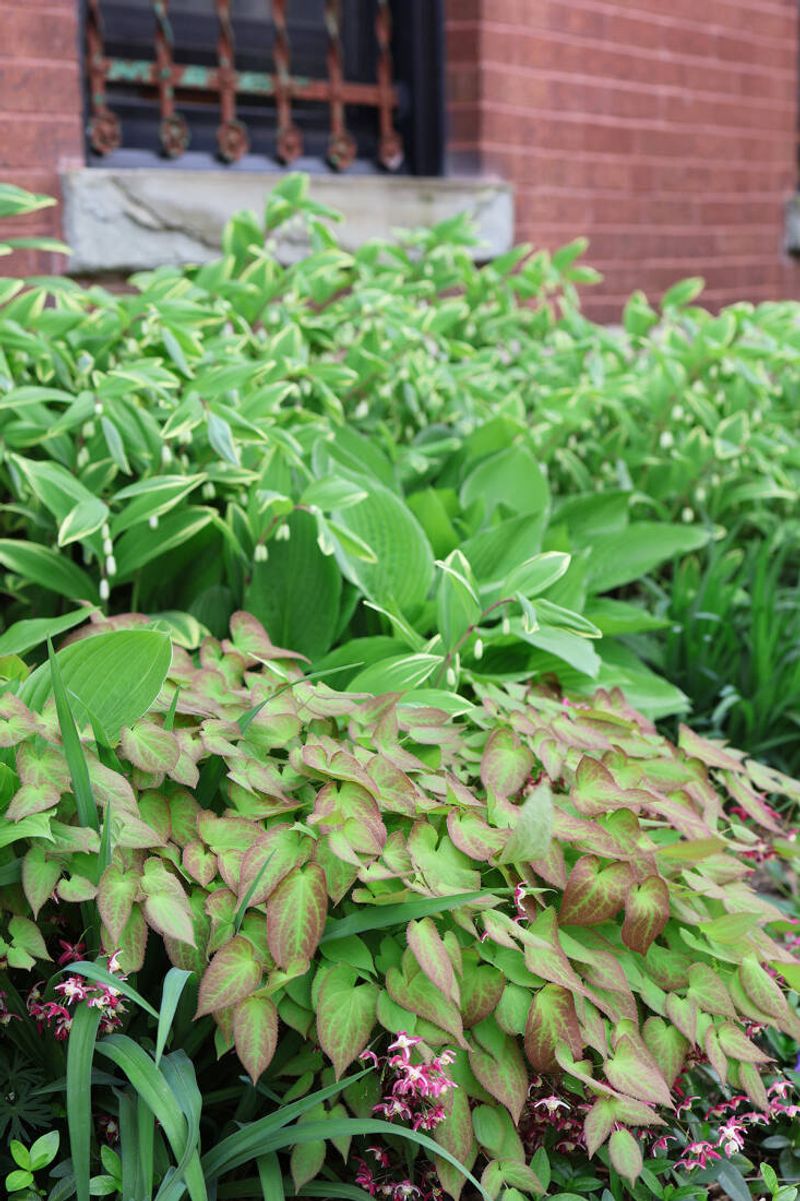
Dry shade is often called the hardest spot in the garden. Epimedium laughs at it, growing where roots from big trees steal water and light.
Spreading types like Epimedium x versicolor ‘Sulphureum’ expand slowly through creeping rhizomes. They won’t race across a bed in one summer, but they steadily close gaps over a couple of years.
Once filled, the dense foliage blocks most weeds.
Plant in part to full shade with some organic matter in zones 4 through 8. Water regularly the first year to help roots settle.
After that, plants usually handle dry soil surprisingly well.
Delicate flowers in yellow, pink, or white dangle on wiry stems in spring. To see them clearly, cut old leaves to the ground in late winter before new growth emerges.
The foliage often blushes red in spring and fall, adding extra color. Deer and rabbits tend to leave it alone.
If you’ve tried and failed with plants under an oak or maple, barrenwort might finally be the fix for that stubborn bare ground.
14. Golden Ragwort
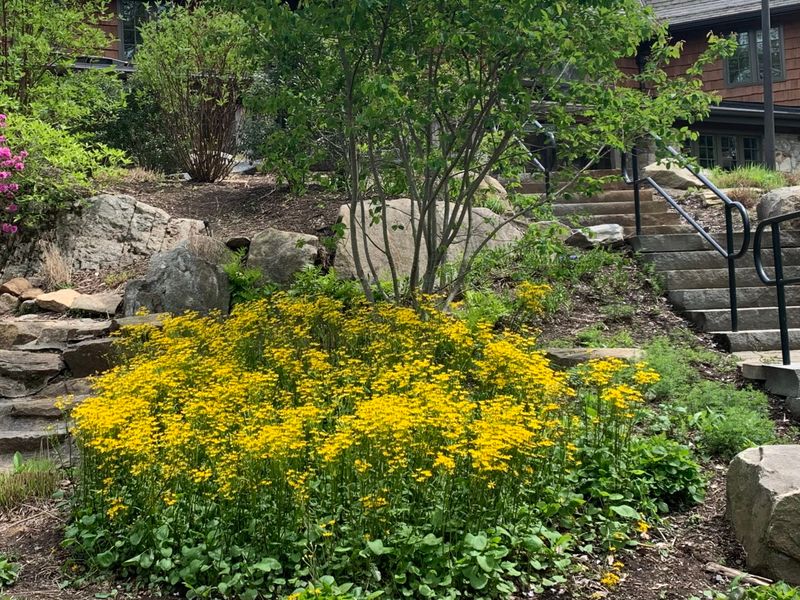
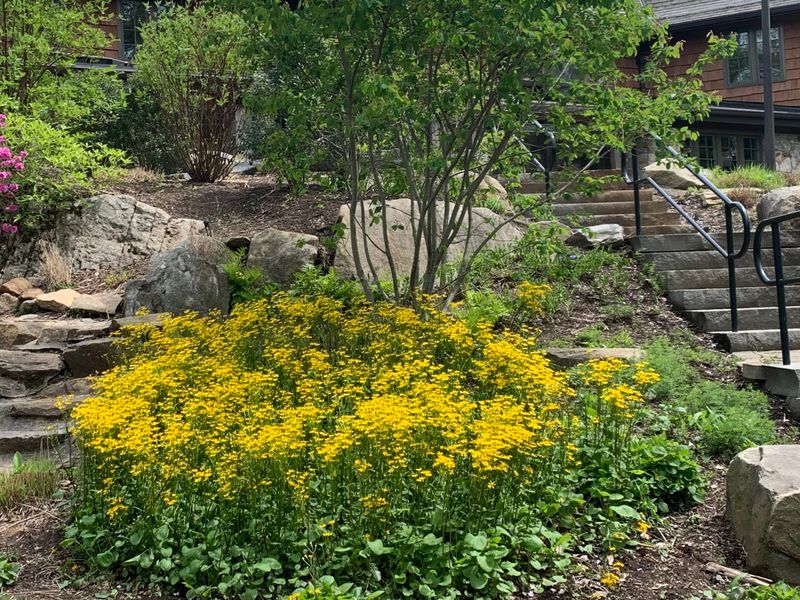
Bright yellow daisies in early spring, right when beds still look bare and brown? Golden ragwort delivers that cheerful lift, and it’s a native wildflower found across much of the eastern US.
Plants spread by underground runners and self-seeding, forming a low rosette groundcover. In damp soil, it fills gaps quickly, sometimes faster than expected.
That makes it a smart choice for larger shady areas or rain garden edges.
Give it part shade and moist soil, though it can tolerate some sun and drier conditions once rooted. It grows well in zones 3 through 8.
The evergreen basal leaves keep the ground covered through mild winters.
In smaller mixed beds, deadhead flowers before they seed to slow the spread. Pull stray rosettes in spring when the soil is soft.
Early bees and other native pollinators rely on its flowers when little else is blooming. Deer usually avoid it since the plant contains bitter compounds.
For anyone trying to replace bare mud with a native, wildlife-friendly cover, golden ragwort can do the job quickly.
15. Blue Star Creeper

Imagine a flat green blanket sprinkled with tiny pale blue stars. Blue star creeper looks almost like moss, but it blooms for weeks in late spring and summer.
It grows barely two inches tall, rooting along its stems to fill gaps between pavers, stones, and bed edges. In good conditions, a small plug can spread a foot or more in one season.
Because it’s so low, it won’t shade or smother taller perennials.
Moisture is the key to success. Plant it in part shade to sun with soil that stays evenly damp, and avoid harsh, dry spots.
It’s best suited to zones 5 through 9, and colder areas may see dieback in harsh winters.
Light foot traffic is fine, so it works around stepping stones. It can creep into lawns when conditions are moist, so a solid edge helps keep it in its lane.
If patches brown during a dry spell, extra water often brings them back. For a tidy, delicate cover near paths, this little plant fills space beautifully.
16. Daylily ‘Stella de Oro’
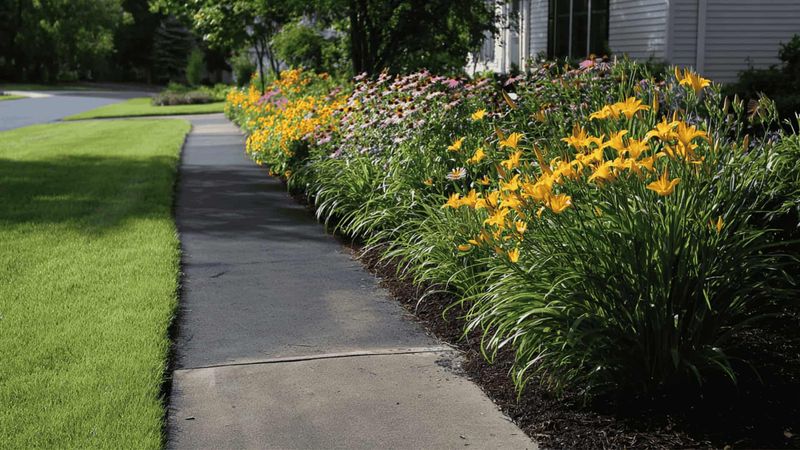
Drive through almost any American suburb and you’ll spot these golden blooms along driveways and mailboxes. ‘Stella de Oro’ became popular because it’s nearly impossible to kill.
Each clump widens steadily, filling an 18-inch space within a couple of seasons. It forms dense, grassy foliage that blocks weeds and holds soil.
Unlike the orange ditch lily, which spreads aggressively, this compact variety stays where you plant it.
Full sun brings the most flowers, but it tolerates light shade. It grows in zones 3 through 9 and handles heat, drought, and poor soil.
Blooms repeat from early summer into fall, especially if you remove spent flower stalks.
A few common problems can appear. Aphids or thrips sometimes gather on buds, and a strong spray of water may help knock them off.
Deer find daylily buds tasty, so a repellent spray might reduce browsing in heavy deer areas. Every few years, divide crowded clumps and use the pieces to fill other bare spots.
That turns one plant into a dozen for free.