
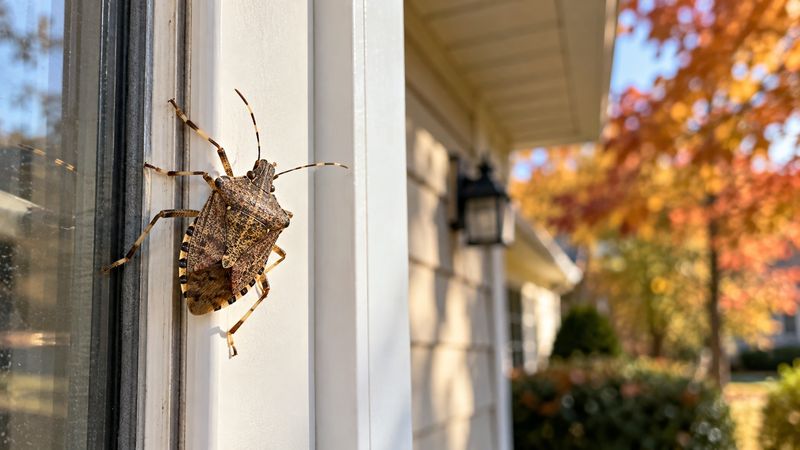
Brown marmorated stink bugs can show up on sunny walls, window frames, and door trims just as the weather cools. They are looking for a sheltered spot to wait out winter, and your house may look like a good one.
Closing likely entry points ahead of time can reduce how many get inside. Here is how to find the openings, pick the right fix, and set realistic expectations for the job.
Why brown marmorated stink bugs gather on buildings
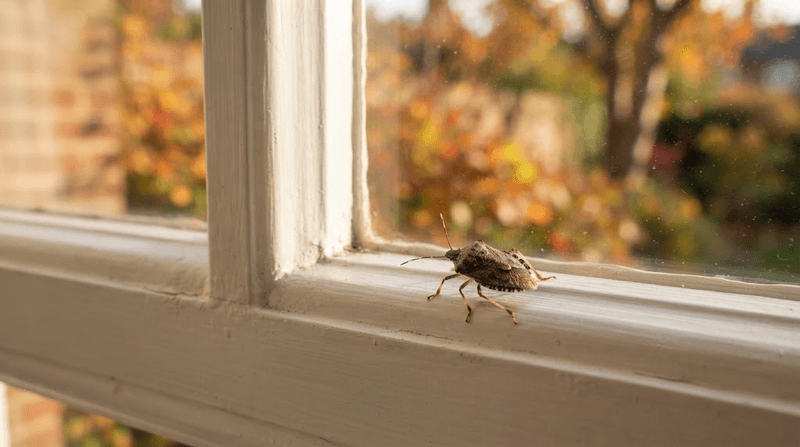
Late summer and fall bring a change in behavior for the brown marmorated stink bug. According to University of Maryland Extension, these insects look for sheltered overwintering sites, and buildings can fit the bill.
Sunny exterior walls often collect them first.
Timing is not the same everywhere. Local weather, temperature swings, and regional bug numbers all shape when you see them, so your neighbors across the country may notice them at very different times.
Watching your own walls and windows tells you more than a calendar does.
This guide is about the brown marmorated stink bug only. The word stink bug covers several kinds of insects, and they do not all act the same way.
Before making a plan, confirm what you are looking at, and check University of Minnesota Extension for identification help.
The goal here is modest and realistic: reduce future entry. Sealing cannot promise a bug-free house, but it can shrink the number of ways in.
Inspect the exterior for likely entry points
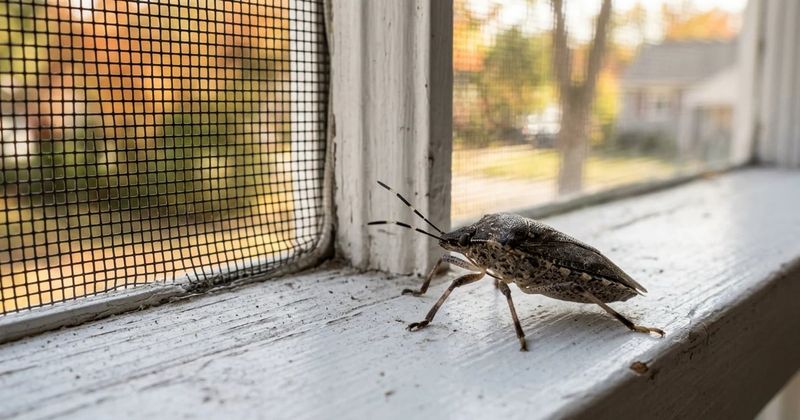
Grab a flashlight and walk the outside of your house slowly. Start with window and door frames, where trim meets siding, since those seams are common trouble spots.
Look for cracked caulk, loose trim, and gaps you can see daylight through from inside.
Keep going to siding edges, fascia boards, and the spots where utility pipes and cables enter the wall. Chimneys and vents deserve a look too.
Not every home has trouble in all of these places, and not every bug will use each one, so treat the list as places to check rather than a certain route.
Do not skip the screens. Torn mesh or a screen that sits crooked in its frame leaves an easy way in.
Maryland Extension tips point to cracks, screens, and similar openings as the places to address.
Jot down what you find as you go, with a quick note on whether each spot is a crack, a moving part, or a damaged screen. That list will guide your repairs later, and the Maryland FAQ is useful if you want more background.
Use the dollar-bill test to check a seal
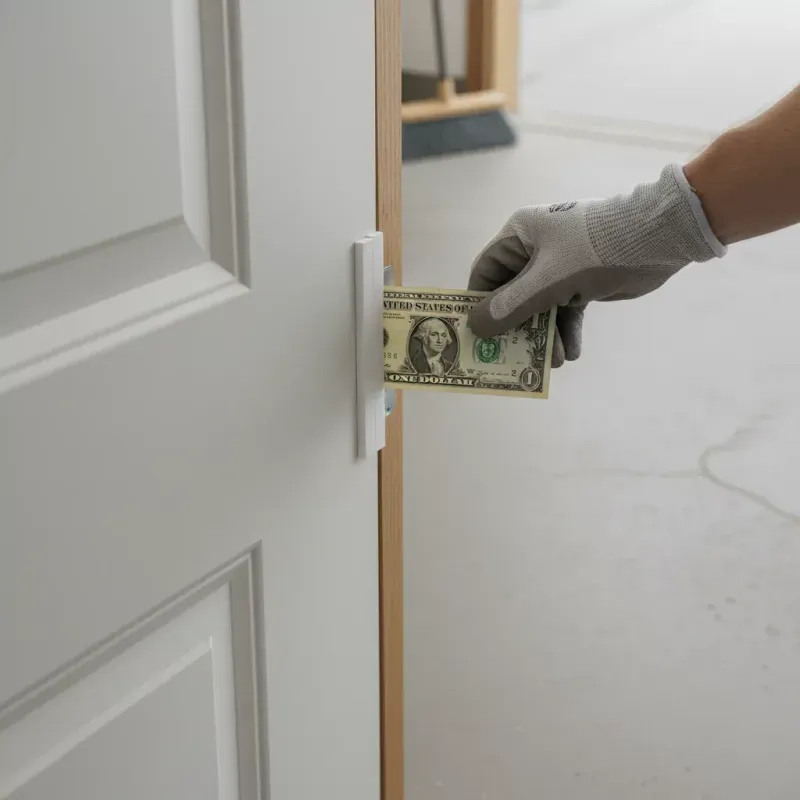
Here is a simple way to see how snugly a door or window closes. Shut it on a dollar bill, then gently tug the bill.
If it slides out with little resistance, the weatherstripping may be worn or poorly fitted. Repeat the test at several spots, such as the top, bottom, and both sides, because a seal can be tight in one place and loose in another.
One important correction to a popular idea: this test does not tell you the smallest gap a stink bug can squeeze through. It checks how firmly the seal grips the bill, which is a quick draft check, as described by Virginia Tech Extension.
So think of it as a way to find tired weatherstripping. A loose seal is worth fixing for drafts and for reducing openings, but a tight grip on a bill does not guarantee that no insect will find another way in.
Choose a repair that fits the opening
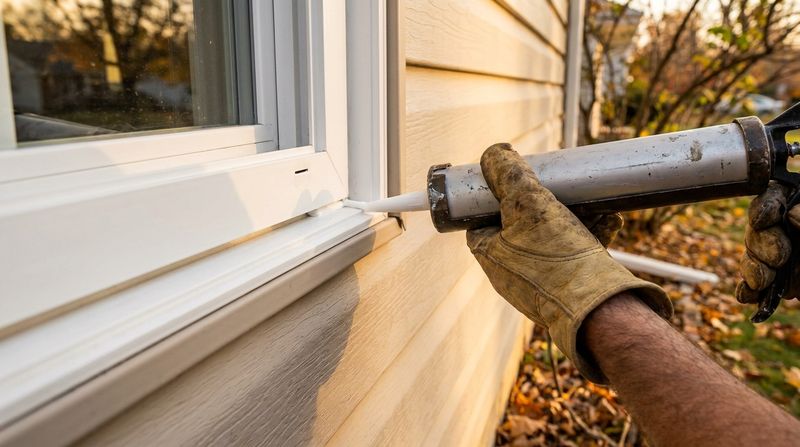
Different openings call for different materials. Caulk works for cracks between parts that stay put, like trim against siding or around pipes and cables.
Weatherstripping suits things that move, such as door edges and window sashes, and a door sweep can close the gap under an exterior door.
The U.S. Department of Energy guide backs this split between caulking and weatherstripping, and the same logic applies when you are sealing against bugs.
Pick the product by whether the opening flexes or stays fixed.
Screens deserve their own fix. Patch small tears, replace badly damaged mesh, and make sure each screen sits snugly in its frame.
Maryland Extension lists sealing cracks and repairing screens among its recommendations.
How long the work takes depends on your home’s condition and how many openings you found, so plan in stages. Start with the worst spots and work outward.
Handle bugs already indoors separately
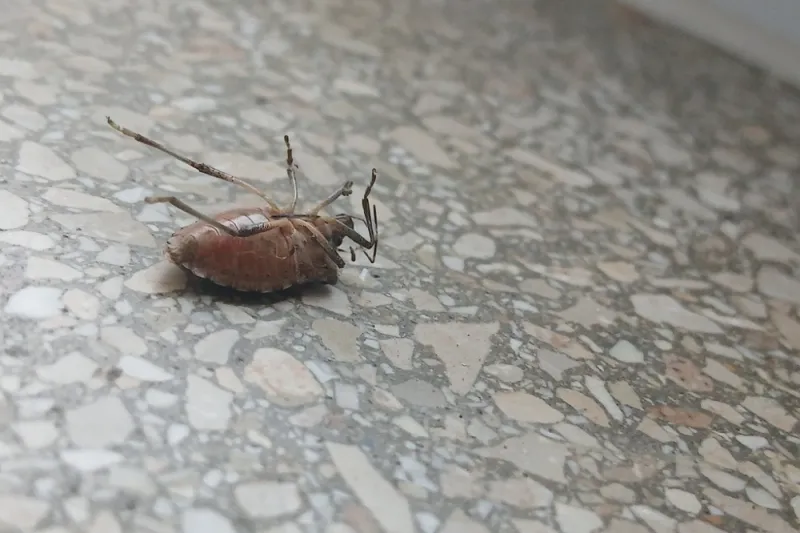
Sealing stops future entry, but it does not clear out bugs that are already inside. For those, vacuuming or collecting them by hand into a container are practical choices.
Expect the vacuum to smell afterward, so you may want to empty it outdoors soon after.
Bugs that have already settled into wall voids or other tucked-away spaces will not be removed by caulk. Maryland Extension notes they may emerge indoors from cracks and trim, and it cautions against treating wall voids.
Foggers and routine sprays are not the main fix here, since the Maryland FAQ says pesticides are generally ineffective or not recommended for this nuisance pest.
There is some calm news about this species. According to Minnesota Extension, the brown marmorated stink bug does not bite, does not damage the home, and does not reproduce inside buildings.
Treat exclusion as prevention, not a guarantee
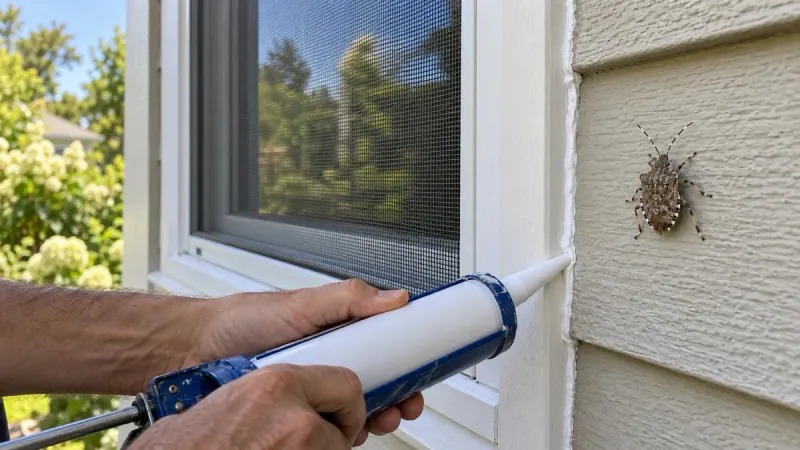
Start with the openings that matter most on your inspection list and match each one to a repair that suits it. Even careful work leaves some uncertainty, because older homes have many seams and some bugs may already be tucked inside.
Sealing can lower the number of bugs that get in next season, as Maryland Extension suggests, and the Maryland FAQ backs that up. It will not remove insects already sheltered inside.
Think of every closed gap as one fewer door left open, and a few stragglers as part of the deal.