
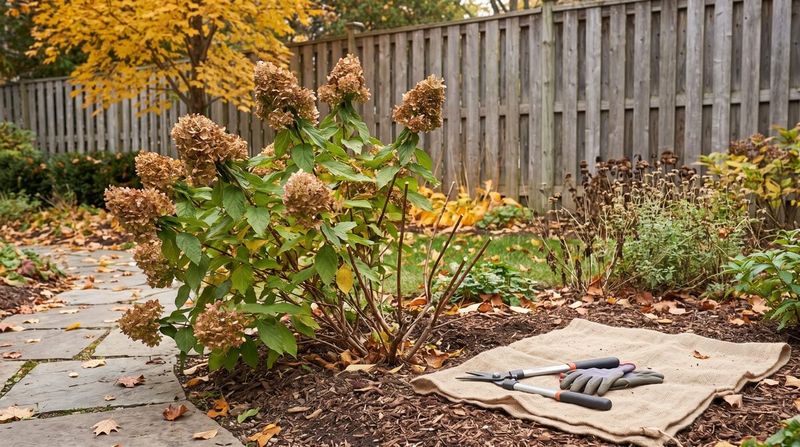
Few things sting like a hydrangea that leaves out flowers after a whole summer of watering. The cause is often a pruning cut or a hard winter, not anything you did wrong on purpose.
Whether a fall cleanup helps or hurts depends on one thing: the type of hydrangea in your yard. Here is how to tell, and what to do before the cold sets in.
Identify your hydrangea before choosing a care plan
Start with the plant tag or your purchase receipt. A cultivar label is the most reliable way to know what you are growing, and it tells you which pruning calendar to follow.
No label? Look at the plant for clues.
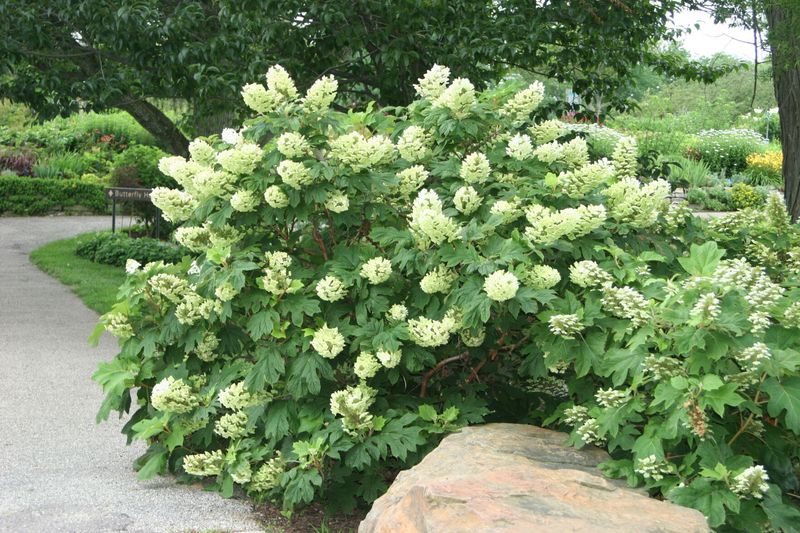
Rounded mophead flowers or flatter lacecap flowers often point to bigleaf hydrangeas, while leaves shaped like oak leaves suggest an oakleaf hydrangea. Cone-shaped flower clusters usually mean a panicle hydrangea.
Treat these looks as a starting point, not proof. University of Maryland Extension stresses identifying the hydrangea first because pruning schedules differ by type.
A wrong guess can mean cutting off the very stems that carry next year’s flowers.
Old-wood and new-wood hydrangeas carry different bloom risks
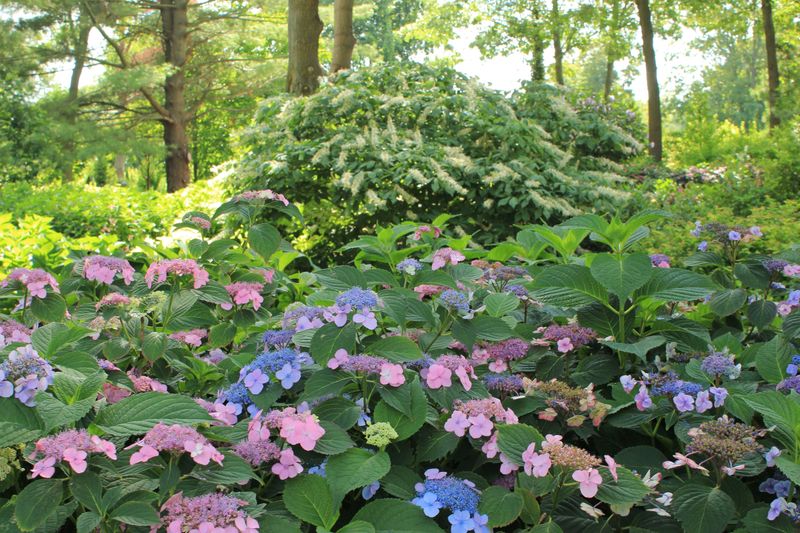
Hydrangeas split into two camps. Bigleaf, oakleaf, mountain, and climbing hydrangeas bloom on old wood, meaning stems grown the previous season.
Their flower buds develop during summer and autumn, then sit on the stems all winter.
Smooth and panicle hydrangeas work differently. They form flowers on new growth made the following season, according to University of Maryland Extension.
That difference sets the risk. On old-wood types, a pruning cut or a bout of winter damage can remove buds that are already waiting.
On new-wood types, the same cut is far less of a worry, since the buds have not formed yet. Illinois Extension frames pruning timing the same way: it all depends on when each type sets its buds.
Prune old-wood types just after flowering
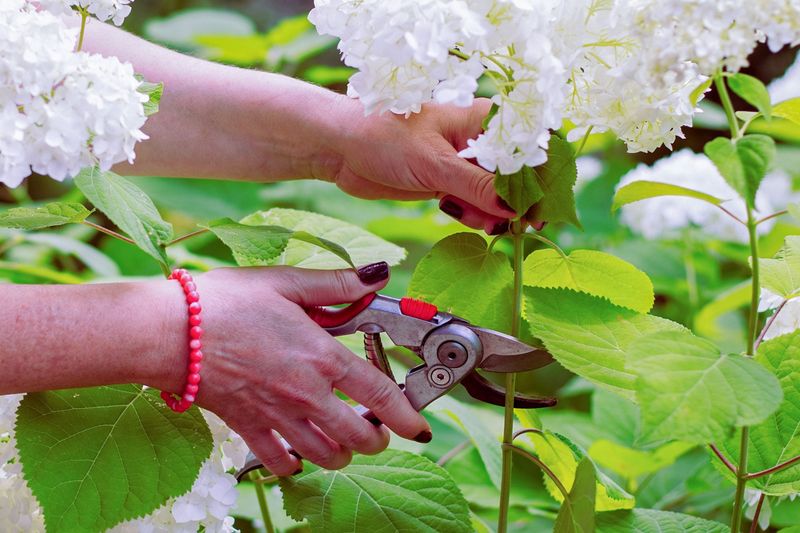
For bigleaf, oakleaf, mountain, and climbing hydrangeas, do any major pruning right after the flowers fade. Cutting in fall, winter, or early spring can take off the stems holding next season’s buds.
In many temperate parts of the country, those buds start forming in late summer or early fall. Illinois Extension suggests August 1 as the latest pruning date for these types.
That is regional guidance for Illinois, not a deadline for every state, so adjust for your own climate.
The practical rule is simple. Finish shaping soon after bloom, then put the pruners away.
Late-season tidying is where many gardeners lose flowers without realizing it, a point also made in Maryland’s pruning guidance.
Prune new-wood types on a different schedule
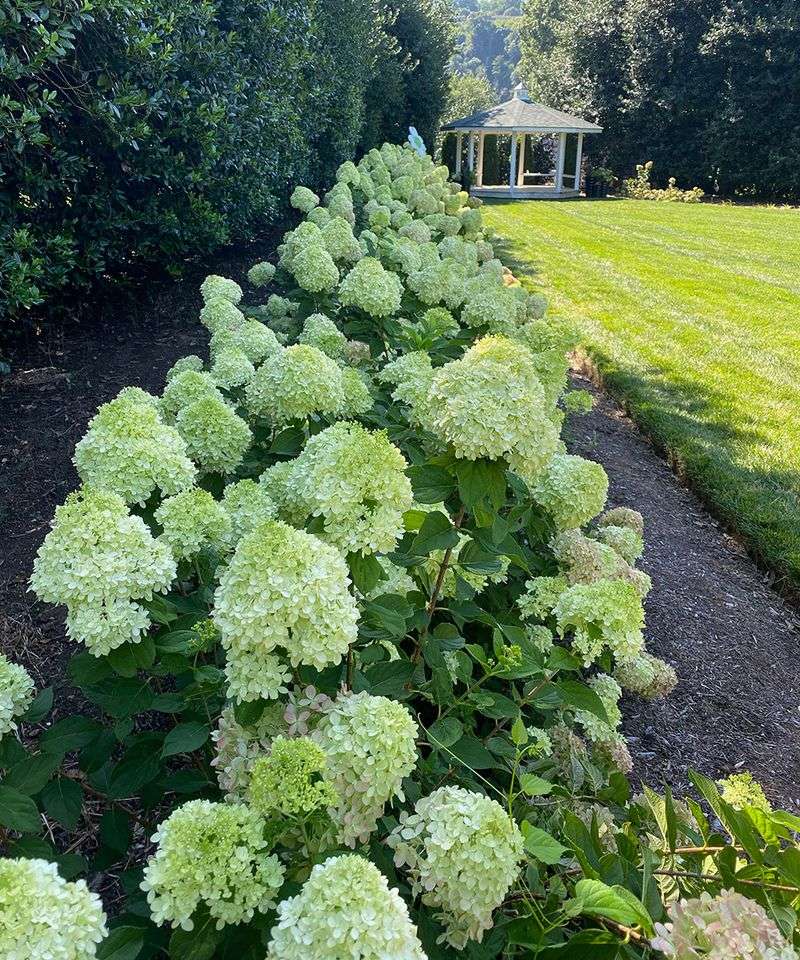
Smooth and panicle hydrangeas flower on the current season’s growth, so they follow a different calendar. They are generally pruned in late winter or early spring, before new growth takes off.
That means the warning about fall cuts is not a rule for every hydrangea. Knowing your type changes the calendar, which is why identification comes first.
Maryland Extension and Illinois Extension both describe this timing for new-wood types.
Hard pruning is not required. Repeated drastic cuts can weaken a plant over time, so a lighter trim to shape it or remove dead wood is often enough.
Deadhead old-wood hydrangeas without shortening stems
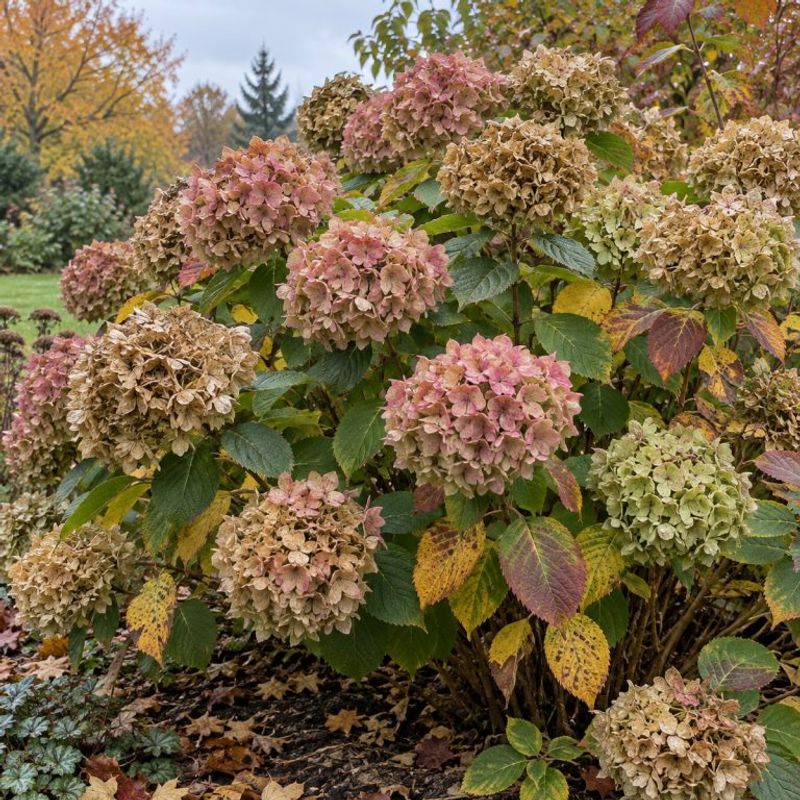
Picture a faded mophead in October. Taking it off is purely cosmetic, and your plant does not need it to stay healthy.
If you like a tidier look, snip off only the flowerhead. Avoid cutting farther down the stem, because dormant flower buds sit on those stems, as noted by University of Maryland Extension.
Think of deadheading as a light cleanup, not a chance to reshape the shrub. Many gardeners also leave the dried blooms in place through winter, which is perfectly fine for the plant.
Protect exposed stems from cold and browsing
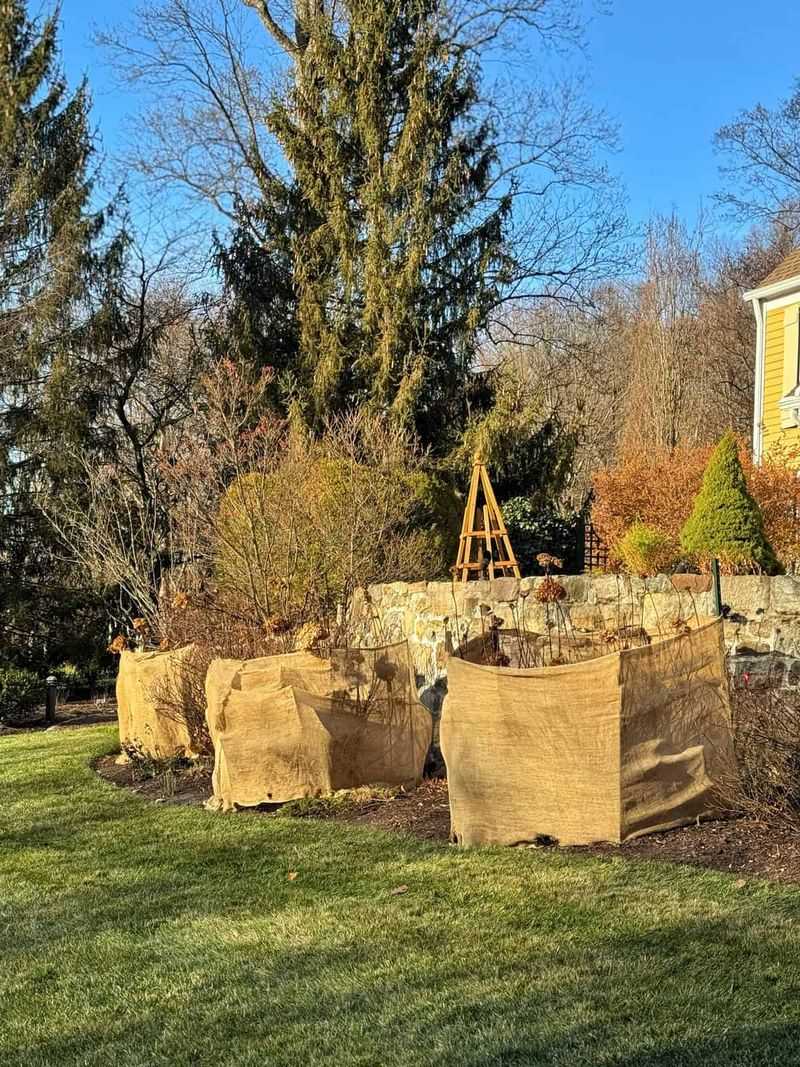
Buds on stems face two winter threats: cold and hungry animals. Penn State Extension notes that winter cold can damage bigleaf hydrangea buds.
Extension guides offer a few examples. Minnesota Extension suggests a hardware-cloth ring around stems to keep rabbits away.
For a reblooming hydrangea, Illinois Extension describes mulching the crown and setting a cage filled loosely with straw or coarse leaves around it.
These are regional examples, not guarantees or universal instructions. Mulch alone mostly protects the soil and roots, so stems need their own protection if they are at risk.
Use mulch for root-zone protection, not as a bud guarantee
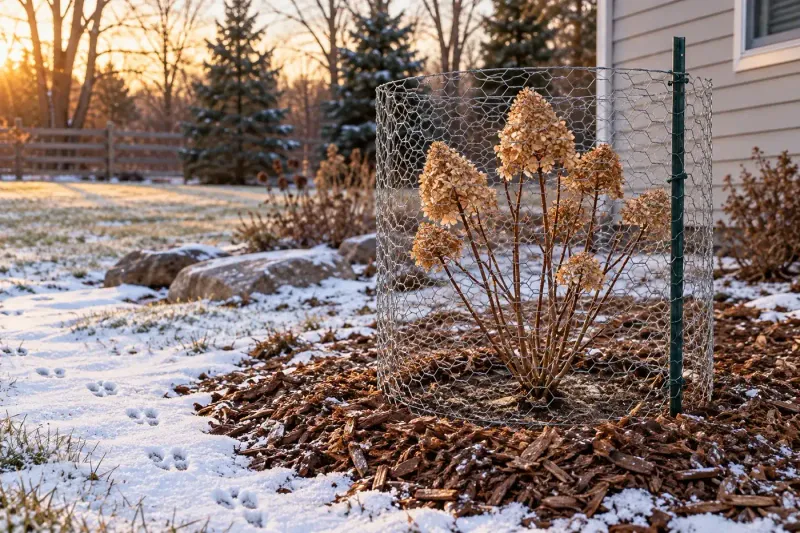
Mulch works on what is underground. It helps insulate soil and the root zone, but it does not reliably shield flower buds on exposed stems from cold.
Timing and depth vary by source. Minnesota Extension advises mulching after the soil begins to freeze, but that advice is for perennials and bulbs.
Illinois Extension describes a 2 to 4 inch layer for trees and shrubs.
Neither is a hydrangea-specific national rule. Check your local conditions, and ask your county extension office if you are unsure what suits your climate.
Treat next summer’s flowers as the result of several factors
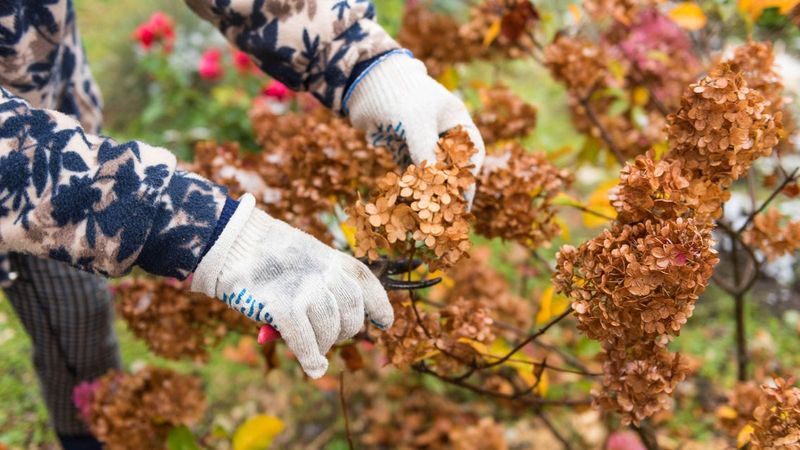
Here is the short checklist: identify your hydrangea, skip late-season pruning of old-wood stems, and match protection to your local winter and your plant’s risks.
If blooms disappoint, pruning is one possible cause. Penn State Extension lists pruning at the wrong time, winter cold, and browsing as reasons hydrangeas fail to flower, so look for all three.
Some bigleaf and mountain cultivars rebloom and can flower on new growth after old buds are lost, as described by Maryland Extension and Illinois Extension. Timing and abundance may differ from a year when old buds survive.
No single step guarantees a bloom count, but a good plan tips the odds your way.