
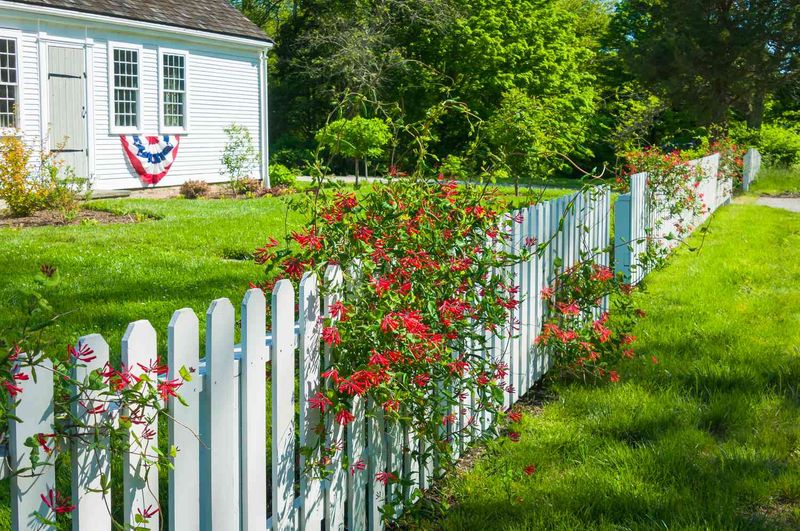
A bare fence in Central Texas can look rough by midsummer, and many homeowners want a vine that handles the heat. Crossvine is a Texas native with showy flowers and a strong climbing habit.
Fall and early winter give it a good window to settle in. Here is how to decide if it fits your fence and how to care for it.
Vigorous growth does not guarantee a green fence by next summer
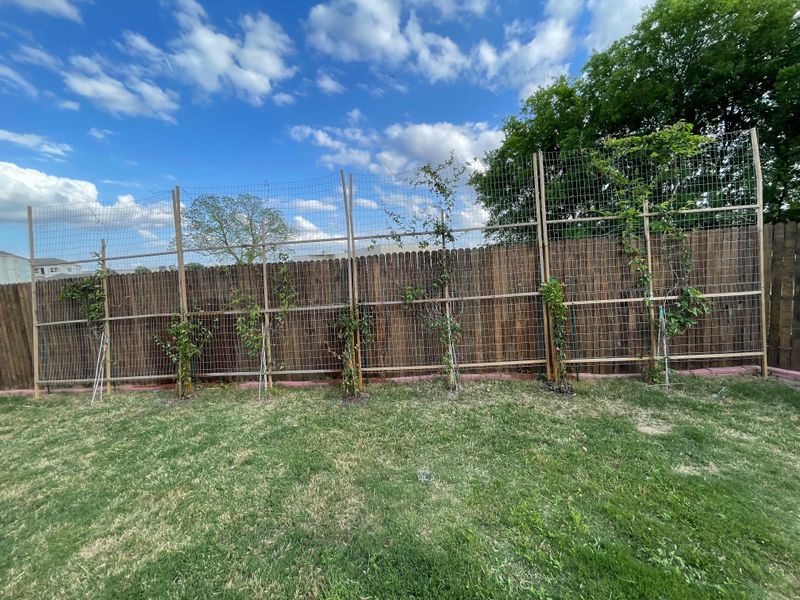
Crossvine has a reputation for fast, vigorous growth, and that reputation is earned once the plant is settled in. A University of Tennessee program reports that established crossvine can grow 10 to 15 feet in a season.
That number describes a mature plant with a working root system, not a small nursery vine planted this fall in Central Texas.
Other sources use words like rapid without giving a rate. TxSmartScape lists it as a vine for the region, and the Lady Bird Johnson Wildflower Center describes a climbing woody vine that can reach fences.
None of them gives a dependable timeline for covering a particular fence in one season.
So the honest answer is that coverage timing is uncertain. Your results will depend on sun, soil, rainfall, how well the plant is watered, and how much fence you want to cover.
A small plant often spends its first months building roots before it sends out long stems.
A practical way to plan is to treat the first year as a setup year. If you see steady new growth and the vine starts finding the fence, that is a good sign.
Keep expectations modest, and you will enjoy each foot of progress instead of waiting on a deadline.
Crossvine can cling to fences, so plan for its growth
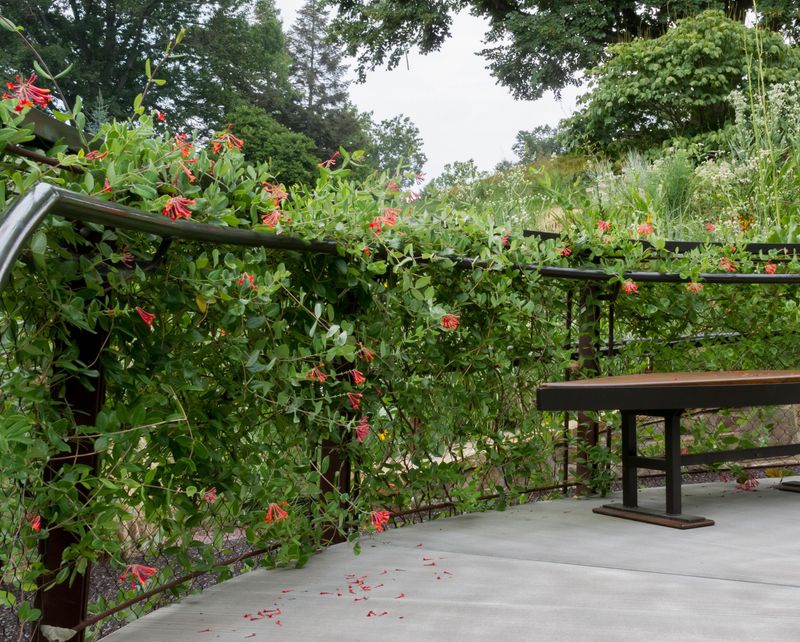
Crossvine climbs with tendrils that end in adhesive holdfasts, which are small pads that stick to surfaces. The Lady Bird Johnson Wildflower Center says it can cling to fences without additional support.
That is a handy trait if you want a vine that does some of the climbing work for you.
Keep that claim general, though. Fences differ in material, age, and condition, and results can vary from one to the next.
Before planting, walk the fence line and look at the posts, boards, and any loose or rotting spots.
The same grip that helps the vine climb is a reason to pay attention. The City of Austin plant guide calls it an aggressive climber that needs to be directed and controlled.
That does not mean it will harm every fence, but it does mean you should not assume it is easy to remove later.
A simple habit helps. Check the vine every few weeks in the growing season, and redirect stray stems before they wander over gates, gutters, or nearby trees.
If a fence will need painting or repair soon, do that work first.
Choose a site suited to crossvine and your local ecoregion
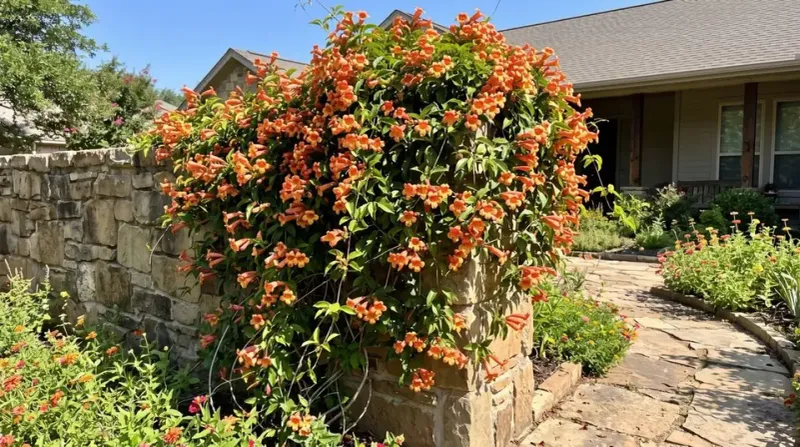
Crossvine grows in sun or part shade, but full sun generally brings the best flowering. If your fence line gets only a few hours of light, the vine may still grow, though you may see fewer blooms.
Pick the sunniest stretch you have for the best show.
It tolerates a range of soil types, according to North Carolina State Extension. The Wildflower Center recommends well-drained soil.
After a heavy rain, watch the spot at the base of your fence. If water sits there for long, consider a different location.
Native status deserves a careful word. Crossvine is native to Texas, but Austin’s plant guide says it is not native to the Edwards Plateau or the Blackland Prairie.
Those regions cover a lot of Central Texas.
That does not rule it out for your yard. It simply means you should not describe it as native to every local ecoregion.
If a strictly local native garden is your goal, weigh that fact as you choose.
Fall and early winter can give roots time to establish
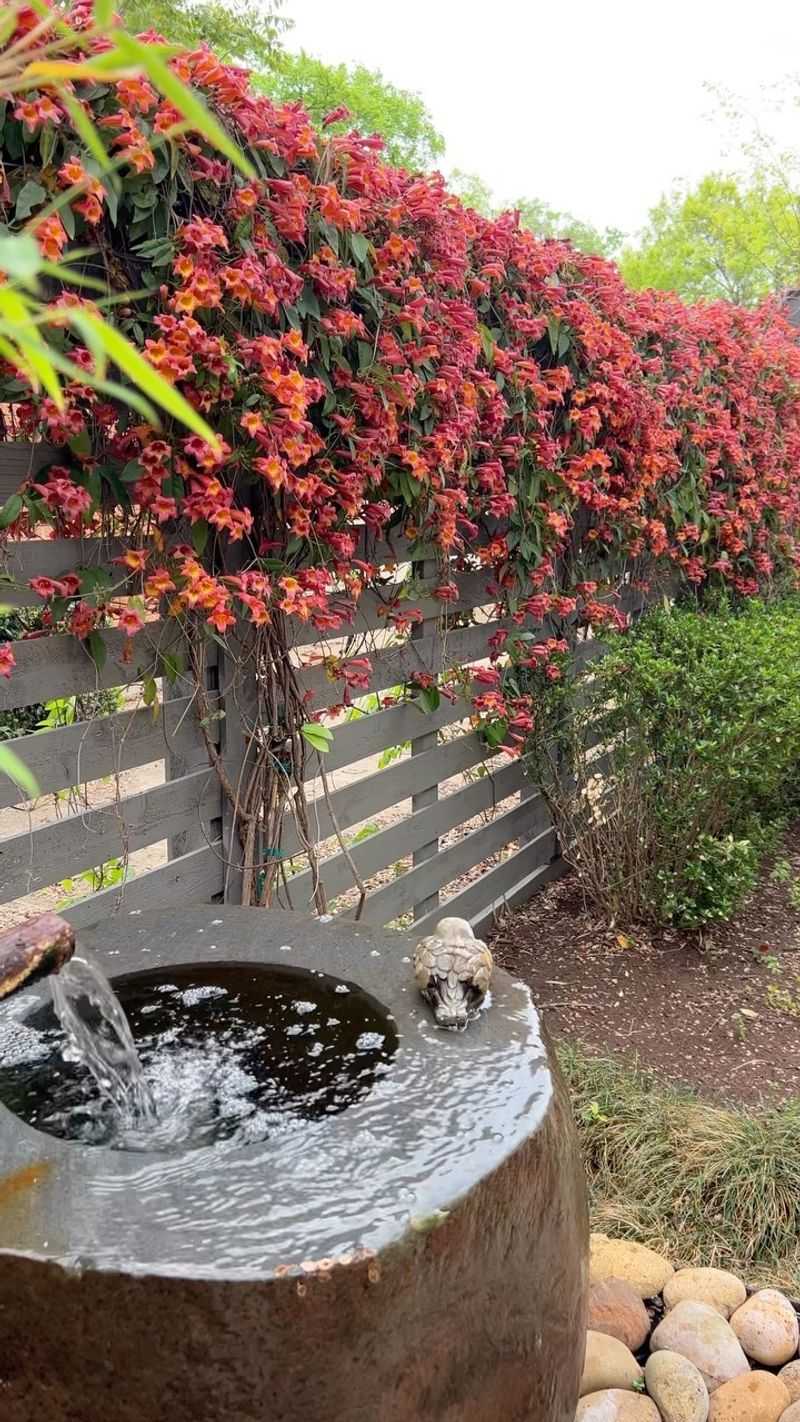
Timing matters in Central Texas, where summer stress arrives early and stays long. The Wildflower Center explains in its guide to fall planting that cooler air combined with soil still warm from summer lets roots develop before the heat returns.
That is the logic behind planting crossvine in fall or early winter. The plant spends the mild months building roots instead of fighting a heat wave.
Roots that are better settled can help a plant face its first summer with more strength.
This is a favorable window, not a promise. A fall planting does not guarantee fast top growth, and it does not guarantee that the vine will cover your fence.
In cool months, much of the work happens below ground where you cannot see it.
If you are deciding when to buy, aim for the cooler stretch rather than waiting for spring. Choose your spot, check the fence, and get the plant in the ground while the weather is on your side.
Then plan your watering, since a new plant still needs help.
Water new plants while they establish
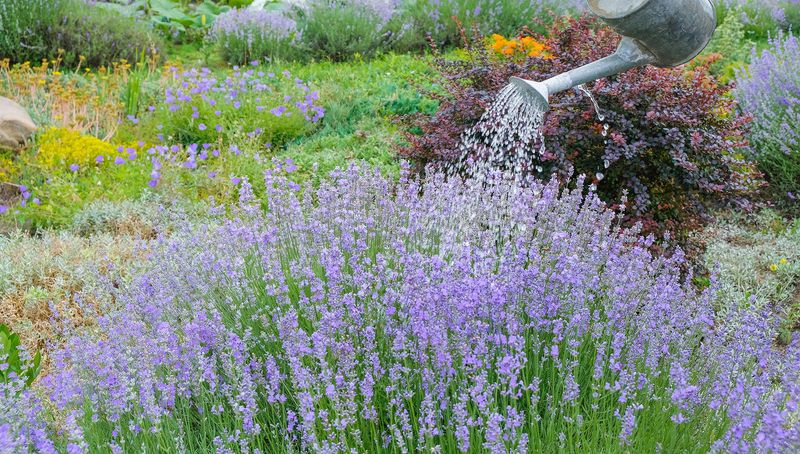
Make watering your first care task. The Wildflower Center’s expert recommends deep weekly watering for new plantings during the first four to six weeks, as noted in the fall planting article.
Adjust that schedule for rainfall, and skip a session when the soil is already soaked.
Deep watering means soaking the root zone slowly so moisture reaches below the surface. That encourages roots to grow downward, which helps the plant later when the weather turns dry.
Crossvine is described as needing little water once established, according to Central Texas Gardener. The key word is established.
A plant that was just installed has not reached that stage, so drought tolerance is not a reason to neglect it.
Keep an eye on the vine as the seasons change. In summer, check it in the early morning, since wilting at that hour can signal that the plant needs more water.
Watching the plant, not just the calendar, is the best way to tell what it needs.
Guide the vine and prune after flowering
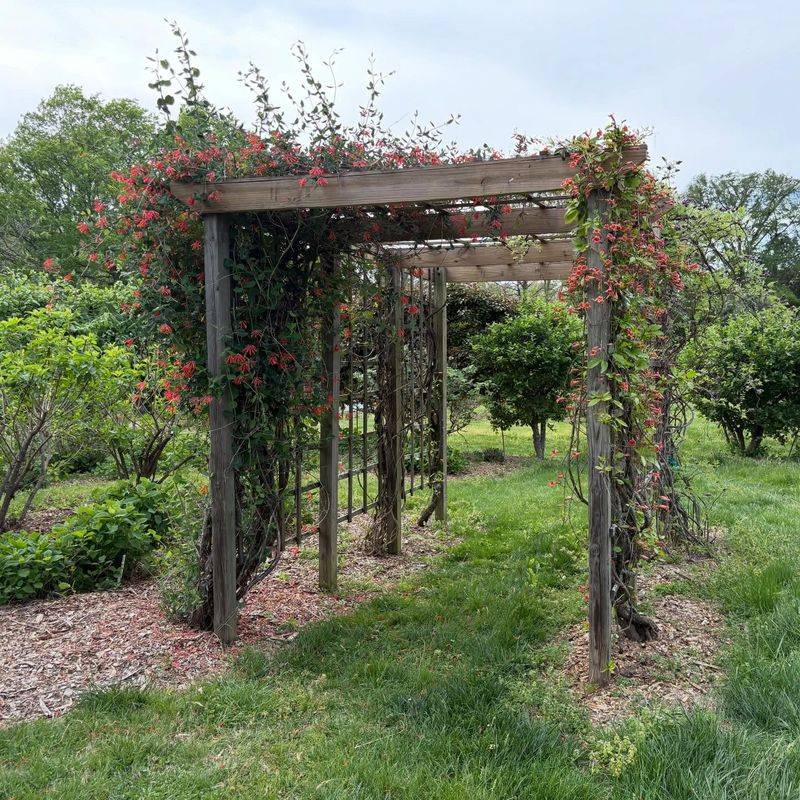
Plan on giving crossvine room. The City of Austin lists a potential spread of 6 to 30 feet and advises pruning to direct growth.
That wide range is a reminder that the vine can outgrow a small space once it matures.
For timing, Central Texas Gardener recommends pruning after flowering. Treat that as local guidance.
It is a sensible way to avoid cutting off flower buds, though sources do not fully agree on which wood the vine blooms from.
Because of that disagreement, skip hard pruning unless you have a clear reason. Light trimming to steer stems, clear gates, and keep the vine on the fence is a safer approach.
Here is a simple routine to try.
After the bloom fades, walk the fence and clip stems heading the wrong way. Tuck wandering shoots back toward open sections.
Check again later in the season, because TxSmartScape lists it among vigorous regional vines, and regular small trims are easier than one big cleanup.
Enjoy the flowers without counting on year-round cover
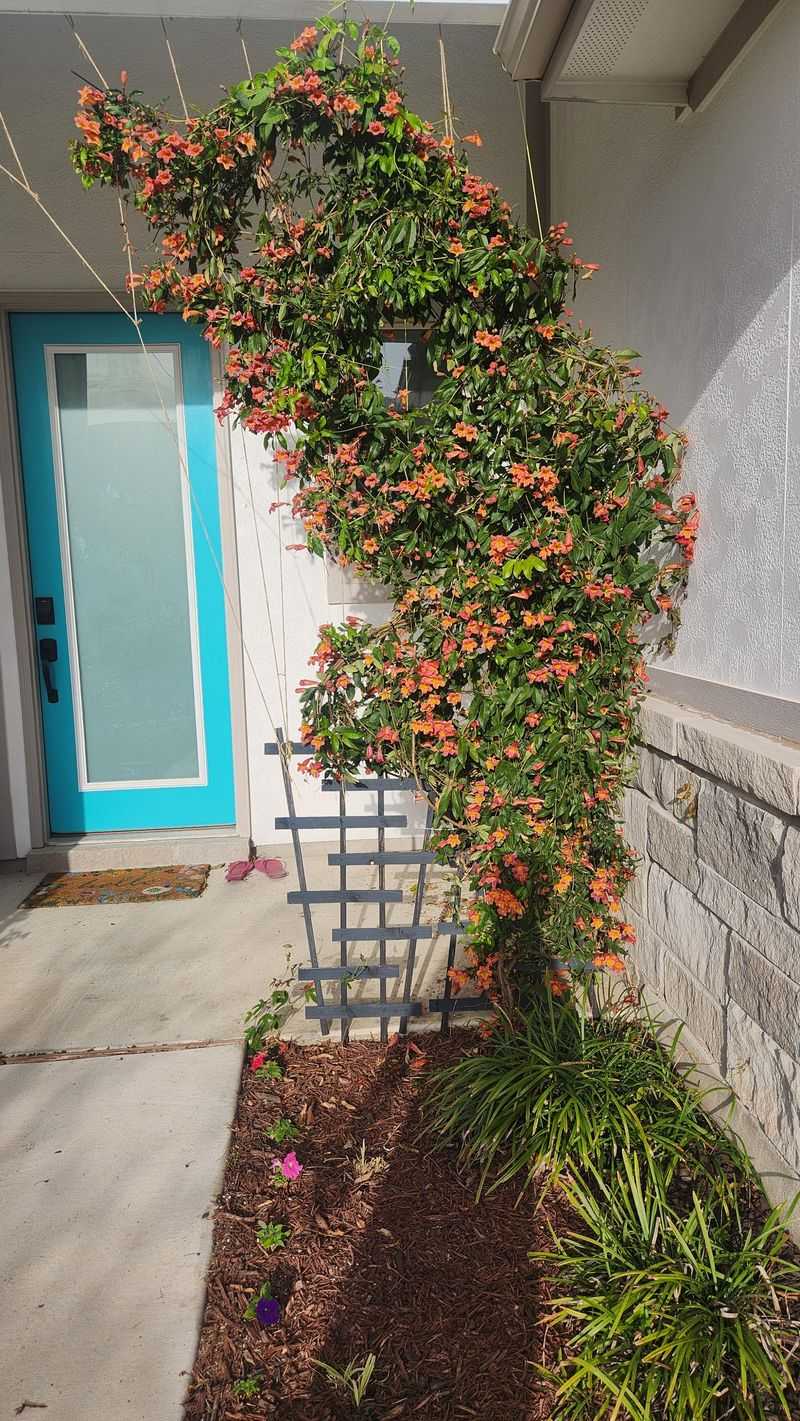
The flowers are the reward. Crossvine produces tubular blooms that attract hummingbirds, as the Wildflower Center notes.
Central Texas Gardener and other sources also report bees and butterflies visiting, so a blooming fence can become a busy spot.
Foliage is where expectations need care. The City of Austin describes crossvine as semi-evergreen.
The Tennessee program notes that leaves can turn purplish in winter, and North Carolina State Extension also describes semi-evergreen foliage.
In practice, your vine may hold some leaves, change color, or look thinner in winter, and the amount can vary by year. That makes it a poor fit if you need a dense wall of green in every month.
Choose crossvine as a flowering fence vine you are willing to guide, not a guaranteed one-season or year-round privacy screen. Plant it well, water it early, and prune with care.
Then let the hummingbirds judge your work.