
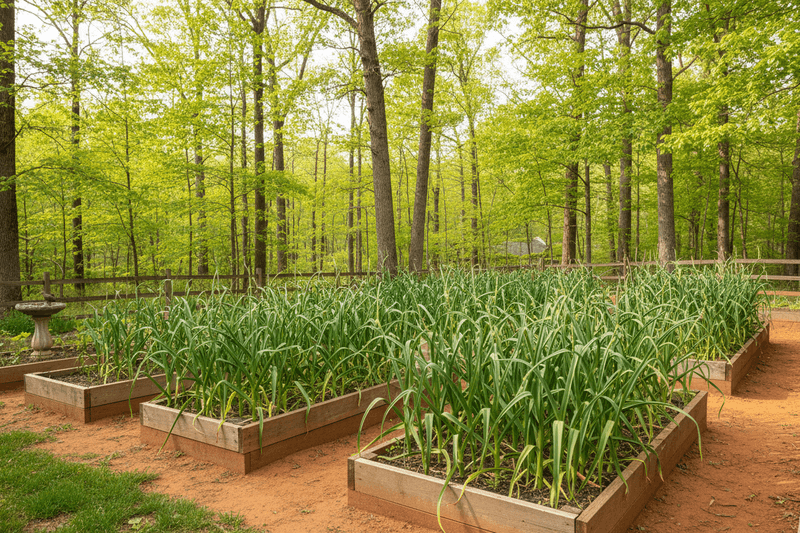
You tuck in your fall greens, the sky turns crisp and clear, and the forecast says the low will be close to freezing. Morning comes, and the plants in your raised bed look rough while the row in the ground looks better.
Raised beds often lose warmth faster than the ground around them, and a clear night can speed up that heat loss for any surface. Knowing how this works helps you protect your collards, kale, lettuce, and spinach with simple steps before the cold arrives.
Raised beds can cool faster, but they do not always freeze first
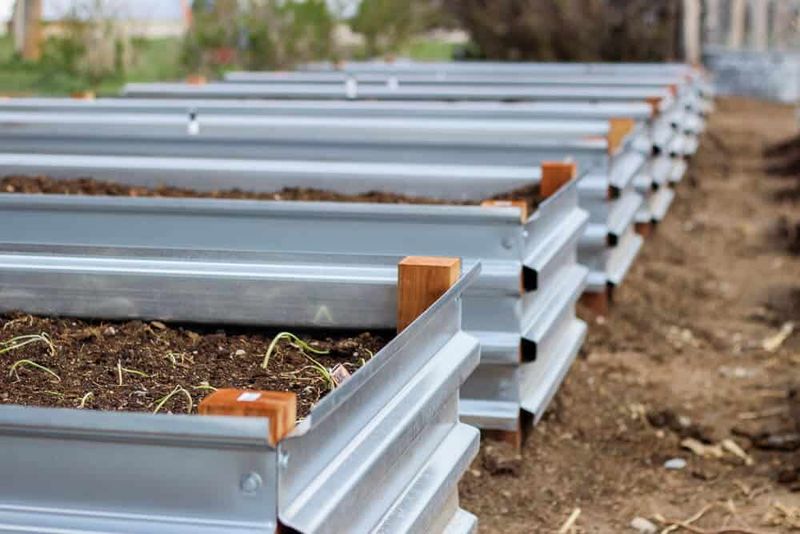
Gardeners often notice that a raised bed warms up quickly in spring and cools off quickly in fall. Oregon State University Extension guidance on raised beds says they heat up and cool down faster than in-ground beds, and that taller beds may need more frost protection on cool nights.
That makes faster overnight cooling a reasonable possibility for a raised bed. The soil is lifted above the ground, and its sides are exposed to open air.
Heat stored in the soil has more ways to escape than it does in a row that sits level with the earth around it.
A possibility is not a promise, though. Your raised bed may not freeze before your in-ground row, and the gap may be small on some nights.
Several things shape the result: how tall the bed is, what the soil mix is made of, how wet the soil is, how much wind and open sky the spot gets, and what the local weather is doing that night.
The research that directly compares bed types is limited. One study in northern Ontario, Canada, tested garden bed designs at a single site in late summer and early fall.
It found that elevated beds did not hold heat as well as ground beds. That Arctic journal study was brief and specific to its setting, so it is a useful hint and not a prediction for a North Carolina backyard.
Treat your raised bed as the spot that may need attention first, and let your own garden teach you. A cheap thermometer in each bed will show you what actually happens at your place.
Clear skies let the garden surface lose heat overnight
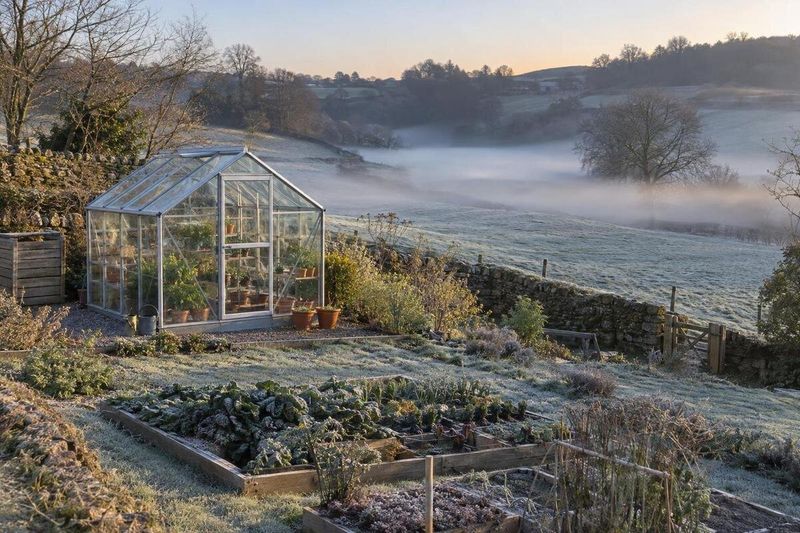
Picture the ground as a battery that charges in the sun and drains after dark. On a clear night, there are no clouds to slow that drain.
The National Weather Service describes radiational cooling as the loss of heat from Earth’s surface into the sky, and says it is strongest under clear skies.
Cloudy nights work like a blanket, because clouds send some of that heat back down. Calm, dry, clear nights let more of it slip away.
That is why a still, starry November evening can feel so much colder by midnight than a cloudy one with the same afternoon high.
This process affects every surface that is open to the sky, including the ground, garden beds, and leaves. It does not single out raised beds.
The weather service source explains the general process and does not compare bed types.
Here is where the two ideas meet. A raised bed already tends to lose heat faster, so a clear night may give it a quicker chill.
Whether it actually ends up colder than the row beside it still depends on the factors in your own yard.
A practical clue is the sky itself. When the forecast calls for clear skies, light wind, and a low near freezing, that is the night to get ready.
A weather-station reading cannot tell you exactly what leaves experience
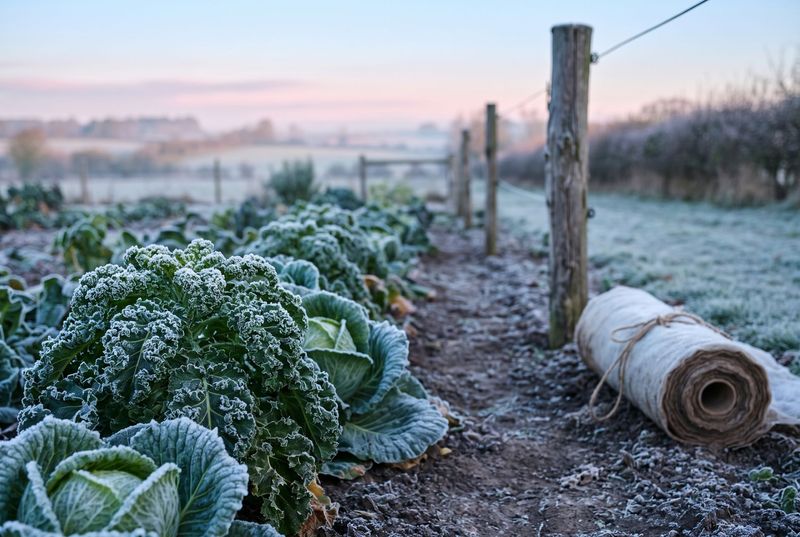
The temperature in the forecast usually comes from a standard thermometer placed several feet above the ground. Your lettuce sits much lower, right where the surface is giving off heat.
Leaves and other exposed surfaces can get colder than that official reading, as NC State Extension frost and freeze guidance explains.
The words frost, freeze, and hard freeze mean different things. National Weather Service definitions describe frost as ice forming on surfaces at or below 32°F when moisture is available.
A freeze is 32°F or lower, and the hard-freeze threshold it cites is 28°F or lower.
Because of that gap between air and surface, frost can form even when a standard thermometer reads above 32°F. A forecast low of 34°F does not guarantee a clean, frost-free morning for your greens.
Frost on a leaf also does not mean the plant is ruined. Injury depends on how cold the plant tissue gets and how long it stays that cold.
A short, light frost may leave hardy greens fine, while a long stretch at a lower temperature can do real harm.
So read a forecast as a hint about risk, not a verdict. Check the low, the sky, the wind, and your crop, and then decide how much protection makes sense.
North Carolina’s first-freeze timing varies by location
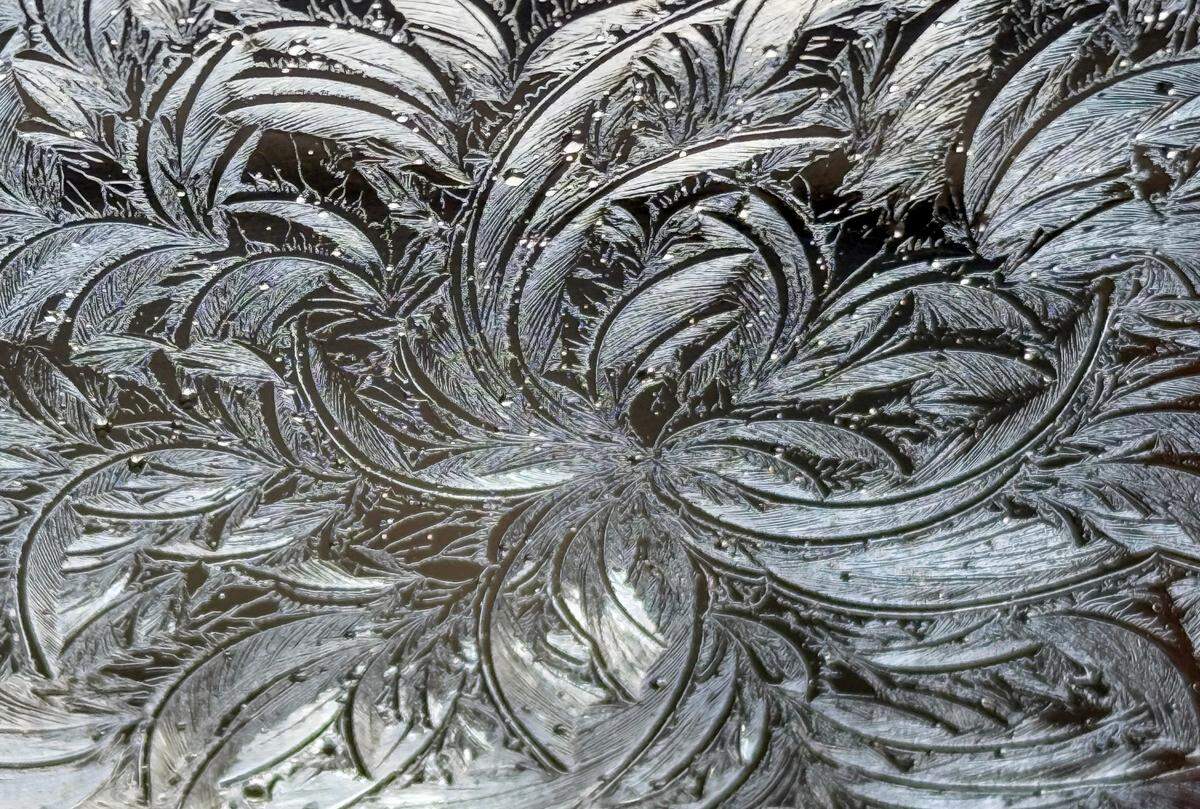
There is no single first-freeze date for the whole state. North Carolina stretches from the mountains to the Outer Banks, and the first freeze arrives weeks apart.
NC State Extension’s table of average first and last freeze dates shows how wide the range can be.
Its station averages include October 7 in Jefferson, October 30 at Raleigh Airport, November 18 at Wilmington International Airport, and December 16 at Hatteras. A mountain gardener and a coastal gardener are working on very different calendars.
These are averages for a station over many years. They are not a forecast for this fall or for your particular garden.
Some years the first freeze comes early, and some years it holds off.
The table also notes that some stations have limited records, so treat those numbers as rough guides. Hilltops, low spots, and sites near buildings can run warmer or colder than a nearby station.
For a good local picture, find the station or county listing closest to you, then watch your own forecast as November gets closer. Your county Cooperative Extension office is a good place to ask what is typical where you live.
Keep dry soil reasonably moist before a cold event
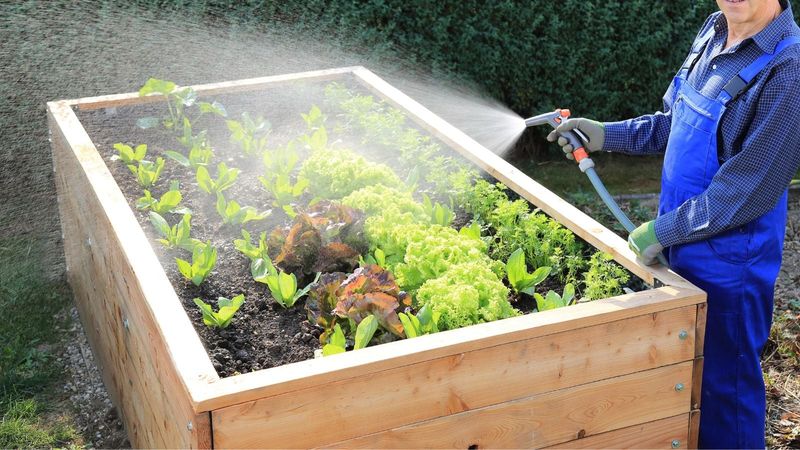
Dry fall weather is common in North Carolina, and dry soil is not much help on a cold night. NC State Extension says moist soil retains heat longer and releases it slowly.
If your bed is dry ahead of a cold event, keeping it reasonably moist is a sensible step.
Reasonably moist is the goal, not soggy. Water earlier in the day so the surface is not dripping as temperatures fall.
Raised beds tend to drain and dry out quickly, so they are worth a check with your finger a couple of inches down.
Watering will not set a particular temperature or guarantee your plants avoid damage. Think of it as one small advantage that costs very little.
The other half of the advice is to leave the soil alone. Skip cultivating, hoeing, or digging right before a frost or freeze.
Working the soil can damage roots and create gaps that let cool air move deeper into the bed.
A good habit is to finish weeding and planting a few days ahead of a cold forecast. Then, on the day of the cold night, your only soil job is a quick moisture check.
Cover vulnerable greens before a forecast cold night

When the forecast looks cold, a cover is the most direct tool a home gardener has. NC State Extension’s fall Piedmont guidance says row covers and low tunnels can protect plants from low temperatures.
Put them on ahead of the cold night, in the afternoon while it is still light and mild.
Hoops with fabric draped over them are a simple low tunnel. Secure the edges with boards, bricks, or soil staples so wind does not pull the cover loose and cold air does not sneak in underneath.
How much protection you get depends on the cover and the conditions. A light fabric, a heavy fabric, a calm night, and a windy one will all give different results, and a cover will not guarantee undamaged greens through a hard freeze.
Check the temperature under the cover with a small thermometer, and do not just assume it is warm. Then take the cover off before heat builds up the next day, since a closed-up bed can overheat once the sun hits it.
NC State’s frost protection article also describes overhead irrigation as needing large volumes of water running throughout the cold event, so it is not an easy backyard shortcut.
Different greens tolerate cold differently
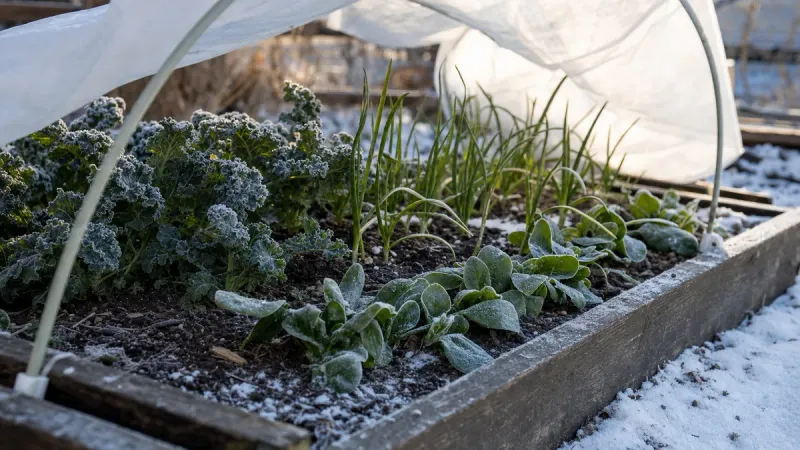
Not every green in your bed needs the same attention. NC State Extension lists crop tolerances that help you read a forecast.
Lettuce may tolerate a brief dip into roughly the 26 to 31°F range, though its foliage may be damaged.
Collards, kale, and spinach are among the crops it says may survive longer stretches below 26°F. These are possible tolerances, not guarantees.
A leaf can still be damaged, a plant can still struggle in a tough spot, and growth may slow or stop even when the plant lives.
Here is how that plays out. Say a clear night looks likely to bottom out in the upper 20s.
Your lettuce is the first thing to cover, while a stand of collards may be able to ride it out.
Remember that your raised bed may run colder than the forecast number suggests, and leaves can be colder than the air reading. A crop that is hardy on paper still deserves a second look if the bed is tall, dry, and wide open to the sky.
Young seedlings and freshly transplanted greens are usually more vulnerable than established plants. Match your effort to the crop, the bed, and the night.
Match your protection plan to the forecast and the crop
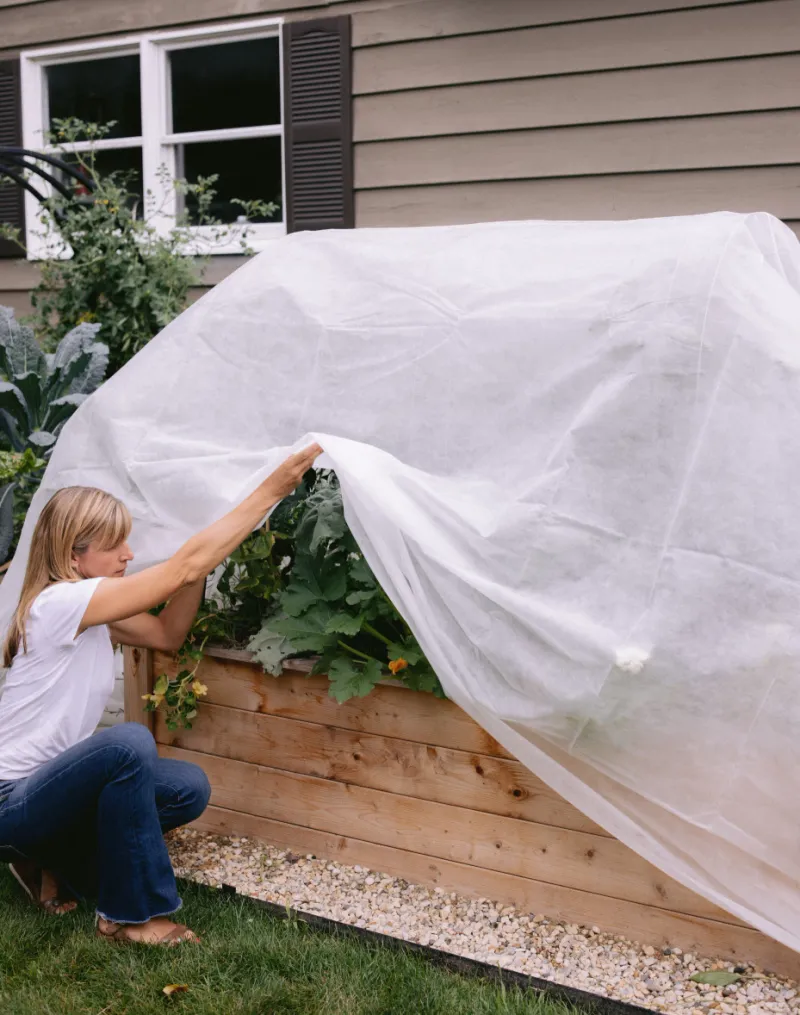
Start with your local forecast and a quick look at the sky, wind, and bed moisture. If the soil is dry, water it earlier in the day, and leave it uncultivated.
Cover tender greens before dark, following NC State’s fall gardening guidance, and tuck a thermometer underneath.
Uncover in the morning so the bed does not overheat. Your raised bed may cool quickly, so let your own readings guide you, and no plan can promise a damage-free harvest.
A cold night is simply a chance to learn how your garden behaves.