
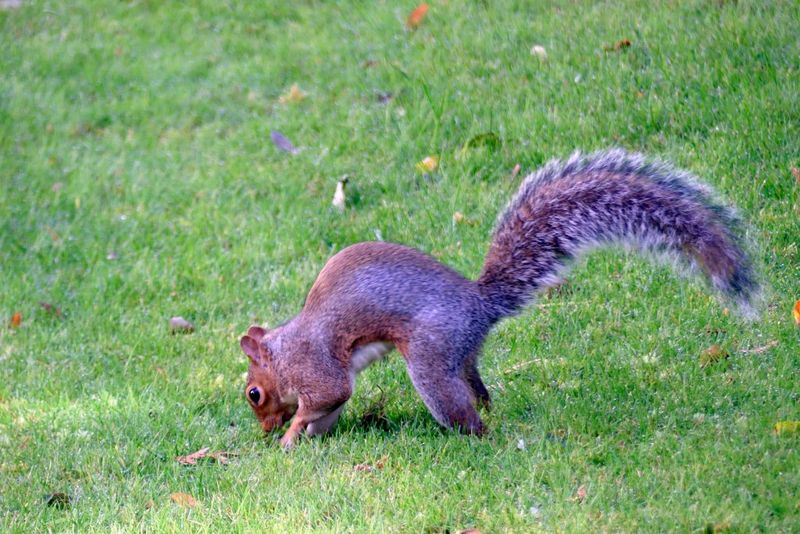
Walk across a lawn in fall and you may see a squirrel digging a small hole, dropping in an acorn, and patting the dirt flat. That acorn might be tucked into the same bed where your tomatoes or tulips grow.
Some buried acorns can sprout into young oaks, and pulling oak seedlings out of beds is a chore nobody asked for. A little fall attention can cut down on some of that work.
Squirrels cache acorns in home landscapes
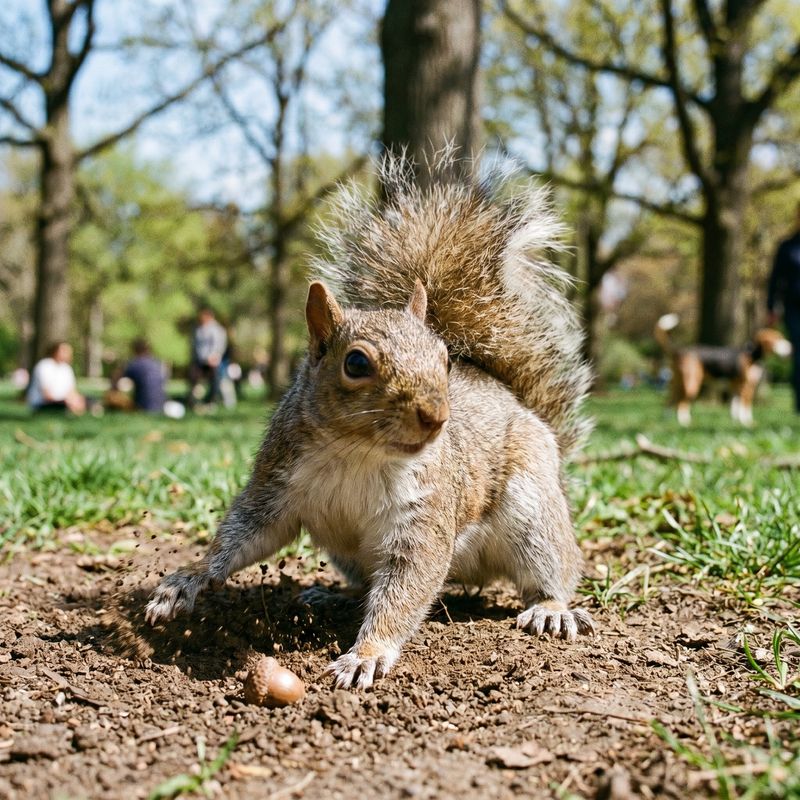
Squirrels do not limit their acorn storage to the woods. Illinois Extension notes that they cache acorns in home landscapes, and that includes lawns, flower beds, vegetable beds, and even containers.
That means a stash can end up right beside plants you tend every week. A squirrel looking for soft, easy digging will often pick a loose bed over packed turf.
Does that mean every buried acorn is on its way to becoming a tree? Not at all.
Many caches never sprout, and the next section explains why. Still, a bed where an oak is unwelcome is worth a look in autumn, since a few buried acorns can show up later as small oak seedlings among your plants.
A buried acorn may never become a seedling
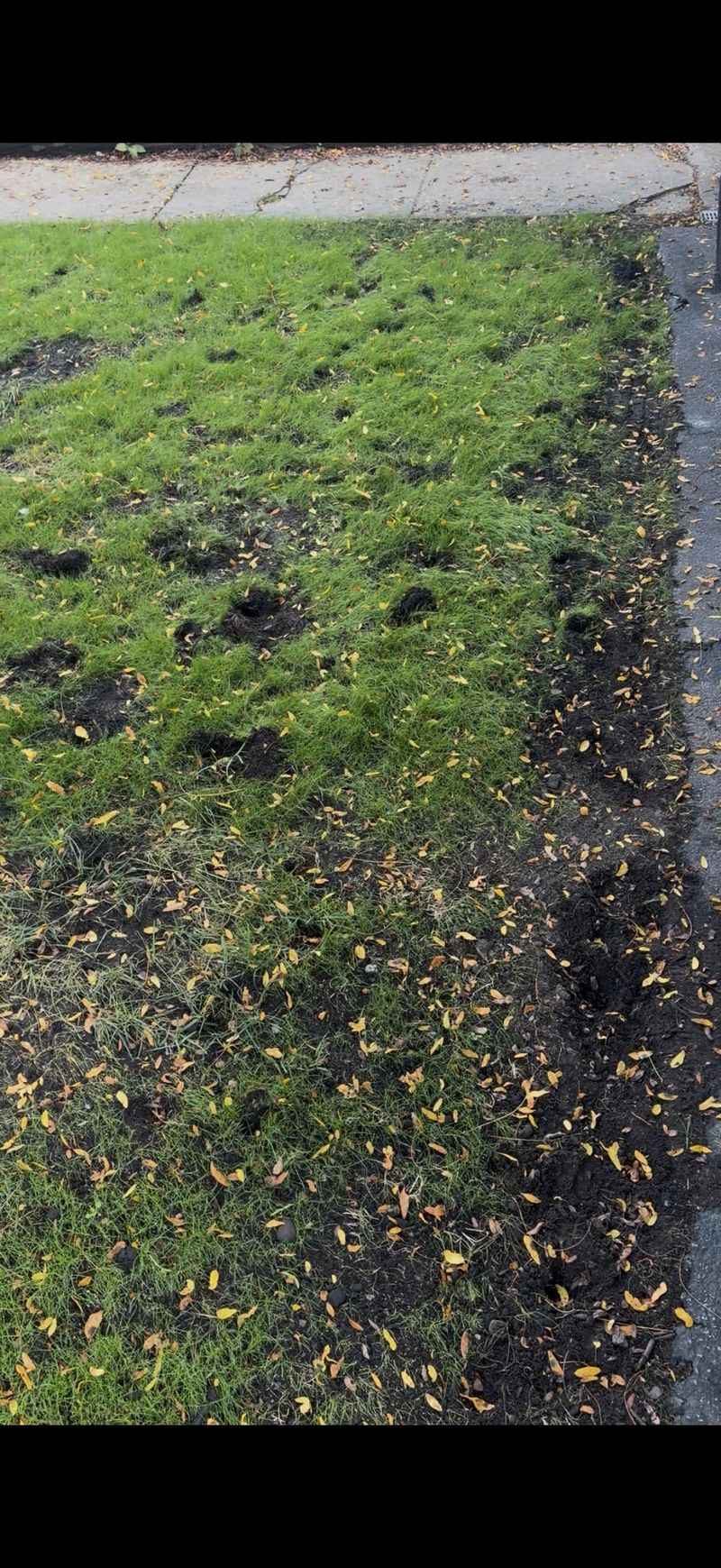
Burying an acorn and growing an oak are two different things. A USDA Forest Service review describes wildlife burial as one route by which oaks get established, but it also points out that animals eat much of the acorn crop.
Squirrels also come back for their stashes. Research on rodents in eastern forests documents acorns being recovered and moved to new hiding spots, so a cache today may be empty next week.
Whether a specific acorn sprouts depends on the acorn itself, the oak species, and the conditions in your soil. There is no way to predict the fate of any one nut.
The realistic goal is to lower the odds of a few unwanted oaks, not to chase down every acorn.
A rake collects surface acorns, not hidden caches
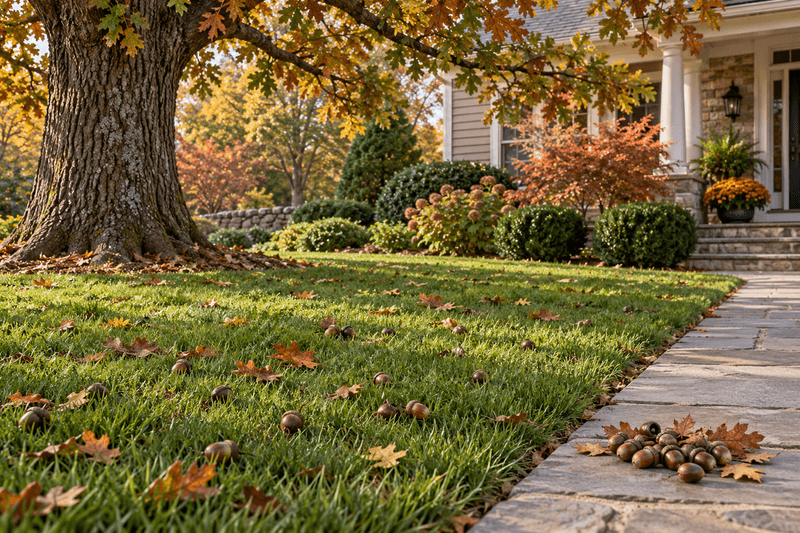
Picture two kinds of acorns in your yard: the ones lying in plain sight and the ones already tucked under the soil. A rake handles the first group nicely and does very little for the second.
Kansas State’s Meadowlark Extension District lists raking as one way to gather acorns, and that makes sense for nuts sitting on turf or mulch.
Squirrels, however, can bury acorns right in garden beds, as Illinois Extension points out. A surface rake will not reliably pull those out.
So think of raking as a way to reduce exposed acorns and some potential seedlings. It is a helpful step, but it will not stop every volunteer oak from appearing.
Gather exposed acorns from beds where oaks are unwanted
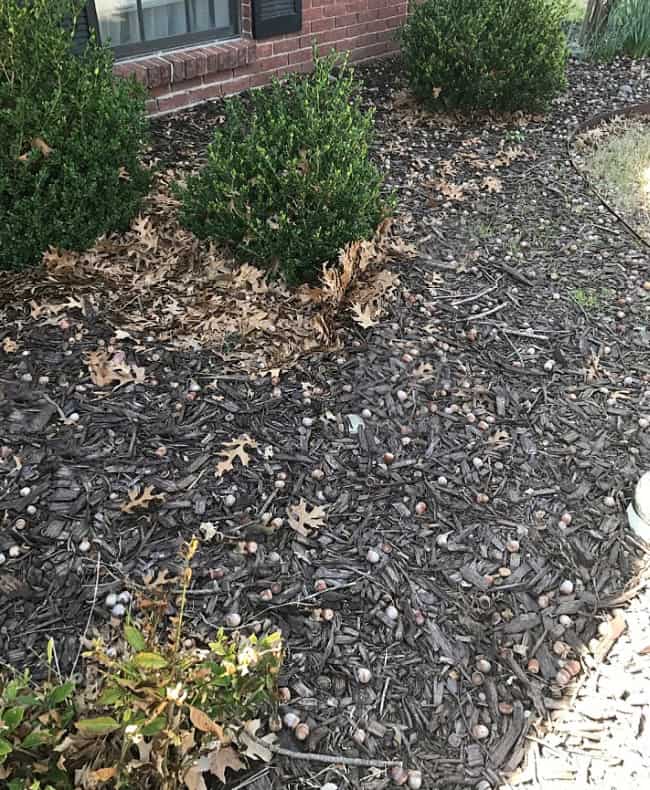
Here is a small fall job with a clear payoff. Walk your beds, especially the ones where an oak would be a nuisance, and pick up the acorns you can see.
Gloved hands, a small bucket, or a light pass with a rake all work.
You do not need to clear the whole yard. Kansas State’s extension newsletter says full acorn cleanup is not required, so focus on the spots you care about most, like a vegetable bed or a new perennial border.
Go gently so you do not disturb roots or bulbs. Squirrels may still bury more acorns later, and some buried ones will stay put.
Picking up the exposed ones simply means fewer chances for a surprise oak next season.
Oak seedlings do not all appear on the same schedule
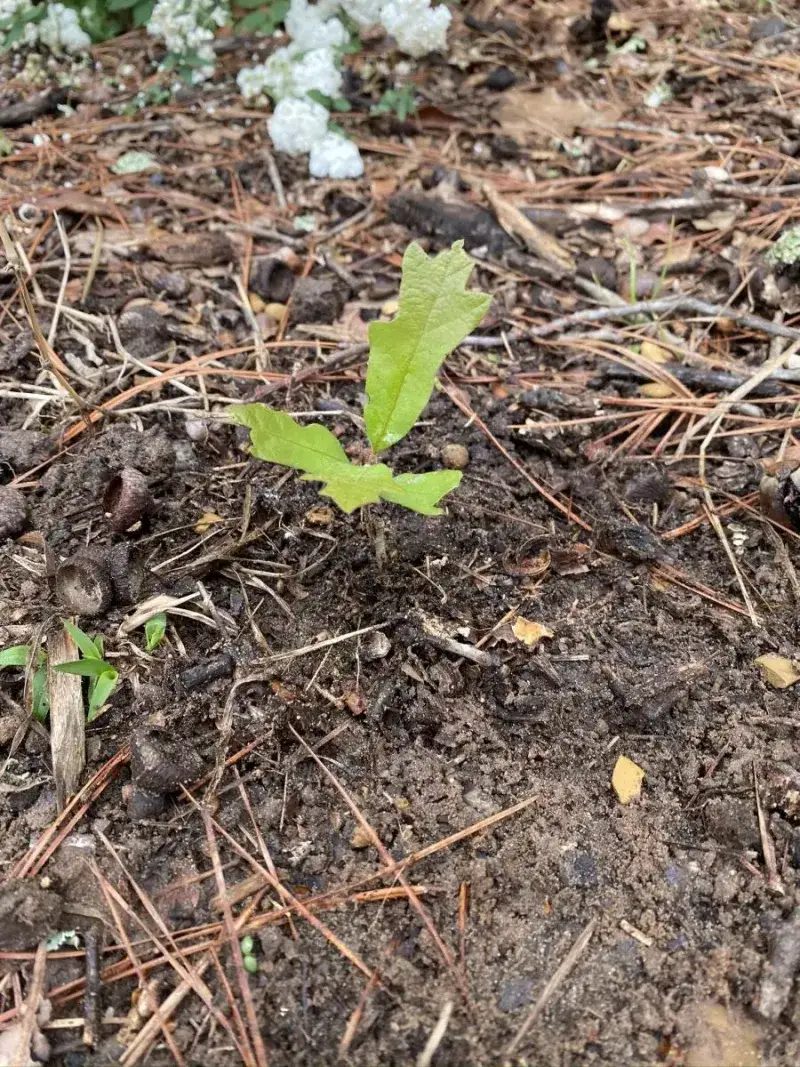
Spring gets the blame for surprise oaks, but oaks keep their own calendars. According to Mississippi State University Extension, white-oak-group acorns can begin germinating in fall, while red-oak-group acorns generally wait until spring after winter chill.
That is a broad rule, not a promise for every species or every yard. Soil, weather, and local oaks all play a part.
Acorn drop varies too. Fall squirrel activity is common, as Illinois Extension reports, but the timing of the drop differs across the country, so do not assume your neighbors across the country are raking at the same time you are.
The practical lesson: check your beds now and then as growth appears, rather than waiting for one deadline.
Pull young seedlings, but check what a shoot is attached to
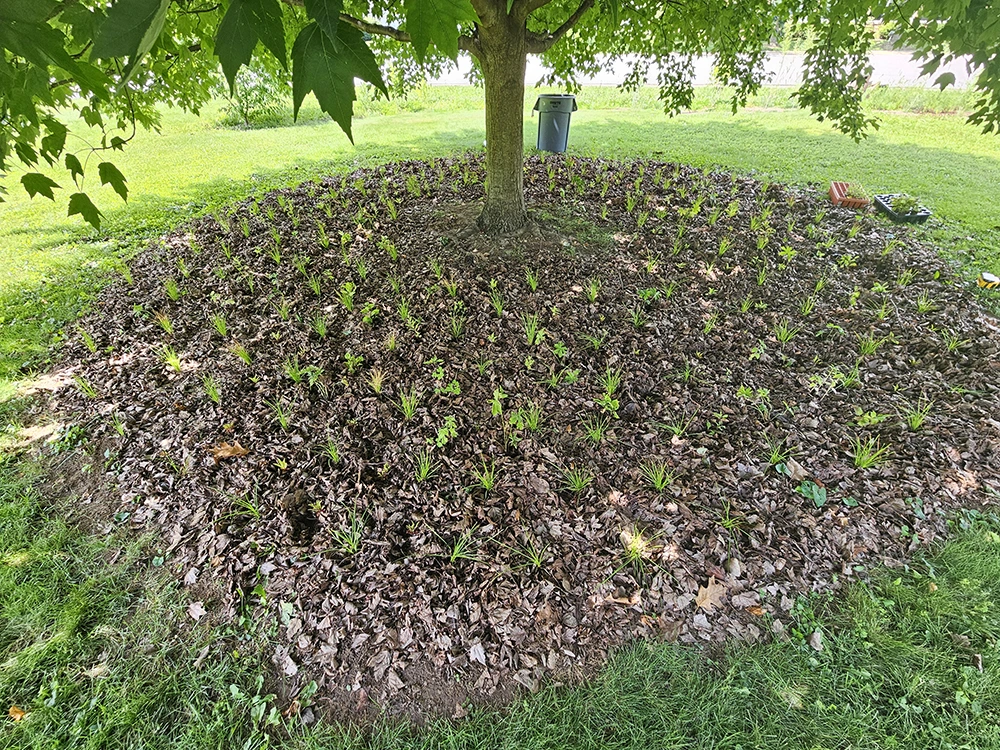
Once a small oak shows up where you do not want it, pull it while it is young. Small seedlings usually come out with a gentle tug, especially after rain has softened the soil.
Before you yank, though, check what the shoot is attached to. An Extension answer on oak sprouts separates true seedlings from shoots that rise from an established tree’s roots, and those root shoots do not pull up readily.
A seedling often has a leftover acorn near its base. If the stem seems to run sideways into a thick root or resists a firm pull, it is probably a root sprout, and you will need a different approach, like cutting it back.
Skip the guesswork and the herbicides. Hand-pulling confirmed seedlings is the simple, safe option for beds.
Aim for fewer volunteer oaks, not a guaranteed clean sweep
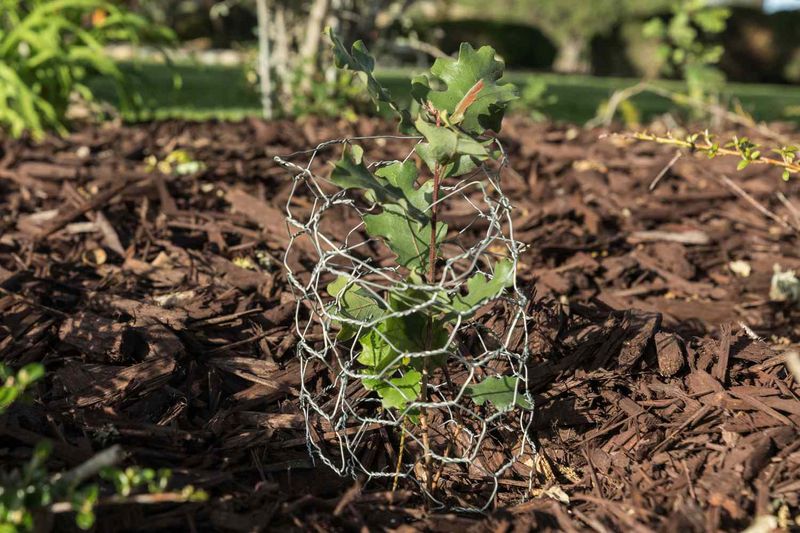
Put the steps together: gather exposed acorns from beds where oaks are unwanted, then keep an eye out for small seedlings and pull the confirmed ones. Illinois Extension’s reminder that squirrels bury acorns in beds is why the second step matters, and the Extension guidance on sprouts is why checking before pulling pays off.
Some buried caches will stay hidden, and timing will vary by oak and by region, so a stray seedling or two is normal.
Squirrels will keep burying, and your beds will keep getting checked. A few minutes now just makes that spring weeding list shorter.