
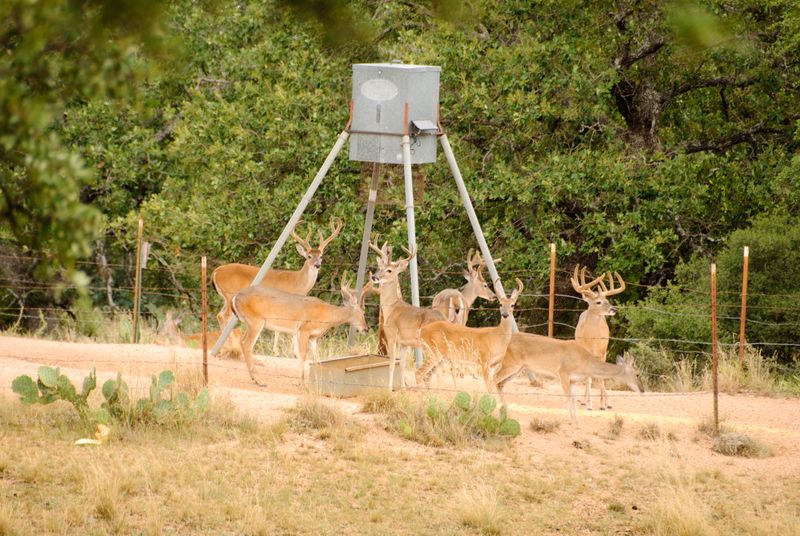
A scoop of corn at the edge of the yard feels like a kind thing to do when the weather turns cold. But that pile can bring health problems for deer and, in some counties, rule trouble for you.
Here is what North Carolina homeowners should know before the next bag of deer corn comes out of the truck, plus what to plant for the long haul.
Is feeding deer illegal in your county?
Many people assume feeding deer is against the law everywhere in the state. It is not.
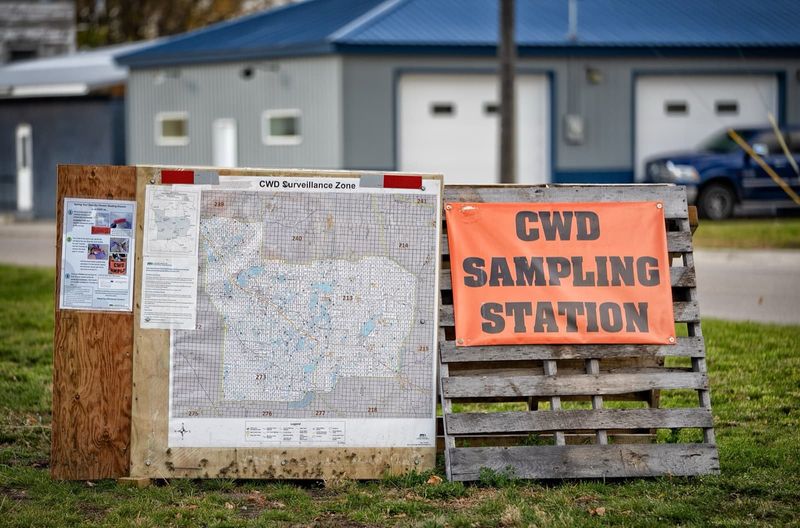
The NC Wildlife Resources Commission says that feeding deer is not illegal in most North Carolina locations, but special rules apply in certain areas tied to chronic wasting disease (CWD).
For the 2026-27 season, those rules cover two groups of counties. The CWD Management Area counties are Cumberland, Forsyth, Sampson, Stokes, Surry, Wilkes, and Yadkin.
The CWD Surveillance Area counties are Edgecombe, Halifax, Martin, and Pitt.
In those designated areas, placing bait, food, or food products to congregate wildlife is prohibited from January 2 through August 31, with listed exceptions. The county designations are also spelled out in the NCWRC 2026 CWD county proclamation.
So this is not a blanket ban on winter feeding, and it does not start on December 1.
Keep a few categories separate. Backyard wildlife feeding, baiting deer for hunting, rules on game lands, and feeding domestic animals are not the same thing, and each can have its own rules.
Before you put anything out, check the current NCWRC regulations for your county and your activity, since dates and county lists can change from one season to the next.
Corn can disrupt a deer’s digestion
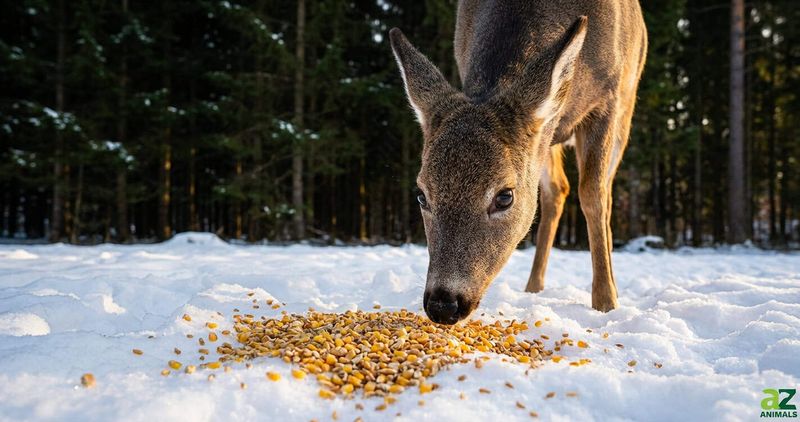
Deer corn looks like a hearty meal, yet it is packed with carbohydrates and low in fiber. NCWRC explains that large amounts of carbohydrate-rich, low-fiber feed can upset the gut microbes deer rely on to break down their food.
The trouble can include severe diarrhea, dehydration, acidosis, and other health problems.
A deer’s stomach is built to handle woody browse, acorns, leaves, and other fibrous foods. When a sudden load of corn arrives, the balance of microbes can shift.
That is why the risk climbs when deer eat too much of it.
This does not mean every deer that nibbles corn will get sick or die. Plenty of deer eat some and carry on.
The concern is the situation where a hungry deer eats a lot, or keeps coming back to a steady supply.
Corn is not the only food on the list. NCWRC’s guidance on feeding wildlife responsibly names corn and apples as examples of carbohydrate-rich foods that can make deer ill when eaten in excess.
So even a kind gesture does not turn corn into a stand-in for natural forage. It may fill a belly, but it does not match the mix of foods deer evolved to eat.
A feed pile creates more than a food source
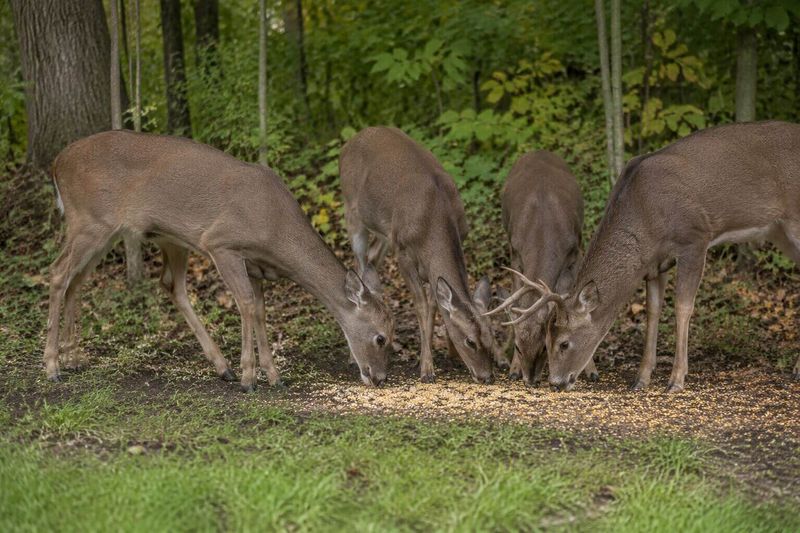
Think about what a pile of corn does to a neighborhood’s deer. Instead of moving widely through the woods, they gather in one spot, nose to nose.
NCWRC notes that feeding sites can concentrate animals and increase opportunities for disease transmission.
The ground matters too. Soil and plants around an unnatural food source can become contaminated as animals eat, drool, and leave droppings in the same place.
Scattering the corn over a bigger area does not solve this. Spreading food out does not remove disease risk, and it can leave more of your yard in play.
There is also a behavior side. Repeated feeding can teach deer to return to homes and people.
NCWRC has warned that deer that treat people as a food source can face harmful consequences.
For a homeowner, that can mean deer waiting near the porch, browsing shrubs you just planted, or crossing the road at dusk toward your yard.
Already feeding? Wind down gradually
If you have fed deer for a while, quitting overnight may feel like the wrong move. NCWRC offers a clear step for an established routine.
The commission advises tapering the feed over several weeks rather than stopping abruptly.
In practice, that means putting out a little less each week until the routine ends. Keep a simple note on the calendar so you can track how the amounts are shrinking.
This is NCWRC’s published recommendation, not a universal veterinary protocol, so treat it as the commission’s guidance for an existing routine.
Legal limits come first. If you live in a designated CWD area and the January 2 through August 31 restriction applies to you, the rule takes precedence, and you must follow it rather than continue feeding.
When in doubt, check current regulations for your county before the next scoop.
Native plants support natural foraging over time
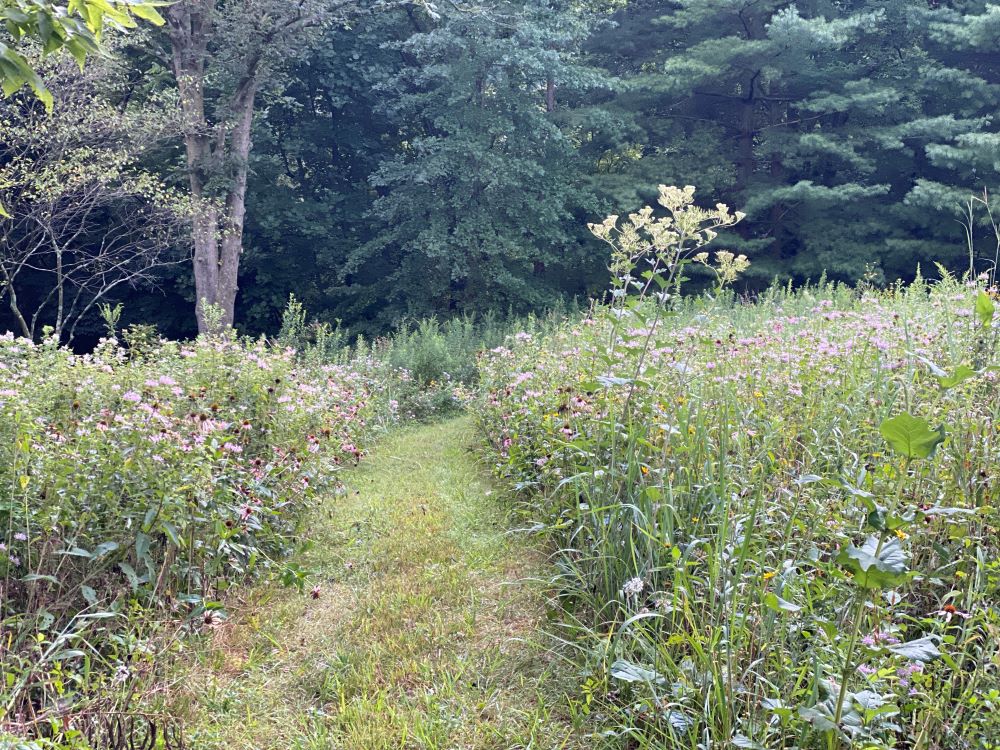
Deer are not picky in the way a feed pile suggests. According to NC State Extension’s white-tailed deer profile, they eat a varied diet of acorns and other mast, berries, forbs, and woody plant parts.
In fall and winter, that can include woody evergreen plants, herbaceous vegetation, and fungi. What is available changes with the season.
That variety is the model for a long-term yard plan. Oaks provide acorns.
Blackberry and blueberry produce fruit that deer use. The NC State Plant Toolbox notes that common persimmon fruit and twigs are used by deer.
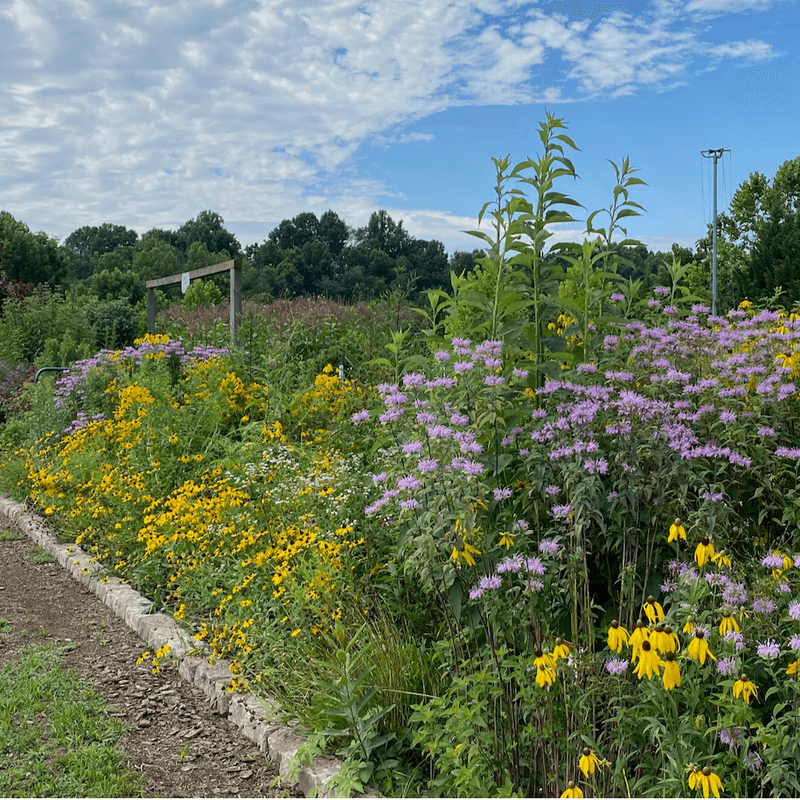
Aim for a mix of native plants suited to your site, whether that is mountain slope, Piedmont clay, or sandy coastal soil. NC State also points out that a diverse native planting can provide food and cover for other wildlife too, from birds to pollinators.
Be realistic about timing. A new tree or shrub takes time to establish, and results depend on plant choice, local conditions, and how many deer are browsing.
Planting is a long-term habitat improvement, not a quick fix for this winter.
Young plants need protection from browsing
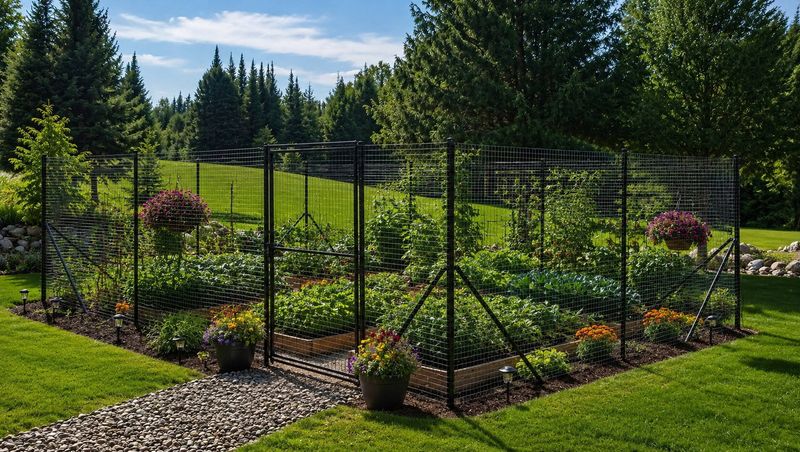
Anything you plant for wildlife can also become a snack before it has a chance to grow. Deer browse trees, shrubs, buds, and branches, so plan ahead for the plants you most want to establish.
NC State’s Extension Gardener Handbook cautions that no plant is completely deer-proof. Hungry deer may sample nearly anything, especially when other food is scarce.
Two practical options help young plantings. Tree guards wrap around the trunk or surround a sapling to keep browsing off tender growth.
Properly maintained fencing can protect a larger bed or a cluster of new shrubs.
Check guards and fencing through the seasons. A gap, a leaning post, or a guard that has slipped can undo the effort.
Protection often matters most in the first years, while plants are small and easy to nip.
Choose habitat over a feed pile
Start with the rules for your county and activity, and follow any restrictions that apply. If you have a lawful feeding routine, taper it over several weeks as NCWRC advises.
Then build native habitat a little at a time, knowing new plantings will not deliver food right away.
A yard that grows its own food will always outlast a bag of corn.