
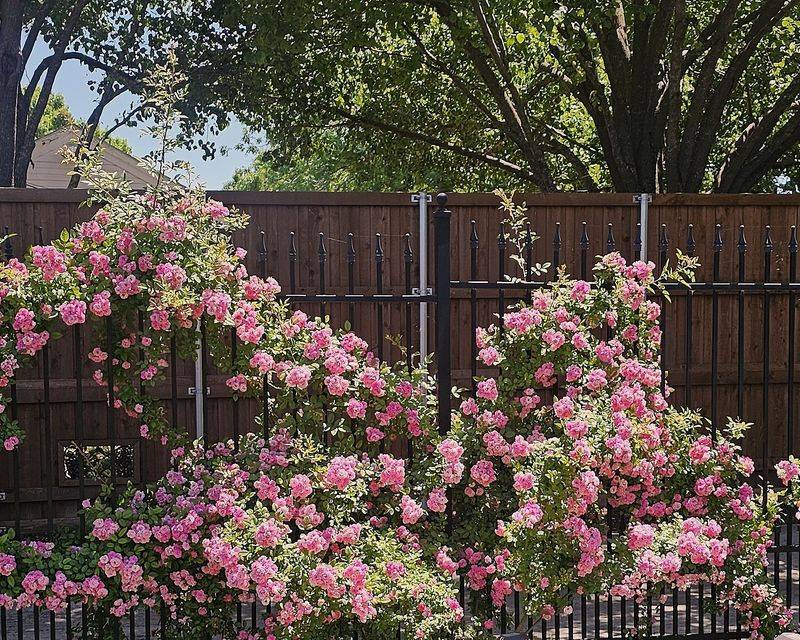
Your roses may still be flushing with color while the first cool mornings settle over Central Texas. That is a good reason to hold the loppers back for now.
A hard cut at the wrong time can undo weeks of bloom and invite freeze damage. Here is how to care for the flowers your plants are already making, and when the big prune really belongs.
Can roses keep blooming into December?
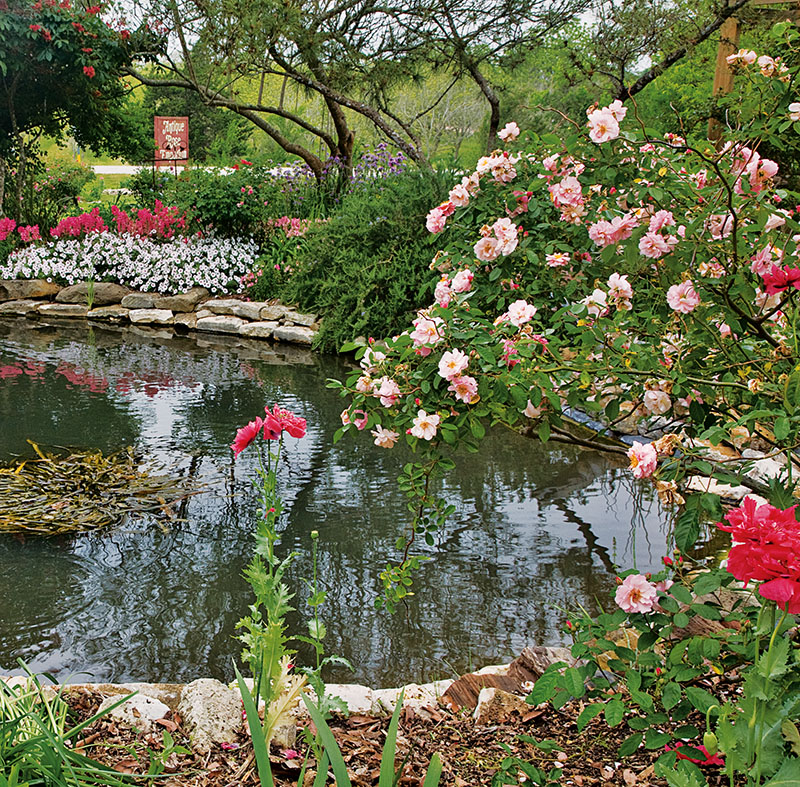
Honest expectations come first. Repeat-blooming roses may keep flowering until frost, and in a mild Central Texas fall that can stretch into December.
But no care routine can promise it, because the rose and the weather make the final call.
Texas A&M AgriLife Extension in Travis County describes rose bloom cycles in which repeat bloomers keep producing flowers until frost arrives. Your job is to support that cycle, not to force a new one.
A rose that is tired, shaded, or stressed may slow down no matter what you do.
Rose type matters too. Knock Out and Mutabilis roses, for example, are repeat bloomers that tend to keep going, while a once-blooming rose has finished its show for the year.
The Austin-area guide to best roses for Austin and Travis County is a handy way to identify what you are growing.
Weather is the other half. A warm November in Georgetown may keep buds coming, while a cold pocket in the Hill Country could end the season with one early freeze.
Microclimates, such as a south-facing wall or low spot, can shift things by weeks.
The rest of this guide covers light, low-risk habits that help the flowers you already have. Think of it as keeping a good thing going rather than chasing a December deadline.
A fall trim is not the winter hard prune
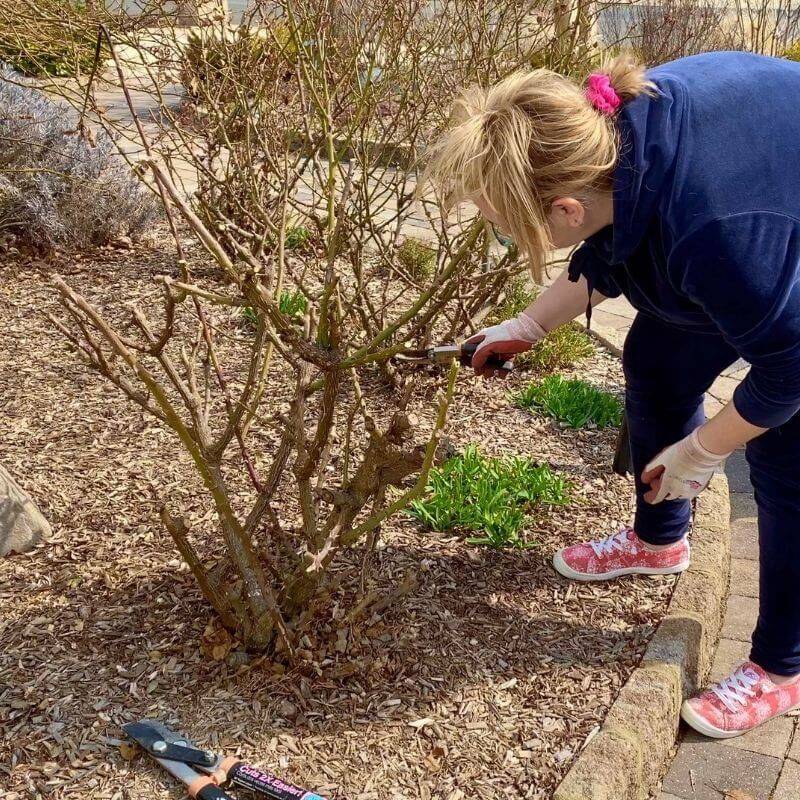
Saying wait on the hard prune does not mean roses never get cut in fall. Austin-area Extension recommends a light cutback of repeat bloomers in August, reducing them by about one-third to encourage fall flowers.
The August gardening checklist for Austin and Travis County lays out that timing.
That job happens in the heat of late summer, with months of warm weather ahead for new growth to mature. A cut in November or December is a different story, because tender new shoots have little time before a freeze.
Other parts of Texas have their own habits. A Master Gardener article, Fall Into Rose Pruning, reports a fall pruning around Labor Day for hybrid teas, grandifloras, and floribundas.
Those are regional, rose-class advice, not statewide rules.
If you missed the August window, do not try to make up for it now. A late hard cut is not backed by either source.
Enjoy what is blooming, tidy lightly, and let the plant ride into the cool season.
A simple check: if you are reaching for the pruners to remove half the plant, the calendar is probably wrong.
Deadhead lightly after a flush
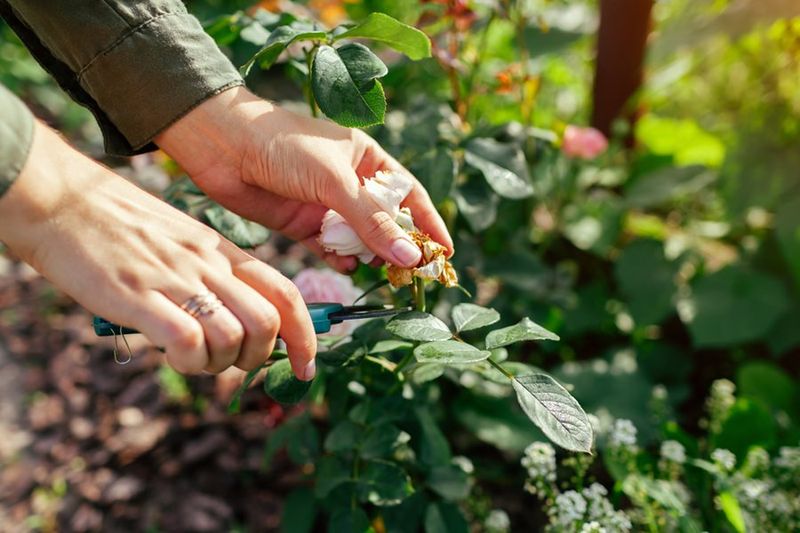
Once a flush of flowers fades, you can snip the spent blooms. Removing them tidies the plant and may help bring on another flush, according to Travis County Extension’s notes on deadheading.
It is optional, and it will not guarantee more flowers before frost.
Here is the cut. Follow the faded flower stem down to the first leaf with five leaflets, then cut just above it.
Texas A&M’s proper pruning techniques call for exactly that, with no deeper cut.
Count the leaflets as you go. Three-leaflet leaves sit higher on the stem, so skip past them.
Use clean, sharp bypass pruners and wipe the blades if you touched any spotted leaves.
You can also skip this job. Roses left alone will form hips, the round fruits that birds sometimes enjoy and that some gardeners like for their color.
A rose busy making hips may bloom less, but nothing is harmed.
Keep deadheading separate from shaping. Taking off a spent flower is a light snip, not a chance to reduce the whole bush.
Save any major shaping for the dormant season.
Water by the root zone, not the calendar
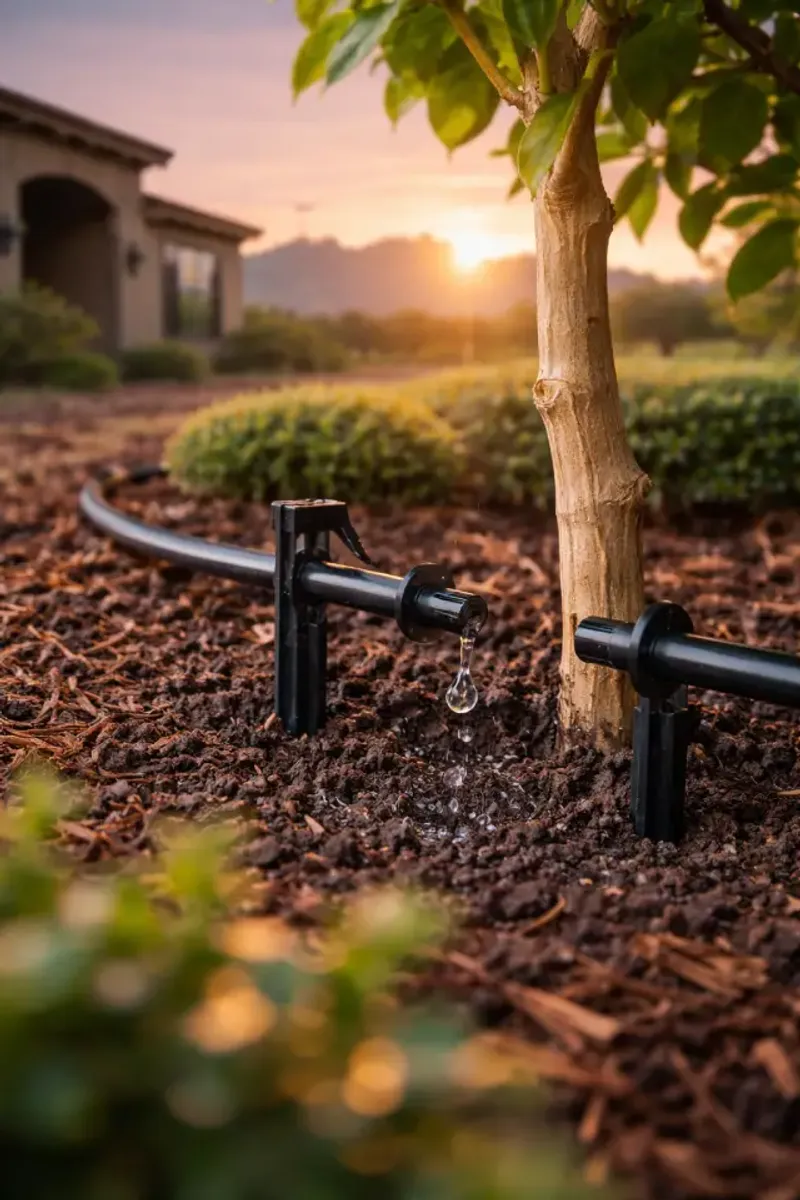
Poke a finger into the soil near your rose. If the root zone feels dry about one inch down, it is time to water, and to water thoroughly.
If it still feels damp, wait, no matter what day it is.
Texas A&M’s growing tips for Earth-Kind roses advise against frequent watering of established roses. Constantly wet soil, especially where drainage is poor, can stress roots, so those clay-heavy beds around Austin deserve extra care.
Cooler fall days mean roses use less water than in July. A schedule that worked in August can drown them in November.
Checking the soil adjusts for that without any guesswork.
How you water matters, too. Drip irrigation delivers moisture to the roots and keeps leaves dry.
Overhead sprinklers, especially in the evening or at night, leave foliage wet for hours, which suits fungal trouble.
Finally, keep about three inches of organic mulch over the root zone, such as shredded hardwood or compost. Mulch helps hold moisture and moderate soil temperature.
Neither mulch nor careful watering can guarantee blooms, but they remove stress that could slow a plant down.
What keeps rose foliage healthy?
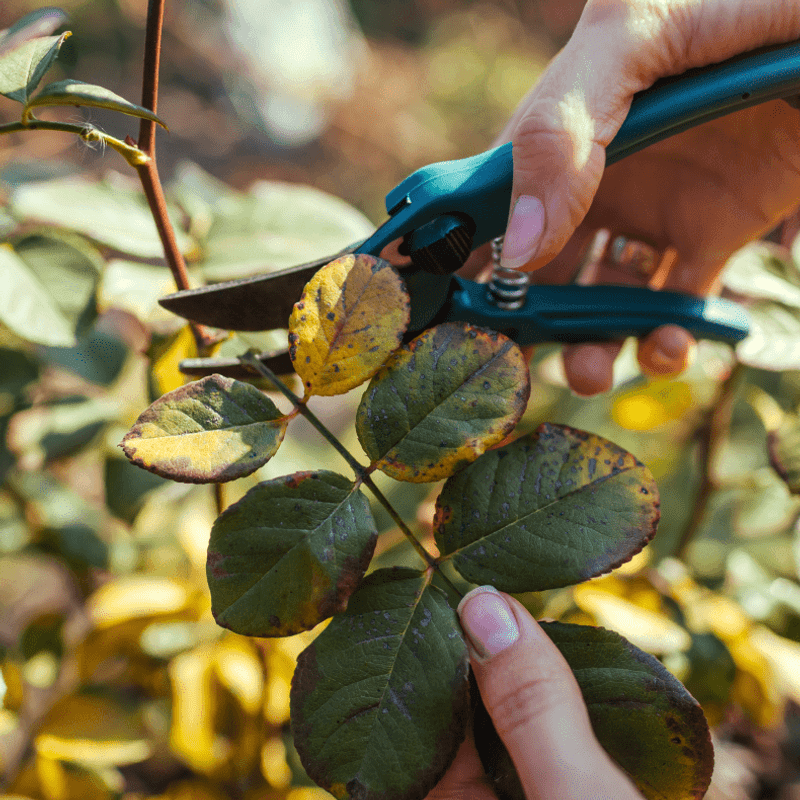
Healthy leaves feed the flowers. Black spot is a common, destructive rose disease, and Texas A&M’s black spot of roses publication covers its signs and management.
Look for dark, round spots on leaves, often followed by yellowing and leaf drop.
Sanitation helps limit it. Pick up fallen leaves and petals from the mulch, and remove any diseased material.
Toss it in the trash rather than your compost pile.
Airflow is the second habit. Austin-area Extension notes that an open center lets air move through the plant and can reduce fungal and bacterial problems.
If a few crowded or crossing stems are blocking the middle, you can remove those without any heavy shaping.
Neither step prevents disease by itself. A damp fall or a cloudy week can still bring spots, so treat cleanup as one tool among several, alongside dry leaves from drip watering.
Keep this chore separate from deadheading and from the hard prune. Cleanup is about removing what is sick or fallen, not trimming for size.
A quick weekly walk-through with a bucket is usually plenty.
Avoid growth that cannot harden before a freeze
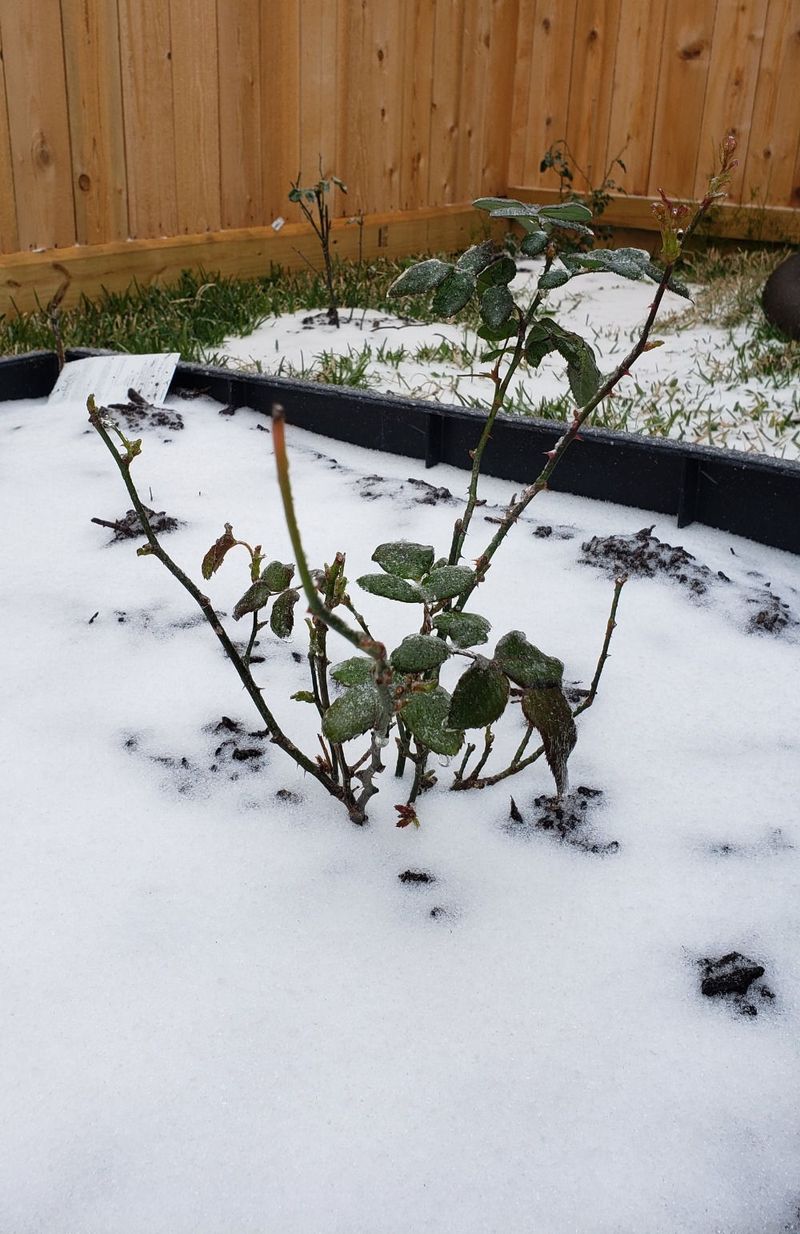
Fresh, soft shoots look encouraging, but they are the first thing a freeze damages. Plants need time to toughen up before cold arrives.
Texas A&M’s guide to protecting plants from frosts and freezes warns that warm spells can reduce a plant’s cold acclimation.
The same publication cautions that harsh pruning or nitrogen can stimulate tender growth. That is why late fall is the wrong moment to chop a rose back hard or feed it for a final push.
So skip routine late-fall fertilizer. It is not a recipe for more flowers, and it may trade a few extra buds for freeze-damaged canes.
Your roses are working off the season’s reserves, and that is enough.
Freeze risk is not the same everywhere. A rose near a warm brick wall in Austin may sail through a night that blackens a rose in an open pasture near Burnet.
Watch your own yard and the forecast rather than a single date.
If a cold snap is coming, a light covering and good mulch are about all you need. Leave the shears in the shed.
February is a cue, not a deadline
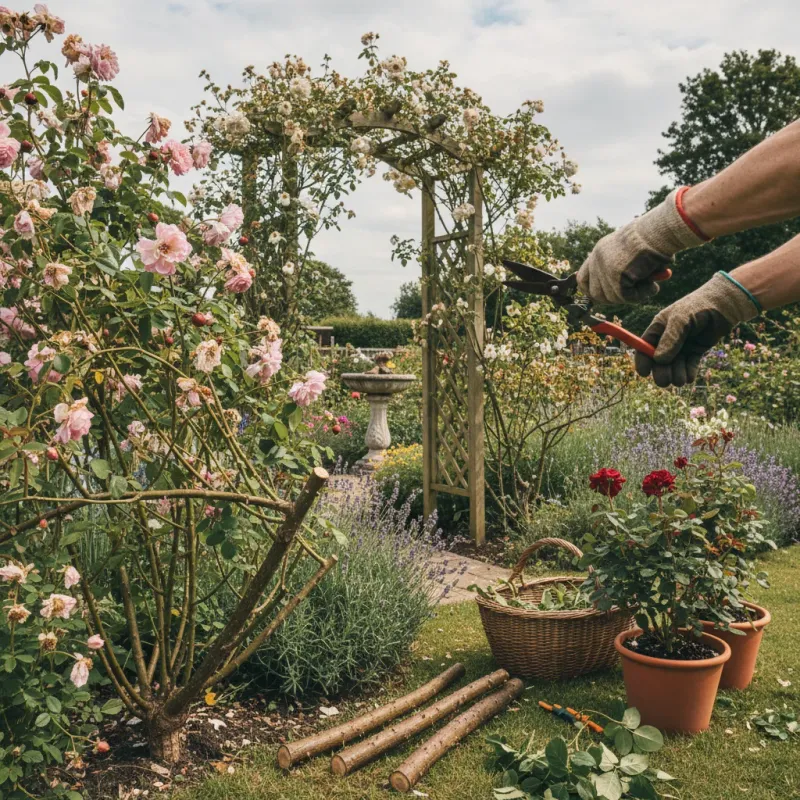
When the big prune does come, Austin-area guidance for most non-climbing roses is around Valentine’s Day, but only if the plant remains dormant. Texas A&M’s Travis County rose guide, Best Roses for Austin and Travis County, gives that rule of thumb.
If your rose is already blooming or leafing out, wait until the flowers finish.
Treat the date as a cue rather than a deadline. A warm, sheltered rose may hold leaves all winter or wake up early.
Weather and dormancy matter more than the calendar page.
Timing has a reason. Texas A&M’s pruning guidance cautions that pruning too early can trigger growth that is vulnerable to a late-February or early-March cold snap.
Rose type changes the plan. Austin-area Extension says to prune climbing roses after they flower, not in February with the others.
Some repeat bloomers, including Knock Out and Mutabilis, can be pruned at other times to keep their shape.
Before you schedule any major cut, identify what you have. Once-blooming roses should not be handled like repeat bloomers, and a wrong guess can remove the buds for the whole year.
Carry the restraint through winter
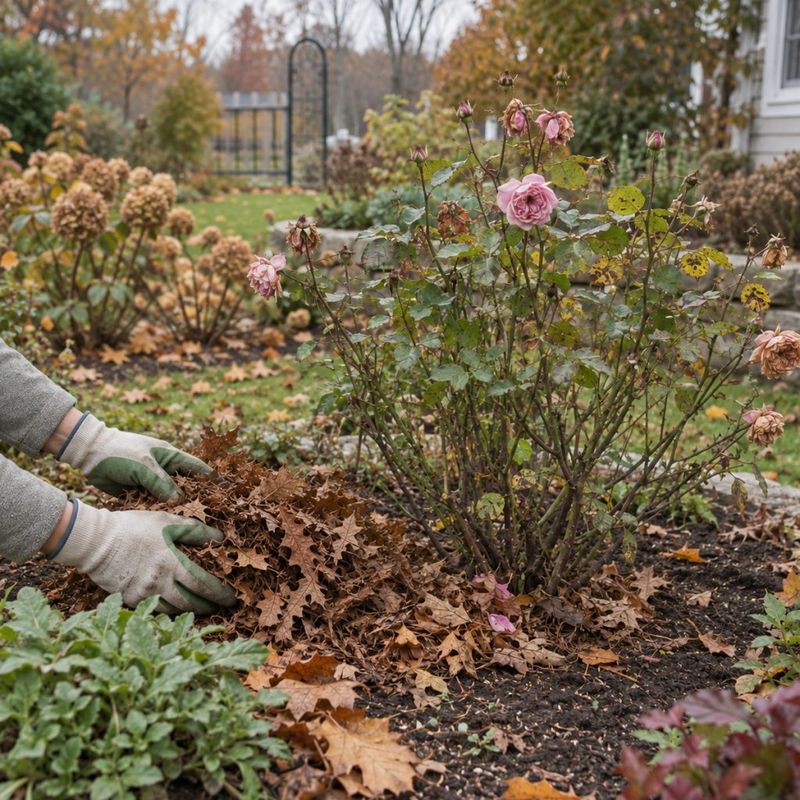
Let the plant finish what it started. Snip spent blooms if you like, water by feel, keep the mulch topped up, and clear fallen leaves.
Then wait for the right rose and the right dormant window before any major cut.
A bush that blooms into December is a bonus, not a promise. A bush that rests quietly and gets pruned on time is doing its job too, and next spring will show it.