
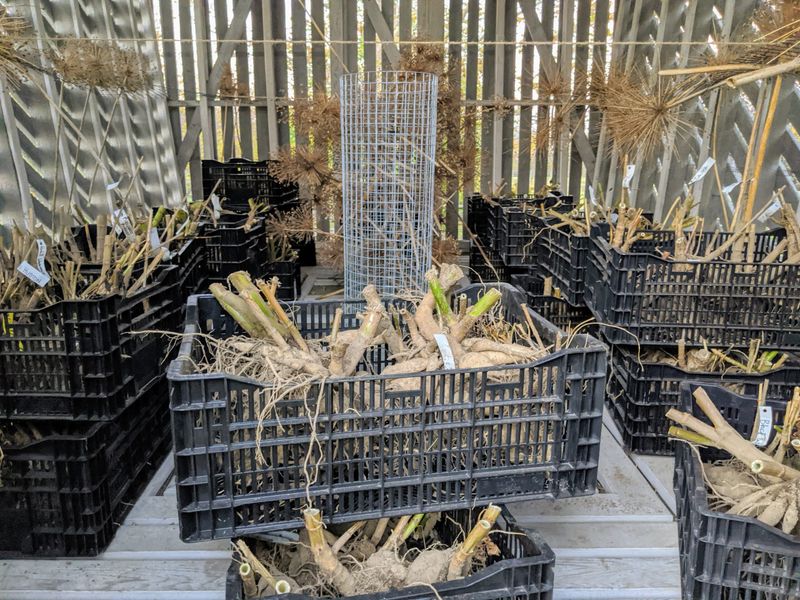
You dug up your dahlias, and now a pile of lumpy tubers sits in your garage, waiting for winter to pass. Many gardeners worry they will open the box in spring and find shriveled or mushy roots.
Peat is a popular packing material, but it is only one piece of the puzzle. A few simple habits can give your tubers a better chance of making it to planting time.
Peat can help pack tubers, but it cannot guarantee their condition
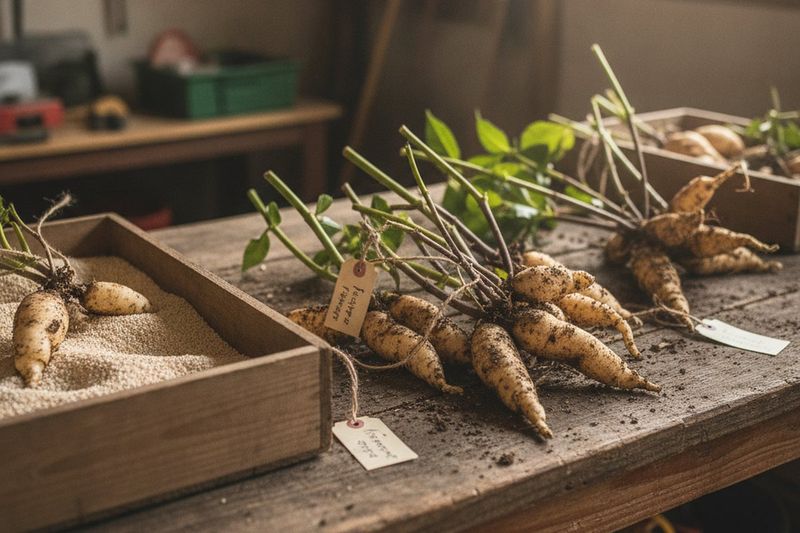
Peat moss shows up in plenty of storage advice, but it is not a magic fix. The American Dahlia Society warns that dry peat can draw moisture out of tubers, while overly moist peat can encourage rot.
Both problems come from the same source: a medium that is out of balance.
Different packing methods can work when tubers stay cool, stay above freezing, and sit in a suitable moisture balance. Cornell Cooperative Extension lists peat among several possible materials, while stressing that storage has to avoid both rot and drying.
Some cultivars also tend to dry out more than others, so two tubers in the same box may not fare the same.
Think of peat as a tool rather than a safeguard. Your job is to manage the storage conditions, and no medium can promise firm tubers until a certain month.
Careful setup and regular checks simply improve the odds.
Prepare lifted clumps gently and briefly
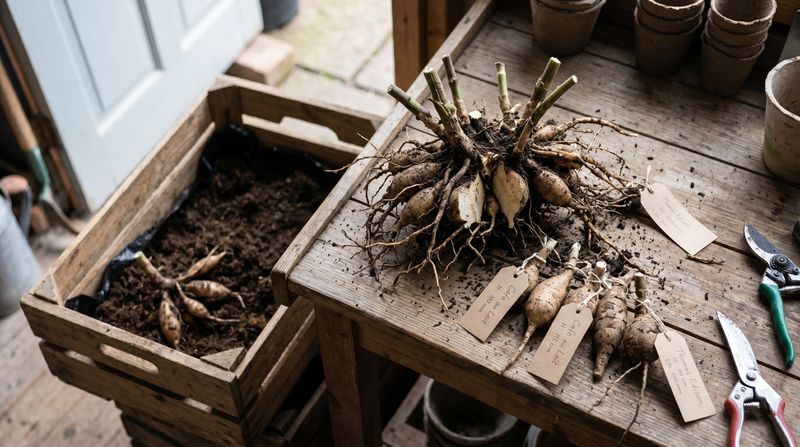
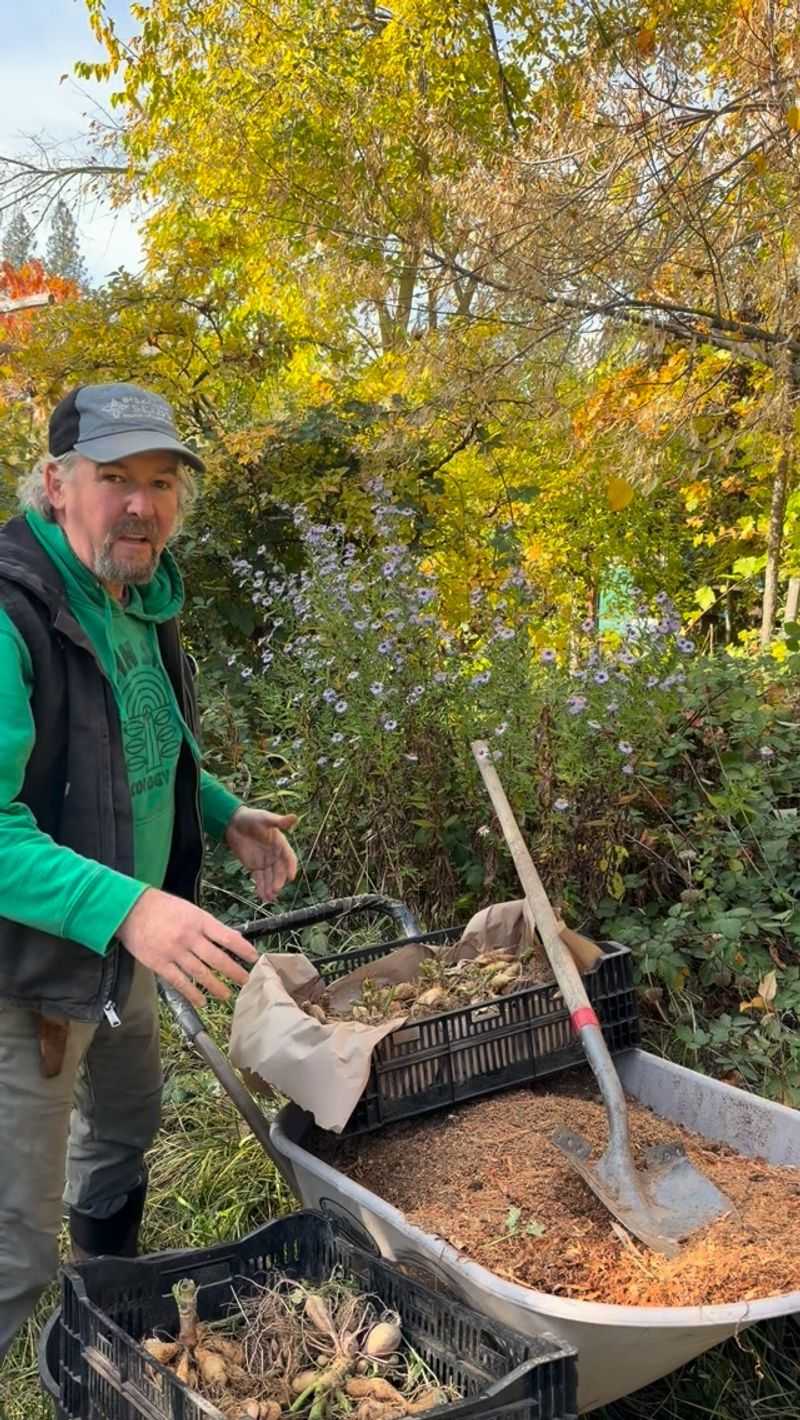
Once the clumps are out of the ground, give them a short rest. Maryland Extension suggests air-drying dug tubers for about a day or two, and warns that leaving them out longer can lead to shriveling.
Washing is optional, though it can remove clumps of soil that hold moisture.
Handle the clumps with care. Necks snap easily, and a tuber needs a crown with at least one eye and an intact neck to grow, according to University of California Agriculture and Natural Resources.
A tuber with a broken neck is not viable, so lift with a fork well away from the stem.
Not everyone needs to lift at all. Oregon State University Extension notes that dahlias may overwinter in the ground in some Zone 7 or warmer spots when conditions are suitable.
In colder areas, lifting is the safer plan, so match your routine to your local winter.
Choose a cool, frost-free storage location
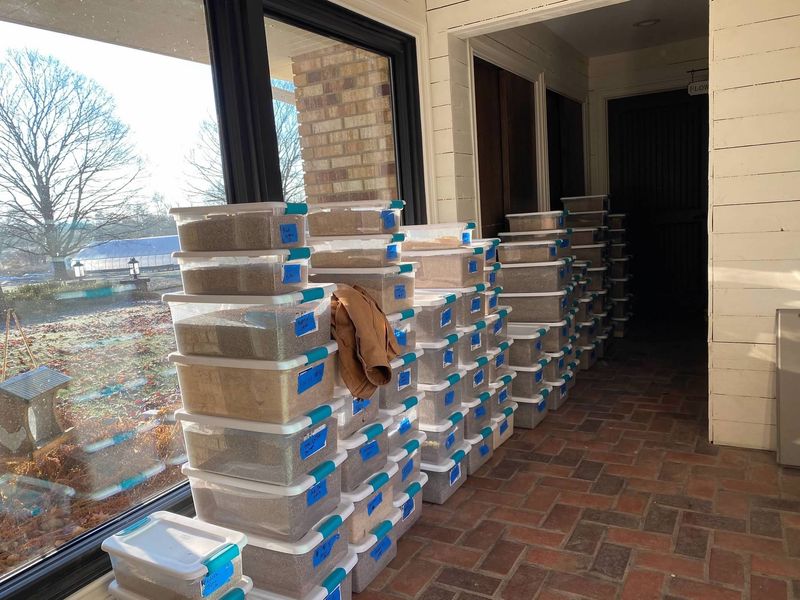
Sources agree on the big idea: keep tubers cool, but never let them freeze. The numbers vary a little.
The American Dahlia Society suggests above freezing and ideally below 50°F, while Cornell gives 40°F as ideal.
Oregon State University recommends 34 to 40°F. Treat these as helpful ranges rather than one perfect number, since none of them proves a single temperature saves every tuber.
Good spots include an unheated basement, a cool closet against an inside wall, or an insulated garage that stays above freezing. Put a small thermometer near the box and glance at it during cold snaps.
If a spot swings toward freezing or runs warm and humid, moving the box is easier than rescuing damaged tubers later.
Balance packing material, airflow, and moisture
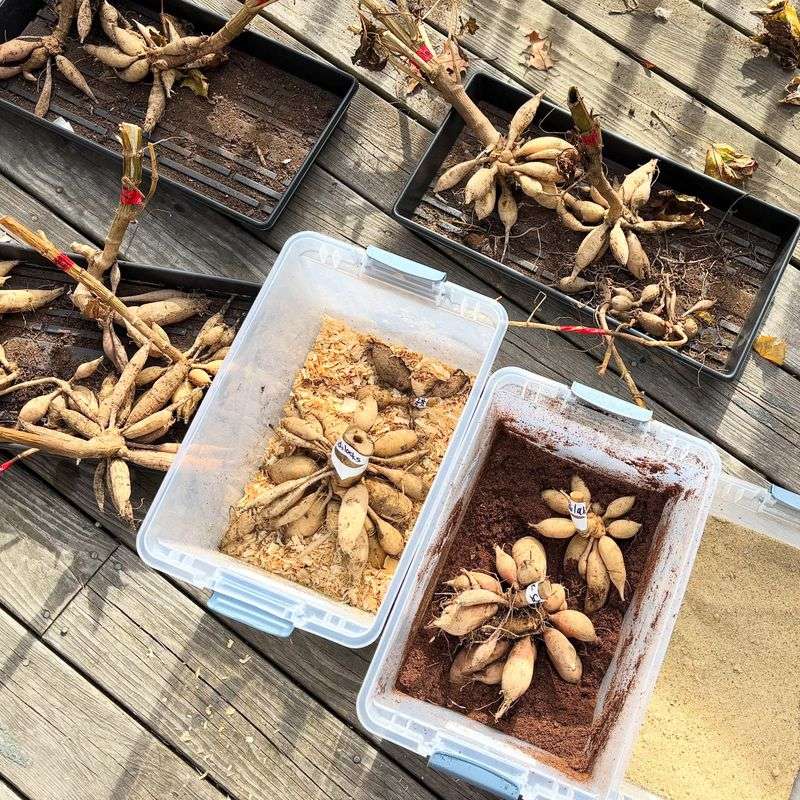
Gardeners use several packing choices, including peat, vermiculite, wood shavings, coir, and newspaper. Extension guidance lists these as options, and none has been shown to beat the others for everyone.
Pick one that you can find easily and keep at the right moisture level.
The goal is a medium that is barely damp to the touch, not dusty and not wet. If a handful feels bone dry, tubers may lose moisture to it.
If you can squeeze out water, rot becomes more likely, a tradeoff Cornell highlights.
Container advice differs. Oregon State cautions against airtight lids or sealed bags because moisture builds up, while University of Alaska Fairbanks suggests covering a box to limit drying.
A loosely covered box with a few air gaps, checked often, sits comfortably between the two.
Inspect tubers for condensation and rot
Set a reminder to open the box every few weeks. Look first for condensation on the lid, bag, or container walls, since Oregon State advises checking for it and removing rotted tubers.
Beads of water mean the air is too damp and the box needs more airflow.
Next, handle a few tubers. Firm and plump is what you want.
Wrinkled skin suggests drying, and a light mist on the packing material may help. Soft, dark, or smelly spots point to rot.
Remove any tuber that looks infected or rotted rather than hoping it will recover. The Pacific Northwest Plant Disease Management Handbook notes that storage rot can be fungal and recommends good aeration, cool above-freezing storage, and discarding visibly infected tubers.
Toss them in the trash, not the compost pile, and wipe your tools before moving on.
Wake tubers as spring approaches, then plant by local conditions
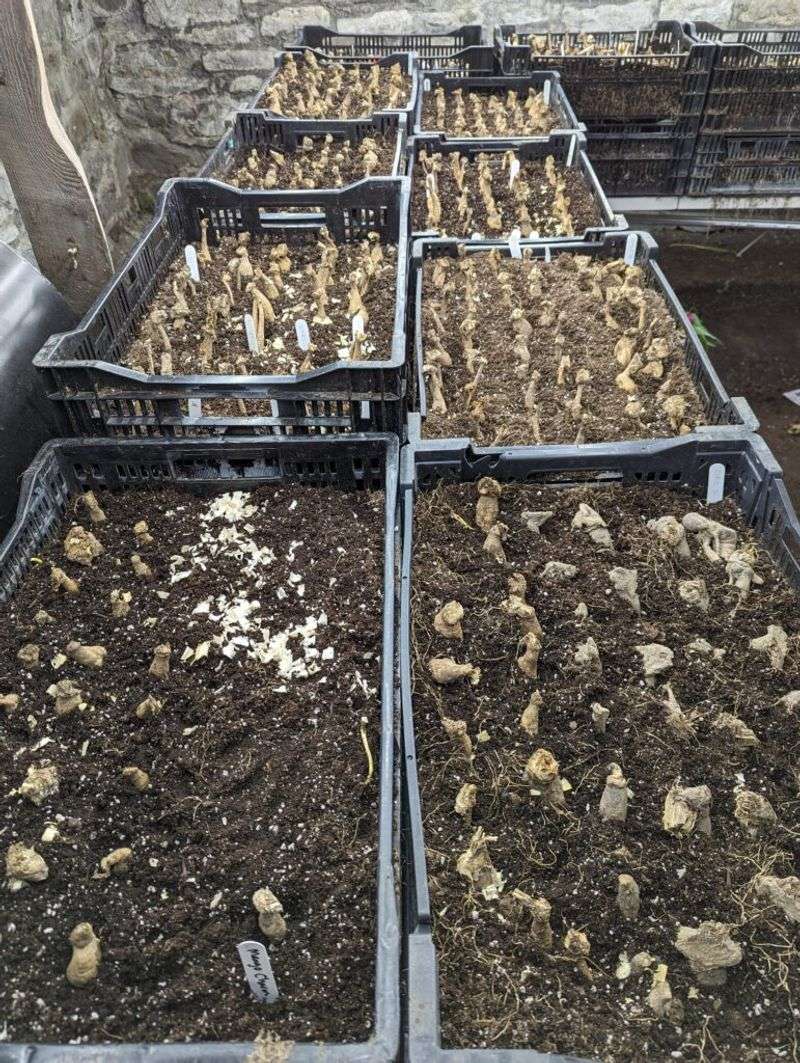
As spring gets closer, tubers can be nudged awake. Oregon State says growers can move them to about 40 to 50°F, including in March or April, to help visible eyes appear.
Eyes make it easier to spot which tubers are alive and which clumps can be divided.
Waking tubers is not the same as planting them. Outdoor timing depends on your local frost risk, so check your area’s average last frost date and the soil conditions in your beds.
A late cold night can set back tender sprouts, so many gardeners wait until frost danger has passed.
Peat can be part of a good storage plan, but it cannot promise survival or firmness through April. Careful checks and a cool spot do more than any single material.
Some tubers will not make it, and that is normal. The ones that do will reward you with blooms.