
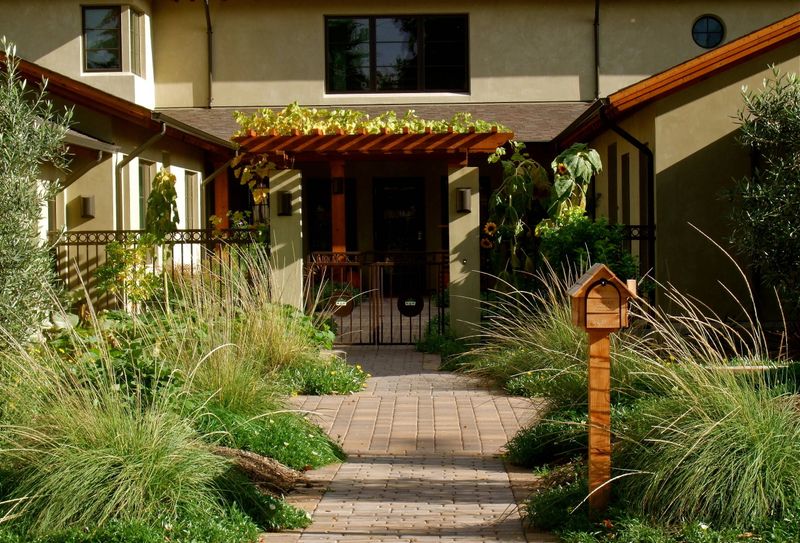
In California, fall is the real planting season, not spring. When you get native plants in the ground before the winter rains arrive, the rain does most of the watering for you while the roots spread out deep and strong.
By the time the long dry summer shows up, those plants are ready to handle it with very little help from your hose. Here are ten natives that savvy gardeners are grabbing right now, plus why each one earns a spot in your yard.
1. California Lilac (Ceanothus)
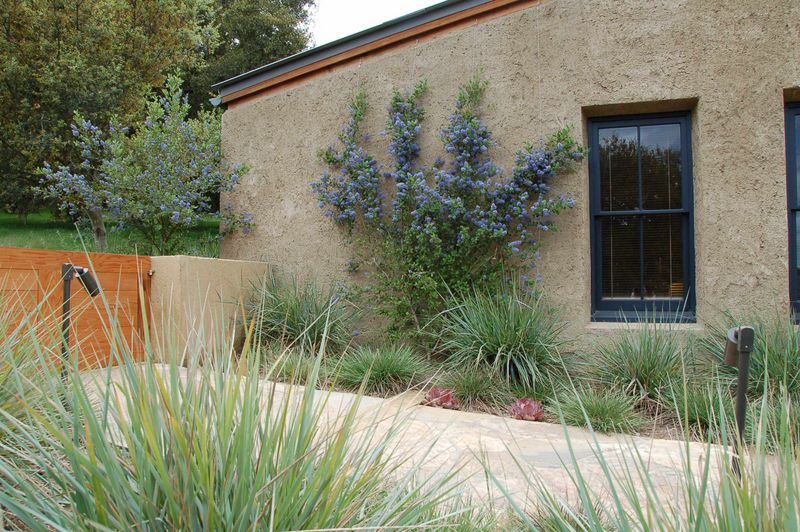
Picture a shrub so covered in blue flowers that neighbors stop on the sidewalk to ask what it is. That is California lilac in spring, and the buzz around it is literal, since native bees swarm the blooms.
Ceanothus has a reputation for being picky, but most of its problems come from too much summer water. Planting in fall lets winter rain settle the roots in, so you can water lightly the first summer and then mostly leave it alone.
Many varieties may need little or no summer irrigation once established.
Choose a size that fits your space. Groundcover types like ‘Yankee Point’ work on slopes, while taller ones such as ‘Ray Hartman’ can act as a small tree or privacy screen.
Give it full sun and well-drained soil, and skip the heavy pruning.
2. Toyon
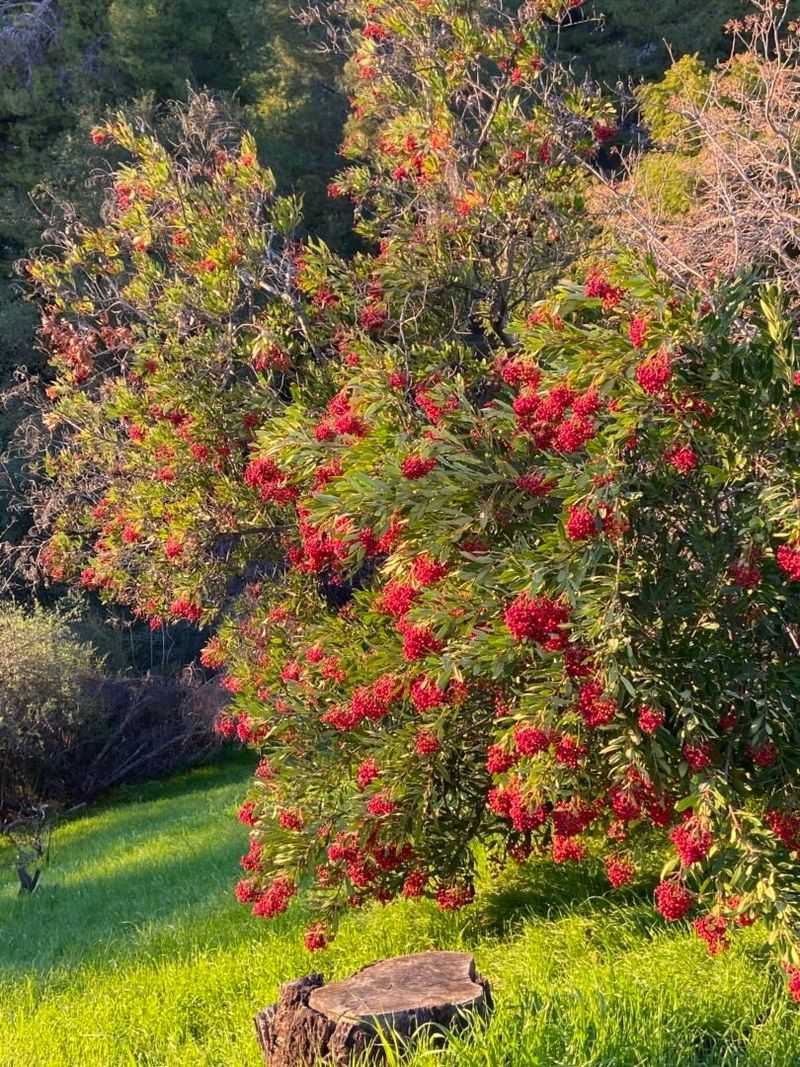
Hollywood is actually named after toyon, a plant early settlers called California holly. Its bright red berries light up yards in December, right when most gardens look tired.
Birds treat those berries like a winter buffet. Robins, cedar waxwings, and mockingbirds can strip a shrub in a few days, which makes it a lively show from your kitchen window.
Toyon is tough. It handles clay, sun, part shade, and drought once rooted, and it can grow into a 10 to 15 foot screen.
Fall planting gives it a full rainy season to get established, which matters because its first summer is its hardest.
If you live in a fire-prone area, keep it well spaced from the house and prune out dead wood, as with any woody shrub.
3. Narrowleaf Milkweed
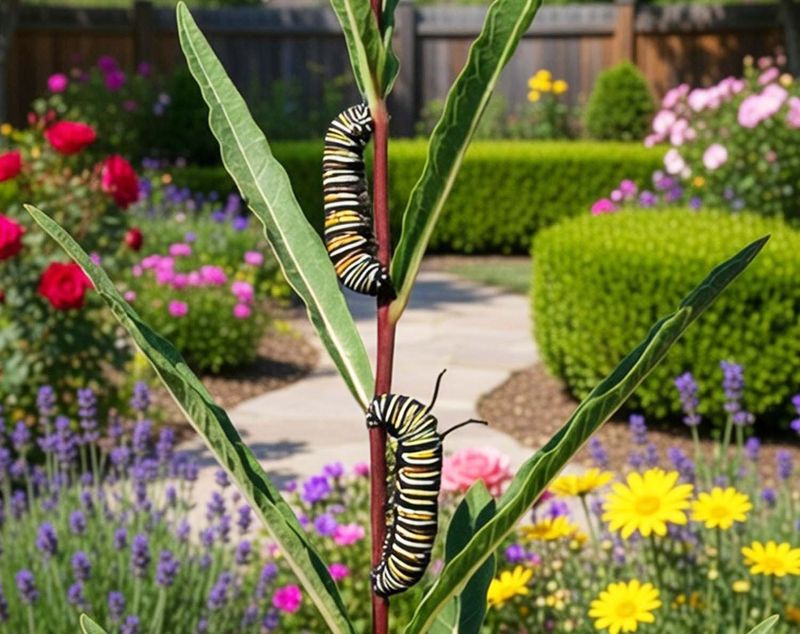
Lots of well-meaning gardeners plant tropical milkweed to help monarchs, and it can backfire. In mild California winters it keeps growing year-round, which may disrupt monarch migration and build up a harmful parasite.
Narrowleaf milkweed is the native fix. It goes dormant in winter the way monarchs evolved to expect, then sprouts fresh in spring just as butterflies need it.
Plant it now so the roots settle in before spring growth. It spreads slowly by underground runners, so give it a sunny spot where it can wander a bit.
When stems turn brown in late fall, cut them back. That tidy-up is part of how it helps.
4. California Fuchsia
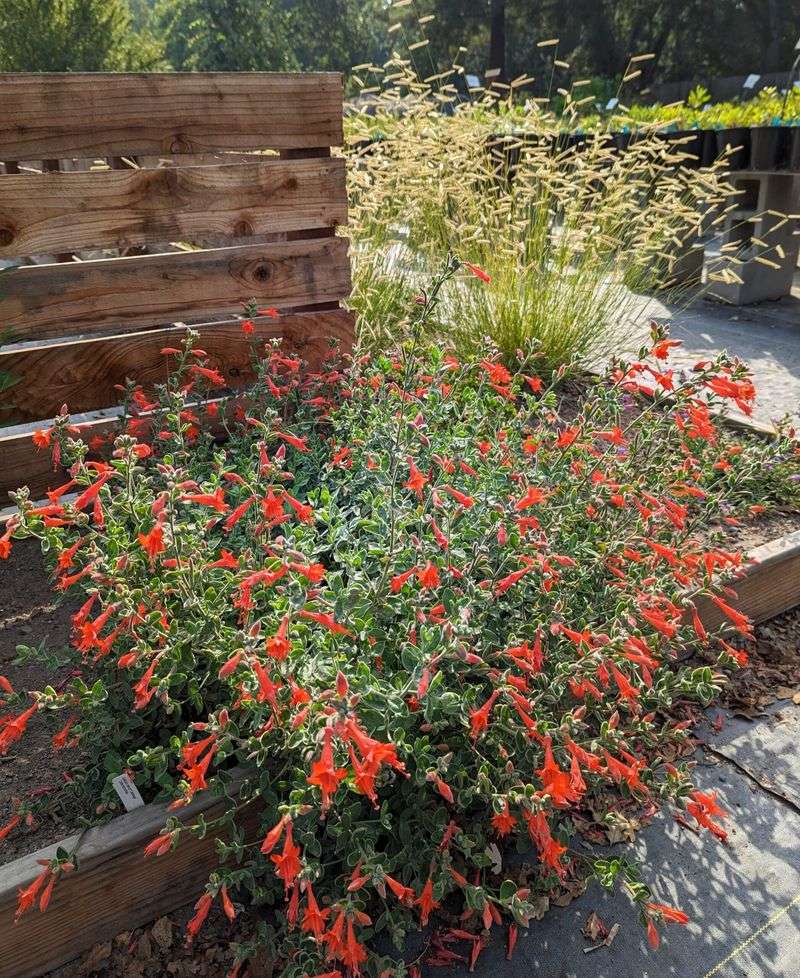
When almost everything else in a dry California garden has gone quiet in August, California fuchsia flips the switch. Bright orange-red tubes cover the plant from late summer into fall.
Hummingbirds know the schedule. Anna’s hummingbirds especially rely on late-season nectar, and a patch of this plant can turn into a busy fueling station.
It loves heat, poor soil, and neglect. Tuck it along a hot driveway, a rock wall, or a parkway strip where lawn struggles.
Cut it to the ground in winter and it returns fuller each year.
5. Cleveland Sage
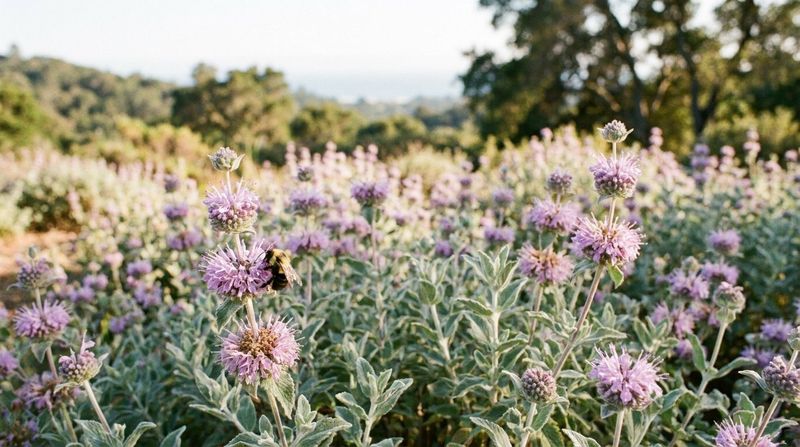
Brush past Cleveland sage on a warm afternoon and your whole yard smells like a hike in the hills. Many gardeners say the scent alone is reason to plant it.
Its purple flower whorls stack up the stems in late spring and draw native bees, butterflies, and hummingbirds. Once rooted, it can often get by on occasional deep summer watering, or none in some coastal areas.
Sage needs drainage above all. Plant on a slight mound if you have heavy clay, and do it now so winter rains handle the early watering.
Lightly trim spent flowers in fall to keep it from getting leggy.
6. Manzanita
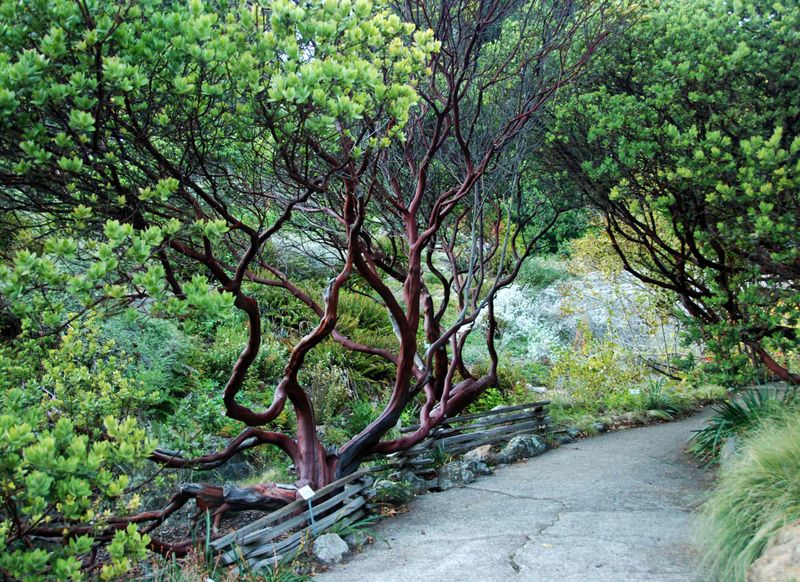
Smooth, twisting, mahogany-red bark makes manzanita look like living sculpture. Even without flowers, it stands out in a front yard.
In winter, tiny pink or white bell flowers appear, feeding early bees and hummingbirds when little else is blooming. Later, small berry-like fruits give the plant its name, which means little apple in Spanish.
Fall is truly the window here. Manzanitas resent summer planting and summer water, so getting them in before the rains sets them up for success.
Mulch with gravel instead of bark, keep irrigation sparse, and choose a variety suited to your climate zone.
7. Deer Grass
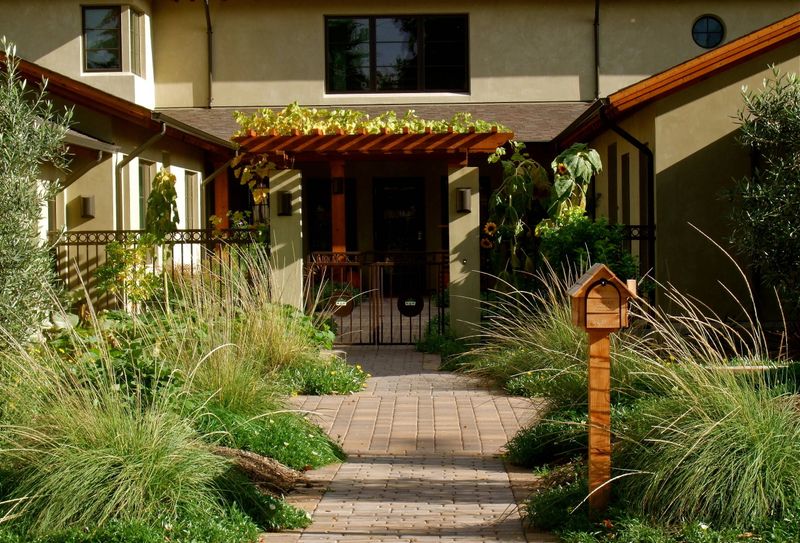
Thinking about pulling out a thirsty lawn? Deer grass is one of the easiest ways to fill that space with something bold and low-water.
It forms big fountain-shaped clumps with tall flower spikes that glow in evening light. Native Californians used the stalks for basket weaving, and the plant still shelters ground-dwelling birds and insects.
Deer grass tolerates heat, clay, and drought, making it a great pick for inland valleys. Plant several in groups for a meadow feel.
In late winter, cut them back to refresh growth.
8. Hummingbird Sage
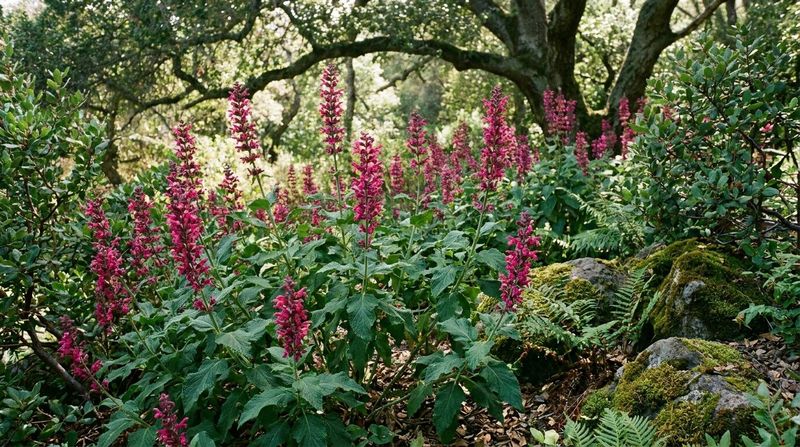
Shady spots under oaks are tricky. Water there can harm the trees, and most plants sulk without sun.
Hummingbird sage solves both problems. It spreads in dry shade, smells fruity when touched, and sends up magenta spikes in spring that hummingbirds love.
Planting before the rains lets it creep into place naturally. Once settled, it can thrive with little summer water, which helps protect native oak roots that dislike irrigation in hot months.
9. Coffeeberry
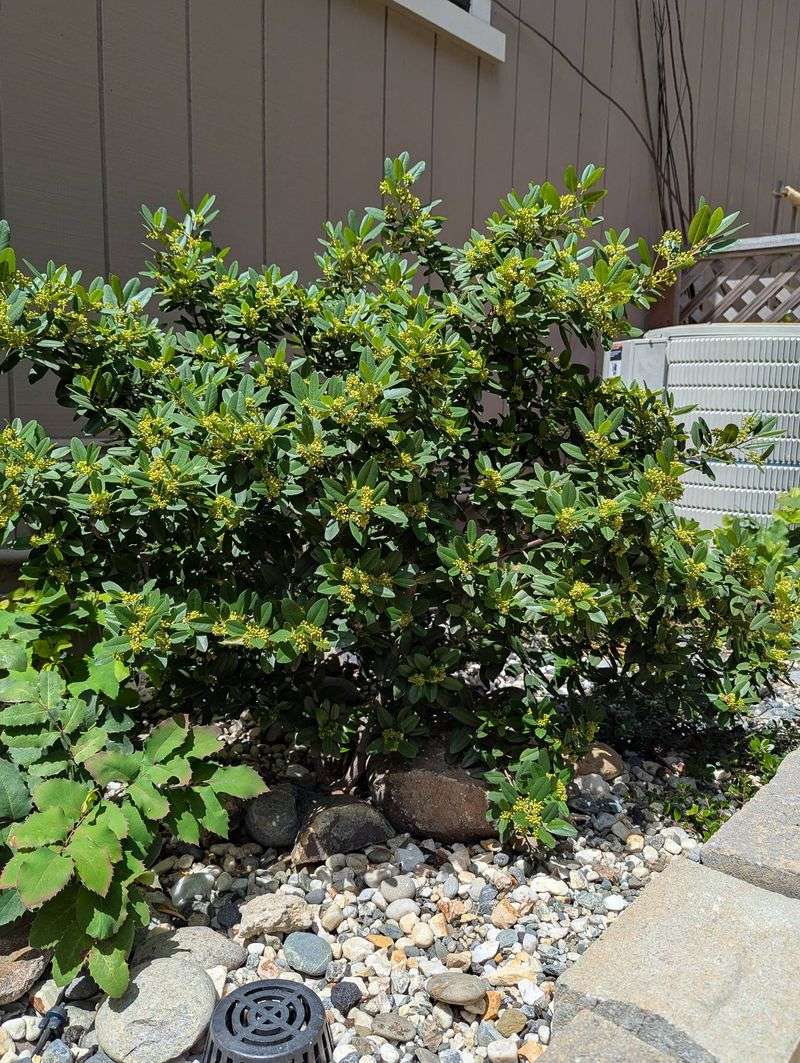
Need a hedge but tired of pruning thirsty privet? Coffeeberry gives you glossy evergreen leaves, a tidy shape, and real wildlife value.
Its small flowers feed bees, while berries shift from green to red to nearly black, and birds snap them up. The name comes from seeds that look like coffee beans, though they are not for brewing.
It handles sun or partial shade and many soil types. Compact varieties like ‘Mound San Bruno’ fit smaller yards.
A fall start helps it fill in faster next year.
10. California Poppy Seeds
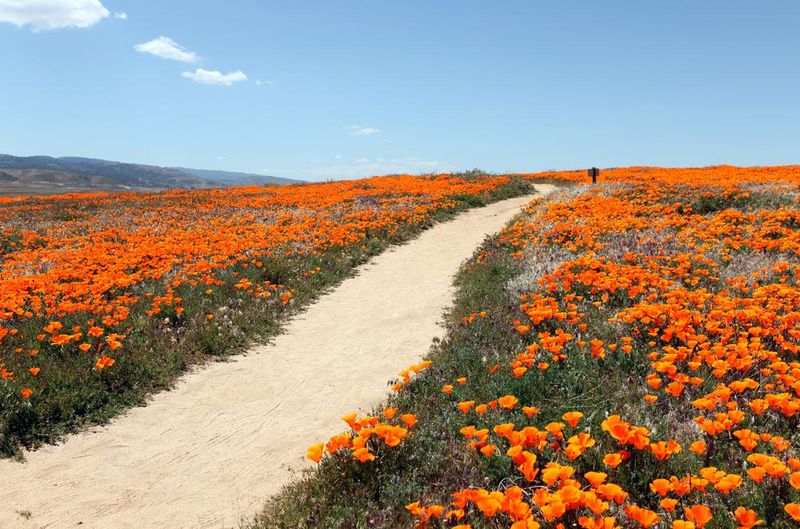
Here is the cheapest win on the list. A packet of California poppy seeds scattered now can turn a bare patch into gold by spring.
Poppies sprout with winter rain, so seed them on cleared soil just before the first storms. Press seeds lightly into the ground, and let rain do the rest.
Mix in native lupine or tidy tips for extra color and pollinators.
After blooming, let some plants drop seed so they return next year. That small step turns one weekend task into a yearly show.