
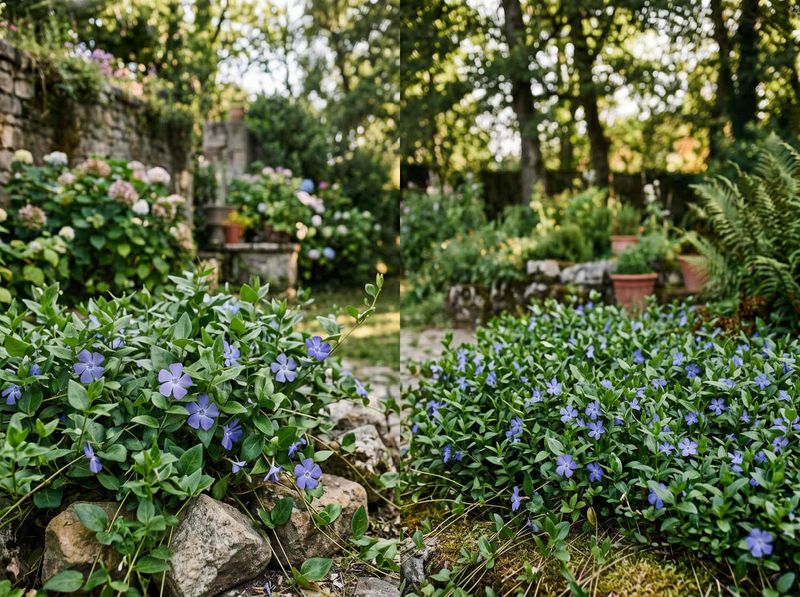
Some of the prettiest plants in California yards are quietly escaping into hillsides, creeks, and wildlands. Counties, water districts, and fire agencies are adding more of them to watch lists, removal programs, and sale restrictions every year.
If one is growing by your fence right now, you are not a bad gardener, because many were sold for decades as easy, drought-tough favorites. Here are ten plants worth checking for, why they cause trouble, and what you can plant instead.
1. Pampas Grass
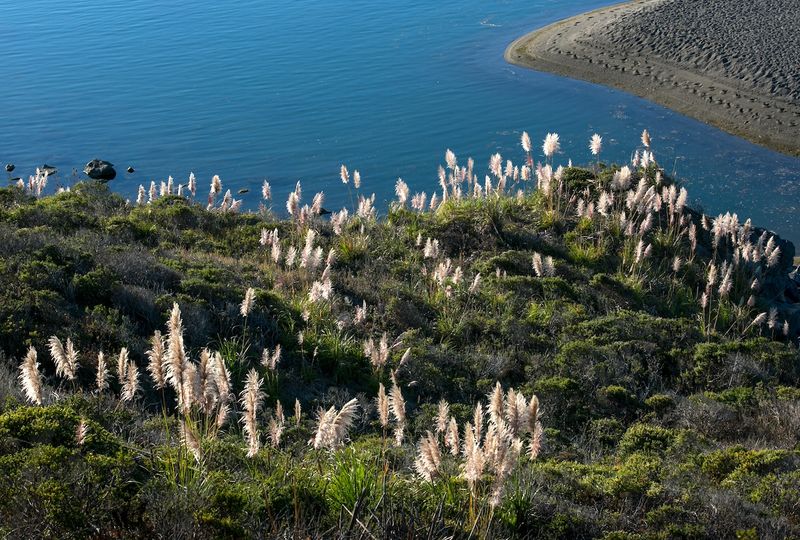
Those fluffy plumes look great in wedding photos, but a single pampas grass plant can release millions of wind-carried seeds. Along the California coast, escaped clumps crowd out native coastal scrub and form dense, razor-edged thickets.
Several coastal counties and parks districts run active removal programs, and the California Invasive Plant Council (Cal-IPC) rates it as a high-impact invader. Dry clumps can also hold a lot of flammable dead material, which matters in fire-prone neighborhoods.
Want that same airy look? Deer grass (Muhlenbergia rigens) is a California native that offers soft, upright texture without the seed storm.
Cut pampas plumes before they ripen if you are not ready to dig the whole clump out yet.
2. Mexican Feather Grass
Walk through almost any new drought-tolerant landscape in Southern California and you will probably spot it. Mexican feather grass became a go-to for modern yards because it moves beautifully in the breeze and barely needs water.
The catch is that it reseeds aggressively, popping up in sidewalk cracks, neighboring yards, and open grassland. Cal-IPC lists it as a plant to avoid, and some nurseries have stopped carrying it through the PlantRight program.
Native swaps like purple three-awn or California fescue give you a similar soft, wild feel. If you keep yours for now, shear the seed heads in late spring before they shatter.
3. Fountain Grass
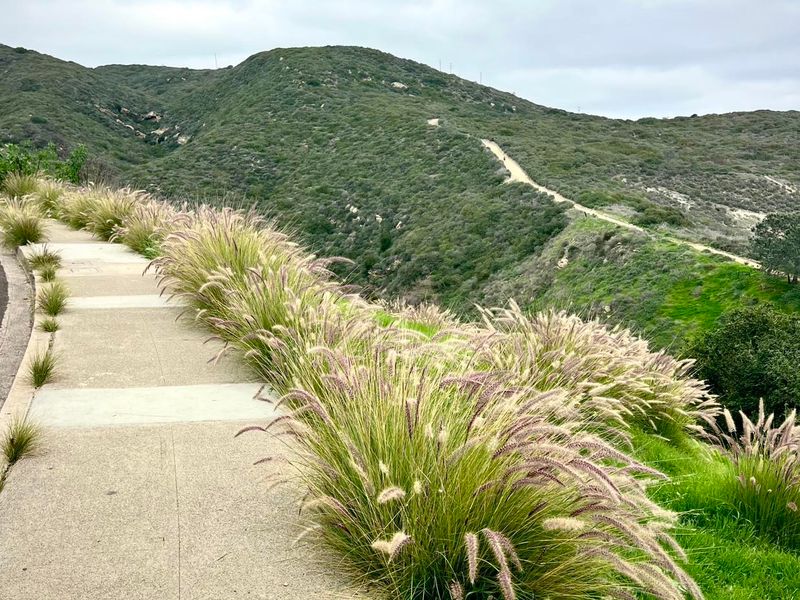
Picture a freeway shoulder in late summer, lined with arching tan grass. Much of that is fountain grass, an ornamental that hopped the garden fence long ago.
Green fountain grass (Pennisetum setaceum) is a known wildland invader, and it can carry fire quickly through dry slopes. That fire connection is one reason agencies in hillside communities increasingly discourage it near homes.
Here is a helpful detail: the popular purple variety is often considered sterile or low-seeding, though experts still advise caution. For a safer bet, try native alkali sacaton or deer grass, especially in defensible space zones.
4. English Ivy
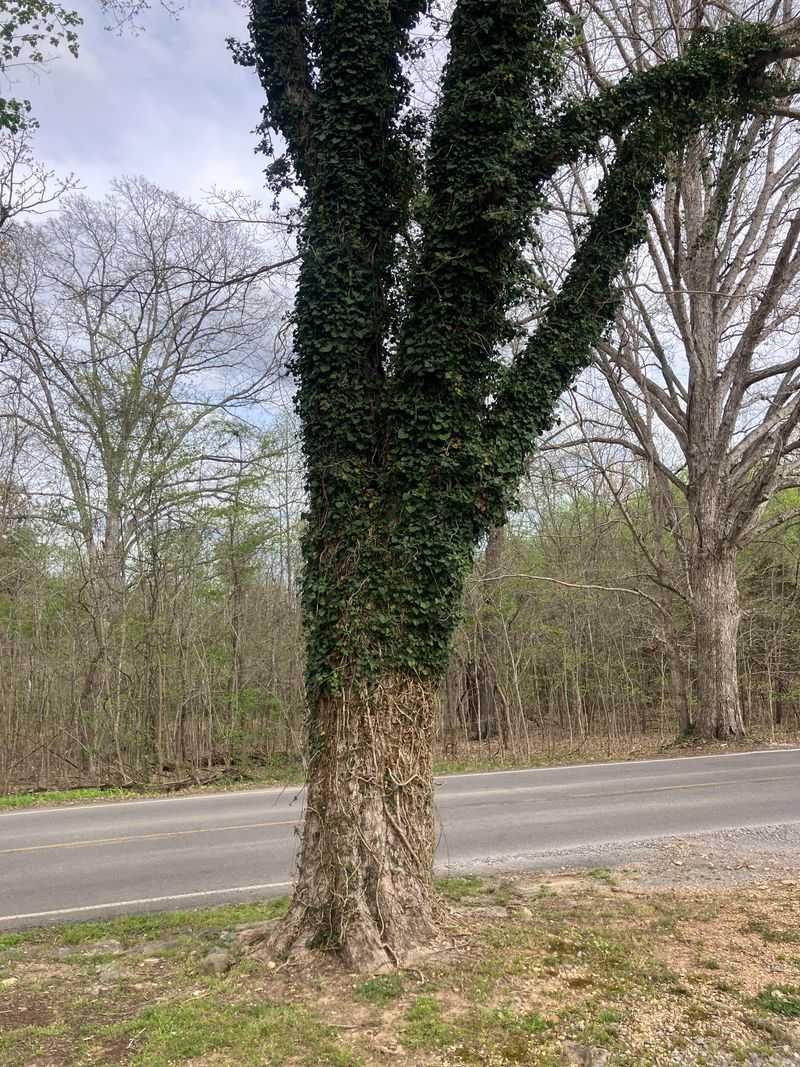
Grandma’s ivy-covered fence has a darker side in California. English ivy climbs trees, smothers native understory, and can add weight that may weaken branches over time.
In Bay Area parks and creek corridors, volunteers spend thousands of hours each year pulling it out. It also gives rats a cozy hiding spot, which many homeowners do not realize until they start removing it.
A good fix is cutting ivy vines at the base of trees first, then working on the ground cover. Replace it with native options like creeping snowberry, wild ginger in shade, or California fuchsia in brighter spots.
5. Ice Plant
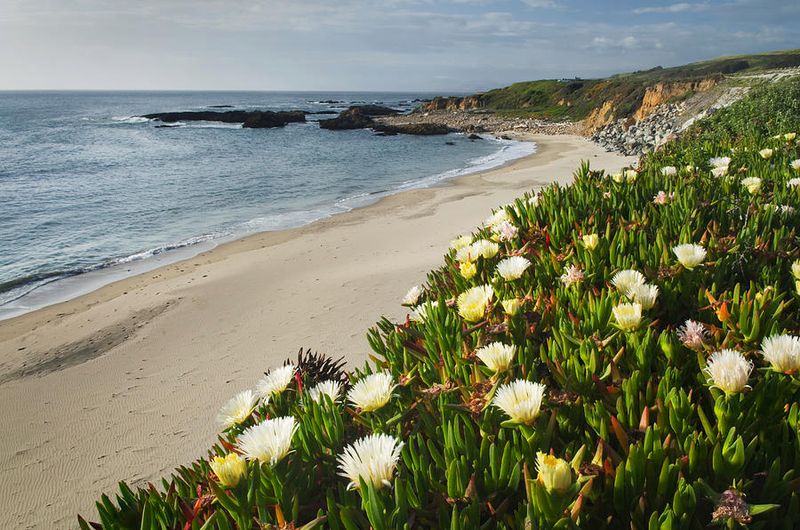
Caltrans planted miles of it decades ago, so who could blame homeowners for following along? Highway ice plant (Carpobrotus edulis) seemed perfect for slopes and dunes.
Today it is a major target in coastal restoration because it forms thick mats that crowd out native dune plants and the insects that rely on them. On steep slopes, the heavy, water-filled mats can sometimes slide when soaked in winter storms.
Not every succulent ground cover is a problem, so check the label for Carpobrotus. Beach strawberry, seaside daisy, and dudleya make lovely, wildlife-friendly replacements near the coast.
6. Periwinkle
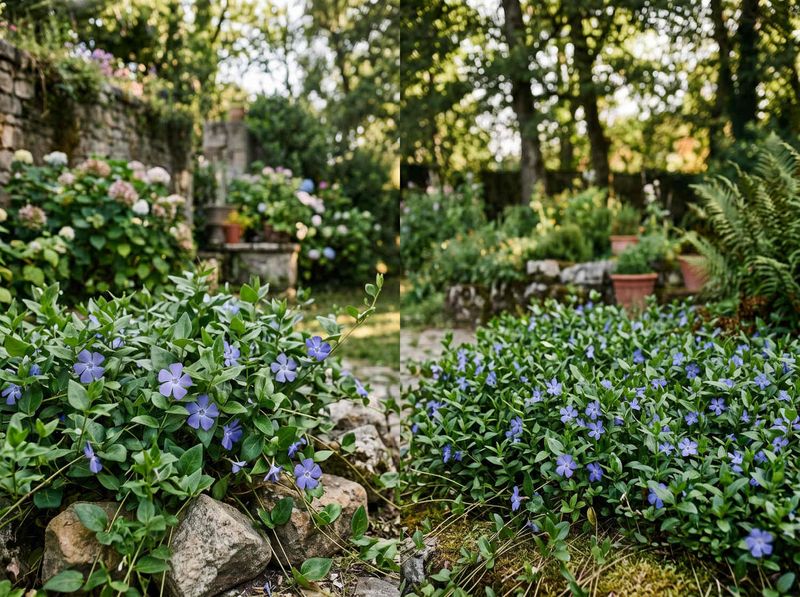
Cheerful little blue flowers, glossy leaves, zero fuss. That easygoing reputation is exactly how big periwinkle (Vinca major) took over so many California creek banks.
It spreads by rooting stems rather than seeds, so it travels wherever yard waste or water carries it. Along streams, it can shade out native seedlings that birds and pollinators depend on.
Homeowners near creeks have the most reason to act. Swap it for native hummingbird sage or yerba buena, both happy in partial shade and far kinder to local wildlife.
7. Scotch Broom

Every spring, foothill roads from the Sierra to Mendocino glow with yellow blooms. Most of that color comes from Scotch broom and its cousins, French and Spanish broom.
Brooms are listed as noxious weeds by the California Department of Food and Agriculture, and several counties fund removal crews. Their seeds can stay viable in soil for decades, and the oily shrubs may burn hot during wildfires.
If broom pops up in your yard, pull small plants when the soil is moist in winter. Native alternatives like flannelbush or bush poppy offer that same golden show without the long-term mess.
8. Giant Reed

Some people buy giant reed thinking it is a clever, fast privacy screen. Within a few seasons, it can soar past 20 feet and spread underground like it owns the place.
Arundo donax is one of the most serious invaders of California rivers, guzzling water and fueling fires along streambeds. Water agencies in Southern California have spent large sums removing it from watersheds.
It is rarely sold now, but older stands linger in backyards. For privacy, consider native toyon, coffeeberry, or Pacific wax myrtle, all of which feed birds too.
9. Tree of Heaven
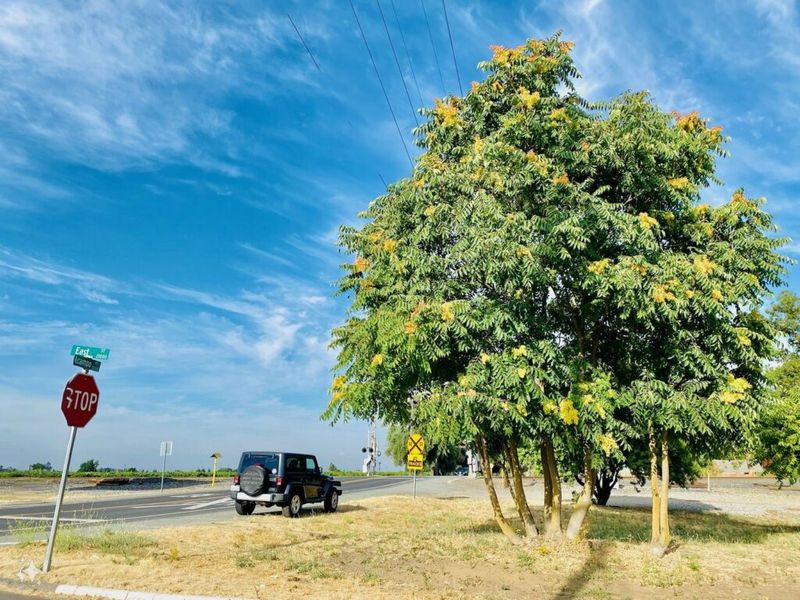
Despite its name, gardeners who have tried to remove it often describe it in very different terms. Tree of heaven sprouts from roots, seeds, and stumps with remarkable stubbornness.
It now has an extra reason to worry Californians: it is a favorite host for the spotted lanternfly, a pest officials are working hard to keep out of the state. Some agencies encourage removal partly to reduce potential landing spots.
Cutting it down alone often triggers a flush of suckers, so ask a local arborist or UC Cooperative Extension about the best approach. Native western redbud or desert willow make attractive, well-behaved replacements.
10. Purple Loosestrife
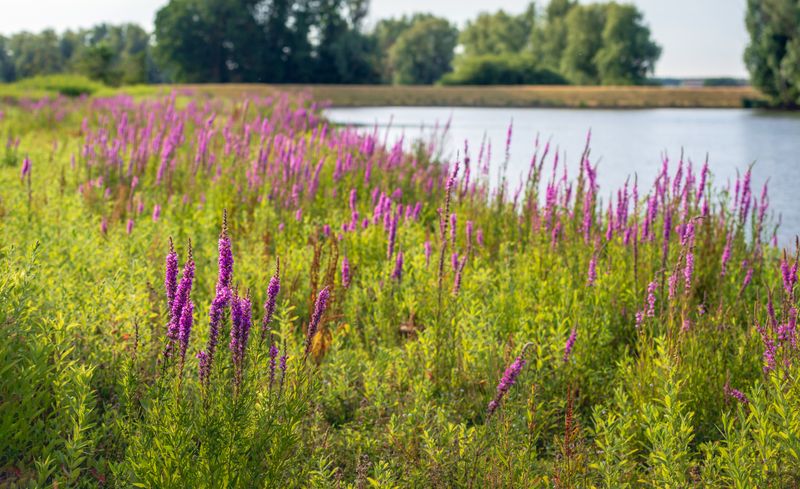
Tall magenta spikes beside a pond can look like something out of a garden magazine. Purple loosestrife, however, is a state-listed noxious weed that can choke wetlands and push out native marsh plants.
A single plant may produce enormous numbers of seeds, which float easily into ditches and streams. Selling it is restricted in California, yet older plantings still turn up around backyard water features.
Pond owners can enjoy similar vertical color with native options like western blue flag iris or seep monkeyflower. Bag spent flower spikes rather than composting them, and contact your county agricultural commissioner if you find a large patch.