
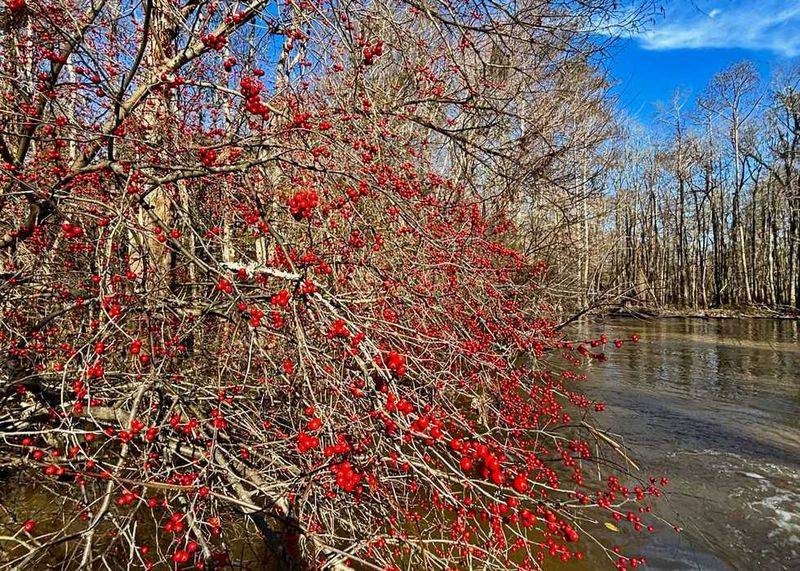
Walk through a Central Texas neighborhood in January and you may spot a bare-branched shrub loaded with bright red fruit. That plant is possumhaw, a native holly that looks its best when most of the yard has gone brown.
Its berries give local birds something to eat when other foods run low. Here is how to decide whether it fits your yard and how to set it up for a good berry show.
Possumhaw puts winter color on bare branches
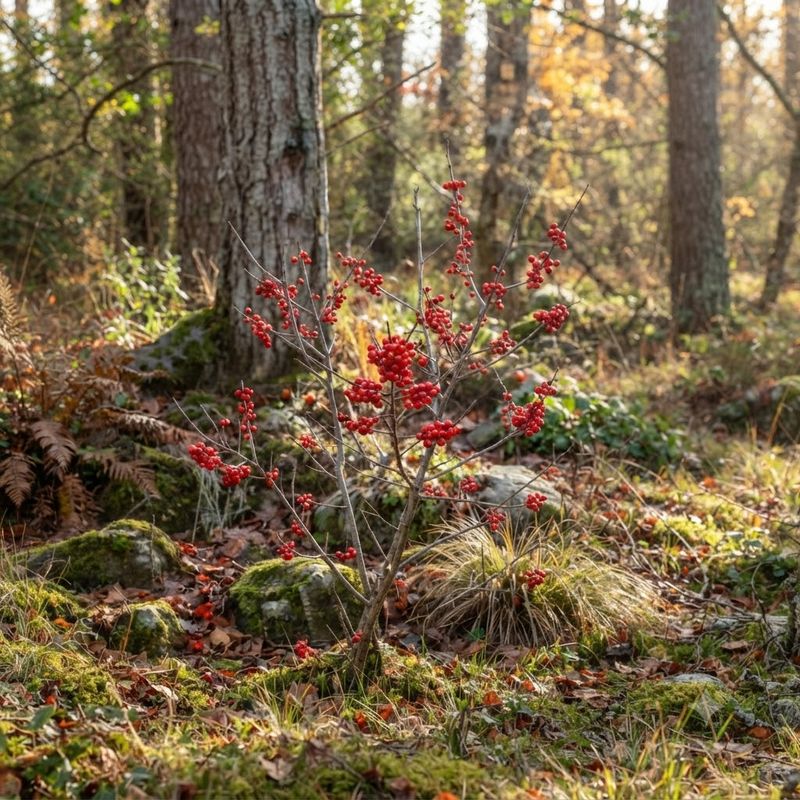
Picture a leafless, gray-barked shrub, then add hundreds of glossy red-to-orange berries strung along every twig. That is possumhaw (Ilex decidua), a deciduous holly native to Central Texas.
It drops its leaves in fall, and that is exactly what makes the fruit so easy to see against a winter sky.
Do not picture a tidy little foundation shrub, though. Possumhaw is often multi-stemmed and grows as a large shrub or small tree.
Austin’s plant guide describes the fruit as attracting birds in winter, and Texas A&M Forest Service notes that the fruit persists through the dormant season.
That staying power is the real payoff. While oaks, pecans, and cedar elms stand bare and crape myrtles turn to sticks, a berried possumhaw gives the yard a focal point from late fall into the coldest weeks.
Many gardeners place one where it can be seen from a kitchen or living room window.
One caution about the name. The title of this article never said which plant it meant, and possumhaw is the strongest match, not the only one.
Texas Parks and Wildlife Magazine points out that yaupon holly is another Central Texas native holly whose berries feed birds and mammals. Yaupon keeps its leaves year-round, so it looks quite different from possumhaw.
If you want bare branches and bright fruit, possumhaw is the one to look for.
Birds eat the fruit, but visits are not guaranteed
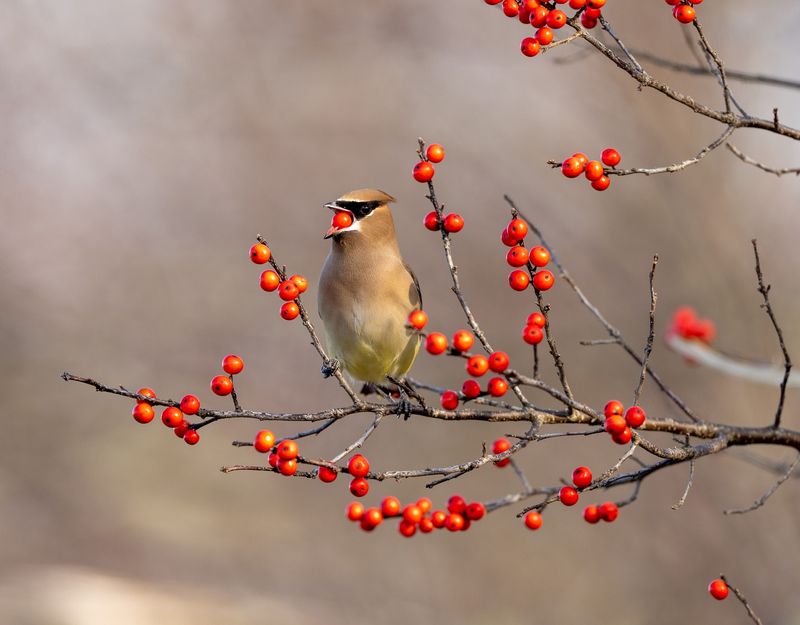
Ask what eats possumhaw berries and the answer is birds. The Lady Bird Johnson Wildflower Center lists songbirds and gamebirds among the animals that eat the fruit.
A USDA Forest Service publication also documents winter use by birds.
The second half of the story is timing. Fruit appears in fall, and Texas A&M Forest Service says it can persist through the dormant season.
That makes the plant a possible winter pantry, at a time when many other food sources have thinned out.
Now the honest part. Having fruit on a branch is not the same as having birds at the branch.
Nothing in the research promises a crowd, a daily visit, or a food supply that lasts the whole season. Berries can be eaten faster in some winters than others, and what shows up in your yard depends on what is nearby.
Treat it like a feeder you plant once and watch over time. A good test is to spend a few mornings near a window with a cup of coffee and see who stops by.
Some years the show may be lively, and some years quiet. Either way, you have added a native food source that does not need refilling.
Plan for a female plant and a male pollinizer
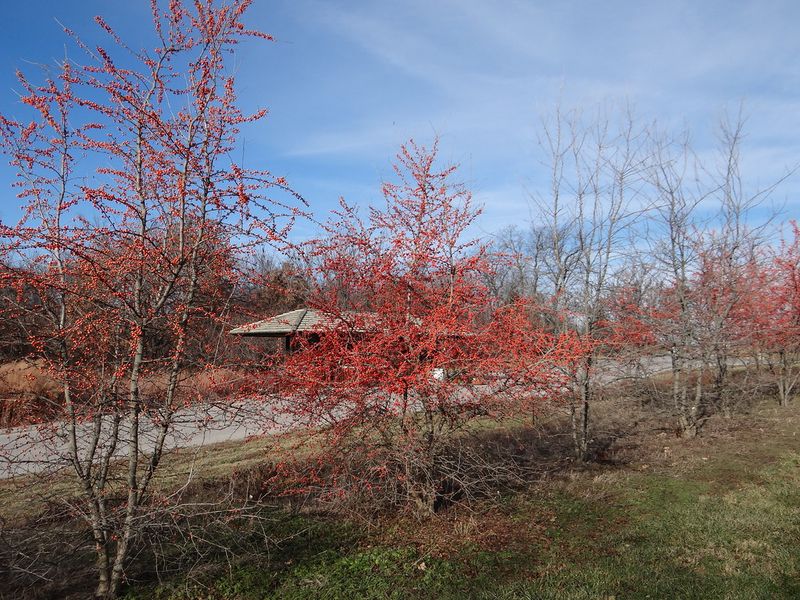
Here is the buying tip that matters most. Possumhaw plants are generally male or female, and only females bear fruit.
A female still needs pollen from a male to set berries.
The Texas A&M Tree Selector advises choosing a female if berries are the goal. NC State Extension recommends a male pollinizer for the best berry display.
That means one random plant from a nursery is a gamble. If it turns out to be male, it will never fruit.
If it is female and no male is around, berries may be sparse or missing.
Before you buy, ask the nursery to confirm the sex of each plant. Ask whether they carry a male that can serve as a pollinizer, and whether a male is likely growing in a nearby yard or greenbelt.
Tags and names on named selections often help, so read them closely.
Plan on at least one female and one male, placed within reasonable reach of each other. Even then, berry counts can vary from year to year, so think of it as improving your odds rather than guaranteeing a show.
Make room for a large shrub or small tree
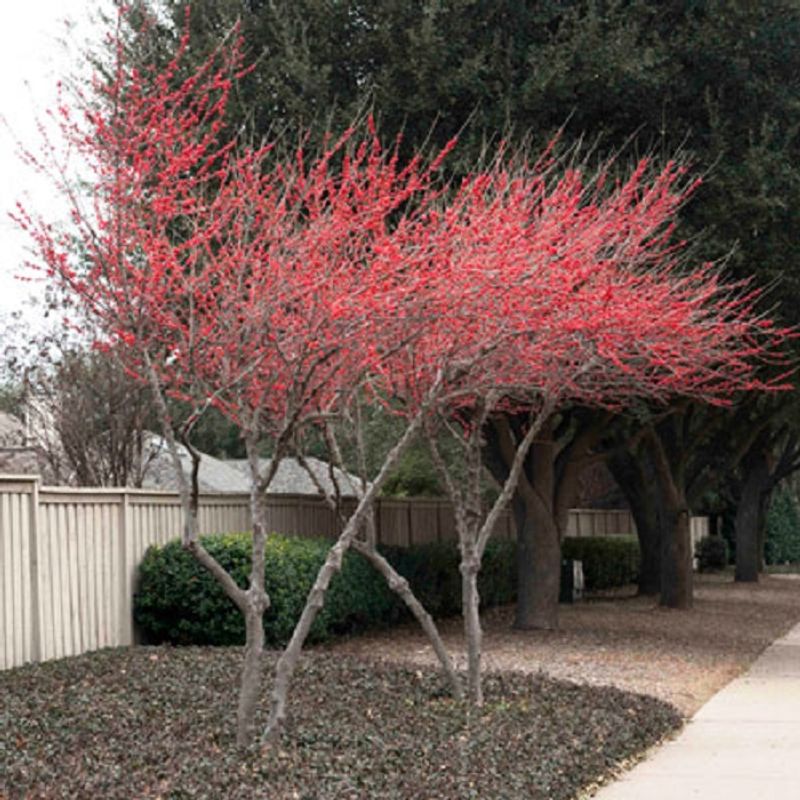
Measure before you dig. Austin’s plant guide lists a mature height of 12 to 20 feet, and Texas A&M Forest Service says it can reach up to 20 feet.
It often grows with several stems, so it spreads as well as rises.
That rules out a spot hugging the front wall, under a power line, or crammed against a fence. Give it room to branch out, and keep it clear of eaves and walkways.
Two plants, a female and a male, need even more space.
Light is the next check. Austin lists sun or part shade, with medium water needs.
Fruiting is generally better with decent light, so a deeply shaded corner is a poor bet.
Soil needs a closer look. The Texas A&M Tree Selector describes tolerance of drought, poorly drained sites, and alkaline soils.
The Wildflower Center lists only low tolerance for calcium carbonate, so very chalky ground may be a problem.
The takeaway is to look at your own yard. Dig a test hole, watch how fast it drains after rain, and note how many hours of sun the spot gets.
Do not assume it will suit every Central Texas soil.
Low maintenance still includes establishment care
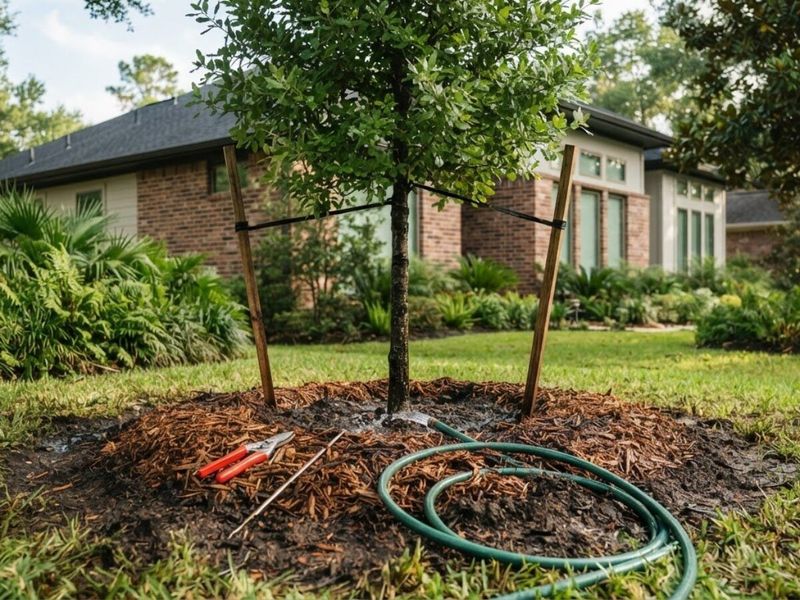
Native does not mean no work. Possumhaw is slow-growing, according to the Texas A&M Tree Selector, so patience is part of the deal.
Do not expect a full berry display in the first season or two.
Water is the main job early on. Texas A&M AgriLife recommends checking soil moisture and adjusting irrigation rather than following a rigid schedule.
Push a finger or trowel a few inches into the soil near the root ball. If it is dry, water deeply, and if it is soggy, wait.
A ring of mulch, kept back from the trunk, can help hold moisture during a Texas summer. Pay extra attention during heat waves and dry spells in the first year or two.
Pruning is usually light. Shaping may be useful, and NC State Extension notes that pruning is best done just before new growth begins.
In Central Texas, that generally means late winter, after the berries have done their job.
Once established, the plant should need less help than many non-native shrubs. Still, plan on checking it now and then rather than forgetting it.
Keep the berries for wildlife, not snacks
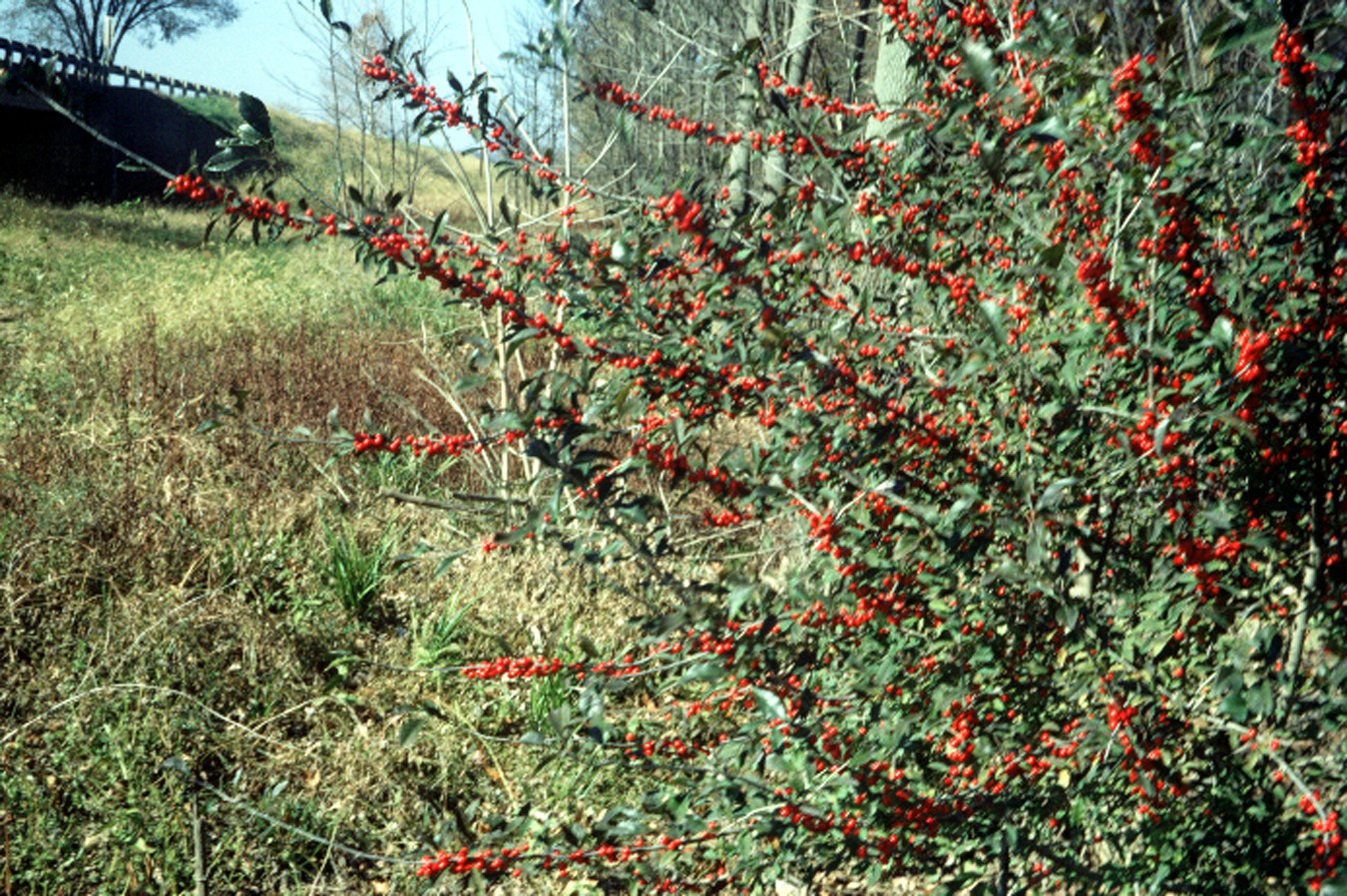
Bright red fruit looks tempting, so say it plainly: people and pets should not eat possumhaw berries. Birds handle them, but that does not make them a snack for anyone else.
NC State Extension warns that eating the fruit can cause a minor toxic reaction. Poison Control says holly berries can cause nausea, vomiting, and diarrhea.
Keep this in proportion. These are stomach upsets, not a reason to panic about a shrub in the yard, and simply walking past or touching the plant is not the concern.
Teach kids that berries on plants are for looking, and watch curious puppies near fallen fruit. If someone does eat berries and feels sick, call Poison Control or a veterinarian for advice.
Pair winter food with water and shelter
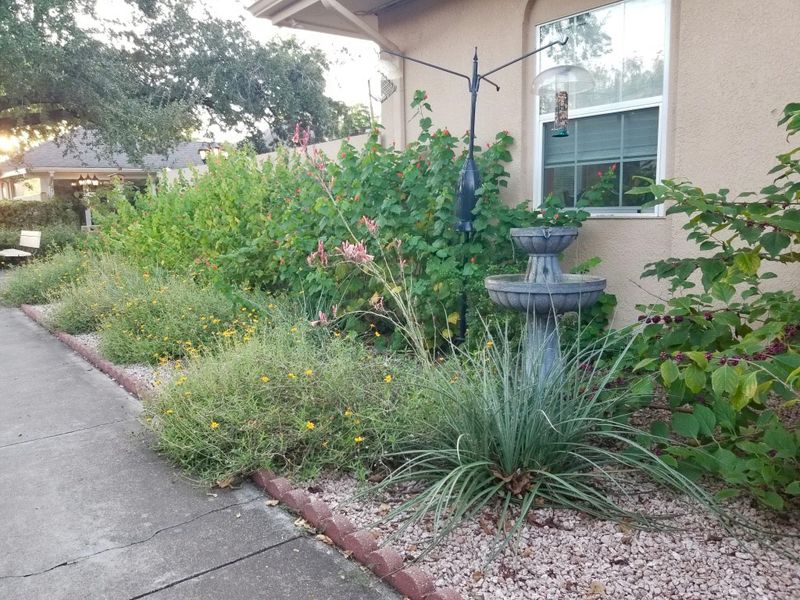
Before you shop, run through a short checklist. Pick a site that fits a 12 to 20 foot plant, plan for a female and a male if berries are the goal, and expect to water during the first years.
Then think about what else the yard offers.
The Texas Parks and Wildlife Department names food, water, and shelter as key habitat needs. It recommends native plants and layered vegetation, from groundcovers and grasses to shrubs and trees.
Possumhaw covers part of the food piece, but it cannot supply the rest by itself.
Add a shallow, clean water source, and keep dense shrubs or evergreens nearby where birds can duck out of wind and away from hawks. Leave some leaf litter and native grasses too.
A berried possumhaw is a good start. The rest of the yard decides who stays.