
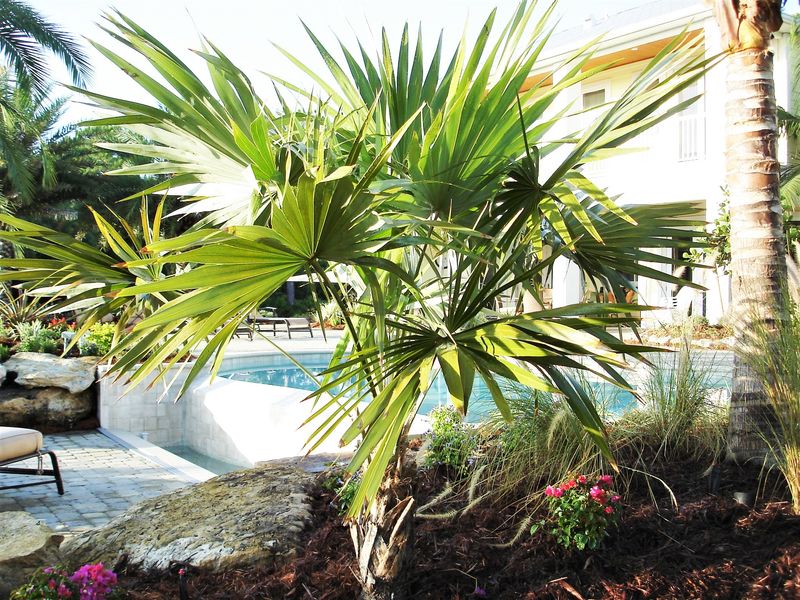
Drive through a Florida neighborhood, and the same queen palms, towering Washingtonias, and spiny pygmy date palms seem to appear on every block. They can look great, but the wrong palm can bring cold damage, crowded walkways, or more upkeep than you expected.
These six alternatives offer better matches for different yards, from chilly North Florida to warm coastal neighborhoods. Pick for your winter lows, soil, and available space, not just the look at the garden center.
1. Needle Palm
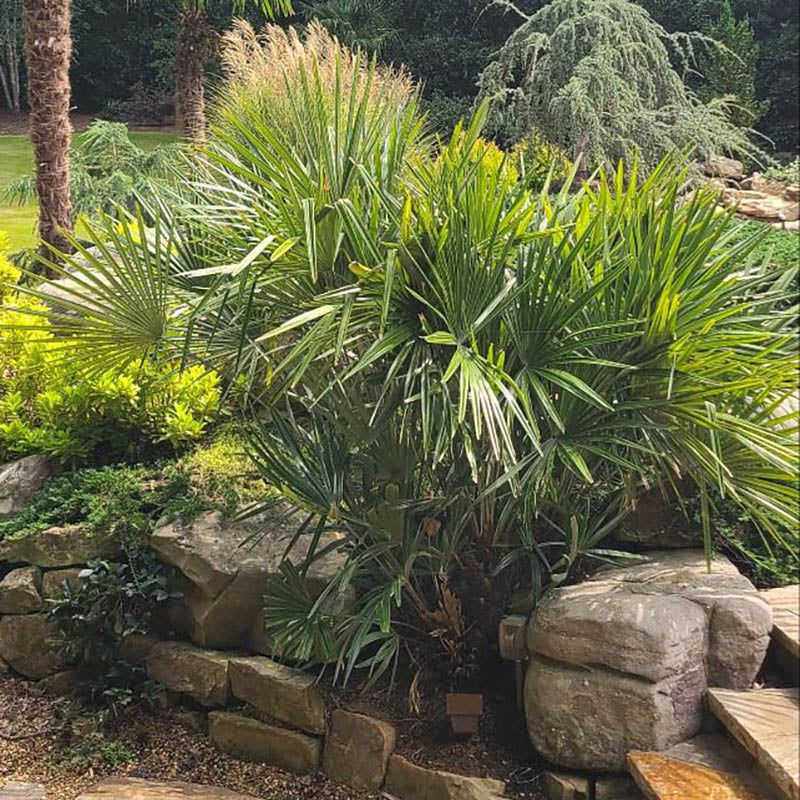
A frosty morning should not turn your front yard into a palm rescue project. For North Florida homeowners who keep replacing cold-damaged pygmy date palms, needle palm offers a tougher, low-growing option with rich green fans.
Rhapidophyllum hystrix generally suits USDA Zones 7b-11, putting most Florida winters within its comfort range once established. It grows slowly into a broad clump, often about 6-8 feet tall and at least as wide, rather than becoming a tall, bare pole.
Give it partial shade and moist, well-drained soil for the fullest appearance. Established plants can handle some dry weather, but a hot, sandy spot with reflected driveway heat is not the easiest place to get one started.
There is one firm boundary: keep it away from foot traffic. Sharp, needlelike spines hide near the base, so this is a background or woodland-edge palm, not a poolside plant children should brush against.
Choose nursery-grown stock, leave room for its mature spread, and water through establishment. Its slow pace rewards homeowners who want lasting greenery rather than instant height.
2. Dwarf Palmetto
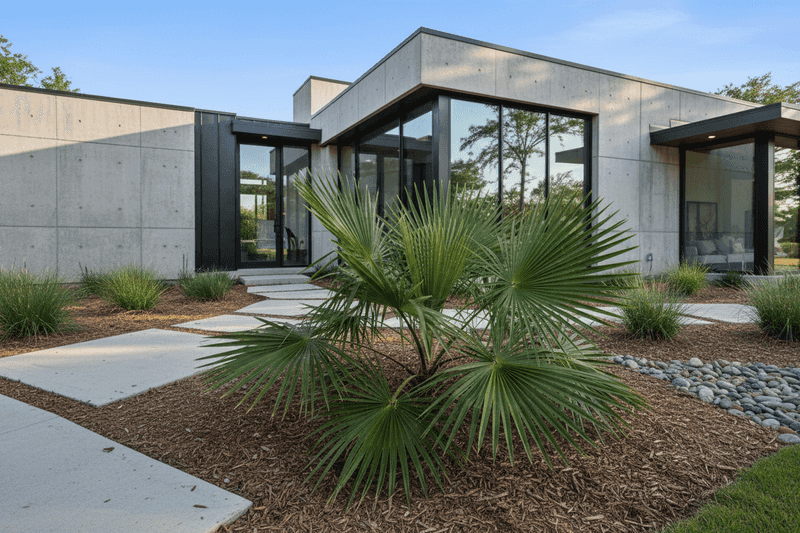
That damp corner beneath the trees does not need a towering palm to feel tropical. Dwarf palmetto brings bold, fan-shaped leaves to places where height would block windows or overwhelm a small yard.
Sabal minor is a strong choice for North and Central Florida, generally suited to USDA Zones 7b-11. Most plants stay around 3-6 feet tall, although individual plants and flower stalks can rise higher, and the trunk usually remains underground.
Unlike a queen palm planted for a quick skyline effect, this native works at eye level. Use it in loose groups beneath taller trees, along a shaded property edge, or in a broad bed where its leaves can spread without constant trimming.
Moist soil suits it well, and it tolerates periodic flooding after establishment. It can also manage drier conditions, but a newly planted specimen still needs regular watering while roots spread into the surrounding soil.
Expect subtle flowers and dark fruit rather than a flashy crown. Birds use the fruit, and homeowners gain a compact palm that usually needs little pruning beyond removing fully dead leaves.
3. Saw Palmetto
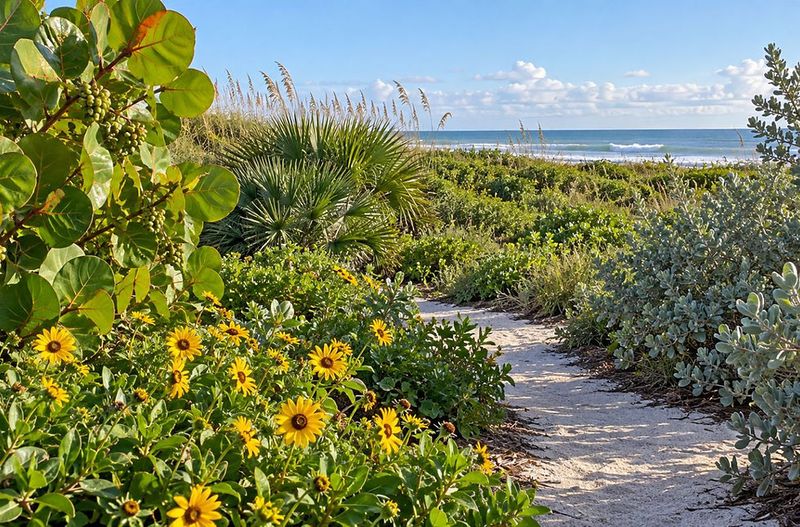
Silver-blue fans can give a sunny yard plenty of drama without adding another sky-high trunk. The silver form of saw palmetto is especially striking beside green shrubs, pale gravel, or a simple stucco wall.
Serenoa repens generally grows in USDA Zones 8a-11 and handles Florida heat, sandy soil, and coastal exposure well once established. Green forms are equally useful, especially when you want the planting to blend into nearby native vegetation.
Think of it as a spreading landscape feature, not a tidy replacement for a narrow row of pygmy date palms. Plants commonly reach 5-10 feet tall, sometimes taller, and can form broad colonies over time.
The leaf stalks have sharp teeth, which explains the name and sets the placement rules. Keep it well back from sidewalks, gates, play areas, and anywhere someone might reach into the foliage.
Start with nursery-grown plants rather than trying to move an established wild clump, which can transplant poorly. Full sun brings out the strongest silver color, while a generous bed lets the plant keep its natural shape without repeated cutting.
4. Cabbage Palm
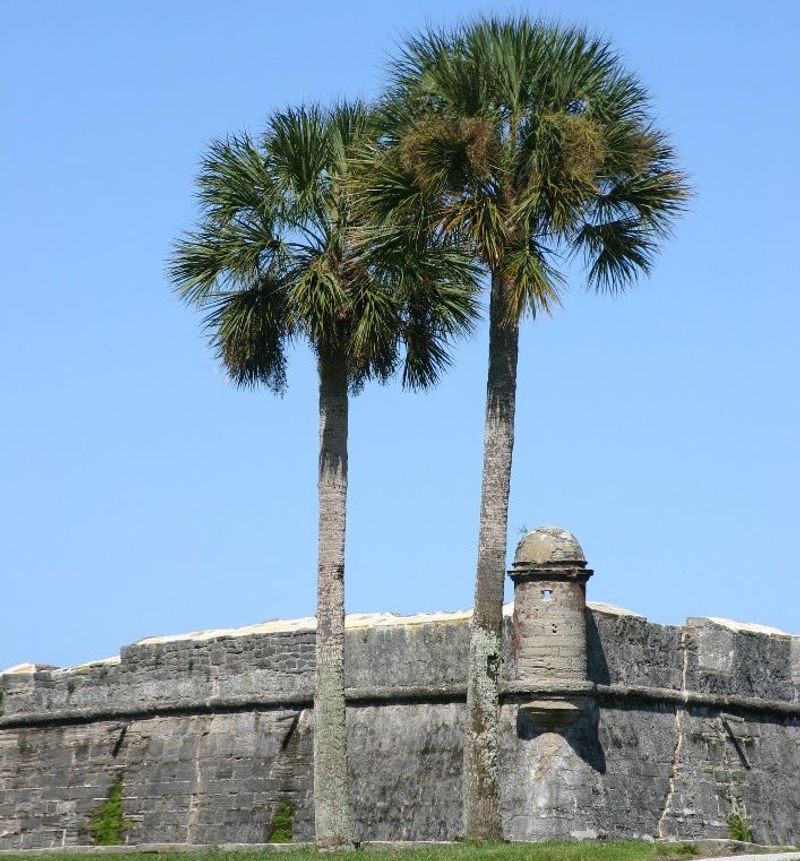
For the classic tall-palm silhouette, Florida already has a homegrown answer. Cabbage palm can replace a queen palm where you want a strong vertical accent, provided the yard has room for a genuinely large tree.
Sabal palmetto generally suits USDA Zones 8a-11 and is Florida’s state tree. Mature landscape specimens often stand 40-50 feet tall and may grow taller, so keep them away from overhead wires and allow space around the crown.
Established trees tolerate a useful range of conditions, including salt exposure, drought, and periodic wet soil. That flexibility does not mean a newly installed palm can be ignored, especially when a large field-grown tree arrives with a reduced root system.
Ask the installer for a clear watering and establishment plan. Avoid routine hurricane cuts that strip away healthy green fronds, since those leaves help feed the palm and do not need removal just to create a feather-duster shape.
There is a serious trade-off: cabbage palms are susceptible to lethal bronzing disease. Check current local Extension advice before planting, especially where cases are nearby, and mix species rather than filling the whole property with one palm.
5. Paurotis Palm
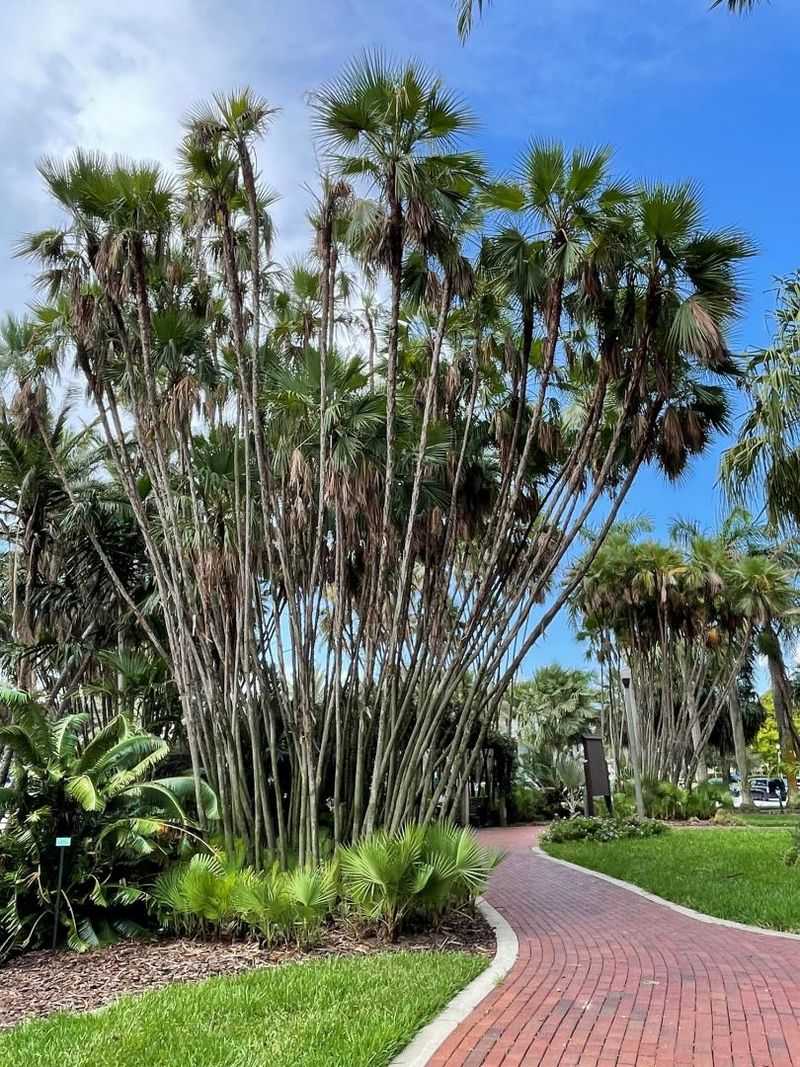
Privacy does not always have to come from a clipped hedge. A broad clump of paurotis palm creates a leafy screen with slim trunks and bright fans, making it useful where a single queen palm would leave the view wide open.
Acoelorrhaphe wrightii is native to South Florida and generally best in USDA Zones 9b-11. Warm, moist sites suit it especially well, so it deserves a look for lower areas where the soil stays damp without turning into a neglected drainage problem.
Plan for a substantial planting, often 20-30 feet tall with a clump that can spread 10-15 feet or more. It belongs along a roomy boundary or behind a large garden bed, not squeezed between the front steps and driveway.
Its leaf stalks carry sharp teeth, and new shoots gradually thicken the clump. Selective thinning can preserve the view of its trunks, but wear protection or hire help rather than reaching blindly into the base.
Dry, alkaline fill can make this palm a frustrating choice, with nutrient problems that spoil its color. Match the soil first, then enjoy its strongest feature: a living screen with movement and height.
6. Florida Thatch Palm
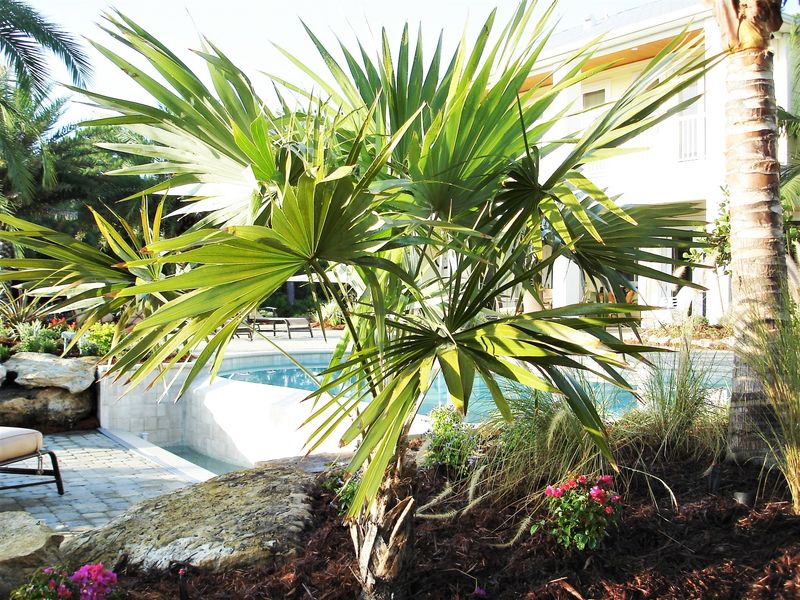
A small coastal courtyard needs a palm with manners, not a future giant looming over the roof. Florida thatch palm offers a slender trunk and an airy fan-shaped crown that feels right at home beside a South Florida patio.
Thrinax radiata is best reserved for reliably warm locations, generally USDA Zones 10b-11. It is not a sensible replacement for cold-damaged palms in North Florida, and even a warm-zone yard can have a frost pocket that makes planting risky.
Growth is slow, and mature plants often reach about 15-25 feet, though older specimens can exceed that range. Allow for the full crown instead of judging spacing by the small plant in a nursery pot.
Good drainage matters more than rich soil, and established plants tolerate coastal salt exposure and dry spells. Water new plantings consistently, then adjust irrigation to rainfall and soil conditions rather than keeping the bed constantly wet.
Compared with an overused Washingtonia, its smaller scale is the main attraction, not instant height. Buy nursery-grown plants, preserve healthy green fronds, and place it where its simple outline can stand on its own.