
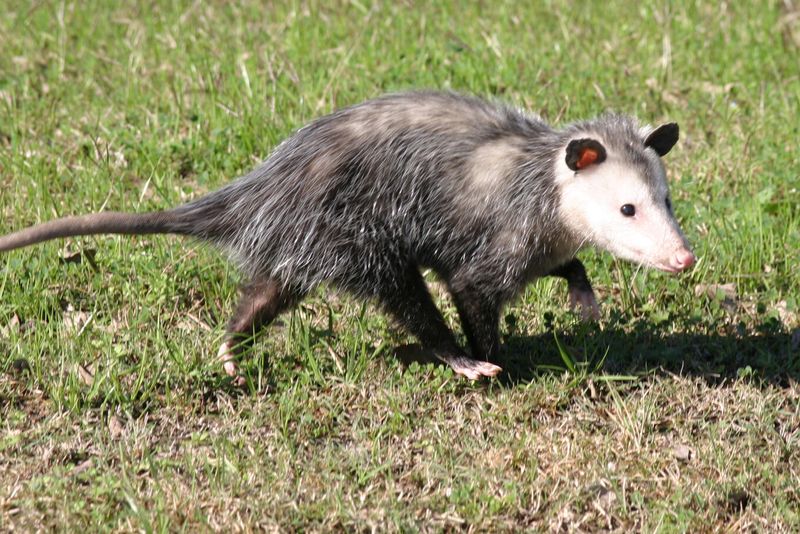
That shuffling shape in your yard after dark may be an opossum, and it could be snacking on some of the bugs and slugs you have been fighting. Opossums eat many small creatures, so a visit might mean a few less garden invertebrates on the menu.
The story gets more interesting when you look at what scientists have actually found about ticks and slugs. Here is what an opossum may be eating, what is still unproven, and how to share your yard safely.
A nighttime visit fits an opossum’s routine
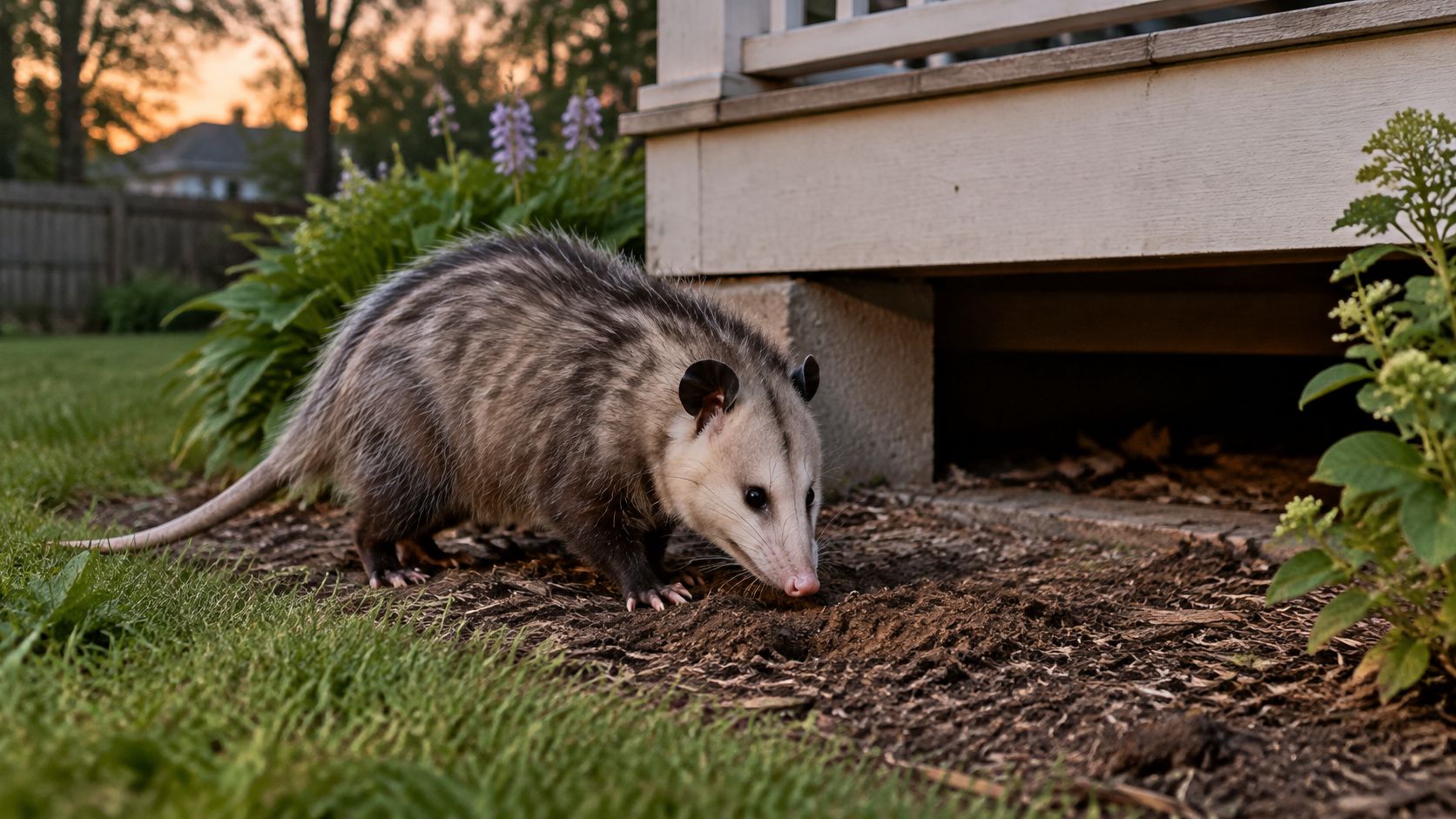
Seeing an opossum after dark is completely ordinary. Virginia opossums are mostly nocturnal, so nighttime is when they do their traveling and foraging.
Most of the time, the animal you spot is just passing through. It is following a route along fences, shrubs, or the edge of a woodlot, and nobody knows whether it is hunting the particular pests in your yard.
What it eats depends on what it finds. UC Statewide IPM Program guidance describes a varied menu that includes insects, fruit, small animals, and carrion, plus human-related foods such as pet food and garbage.
The Missouri Department of Conservation also lists a wide mix of foods.
That flexibility is the key. An opossum will take whatever is easy and available, from a beetle in the mulch to a dropped apple.
Some of those meals may be garden invertebrates, but a single sighting tells you only that a hungry wild animal walked by.
Slugs may be on the menu, but control is not guaranteed
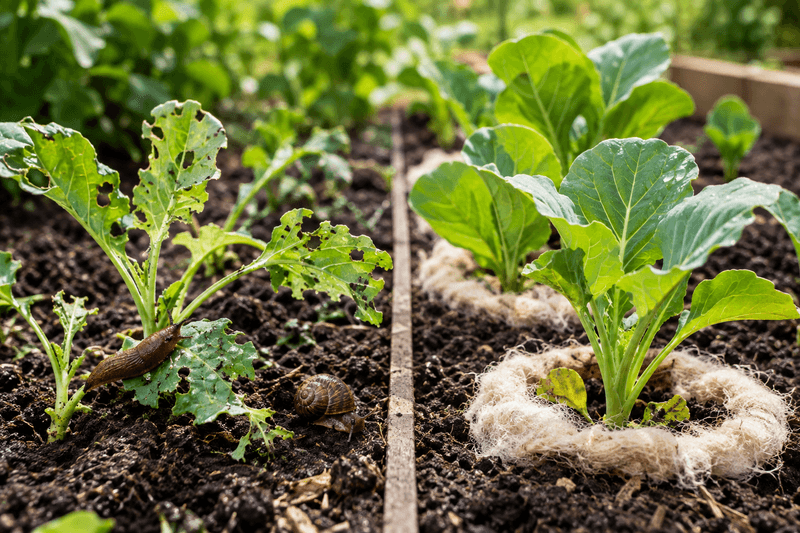
Gardeners who hate slugs will be glad to hear that some opossum guides list them as food. University of Maryland Extension includes slugs among the foods opossums may eat, and UC IPM lists snails.
Being on the menu is a long way from being a garden fix. These sources show that slugs and snails can be food.
They do not show that an opossum will clear them out of your beds or protect your lettuce.
Think about how it works in real life. An opossum that wanders in once a week and eats a few slugs is not going to match a slug population that thrives in damp mulch every night.
If slugs are chewing your hostas, keep using the steps you trust, like trimming damp hiding spots and picking them off by flashlight. If an opossum happens to snack on a few, consider it a small bonus rather than a plan.
The tick research does not show yard-level control
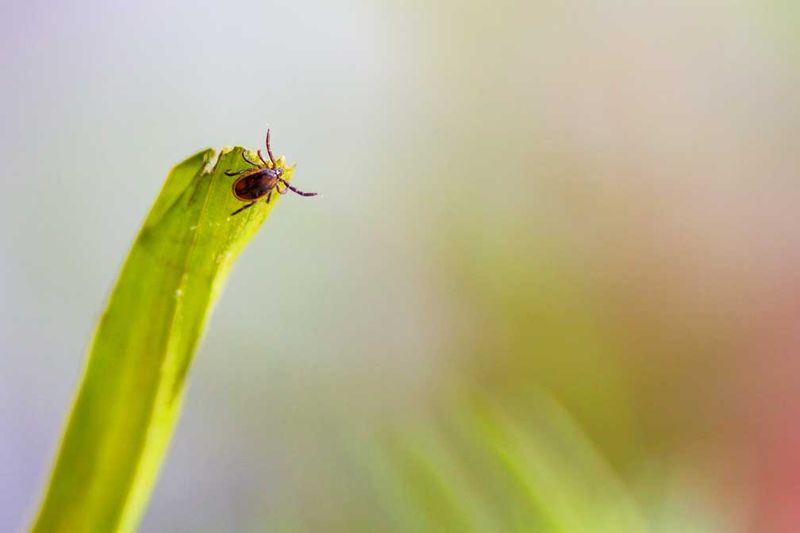
The popular claim that opossums gobble up thousands of ticks traces back to a 2009 study. Researchers exposed captive animals to larval blacklegged ticks, then inferred that ticks missing afterward had been eaten during grooming.
They estimated that 96.5% of larvae trying to feed on opossums were consumed.
That number came from a captive experiment, not from measuring ticks in real yards. It is not proof that opossums control ticks through the season.
A later check went to the wild animals themselves. A 2021 study examined stomach contents from 32 wild Virginia opossums and found no ticks or tick parts.
That result challenges the popular story, though it does not prove an opossum could never swallow an occasional tick. It also helps to separate two ideas.
Opossums can carry ticks as hosts, and a tick riding on an animal is not a tick being eaten or a smaller tick population.
Nothing here shows that opossums cut tick numbers in a yard or prevent Lyme disease.
Watch from a distance and leave it alone
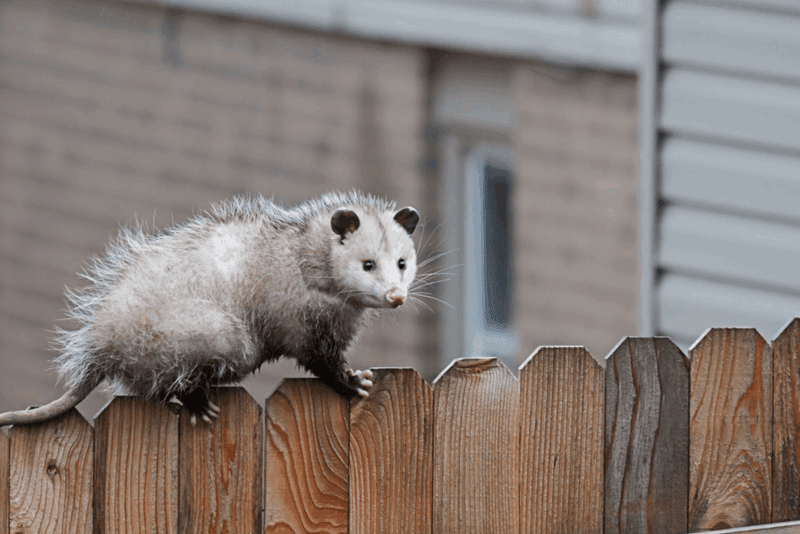
The best way to enjoy an opossum is through a window. Stay back, give it room to move on, and skip any urge to approach, feed, or pick it up.
Feeding might seem kind, but it causes trouble. As the U.S.
Fish and Wildlife Service explains, feeding wildlife can habituate animals to people and lead to unwanted interactions. Setting out food to recruit a pest-control helper is not a good idea.
Rabies comes up often with nighttime animals. Massachusetts guidance describes rabies as very rare in opossums.
Very rare does not mean impossible, so it is no reason to get close.
Bring pets inside while the opossum is around, and let it leave on its own. Most visitors are gone within minutes.
Put away food that can attract wildlife
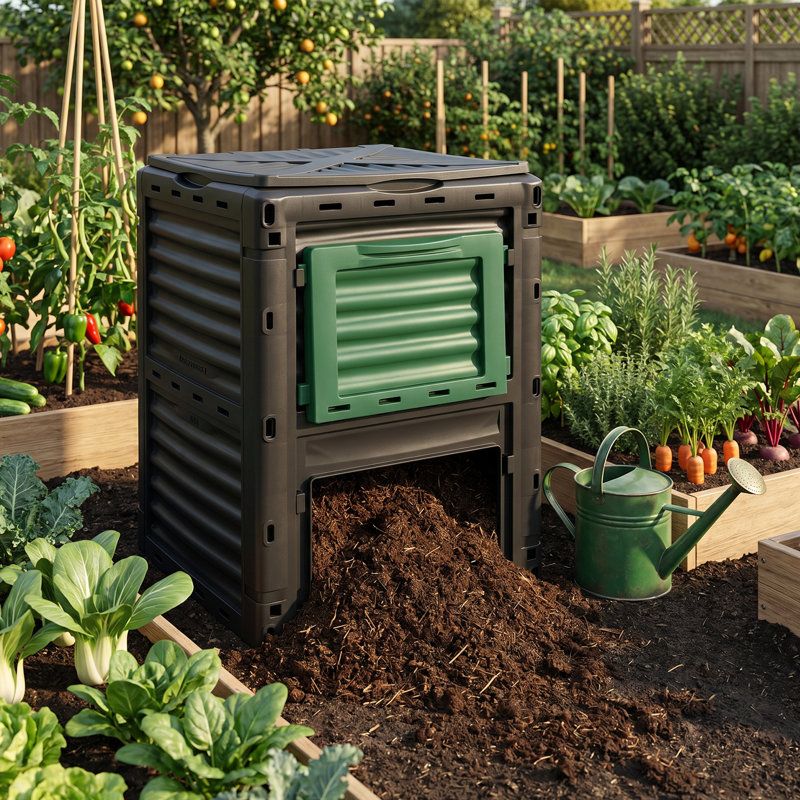
If you would rather the opossum keep walking, take away the free meals. Start with garbage, since open or loose-lidded cans are easy pickings.
A tight lid or a spot in the garage until pickup day helps.
Compost piles with food scraps are another draw, so use a closed bin and keep meat and dairy out. Pet food is a big one, as UC IPM guidance notes that food left outdoors attracts opossums.
Bring bowls of food and water inside at night.
Out in the garden, pick up fallen fruit and sweep up spilled birdseed under feeders. Wildlife agencies like the U.S.
Fish and Wildlife Service stress that easy food invites unwanted encounters.
These steps lower the odds of visits, though nothing guarantees an opossum will stay away. A weekly walk around the yard at dusk makes a handy habit.
Use established steps to prevent tick bites
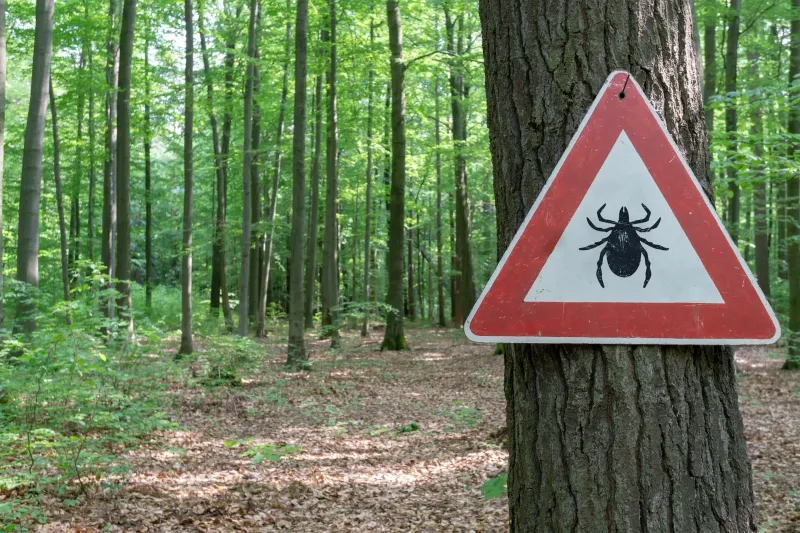
When ticks are the worry, lean on methods with real public-health backing. CDC guidance lays out personal steps and yard measures that cut your chances of a bite.
For your body, use an EPA-registered repellent, wear long sleeves and pants, and check yourself, kids, and pets for ticks after time outside. A shower soon after coming in and tossing clothes in the dryer are also on the CDC list.
For the yard, the goal is to make blacklegged-tick habitat less friendly. Mow the lawn, clear leaf litter, and trim brush and tall grass along edges.
Keep a barrier of wood chips or gravel between lawn and woods, and move play areas away from wooded borders.
None of this depends on a wild animal doing the work for you. Put your effort into these proven habits.
Wash bites or scratches and get health advice
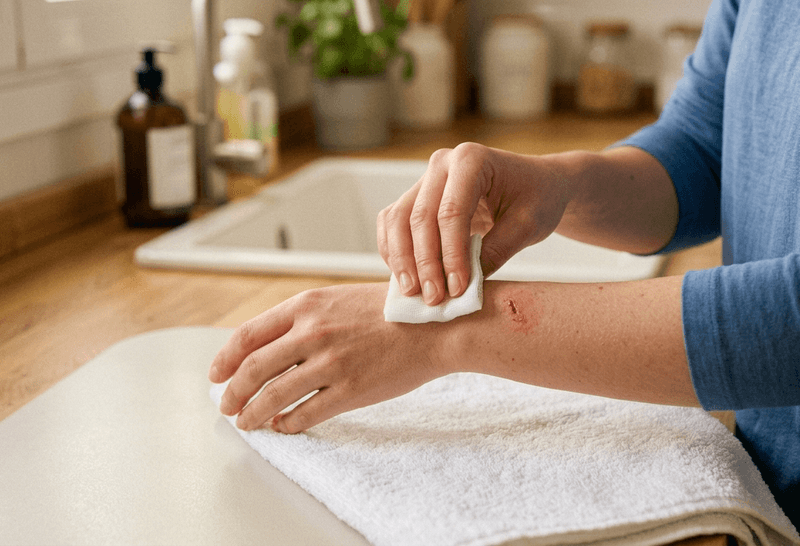
If any wild animal bites or scratches you, wash the wound promptly with soap and water. Then contact a healthcare professional or your local health department for advice about rabies and other care.
The CDC and its wildlife guidance point to this step. Do not try to judge the risk by species alone, since a professional can do that.
An opossum may well eat some insects and other invertebrates, and possibly a slug or snail, but it is not a dependable pest-control service. Leave it alone and let it travel on.
UC IPM advice on removing food and shelter helps keep visits uneventful.
For ticks, stick with CDC tick-prevention steps.
The best yard guest is one you admire from the window as it waddles off into the dark.