
When the cold snaps hit North Carolina, you are not the only one looking for a warm place to sleep. Mice, bugs, and even bigger critters start slipping through tiny gaps in walls, vents, and doors.
Some of them chew wires, some spread germs, and some just make a smelly mess. Here are the sneakiest winter invaders in NC homes and simple ways to send each one packing.
1. House Mice
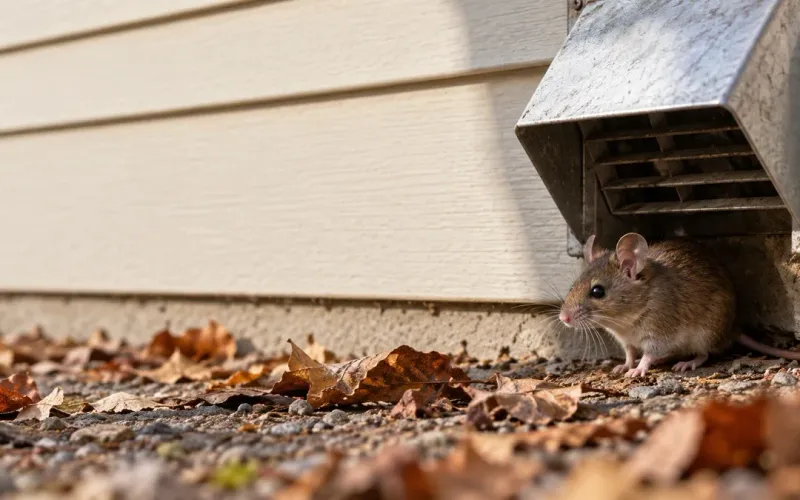
A gap the size of a dime is all a house mouse needs. That is roughly the width of a pencil, and Piedmont homes with settling foundations and old weatherstripping have plenty of them.
Once inside, mice chew wiring, shred insulation, and leave droppings in drawers. A single pair can turn into dozens by spring, so early action matters.
Seal gaps with steel wool and caulk, especially around pipes under sinks and where AC lines enter. Snap traps baited with peanut butter, set along walls, work better than poison, which can harm pets and leave a dead mouse rotting inside a wall.
2. Brown Marmorated Stink Bugs
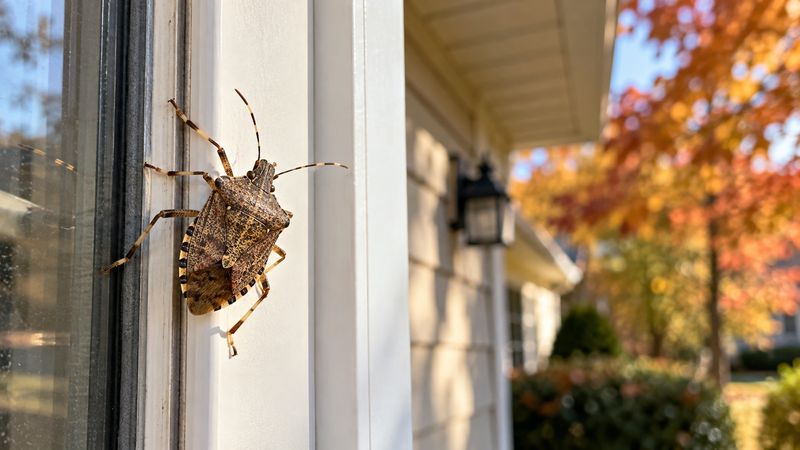
You probably met one on a sunny window in November and wondered where it came from. The answer is your attic, your wall voids, and every crack around your window frames.
Stink bugs arrived in the US from Asia in the 1990s and have spread across North Carolina, especially in the mountains and foothills. They do not bite or breed indoors, but squish one and you will regret it.
Vacuum them up with a shop vac or knock them into soapy water. For prevention, fix torn screens and caulk around window trim before the first hard frost next fall.
3. Asian Lady Beetles
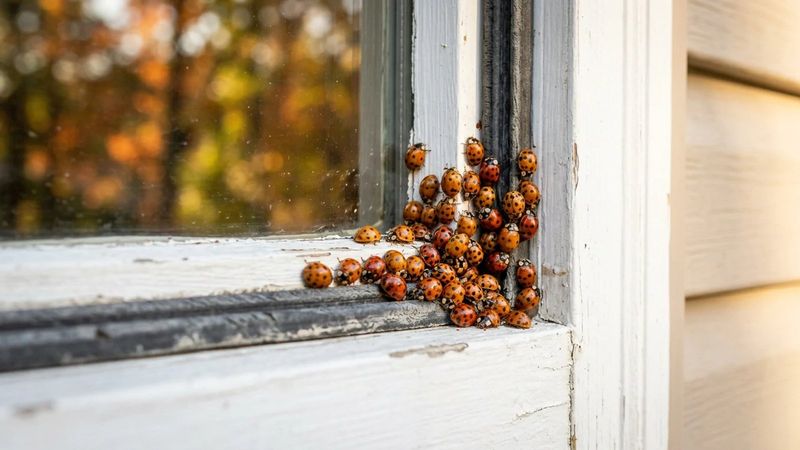
Cute? Sure, until a few hundred of them pile into the corner of your sunroom.
Asian lady beetles look like friendly ladybugs, but they swarm light-colored homes in the fall and tuck into walls for winter.
They can give a little pinch, and when stressed they release a yellow fluid that stains walls and smells bitter. Mountain homes near wooded slopes see the worst of it.
Skip the broom, which crushes them and causes stains. A vacuum with a knee-high stocking stretched inside the hose catches them cleanly, and sealing siding gaps keeps the next wave out.
4. Roof Rats
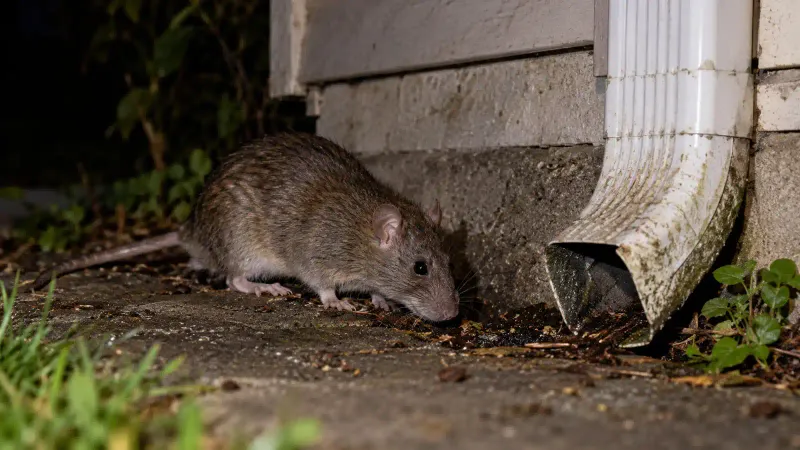
Scratching overhead at 2 a.m. is the classic roof rat calling card. Unlike their ground-loving cousins, these slim climbers travel along power lines and tree limbs straight to your roof.
Coastal plain homes from Wilmington to the Outer Banks get hit hard, though Charlotte and Raleigh suburbs report them too. They gnaw through attic vents and chew wires, which is a genuine fire risk.
Trim branches at least six feet back from the roof. Then cover vents with hardware cloth and place snap traps in the attic along beams.
Bad infestations deserve a licensed pro.
5. Camel Crickets
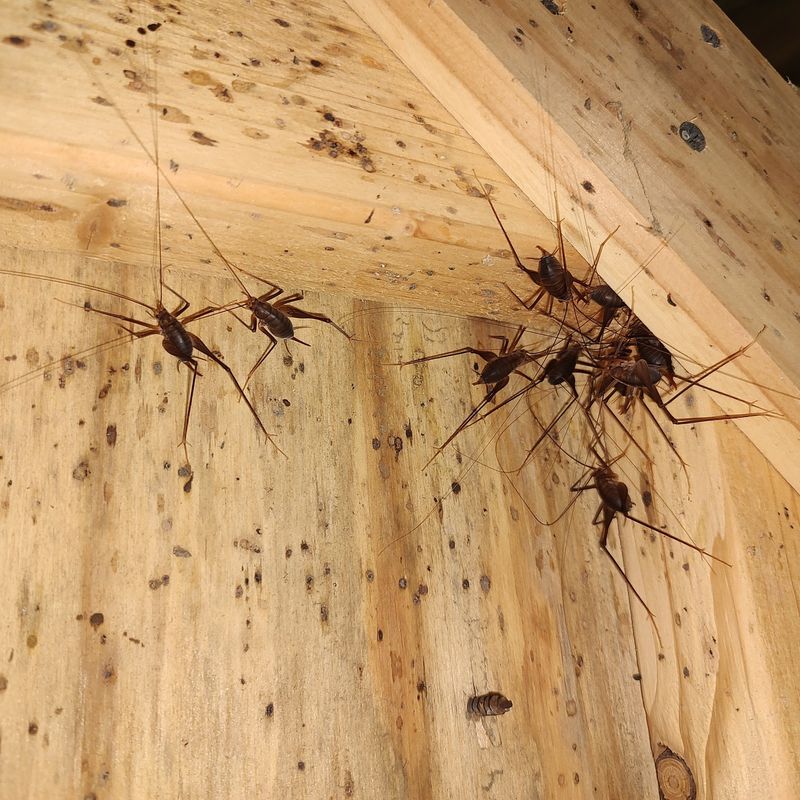
Nothing makes a grown adult yelp faster than a spider cricket jumping straight at them in the basement. Camel crickets cannot see well, so leaping toward a threat is their best guess at escape.
They love damp crawl spaces, which most NC homes have in spades thanks to our humidity. They are harmless but will nibble cardboard boxes and stored fabric.
Run a dehumidifier in the basement and keep the crawl space vapor barrier in good shape. Sticky traps along walls catch them fast, and clearing leaf litter near the foundation cuts down hiding spots.
6. German Cockroaches
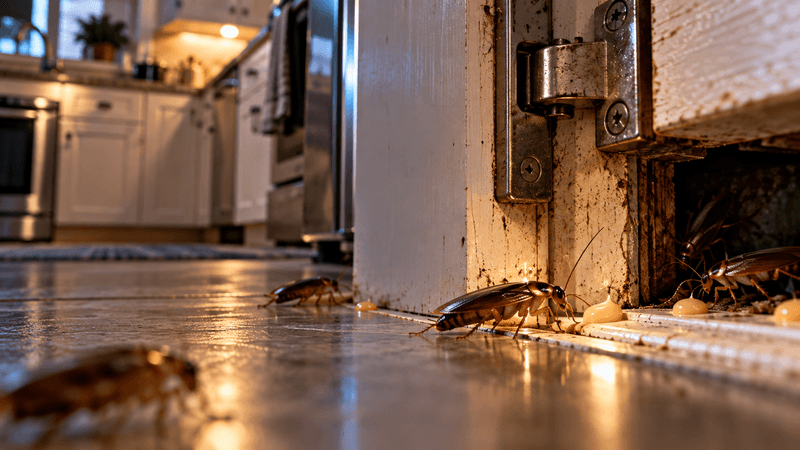
Here is a sobering stat: one female German cockroach can lead to thousands of offspring in a year. Winter does not slow them down because they live entirely indoors, near warm appliances.
Look behind the fridge, under the dishwasher, and inside cabinet hinges. They often ride in on grocery bags or secondhand furniture.
Gel baits and bait stations work far better than sprays, which scatter them. Pair baiting with a deep clean, fix leaky faucets, and store food in sealed containers.
If you still see them in daylight after two weeks, call an exterminator.
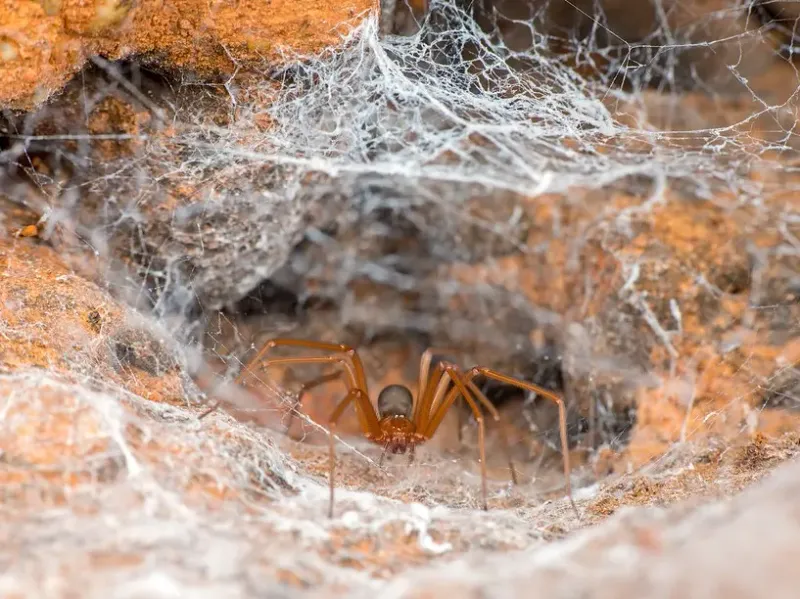
7. Brown Recluse Spiders
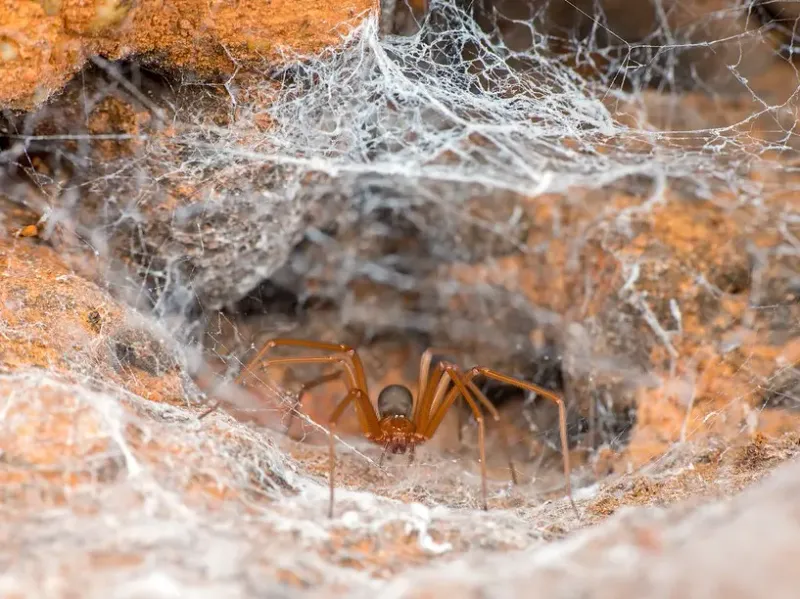
Brown recluses are rare in North Carolina, and that surprises a lot of people. Most bites blamed on them are actually something else.
Still, they do turn up, often hitching rides in boxes or furniture from states farther west. They hide in quiet corners like closets and attics, and a bite can cause a nasty wound.
Shake out shoes and gloves stored in the garage. Swap cardboard boxes for sealed plastic bins, and set sticky traps along walls.
Any bite that turns dark or spreads needs a doctor right away.
8. Gray Squirrels in the Attic
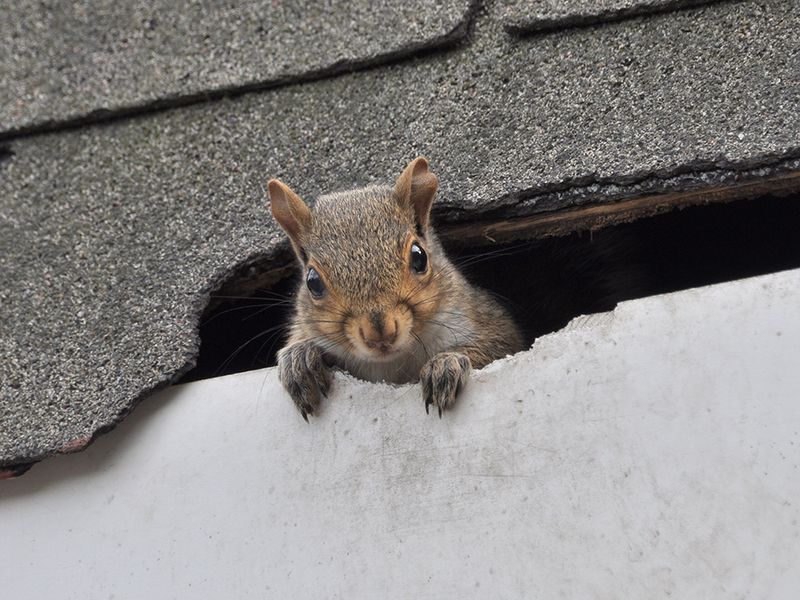
Our state mammal is adorable at the bird feeder and a nightmare in the attic. Gray squirrels chew into soffits and gable vents, then haul in leaves to build cozy winter nests.
Dawn and dusk scurrying are the giveaway, since squirrels keep daytime hours unlike rats. Females may have a litter by late winter, so timing counts.
Install a one-way exclusion door over the entry hole so they can leave but not return. Never seal a hole with babies inside.
Afterward, patch with metal flashing and cut back nearby oak limbs.
9. Pantry Moths
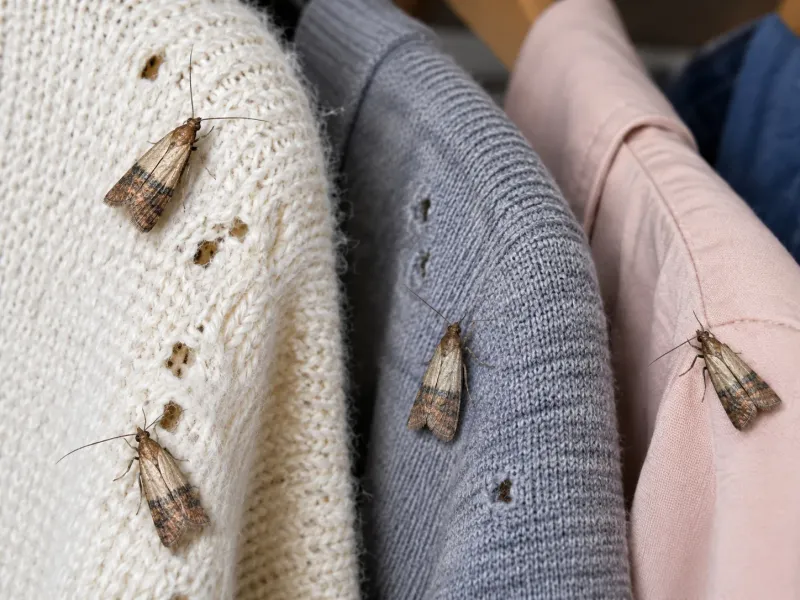
Ever opened the oatmeal and found silky webbing? Meet the Indian meal moth, a pantry crasher that often arrives in birdseed or holiday baking supplies.
Winter baking season gives them a feast. The small moths fluttering near your kitchen ceiling are the adults, while the larvae do the real damage.
Toss any infested food, vacuum shelves, and wipe them with vinegar. Move flour, rice, and pet food into airtight jars, and hang pheromone traps to catch stragglers.
10. Eastern Subterranean Termites
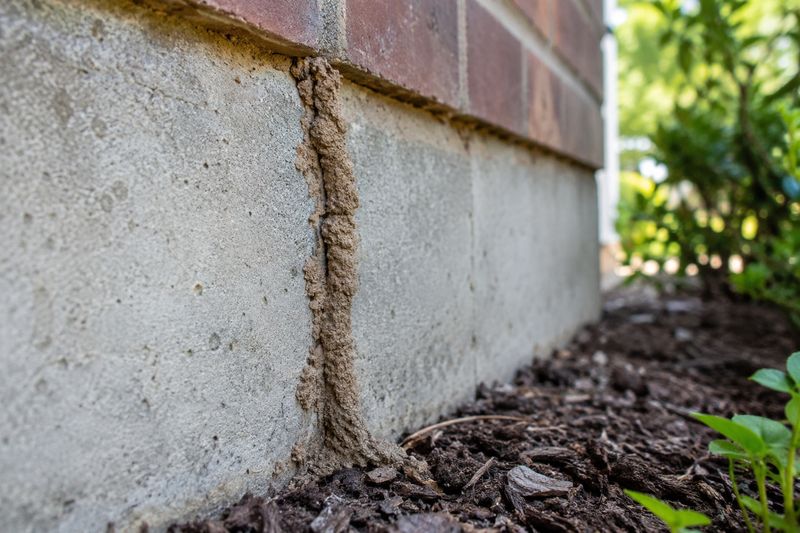
Termites do not take the winter off in heated homes. Eastern subterranean termites cause more damage in North Carolina than fires and storms combined in some years, and most homeowners never see a single bug.
Watch for pencil-wide mud tubes on foundation walls, hollow-sounding wood, or tiny discarded wings on windowsills. Moist crawl spaces make the problem worse.
Keep mulch and firewood away from the foundation and fix leaky gutters. Treatment is a pro job using soil barriers or bait systems, and an annual inspection is cheap insurance.