
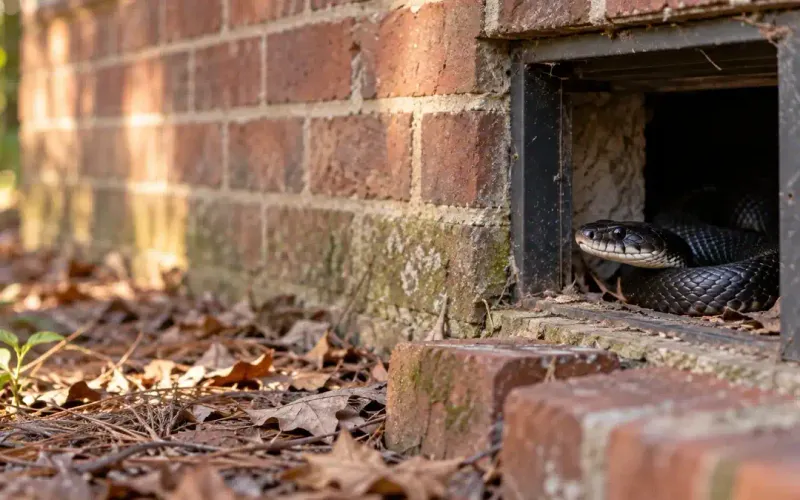
When the weather turns cold, snakes do not simply vanish. Many of them look for a safe, sheltered spot to wait out winter, and sometimes that spot is right next to your home.
Knowing the clues they leave behind can help you stay safe, protect pets, and decide whether you need to make changes. Here are 11 signs that a snake may be spending the cold months closer than you think.
1. Shed Snake Skins Near the Foundation
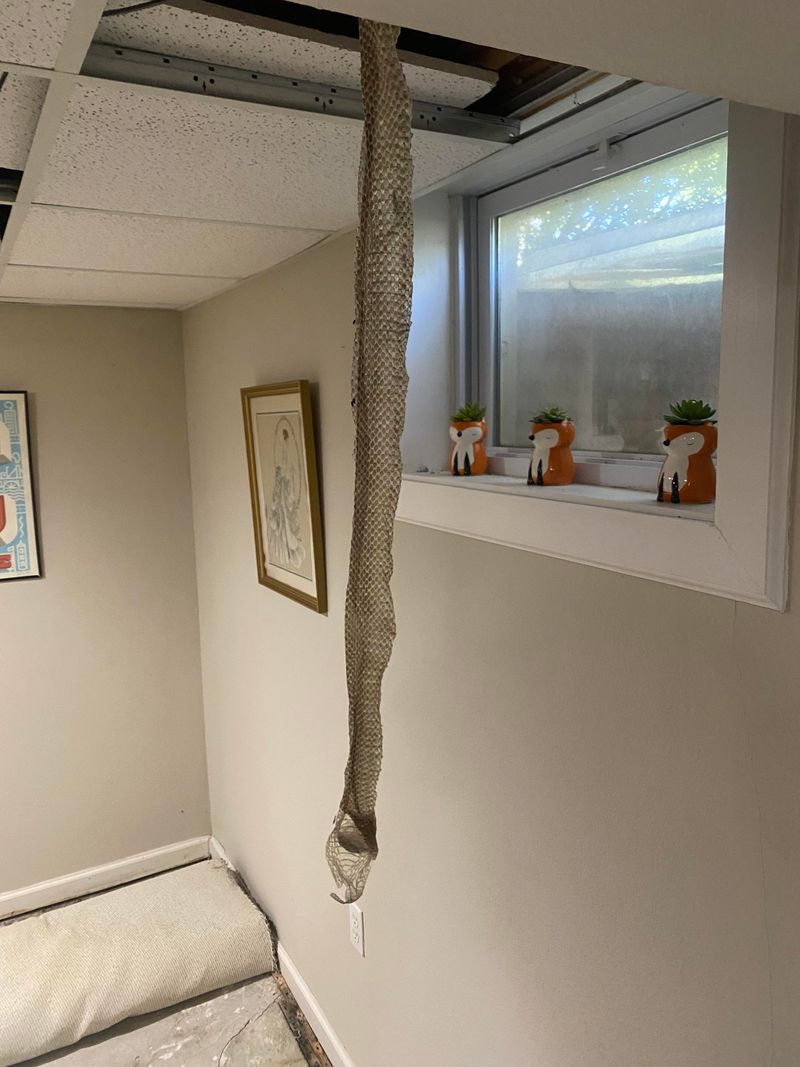
Finding a ghostly, see-through tube of scales tucked against your foundation can stop you in your tracks. Snakes shed their skin as they grow, and many do one last shed in early fall before settling in for winter.
That leftover skin is basically a calling card.
Look along the base of walls, under porch steps, around woodpiles, and near rough surfaces like bricks or stones. Snakes rub against those textures to peel the old skin off, so the shed often gets snagged right where they were working.
A skin that is still mostly intact usually means the snake was there recently.
Fun fact: a snake even sheds the clear scale covering its eyes, called the spectacle. If you see two little eye caps on the skin, you are looking at a complete shed.
Do not panic, but do pay attention. One skin can mean a snake passed through, while several skins in the same area hint that something is denning nearby.
Snap a photo before tossing it, since the scale pattern and length can help a local extension office or wildlife expert identify the species. Wear gloves when handling it, because old skins can carry salmonella bacteria.
2. Flattened Grass Trails
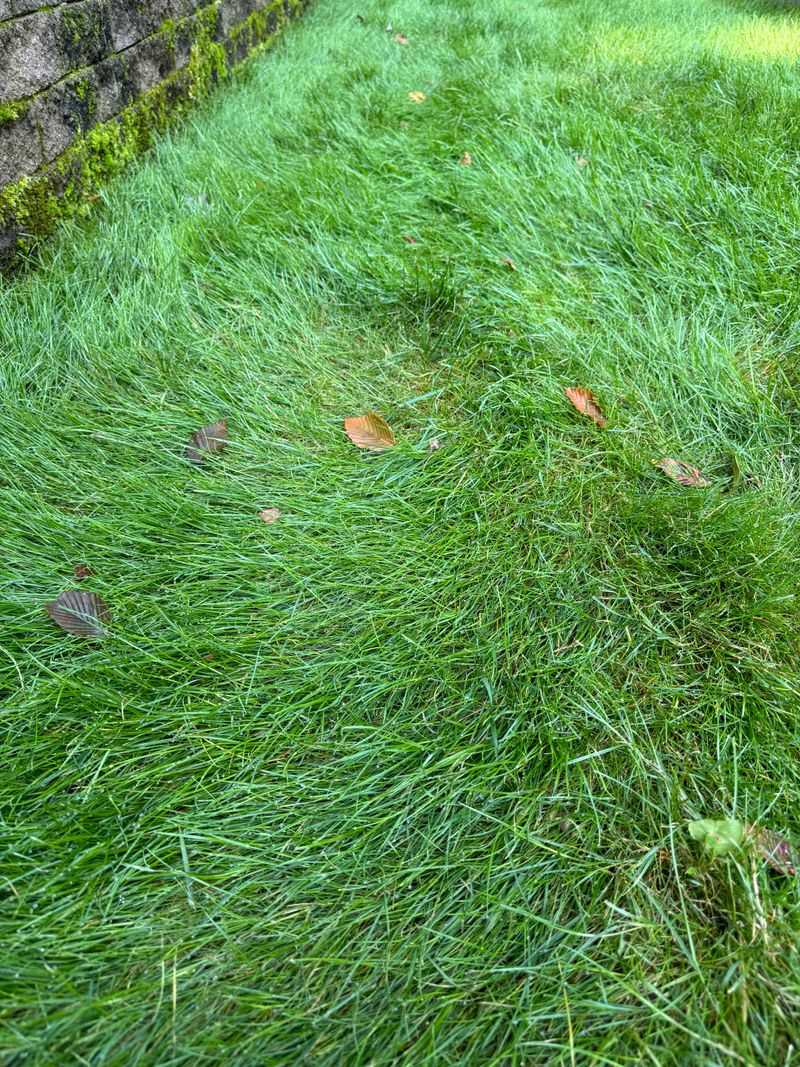
Picture a thin, winding ribbon pressed into tall grass, almost like someone dragged a garden hose through it. Snakes moving along the same route day after day can wear down a slim path, especially in longer grass along fence lines or the edges of your yard.
Unlike deer or rabbit trails, snake paths do not show footprints. They tend to be narrow, smooth, and gently curved rather than straight.
You will often spot them heading toward a hiding place, like a rock wall, a crawl space vent, or the gap under a shed.
Fall is a great time to notice these trails because snakes are traveling more as they search for a winter den. Once they pick a spot, they may keep using the same route on warmer days to bask.
That repeated traffic is what keeps the grass pressed down.
If you find one, follow it carefully with your eyes from a safe distance and see where it ends. That endpoint might be the doorway to their winter hideout.
Mowing the area short makes snakes feel exposed, which discourages them from using that route and gives you a clearer view of any future activity around the yard.
3. A Suddenly Quiet Bird Feeder
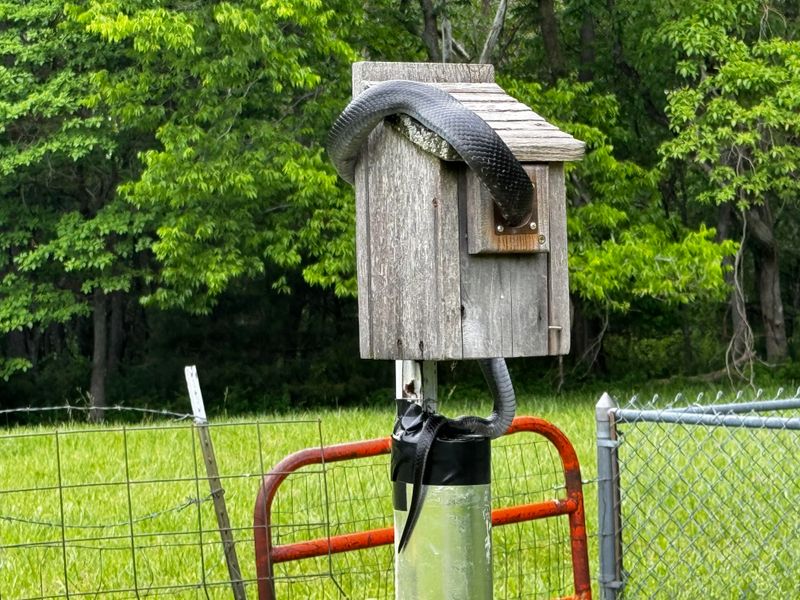
Your feeder was a busy little diner all summer, full of chickadees and cardinals. Then one week, it is silent.
Birds are smart, and they avoid places where they sense danger nearby.
Snakes are well-known nest raiders and will happily eat eggs, chicks, and sometimes adult birds. Rat snakes are especially good climbers and can slither right up poles and trees.
If one has set up shop close by, songbirds may decide your yard is no longer worth the risk.
Of course, a quiet feeder can also mean a hawk is hunting, the seed is old, or birds have migrated. So look at the bigger picture.
Are there scraped spots on the pole, missing eggs in nearby birdhouses, or a lot of spilled seed going untouched?
Spilled seed is a big piece of the puzzle. It attracts mice and chipmunks, and those rodents attract snakes looking for an easy meal before winter.
Clean up the ground under feeders regularly, use a seed tray, and consider a baffle on the pole. Those simple steps protect your feathered visitors and remove the snack bar that brought a snake around in the first place.
4. Fewer Mice and Rodents Around
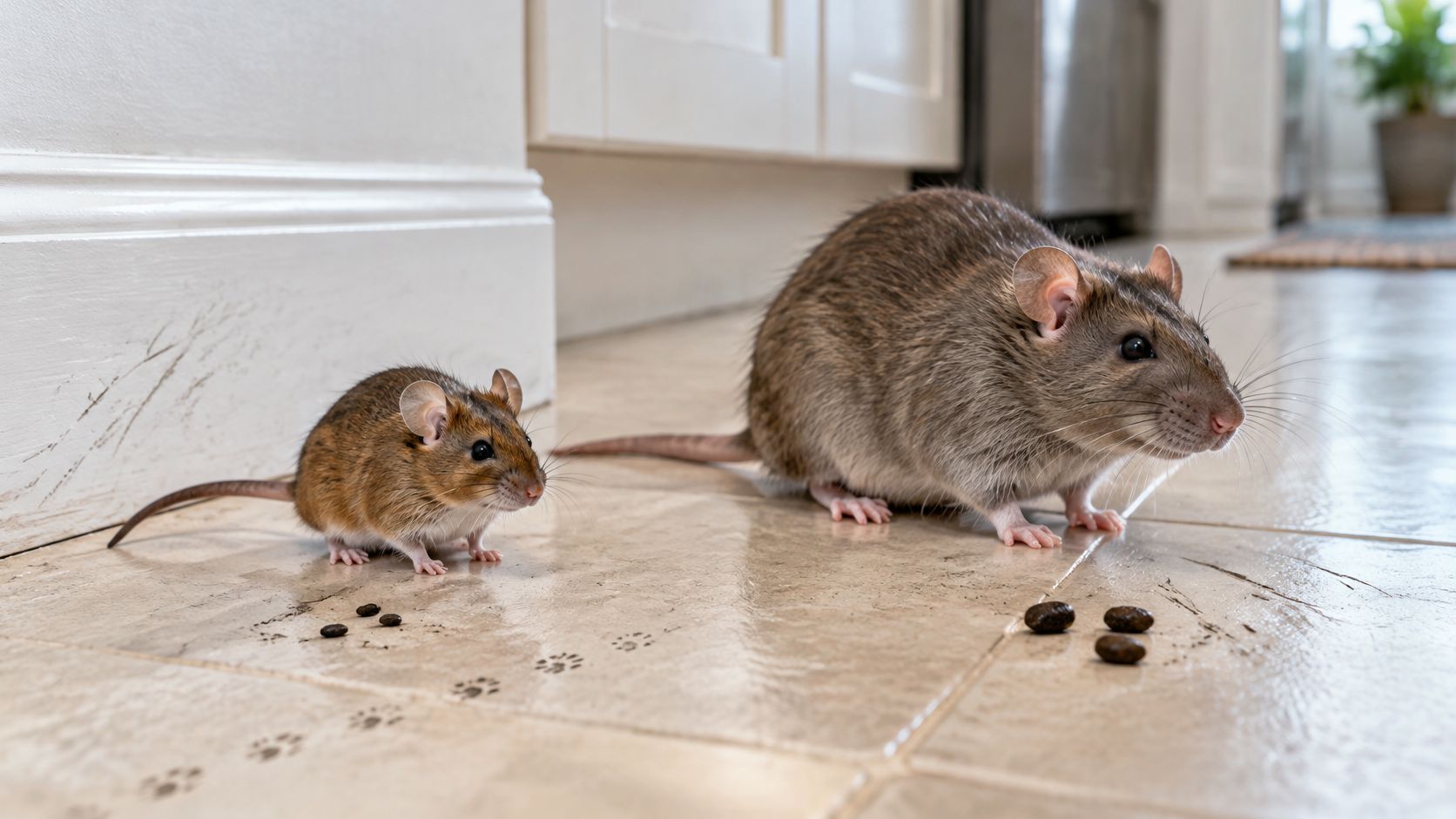
Here is a sign that almost feels like good news. You used to find mouse droppings in the garage every fall, but this year they seem to have disappeared without you lifting a finger.
Many snakes, including rat snakes, corn snakes, and kingsnakes, are rodent specialists. A single snake can eat a surprising number of mice before it slows down for the cold months.
If the rodent population near your house drops suddenly, something is probably hunting them.
Honestly, plenty of gardeners welcome that kind of free pest control. Nonvenomous snakes can be helpful neighbors as long as they stay outside.
The trouble starts when a snake follows mice through gaps in the foundation and ends up in a basement or wall.
Check for signs of where the rodents used to travel. Look along baseboards, behind storage boxes, and around the water heater.
If you notice a mix of fewer droppings plus shed skins or odd tracks, a snake is likely patrolling.
Seal small openings with steel wool and caulk to keep both mice and snakes out. That way you get the benefit of a hunter outside without inviting it in for winter.
5. Smooth Holes in the Ground
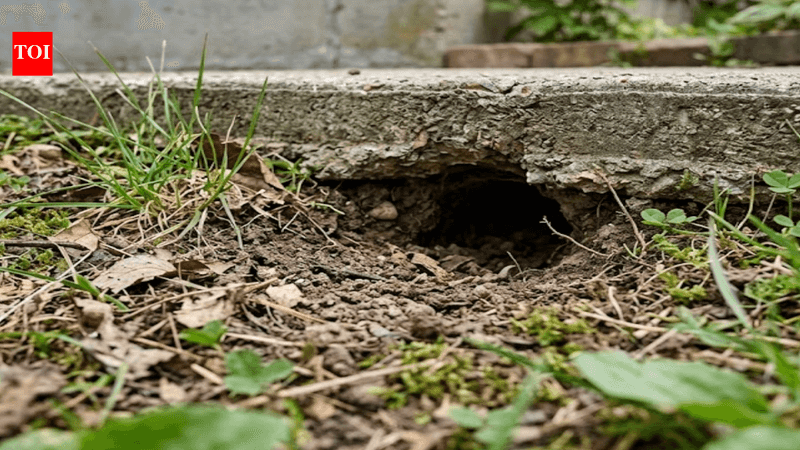
Snakes are not great diggers. They are, however, excellent at borrowing other animals’ homes, which is why an old chipmunk or vole hole can turn into a cozy winter den.
The clue is in the edges. A hole a snake has been using often looks smooth and clean, with no fresh pile of dirt around it.
Active rodent burrows usually have loose soil kicked out, while snake-used holes look polished from bodies sliding in and out.
These spots show up near foundations, under stumps, along rock walls, and beneath landscaping timbers. Snakes like them because the ground below the frost line stays warmer and more stable through winter.
Some species even share dens, so one hole could hold several snakes.
Never stick your hand or a stick deep inside to check. Instead, sprinkle a thin layer of flour around the opening on a mild day and look for slithery marks later.
That trick tells you whether the hole is still in use.
If it is close to your house, wait until spring when snakes leave, then fill the hole with gravel and soil. Filling it while a snake is inside can trap it, which helps nobody.
6. A Musky, Unusual Smell
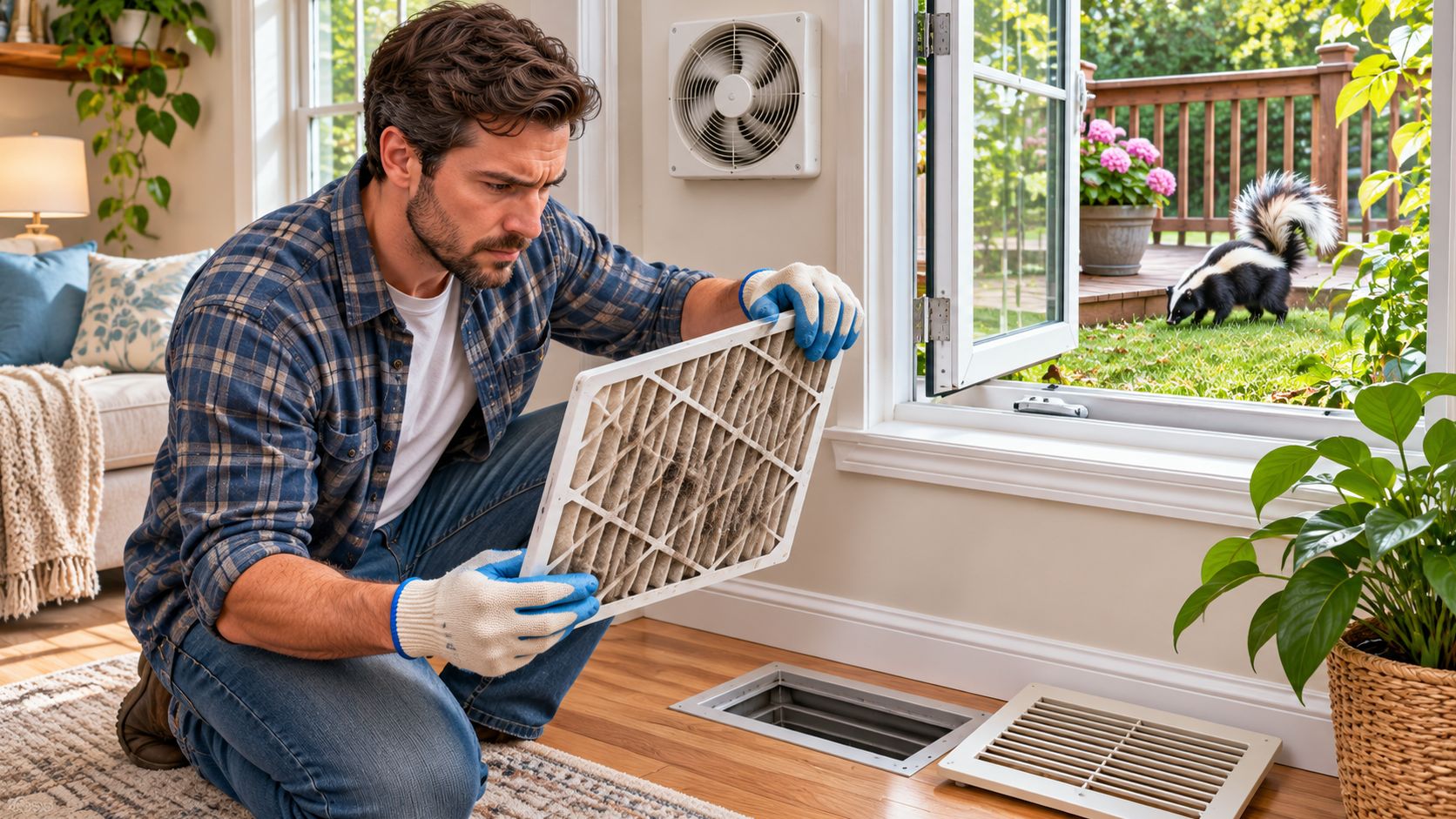
Some people say it smells like cucumbers. Others describe it as musky, sour, or a bit like a wet animal.
Either way, a strange odor drifting from a crawl space or shed deserves a second sniff.
When snakes feel threatened, many release a strong musk from glands near the tail. Garter snakes are famous for it.
In a closed space like a basement, garage, or under a deck, that scent can linger for days.
Now, the cucumber story is a bit of a myth when used as a sure test for copperheads. Plenty of things smell funny, and many people cannot pick up snake musk at all.
So treat odor as one clue among several, not proof on its own.
Pay attention if the smell shows up after you moved boxes or stirred up a woodpile. That kind of disturbance could have startled a resting snake.
Combine it with other signs, like shed skins or droppings, and you have a stronger case.
Good airflow and decluttering help a lot. Snakes love stuffy, crowded corners.
Open things up, add vent screens, and you will make the space far less attractive for a long winter nap.
7. Snake Droppings With White Tips
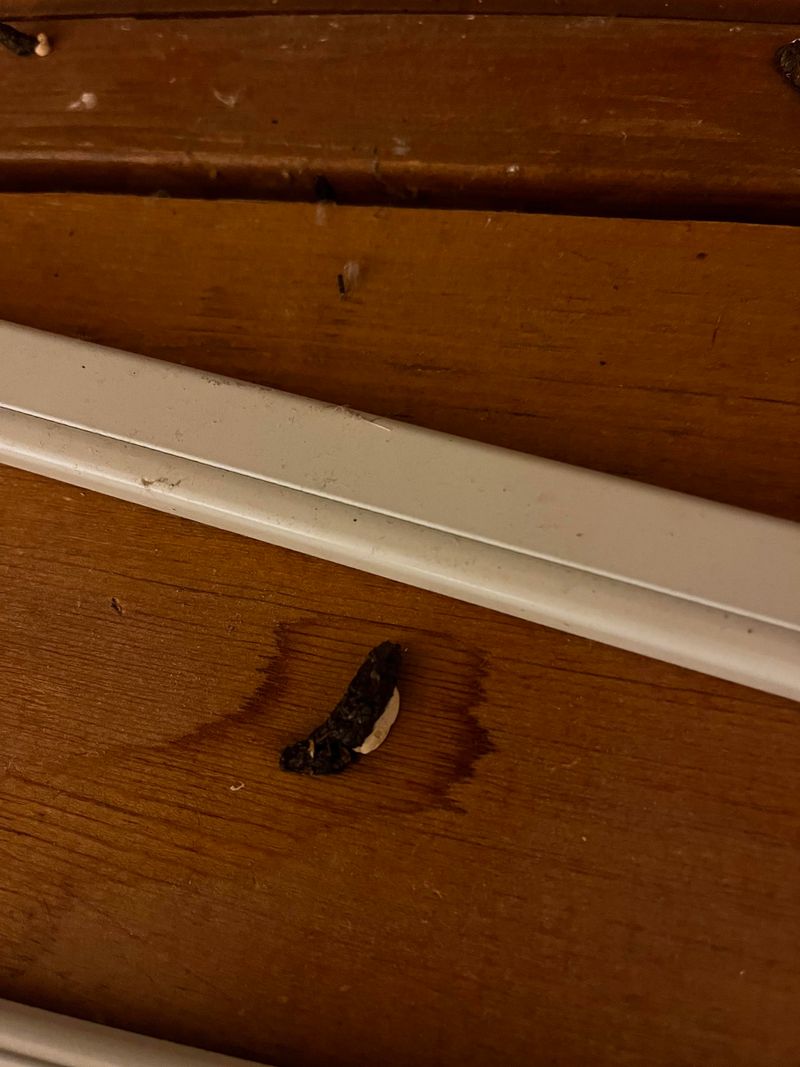
Nobody enjoys inspecting droppings, but this one is worth a quick look. Snake waste is easy to mistake for bird or lizard droppings, yet it has a few telltale features.
It is usually dark and tube-shaped with a white, chalky cap at one end. That white part is uric acid, which is how snakes get rid of waste without losing much water.
You might also spot bits of fur or tiny bones, since snakes swallow their food whole.
Size matters too. Snake droppings are often larger than you would expect, because snakes eat big meals and go less often.
A single pile can come from one large dinner digested over several days.
Common places to check include garage corners, attics, basements, and under porches. Finding droppings indoors is a stronger sign than finding them outside, since it means the snake has been comfortable enough to stay a while.
Always clean up with gloves and a mask, then disinfect the area. Snake waste can carry salmonella.
After cleaning, look nearby for an entry point, like a cracked vent or gap under a door, and seal it up so your guest does not come back.
8. Disturbed Woodpiles and Brush Heaps
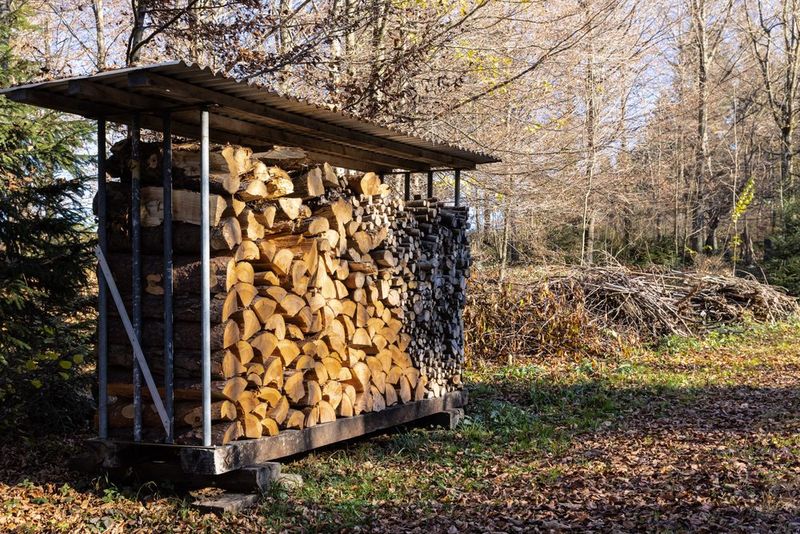
Ever reached for a log and noticed the whole stack looked a little shifted? Woodpiles are among the most popular winter hotels for snakes, and they rarely check out quietly.
A stack of firewood offers everything a cold-blooded animal could want. It has tight spaces, steady shelter from wind, and usually a few mice living inside.
Brush heaps, compost piles, and stacks of old lumber work the same way.
Watch for small gaps where pieces have been nudged apart, shed skins snagged on bark, or flattened debris near the bottom. You may also see a snake basking on top during a sunny winter afternoon, soaking up heat before slipping back inside.
The easy fix is location. Store firewood at least 20 feet from your house and raise it off the ground on a rack.
That way, any snake moving in stays far from your doors and foundation.
Wear thick gloves when grabbing wood, and lift logs toward you so the open side faces away. It sounds cautious, but it keeps your hands safe.
Old-timers have done it for generations, and it is still one of the smartest backyard habits around.
9. Gaps and Cracks Around the Foundation
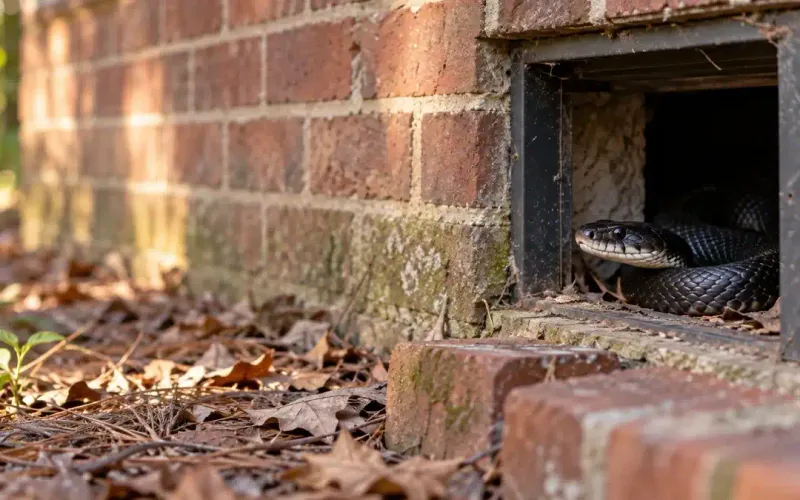
A snake can slip through an opening about the width of a pencil. That fact alone is enough to make most homeowners grab a flashlight and take a walk around the house.
Foundation cracks, loose vent covers, gaps around pipes, and spaces under siding are all open invitations. In fall, snakes feel warmth leaking from your home and follow it.
To them, a heated basement wall is a gift.
The sign here is not just the gap itself, but what surrounds it. Look for smudged dirt, rubbed spots, small scraps of shed skin, or cobwebs that have been brushed away.
Those marks suggest something has been squeezing in and out.
Fixing these openings is one of the best moves you can make. Use concrete patch or caulk for cracks, hardware cloth for vents, and expanding foam or steel wool for pipe gaps.
Door sweeps on garage and basement doors help too.
Try to finish sealing before temperatures drop hard. Once a snake is tucked inside a wall for winter, sealing the gap could trap it.
Late summer and early fall are ideal for this chore, right around when you bring in your potted plants.
10. Nervous Pets Fixated on One Spot
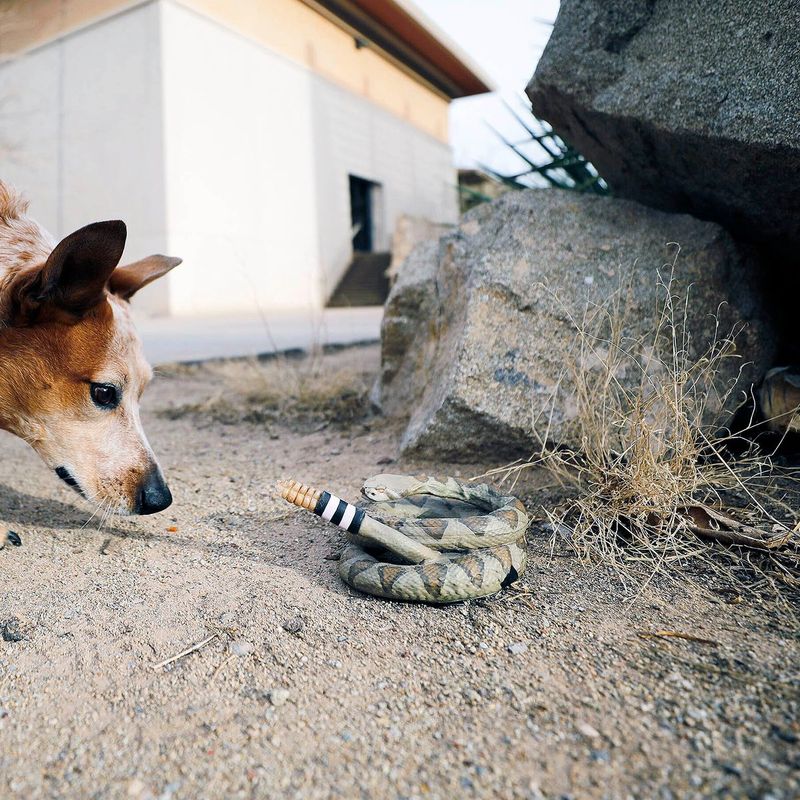
Your dog keeps circling the same corner of the deck, nose pressed to the boards, tail stiff. Your cat sits staring at the crawl space door for an hour.
Pets often know about a hidden visitor long before we do.
Dogs and cats have senses far sharper than ours. They can smell snake musk, hear faint rustling, and notice tiny movements.
When they fixate on one spot day after day, something is usually there.
Of course, it could be a chipmunk or a toad. Still, repeated interest in places like under steps, inside sheds, or beside rock walls lines up nicely with where snakes like to spend the cold season.
This sign matters for safety too. Curious pets sometimes poke at snakes and get bitten, and a venomous bite needs a vet right away.
Keep dogs leashed near suspicious areas and block access to crawl spaces.
One helpful idea is to note where and when your pet reacts. Patterns can point you toward the den.
Then you can call a wildlife professional, who can safely check the area and give you peace of mind without risking your furry family member.
11. Snakes Basking on Warm Winter Days
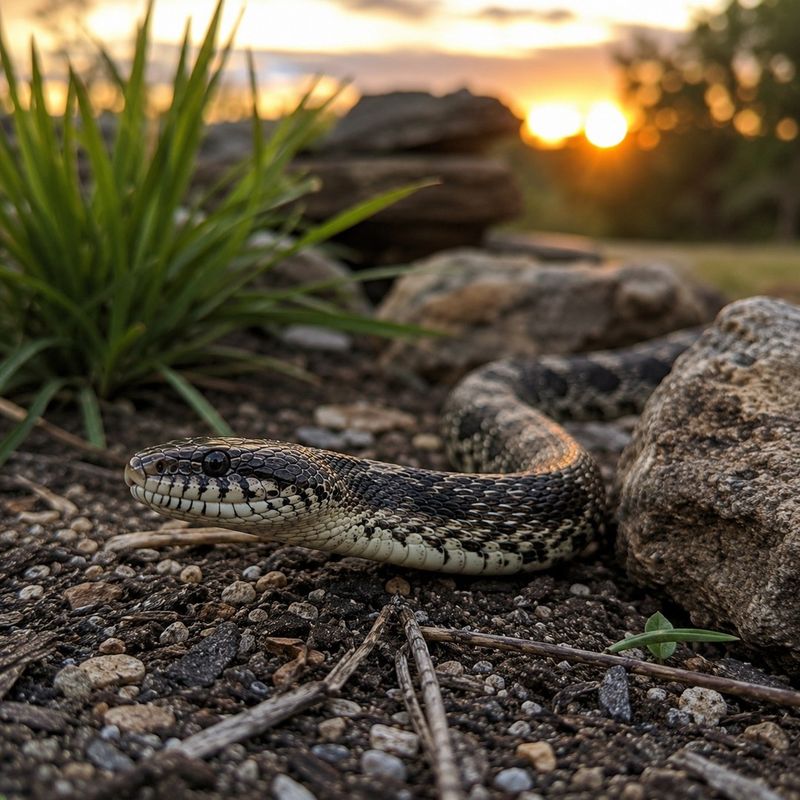
A warm January afternoon brings everyone outside, including some unexpected neighbors. Seeing a snake stretched across a sunny step in midwinter is the clearest sign of all that one is denning nearby.
Snakes do not truly hibernate. They enter a slower state called brumation, where their bodies cool down and they barely move.
On mild days, though, many will crawl out to soak up sunshine, then return to the den when temperatures fall.
Because they are sluggish, they rarely travel far from home. So a snake basking on a patio, rock wall, or driveway edge is probably sleeping just a few feet away.
That makes your sighting a strong hint about where its hiding place sits.
Give it space and let it be. A cold snake moves slowly and may not flee, which makes accidental bites more likely if you get close.
Take a photo from a distance to help with identification.
If the spot is near a doorway or play area, plan to block it off in spring after the snake leaves. Remove clutter, seal gaps, and trim plants back.
Next winter, your sunny step will belong to you again.