
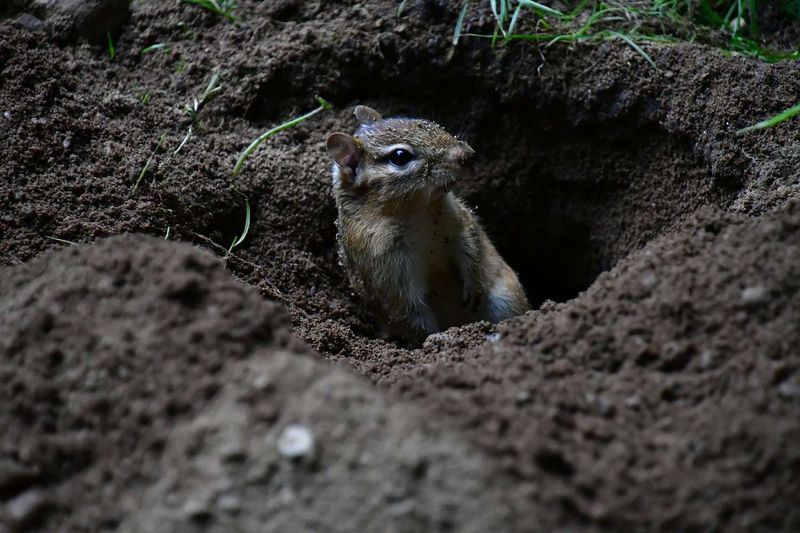
Those chipmunks under your porch are not a simple problem or a simple gift, and you should know what they are doing before you evict them. They eat some of your plants, they stash seeds, and they may still be tucked inside that burrow even when the yard looks empty.
Rushing to block the hole could trap an animal, while ignoring real damage could cost you bulbs and seedlings. A few facts will help you decide calmly.
A quiet winter burrow may still be occupied
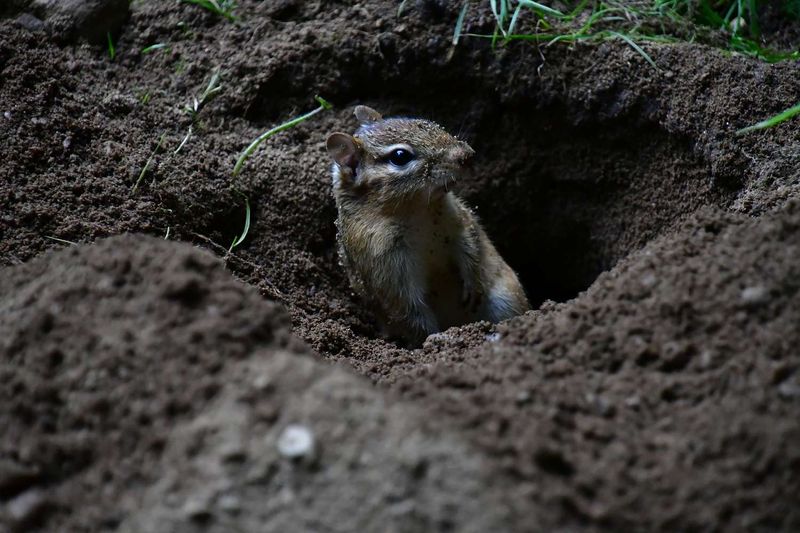
Silence at the porch edge does not mean the chipmunk left. Eastern chipmunks spend much of winter underground, living off food they stored earlier.
According to the Pennsylvania Game Commission, they do not sleep straight through the season.
Instead, they use torpor, a state where body temperature and activity drop, and they wake from time to time to eat from their stash. SUNY ESF notes that some will also come out and forage during winter thaws.
A mild afternoon can bring one briefly into the open.
That pattern describes eastern chipmunks mainly. The United States has several chipmunk species, as Purdue Extension points out, so seasonal habits are not identical everywhere.
A porch hole with no footprints for a week tells you very little. The animal may be in torpor a few feet away, waiting for its next meal break.
Their menu includes garden favorites
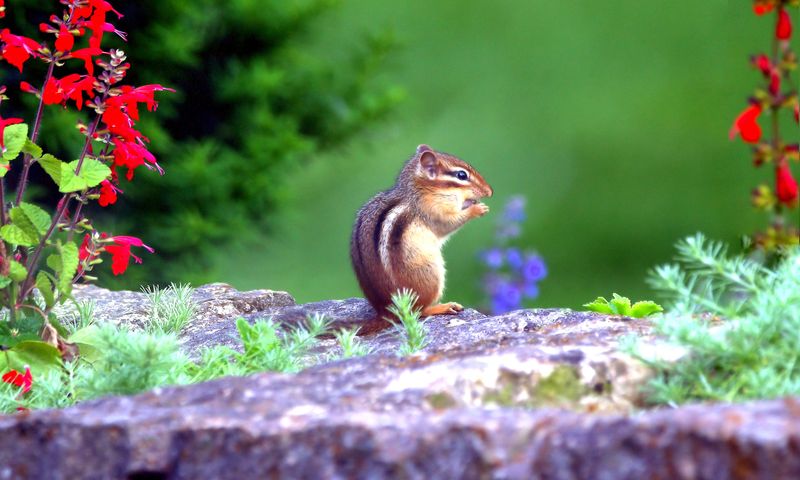
Ask a chipmunk what is for dinner and the answer is nearly everything. Eastern chipmunks eat nuts, seeds, berries and other fruit, fungi, and invertebrates, as Purdue Extension describes.
What ends up on the menu depends on what the neighborhood offers.
In a yard, that can mean birdseed, flower bulbs, planted seeds, seedlings, and bits of garden produce. Penn State Extension lists these among common complaints from homeowners.
Yes, chipmunks also eat insects and other small invertebrates. That does not make them a pest-control crew.
The same animal that snacks on a beetle may dig up the tulip bulbs you planted last fall.
Think of a chipmunk as an opportunist. If your garden holds easy calories, it may get sampled.
What seed caches can—and can’t—tell you
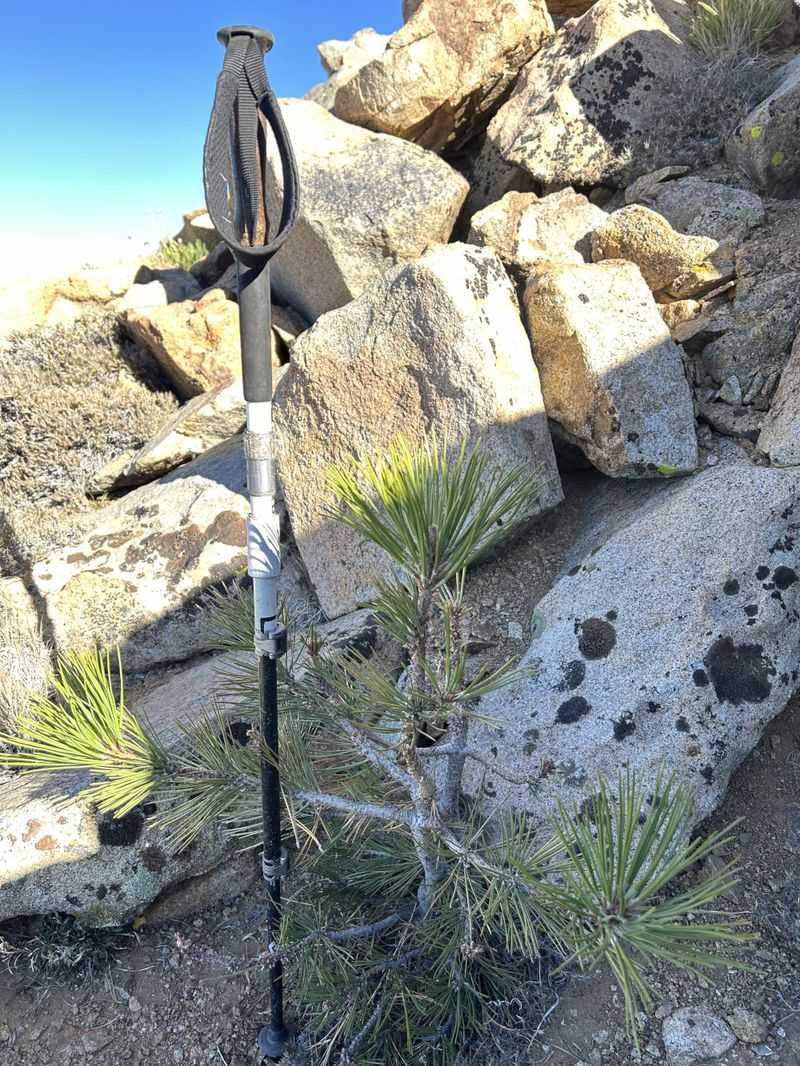
Chipmunks do hide food, and hidden food sometimes becomes plants. A peer-reviewed study in Oecologia by Vander Wall looked at yellow-pine and lodgepole chipmunks in Nevada.
They moved and cached Jeffrey pine seeds, and some of those caches survived to germination.
That is a real example of seed dispersal. It is also a very specific one, with particular chipmunk species, one kind of pine seed, and a mountain forest setting.
Nothing in that study shows that an eastern chipmunk under a porch will improve a home garden. A chipmunk that buries sunflower seeds in your flower bed is not the same as a forest chipmunk planting pines.
So the catch is useful to know but not a reason to welcome the animal. Seed caching is one fact on the scale, and the garden’s own damage is another.
Burrowing can cause damage, but it is not inevitable
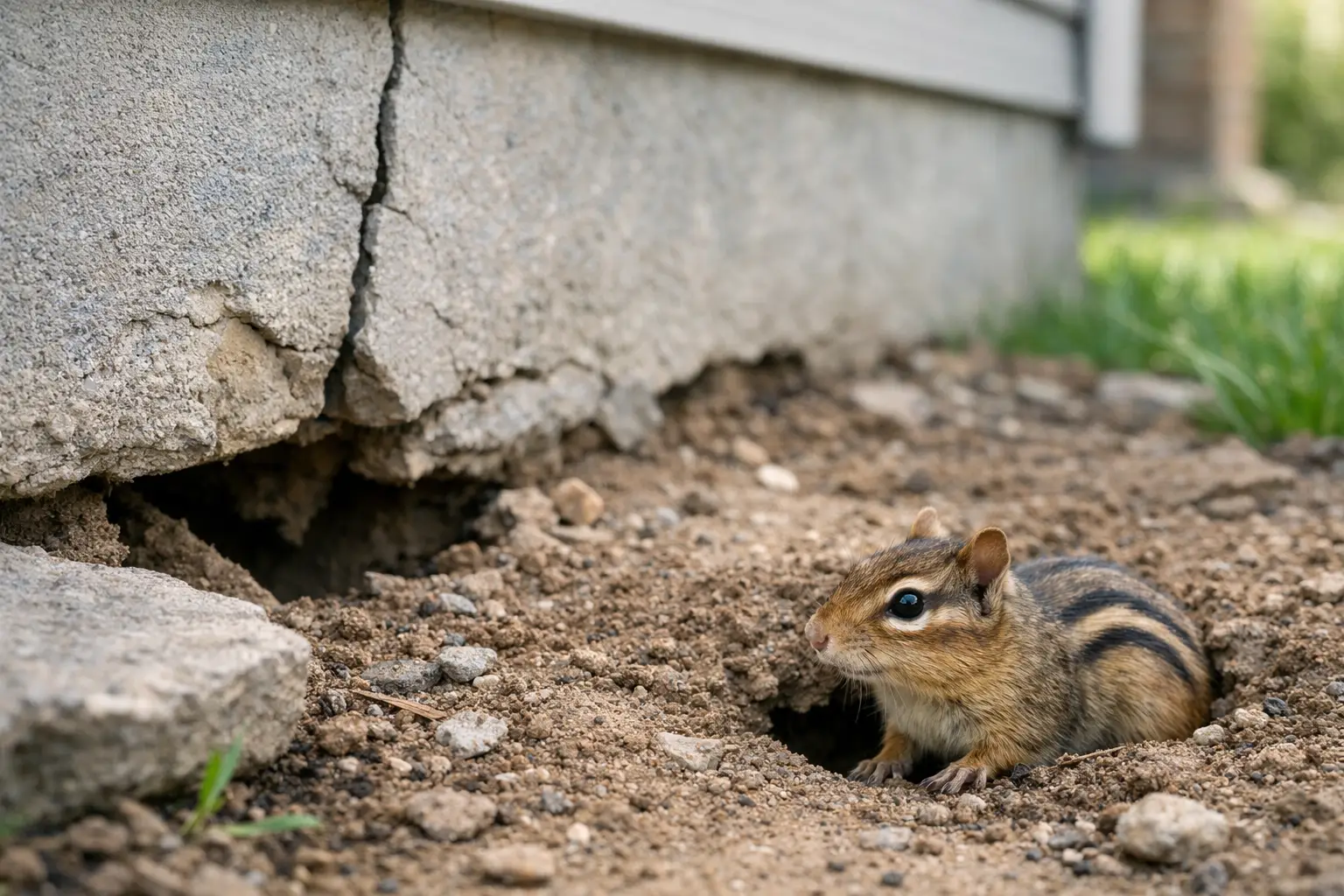
Chipmunk tunnels are small, and many cause no trouble at all. The University of Georgia wildlife damage guide, found at this wildlife damage resource, treats chipmunks as generally minor problems alone.
It also says burrowing can harm structures.
The risk shows up when a burrow undermines something or when activity is extensive. Patios, steps, retaining walls, and foundations are the places to watch.
Penn State Extension raises the same concerns.
A hole beside or under your porch is not proof that your porch is in danger. Look at the site.
Is soil slumping, are pavers shifting, or is a wall leaning?
If none of that is happening, a single burrow is simply a sign of a neighbor. If several entrances and sinking ground appear, the situation is different.
Look for evidence before deciding what to do
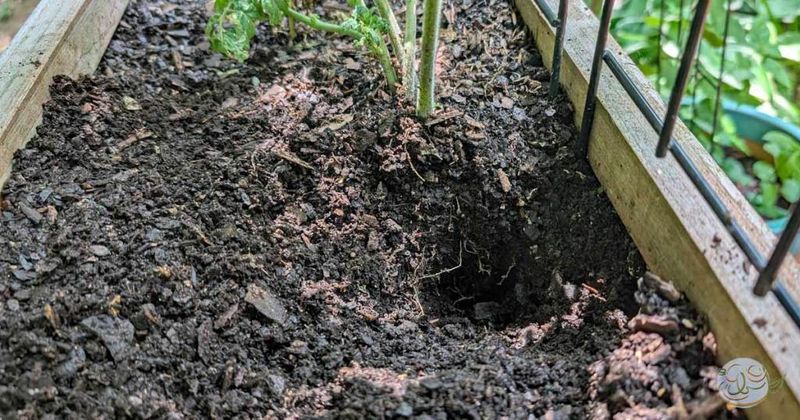
Walk the property with a notebook before you act. Evidence means things that actually went wrong.
Bulbs vanish from the same bed every fall, seeds you sowed disappear, or soil is sinking beside a step.
Compare that with a burrow hole and a glimpse of a striped animal. Those show presence only.
Penn State Extension ties management to the damage people see, such as lost seeds, bulbs, and seedlings.
For structures, check for settling, cracks, or loose soil near the burrow, the kind of undermining described in the Georgia wildlife damage guide.
Your response should match what you find. Plant losses call for plant protection.
Shifting masonry calls for a closer look, perhaps from a pro. A tidy burrow and healthy beds may call for nothing but watching.
Protect plants without trapping an animal
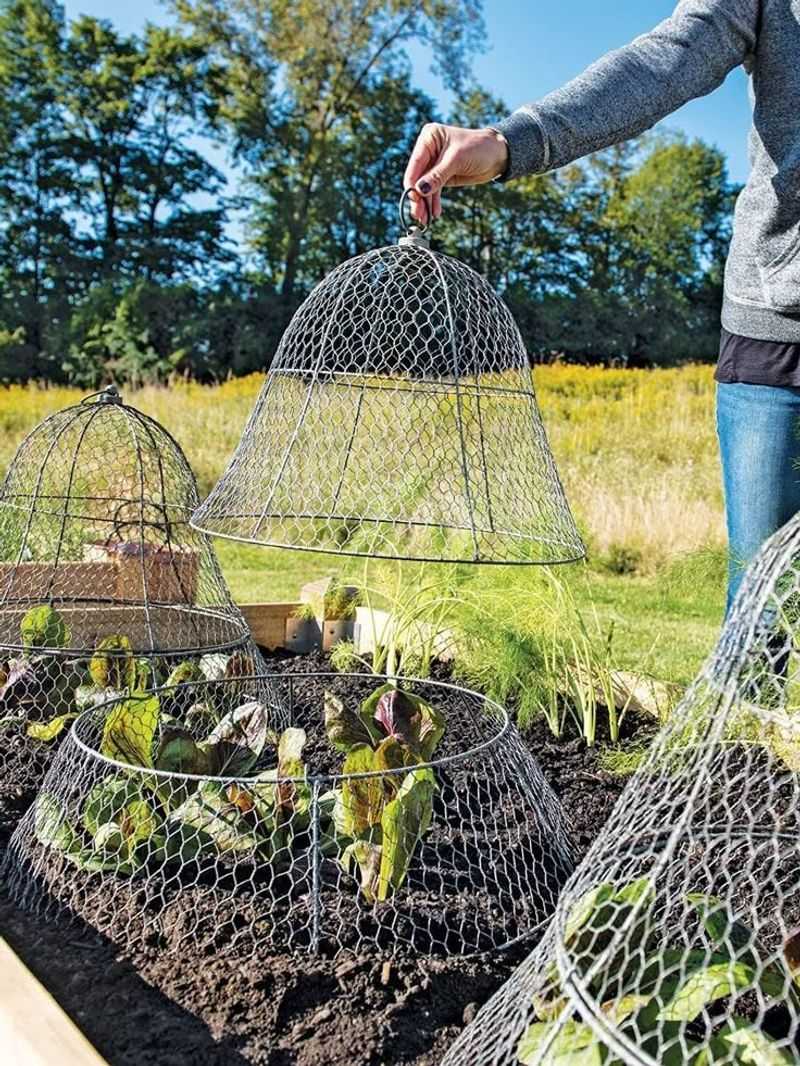
Start with the plants. Penn State Extension suggests covering vulnerable beds with quarter-inch hardware cloth.
It also recommends cleaning up spilled birdseed and placing feeders 15 to 30 feet from buildings.
Near the house, remove food and cover, such as pet food, brush, and dense groundcover. The Georgia guide also lists sealing building openings.
Do that only after you are sure nobody is inside, since the Wisconsin Humane Society warns animals can stay inactive for days or weeks in cold weather.
Repellents are a mixed bag. Wildlife damage specialists say results vary and repeat applications may be needed.
Do not handle or feed wild chipmunks. CDC guidance advises washing your hands after outdoor activity or contact with wildlife or their droppings.
Rules on trapping and relocation differ by place. In Pennsylvania, for example, chipmunks are a protected mammal, so check with your state or local wildlife agency first.
Let the evidence guide your next step
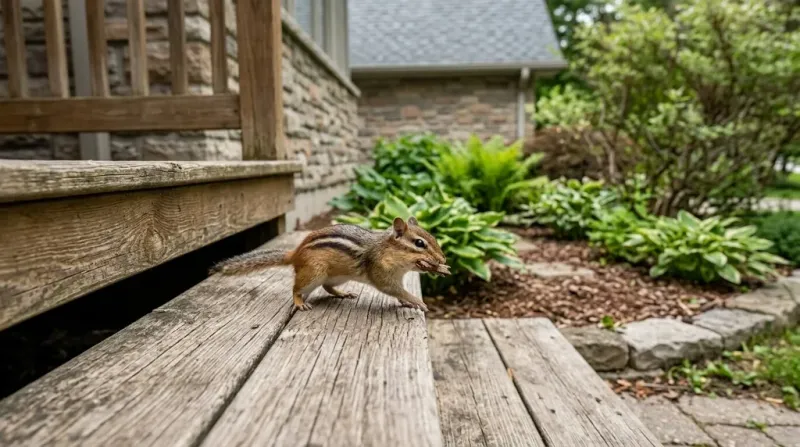
Chipmunks may carry some seeds around, and they also eat garden plants. Neither fact tells you whether the one beneath your porch belongs there.
Damage you can see is the better guide.
Protect the bulbs and seedlings that matter, and deal with real digging problems when you find them. Keep in mind what the Pennsylvania Game Commission and Penn State Extension describe, and do not close the opening until you are certain no animal is inside.
A silent burrow in January is often a pantry with a tenant. Patience costs little, and spring will show you exactly what kind of neighbor you have.