
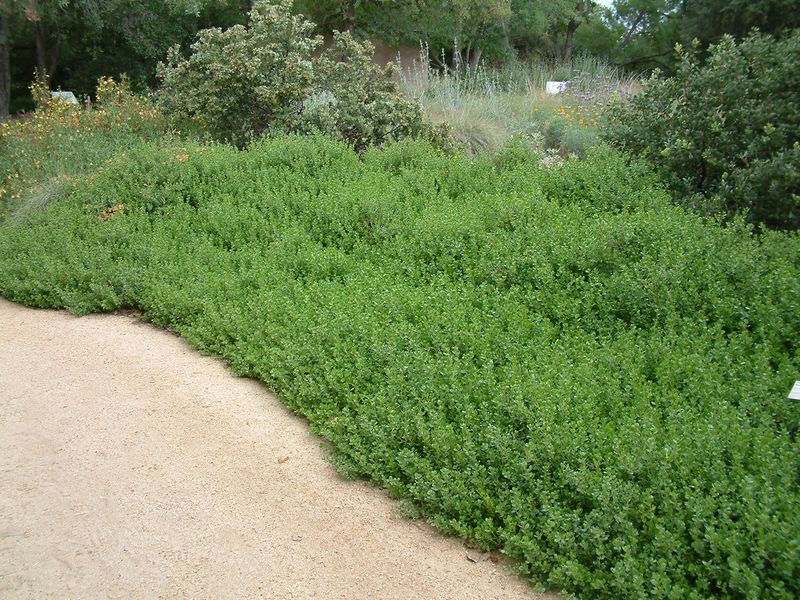
That steep, gravelly slope in your yard is not cursed. Water races right through it, nutrients are scarce, and most nursery plants wilt by July.
Yet a whole group of California natives evolved on exactly this kind of ground and actually sulk in rich, soggy garden beds. Plant the right ones, and your toughest hillside can become the prettiest, lowest-care spot on the property.
1. Manzanita (Arctostaphylos)
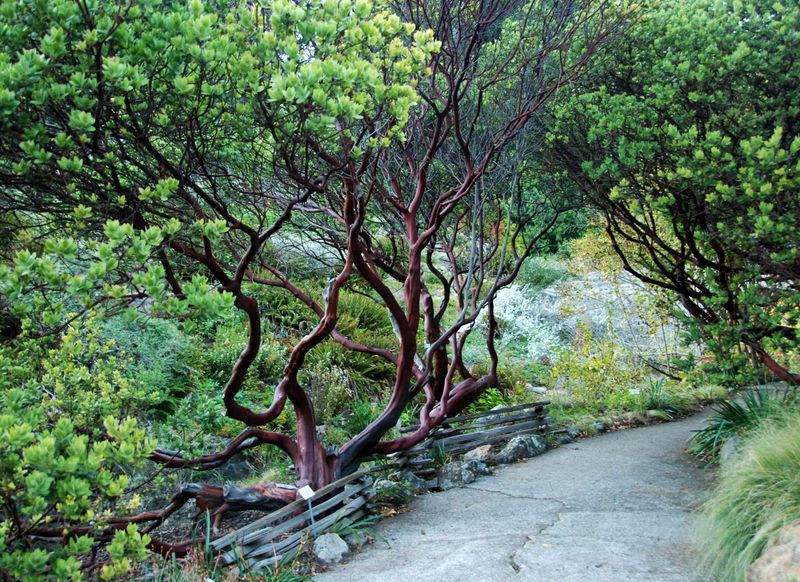
Run your hand along a manzanita branch and you will feel bark as smooth and cool as polished wood. That sculptural red trunk is the plant’s signature, and it looks best clinging to a rocky bank where nothing else will grow.
Manzanitas hate wet feet more than almost any shrub. In heavy clay with summer sprinklers, they often collapse from root rot, but in gravel and decomposed granite they thrive for decades.
Choices range from low carpets like ‘Emerald Carpet’ to tree-sized ‘Dr. Hurd’.
Plant in fall so winter rains can settle the roots. Water every couple of weeks the first summer, then mostly leave it alone.
Hummingbirds will thank you in late winter when the tiny pink bells open.
2. California Buckwheat (Eriogonum fasciculatum)
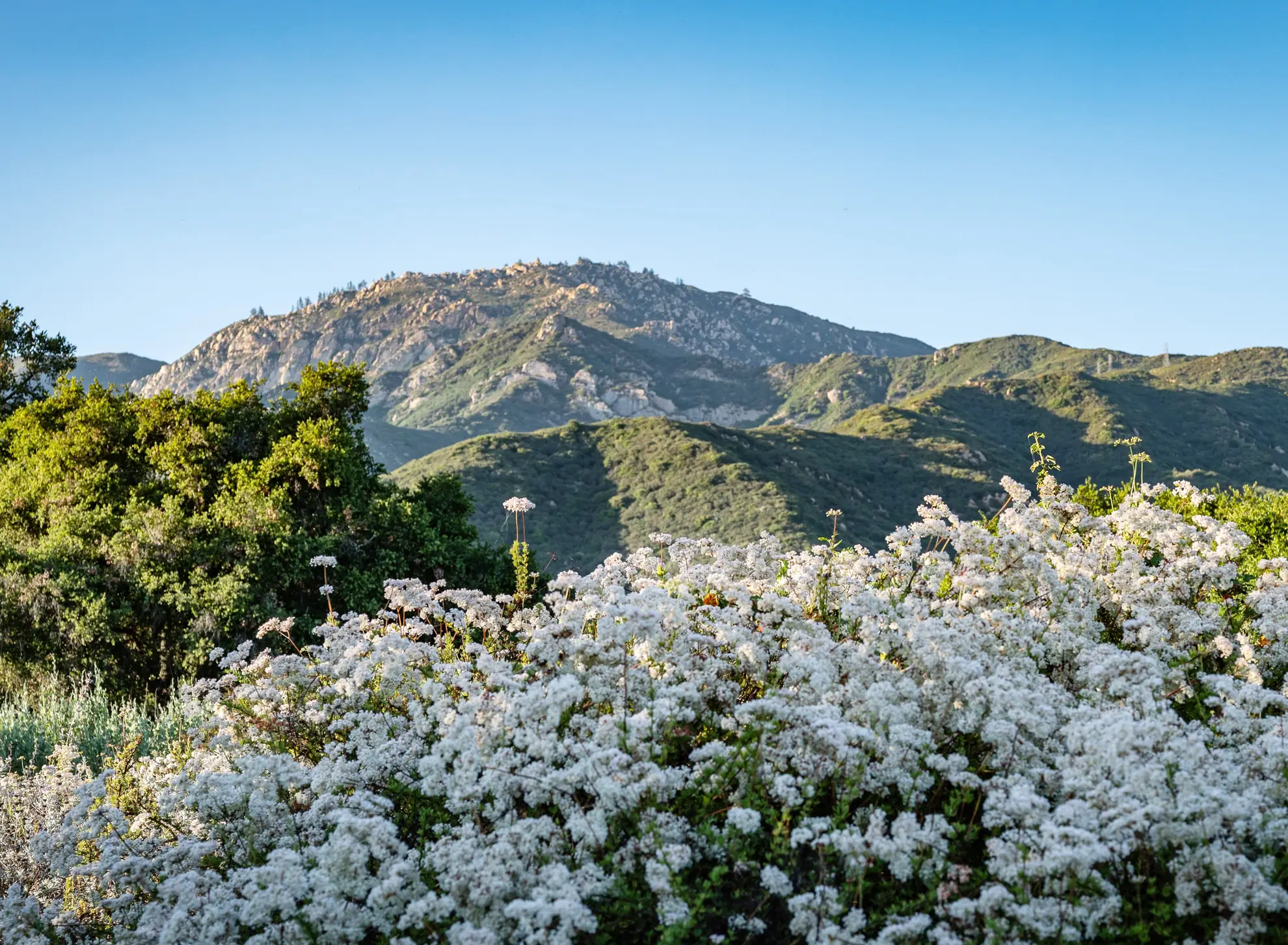
Ask any native bee expert to name one plant for a dry slope, and buckwheat usually tops the list. Its fluffy white flower heads hum with pollinators from late spring into fall.
The flowers age to a warm cinnamon brown that many gardeners love as much as the blooms. Leaves are tiny and needle-like, built to lose very little water.
Give it full sun, lean soil, and no fertilizer at all. A light trim after the flowers brown keeps it tidy, and established plants need little to no summer water.
3. Cleveland Sage (Salvia clevelandii)
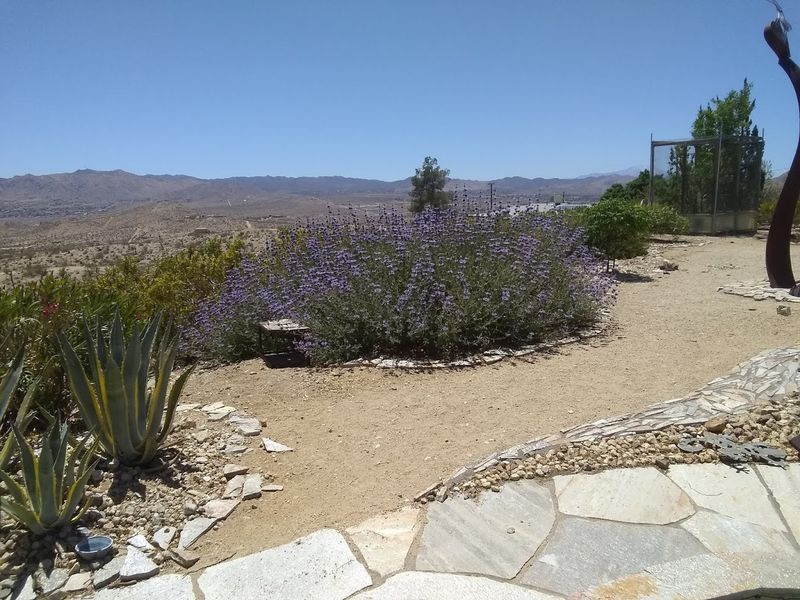
Brush past this plant on a hot afternoon, and the air fills with a scent somewhere between pine, citrus, and summer camp. Many people say Cleveland sage is the best-smelling plant in California.
Native to rocky chaparral near the Mexico border, it expects gritty, sharply drained ground. Rich soil and frequent watering make it floppy and short-lived.
Stacked purple flower balls appear in late spring and draw hummingbirds and butterflies. ‘Winnifred Gilman’ and ‘Allen Chickering’ are popular, reliable cultivars.
4. California Fuchsia (Epilobium canum)
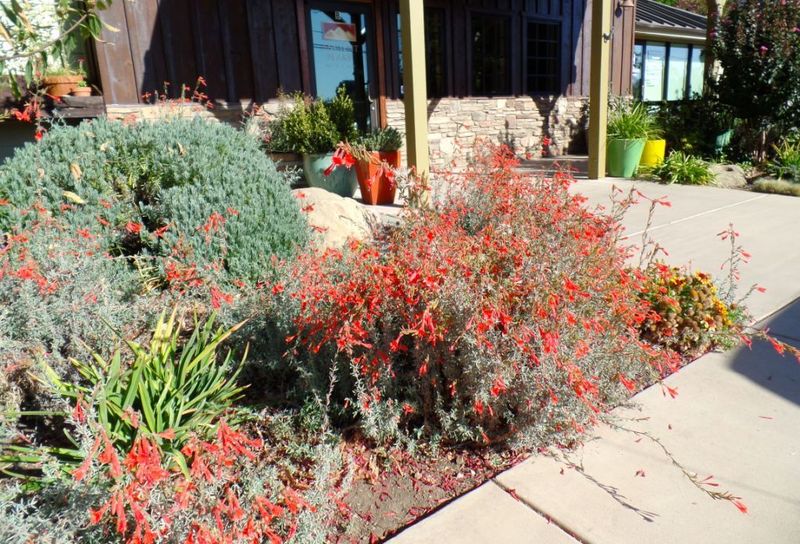
Late August is when most California yards look tired. Then California fuchsia lights up like a string of red flares, just as hummingbirds are migrating through.
In the wild, it tucks itself into cracks in cliffs and rocky roadcuts. That tells you exactly what it wants: sharp drainage, full sun, and room to spread through gravel.
It can wander a bit by underground runners, which is actually handy for knitting a slope together. Cut it to the ground in winter, and fresh growth returns with spring.
5. Ceanothus (California Lilac)
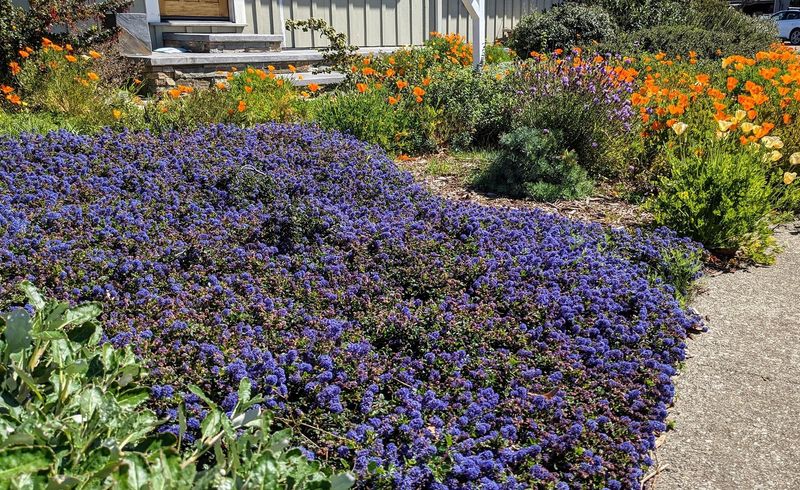
Spring on a ceanothus slope can stop traffic. Clouds of blue flowers, from powder pale to deep cobalt, cover the plant so thickly the leaves vanish.
Here is a fun fact: ceanothus roots host bacteria that pull nitrogen from the air. That lets them feed themselves in poor, rocky soil where other shrubs starve.
Low, spreading forms like ‘Yankee Point’ are excellent for erosion control. Skip summer watering once established, because irrigation in warm soil is the top killer of ceanothus.
6. Dudleya
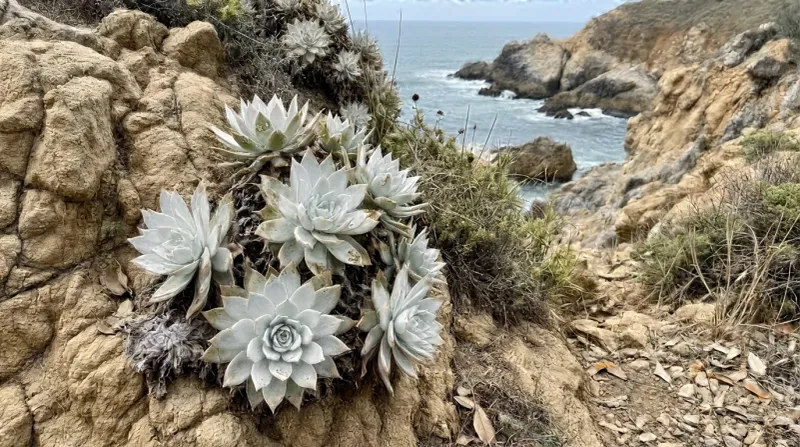
Picture a chalk-white rosette perched sideways on a cliff above the Pacific. Dudleyas are California’s own native succulents, and they truly grow out of rock.
Planting them at an angle matters. Water sitting in the center of the rosette can rot them, so tuck them into slopes, crevices, or between stones where rain drains away fast.
The powdery coating on the leaves reflects sunlight, so avoid touching it. Give them winter rain and summer dryness, just like their native bluffs.
7. Deer Grass (Muhlenbergia rigens)
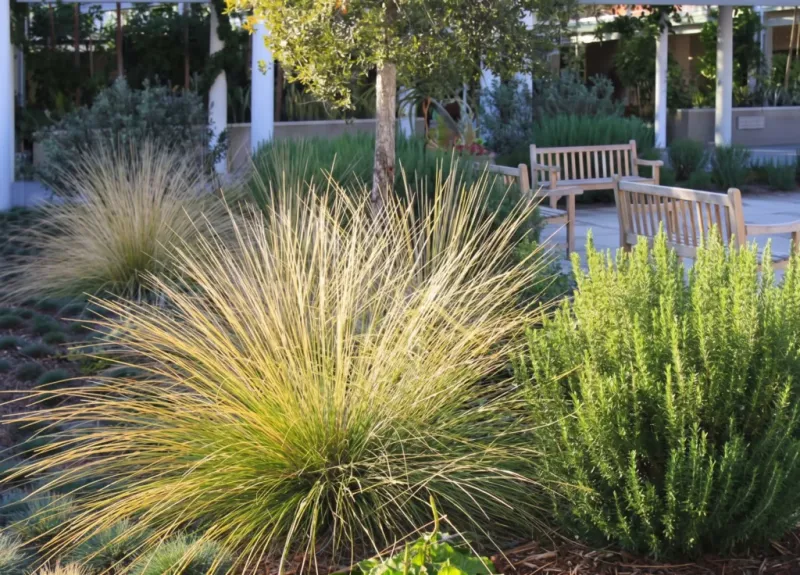
Native basket weavers in California prized deer grass flower stalks for centuries. Today, landscapers prize the plant for something else: a fountain-shaped clump that holds soil like a net.
Its deep, fibrous roots grip slopes tightly. Planted in staggered rows across a hillside, the clumps slow runoff during heavy winter storms.
It handles more water than most plants on this list but still copes with rocky, fast-drying soil. Cut it back hard every few years to refresh the look.
8. Woolly Blue Curls (Trichostema lanatum)
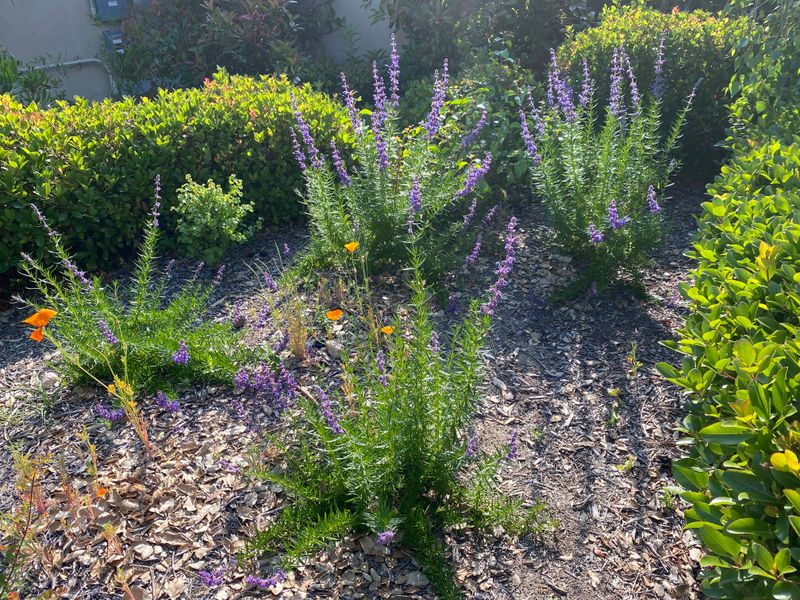
Some plants are easy. Woolly blue curls is not, and that is exactly why it belongs here.
Put it in garden soil with a sprinkler and it usually dies within a year. Put it on a steep, sunny bank of decomposed granite with zero summer water, and it becomes a fragrant, fuzzy purple show for months.
Hummingbirds adore the curled flowers. If your hillside has defeated everything else, this diva may finally be happy there.
9. Bush Monkeyflower (Diplacus aurantiacus)
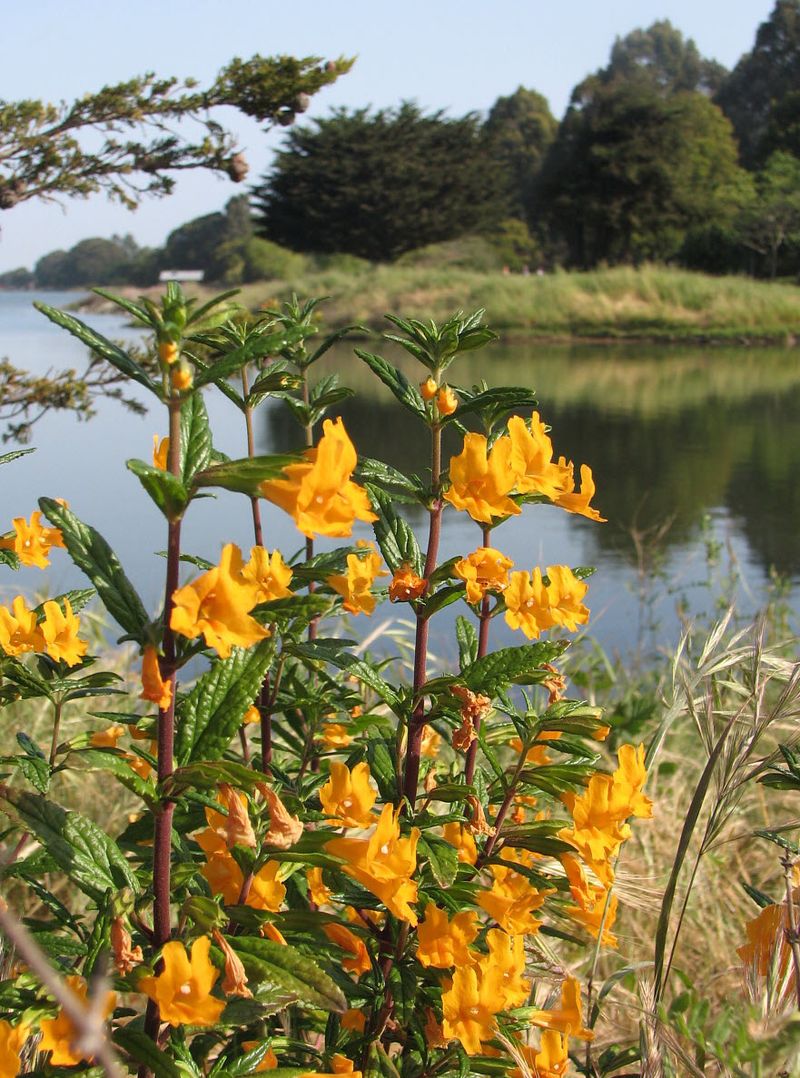
Drive any canyon road in spring and you may spot sunny orange flowers sprouting straight from bare rock cuts. That cheerful survivor is bush monkeyflower.
Sticky, glossy leaves help it hold moisture. In summer drought it may drop some foliage and nap, then green up with fall rain.
Hybrids come in red, yellow, cream, and apricot. Pinch tips after the first bloom for a bushier plant and a second flush.
10. Coyote Brush (Baccharis pilularis)
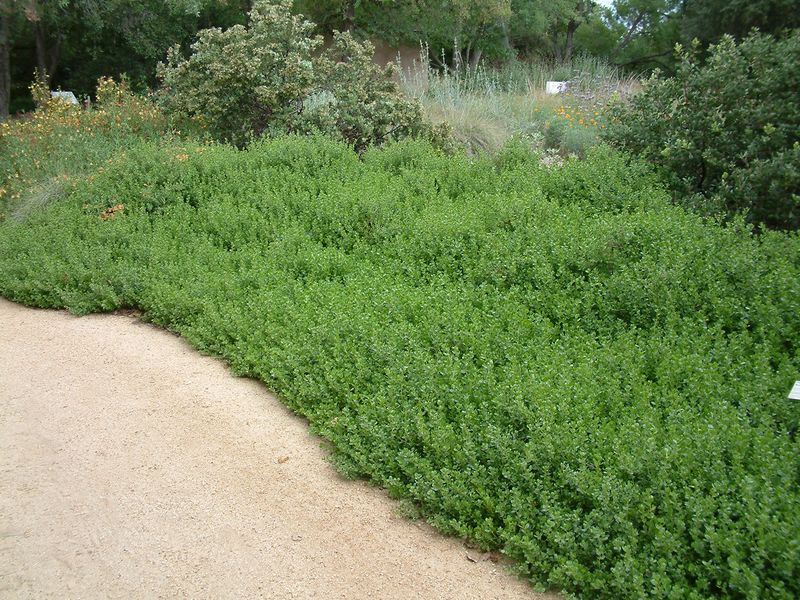
Not glamorous, coyote brush is the steady workhorse every tough slope needs. Low forms like ‘Pigeon Point’ spread into a dense green mat several feet wide.
It shrugs off wind, poor soil, sun, and drought, and roots hold banks firmly. That makes it a smart first layer before adding showier natives around it.
Choose male selections if you want to skip the fluffy seed. Shear it every few years to keep it fresh and low.
Start with one or two plants from this list, plant in fall, and let that difficult hillside finally work with you instead of against you.