

Once the snow falls, voles and moles get a cozy, hidden highway right under your lawn. By spring, you may find chewed shrub roots, dead grass trails, and lumpy tunnels everywhere.
The good news is that both critters rely heavily on their noses, and certain smells make them want to move next door. Here are nine scents you can use this fall to protect your yard before winter hides the damage.
1. Castor Oil
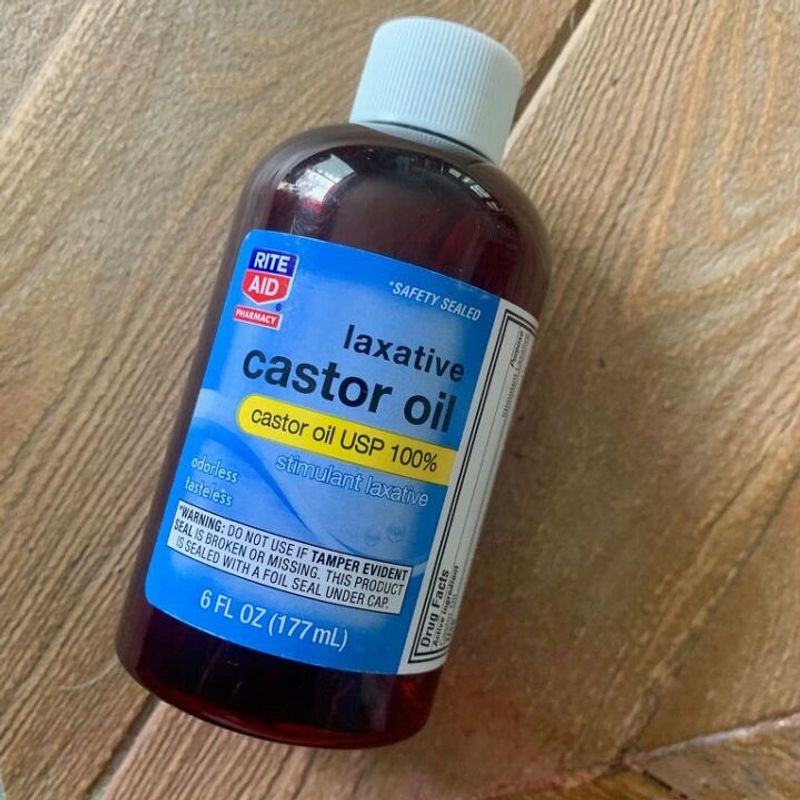
Ask any old-time gardener about moles, and castor oil usually comes up within the first minute. It has been the go-to tunnel buster for generations, and for good reason.
Castor oil does not poison anything. Instead, it coats the soil and the earthworms and grubs that moles eat, giving everything a bitter, oily taste and smell.
Voles dislike it too, since it fouls the roots and bulbs they love to nibble. Faced with a buffet that suddenly tastes awful, these diggers simply pack up and look elsewhere.
To use it, mix about 3 tablespoons of castor oil with 1 tablespoon of dish soap, then add that to a gallon of water. Spray it over active tunnels and the edges of your garden beds, then water it in so it sinks a few inches deep.
Granular castor oil products are even easier, since you just spread them like fertilizer.
Timing matters most. Apply it in mid to late fall while the ground is still soft, and repeat after heavy rain.
A treated lawn heading into winter is far less inviting than one that smells like dinner under a snowy blanket.
2. Peppermint Oil

Your kitchen might smell fresh and minty, but to a vole, peppermint is like walking into a wall of cologne. Their sensitive noses simply cannot handle that strong menthol punch.
Peppermint oil works best as a targeted tool. Soak cotton balls in pure oil and tuck them right into the entrance holes of active burrows, especially around the roots of shrubs and young fruit trees.
You can also mix 15 to 20 drops into a cup of water with a little dish soap and spray it along bed edges and foundation lines.
The catch? The scent fades fast outdoors.
Plan to refresh cotton balls every week or so, and always after rain. Many gardeners pair this trick with growing actual peppermint in containers near problem spots.
Keeping it in pots is smart, since mint planted in the ground will happily take over your entire bed.
Fun fact: peppermint is a natural hybrid of watermint and spearmint, and its high menthol content is exactly what makes small mammals turn tail. It is a pleasant smell for you and a rude one for them, which makes it a cheerful choice near patios and walkways.
3. Garlic
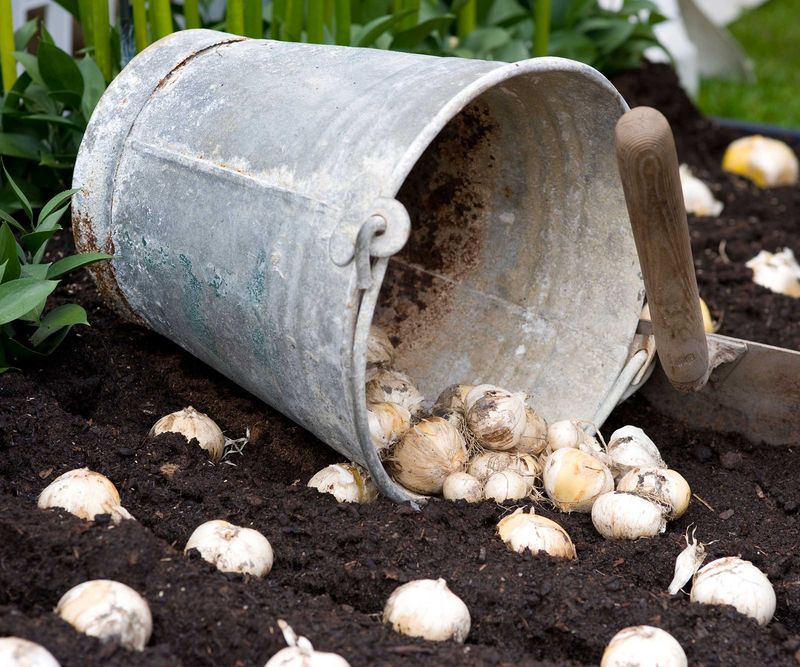
Garlic has been scaring off unwanted guests in folklore for centuries, and it turns out moles and voles take the hint just as seriously as vampires do.
The sulfur compounds that give garlic its bite are overwhelming underground. When you crush cloves, the smell releases strongly, so chopping a few bulbs and pushing the pieces into tunnel openings can make a burrow feel unlivable.
Garlic sprays made from steeped cloves and water also work well along garden borders.
Here is the bonus. Fall is the perfect time to plant garlic anyway.
Tuck cloves in a ring around tulip beds or along vegetable garden edges in October, and they will quietly guard the area all winter while growing into next summer’s harvest. That is pest control that pays you back.
Some gardeners also scatter garlic granules sold for repelling moles. They last longer than fresh cloves and spread easily before snow arrives.
Whichever route you take, focus on the areas where you see fresh mounds or runways, since targeted coverage beats sprinkling a little everywhere. Your yard might smell like an Italian kitchen for a few days, but the trade-off is well worth it.
4. Cayenne Pepper
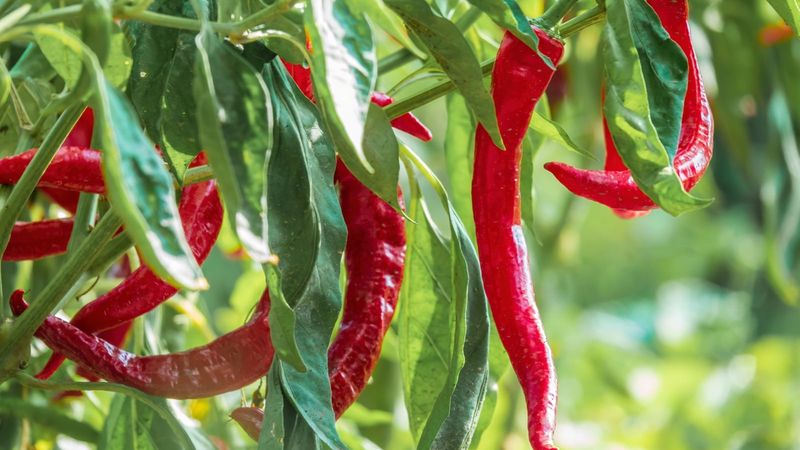
Picture biting into the hottest chili you have ever tasted. That fiery shock is close to what a vole experiences when it digs into soil dusted with cayenne pepper.
Capsaicin, the compound behind the heat, irritates the nose, eyes, and mouth of small rodents. Voles are notorious for chewing bark at the base of young trees during winter, often hidden beneath snow where you cannot see the damage.
A ring of cayenne around trunks and shrubs sends a clear message to keep away.
Sprinkle the powder directly into tunnel openings or mix 2 tablespoons with a gallon of water and a squirt of soap for a spray. Pull mulch a few inches back from tree trunks first, since voles love hiding in thick mulch right against bark.
A few cautions keep things safe. Wear gloves and avoid windy days, because cayenne in your own eyes is no fun at all.
Reapply after rain, as water washes it away quickly. Also keep curious pets in mind, since dogs digging in treated spots may get a spicy surprise.
Used wisely, this pantry staple is one of the cheapest defenses you can find.
5. Daffodil Bulbs

Tulips are basically candy to voles. Daffodils, on the other hand, are the bully on the playground that nobody wants to mess with.
Daffodil bulbs contain a toxic compound called lycorine, plus a sharp, unpleasant odor that rodents learn to avoid. Voles will tunnel right past them without a single nibble.
That makes daffodils a living fence you plant once and enjoy for years.
The clever trick is to plant daffodils around and between your more tempting bulbs like tulips and crocuses. Some gardeners even mix a handful of daffodils into every tulip planting hole.
The smell and taste help discourage voles from feasting on the whole bed while the ground freezes over.
Fall is the only time to plant these, so this strategy fits right into your autumn chores. Aim for bulbs set about 6 inches deep, pointy side up, before the ground hardens.
Come spring, you get cheerful yellow blooms along with an untouched tulip display.
Did you know? Deer, squirrels, and rabbits also leave daffodils alone, so they are one of the most pest-proof flowers you can grow anywhere across the country.
6. Predator Urine
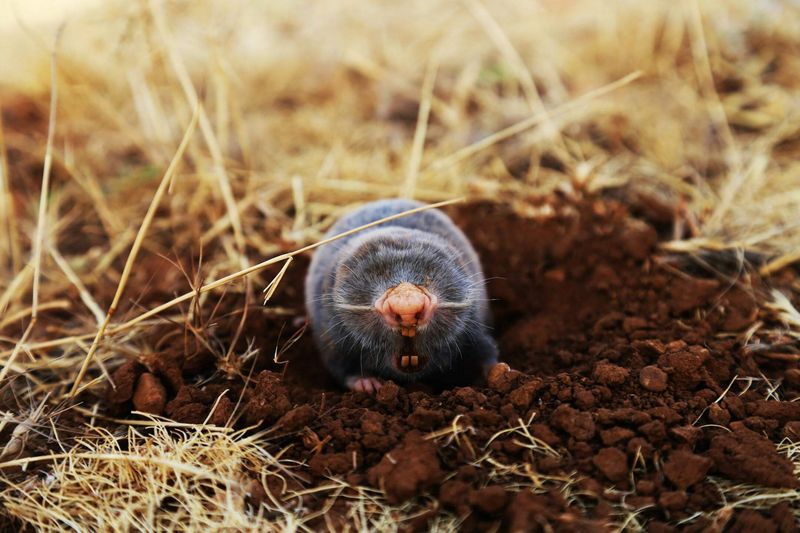
Nature has a built-in alarm system, and you can borrow it. When a vole smells fox or coyote nearby, its instincts scream danger long before it ever sees a predator.
Predator urine products, usually fox or coyote, are sold in liquid and granular forms at garden centers. A few drops near tunnel entrances or along garden edges create the illusion that a hunter is patrolling your yard.
Small rodents tend to relocate rather than gamble with their lives.
It sounds odd, and admittedly the smell is not lovely up close. Still, many homeowners swear by it, especially for voles in flower beds and along fence lines.
Granules last longer than liquids and are easier to spread right before the first snow.
For best results, rotate this with another repellent every few weeks. Rodents are smart, and if a predator smell never comes with an actual predator, they may eventually call your bluff.
Switching scents keeps them guessing.
One more perk is that owls, hawks, and foxes really do hunt voles. If you have a neighborhood cat or visiting wildlife, the scent simply adds to the real pressure already on these little diggers.
7. Used Coffee Grounds
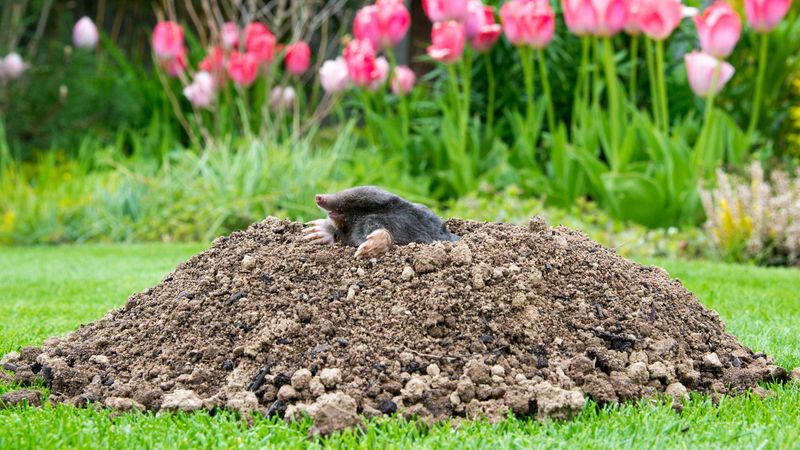
Morning coffee can do double duty. Instead of tossing those grounds in the trash, spread them where moles and voles are causing trouble.
Coffee has a strong, bitter aroma that lingers in soil. Many gardeners find that working used grounds into tunnel areas helps push moles to find quieter, less smelly hunting spots.
It is not the strongest option on this list, but it is free and easy to collect every single day.
Simply sprinkle grounds over active runways and gently rake them in, or drop a scoop straight into open burrow holes. Around vegetable beds and borders, a thin layer adds organic matter as it breaks down.
Your soil gets a small boost while the critters get an unwelcome wake-up call.
Keep layers thin, though. Thick mats of coffee can crust over and block water from reaching plant roots.
A light scattering every week or two is plenty.
Many coffee shops will happily give away bags of used grounds if you ask. Collect a few through October and November, and you will have a steady supply right up until snow covers the ground for the season.
8. Crown Imperial Fritillaria
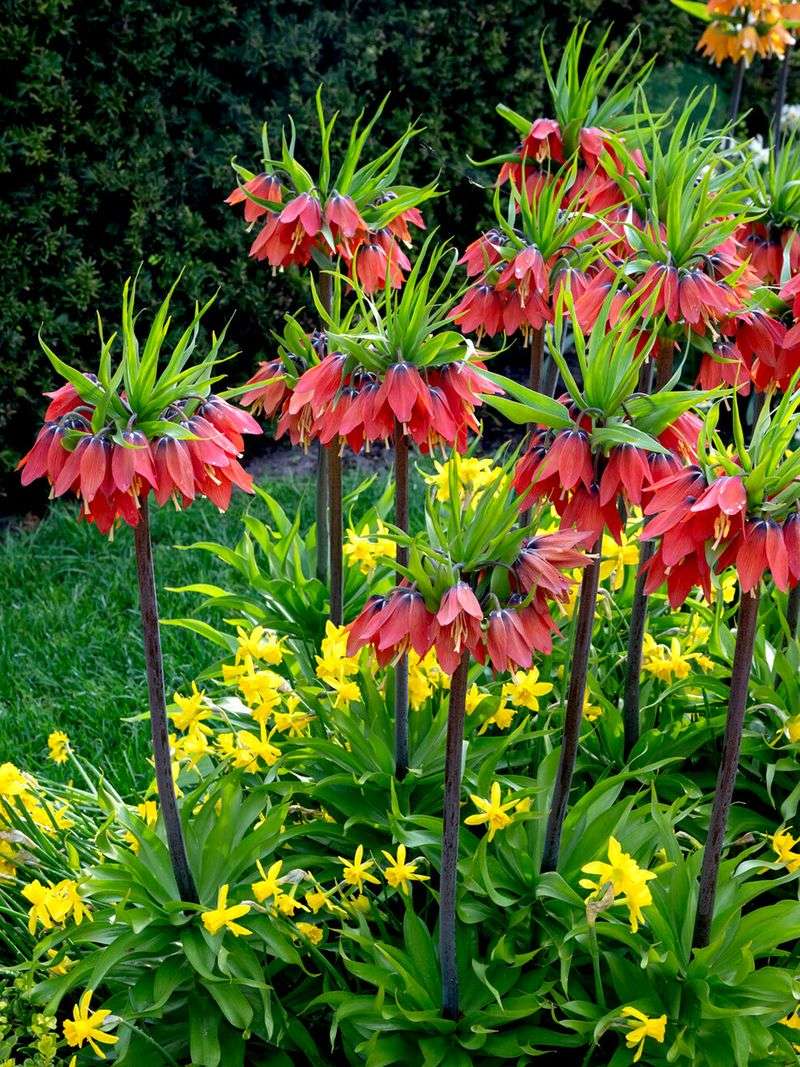
Few flowers come with a reputation quite like the crown imperial. Gardeners have called it the skunk lily for years, thanks to a musky odor that radiates from both the bulb and the plant.
Moles and voles find that scent deeply offensive. Planting crown imperials in fall along bed borders or near spots with frequent tunneling can help steer diggers away from your prized plantings.
The bulbs themselves are also toxic, so rodents rarely risk a bite.
Beyond being a deterrent, these plants are stunning. In spring, tall stalks rise up to 3 feet and burst into dangling bells of orange, red, or yellow topped with a leafy crown.
They make a bold statement that most neighbors will stop and ask about.
Plant the large bulbs on their sides about 8 inches deep in well-drained soil. That sideways angle keeps water from collecting in the hollow center and rotting the bulb over winter.
Here is a bit of history worth sharing. Crown imperials were treasured in European royal gardens back in the 1500s, and their odd smell was considered just part of their dramatic charm.
9. Fish Emulsion
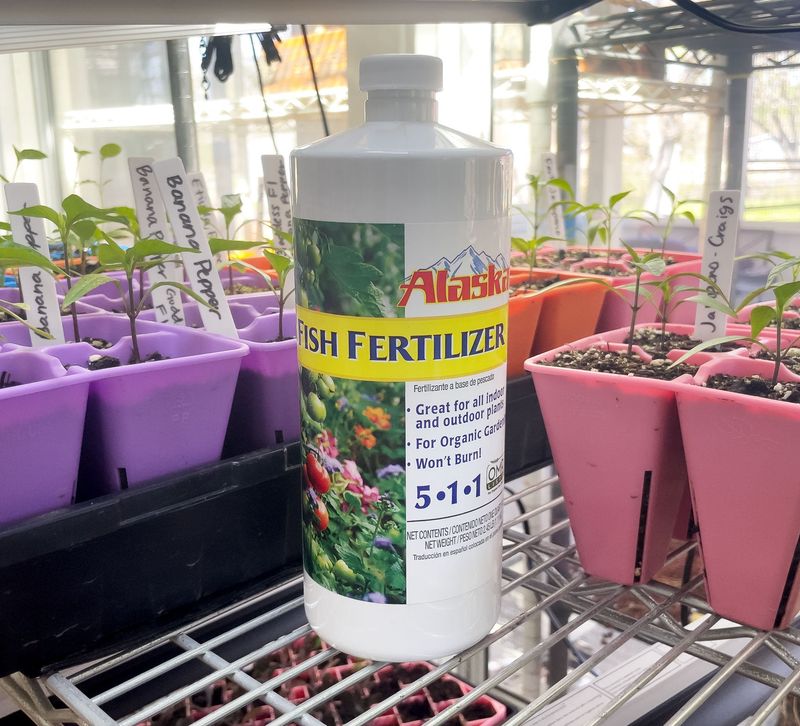
If you have ever opened a bottle of fish emulsion, you already know why it made this list. The smell can clear a room, and it can clear a tunnel system too.
Fish emulsion is a liquid fertilizer made from fish byproducts. Its powerful, rotten ocean odor drifts deep into soil and makes burrows unpleasant for moles and voles.
At the same time, it feeds your plants with nitrogen, which is a helpful two-for-one.
Mix it according to the label, usually a few tablespoons per gallon of water, then soak the soil around active tunnels and the roots of vulnerable shrubs. A late fall application helps perennials store energy while making the beds less appealing just before winter sets in.
Be honest with yourself about neighbors and pets. The smell fades within a day or two for people, but dogs and raccoons may get curious and dig.
Watering it in well reduces that problem.
Pairing fish emulsion with castor oil or garlic makes a strong combination. When every corner of your yard smells unwelcoming, voles and moles will pick a quieter place to spend the cold months under the snow.