
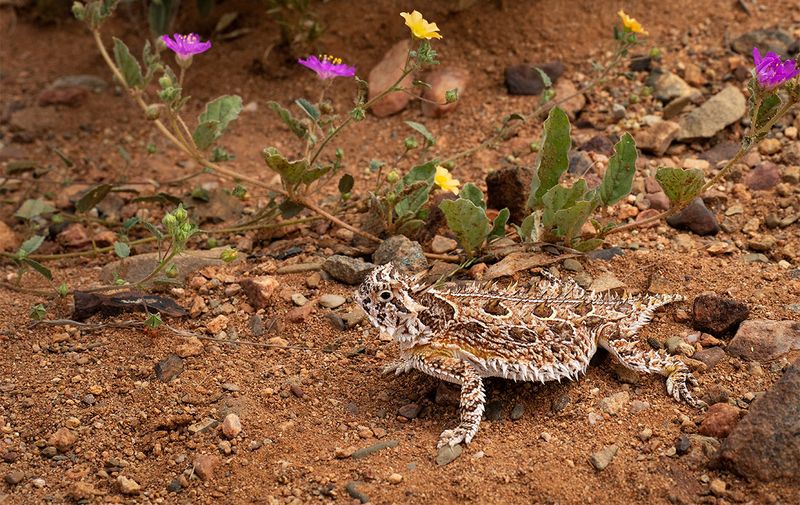
Texas horned lizards, the spiky little “horny toads” many of us remember from childhood, are showing up again in some places, and what a yard offers can matter. Open ground, a little cover and a steady supply of ants all play a part in whether one sticks around.
Sightings are still local and rare, so no yard can promise a visit. Here is what recent reports show and which yard habits can make a property less hostile to these lizards.
Recent sightings offer hope, not proof of a comeback
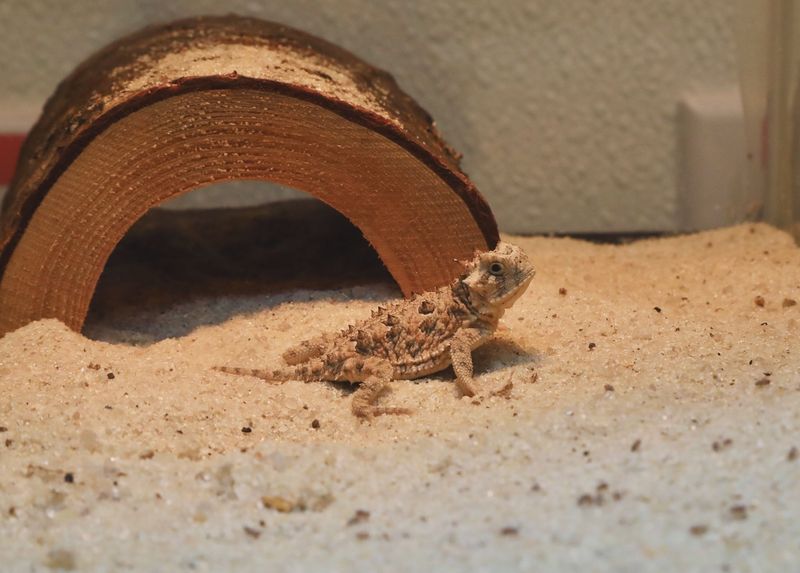
Texas horned lizards have turned up in recent years at reintroduction sites and in a few reported sightings. That is real news for a species many Texans thought they would never see again outside of old stories.
One report from the San Antonio area got extra attention. A Texas Christian University researcher said in an August 2026 discussion of the latest sightings that the lizard might point to reproduction by released animals.
She also said that possibility needs further investigation, so nobody should treat it as confirmed.
The releases come from efforts like the San Antonio Zoo reintroduction project, where the long-term goal is a population that sustains itself without help. That goal has not been reached yet.
Predation also remains a challenge for released animals.
It helps to keep the scale in mind. A handful of reports at a few sites are localized signs of hope, not proof that the species is rebounding across Texas.
The state’s wider wildlife work, described in TPWD’s overview of its fish and wildlife resources, shows how long recovery can take for animals that have lost ground.
So if you hear that horny toads are back in yards, read it as encouraging news from particular places. Whether your own yard could ever host one depends on a few things we will walk through next.
What kind of ground can a horned lizard use?
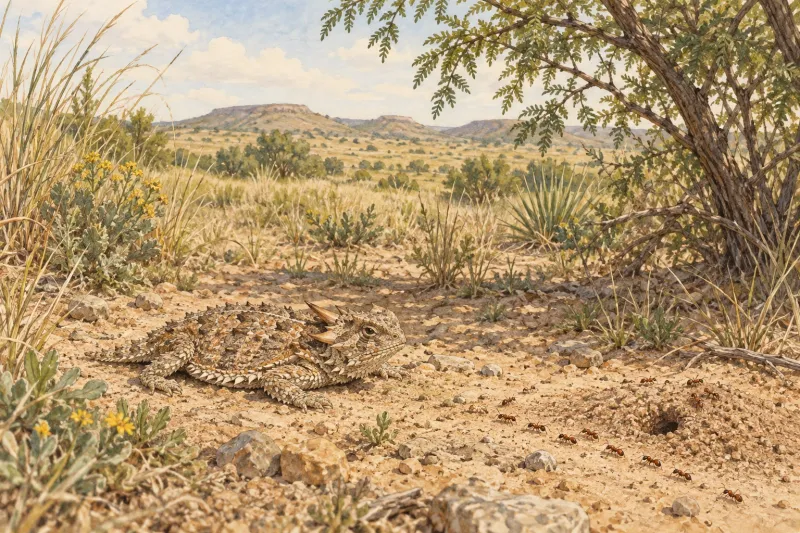
Picture open country with thin plant cover, a few bare patches and grass or shrubs close by for shelter. That is the general pattern.
Texas Parks and Wildlife describes the species as living in open areas with sparse vegetation, and it notes the lizards often use loose sand or loamy soil for digging, nesting and staying insulated.
Some lizards have even hung on in small towns. In a study of small South Texas towns from 2013 to 2021, lizards used sites with native grasses and some bare ground.
They also used shrubs, prickly pear, brush piles and structures that gave shelter or relief from heat.
Keep the limits in mind, though. That work covered specific South Texas sites, mostly fields, alleyways and small open spaces.
It is not a tested recipe for every Texas yard or city.
Soil is another spot where people overreach. Loose sand or loam can be used, but nobody should haul in sand because of it.
TPWD’s historical volunteer survey recorded sightings on sand, clay and loam, and the pooled data showed no measurable link to soil type.
The takeaway is a mix of open ground and cover, not one magic surface.
Harvester ants matter, but they are not the whole menu
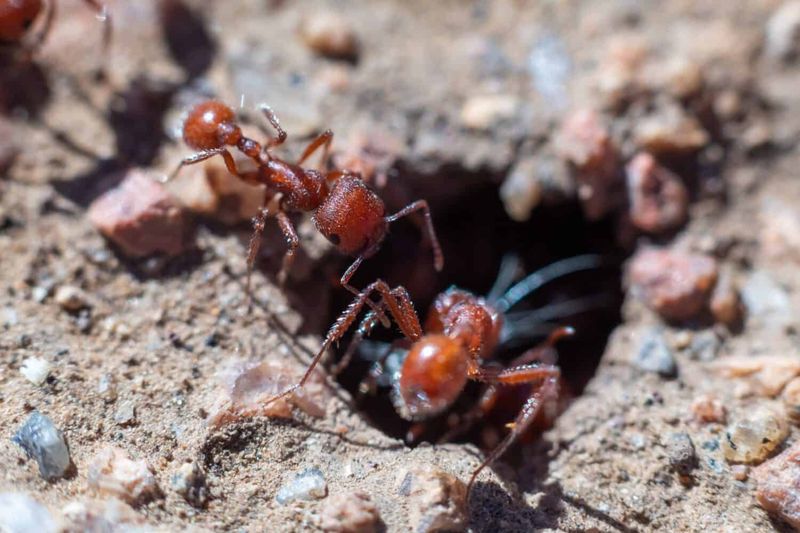
Food is part of habitat too, and for horned lizards that often means ants. In TPWD’s historical volunteer data, lizard sightings were positively associated with harvester ants, which are important prey across much of the lizard’s range.
Do not read that as “they eat only harvester ants.” In the South Texas town study, which looked at lizards in Kenedy and Karnes City, harvester ants made up about 8 percent of the sampled diet. Smaller ants and harvester termites showed up more often.
There is another catch. Finding lizards where harvester ants live does not prove that more ants bring lizards back.
The same TPWD survey found fewer lizards where red imported fire ants were present, yet its conclusions caution that fire ants may not have been the main reason the lizards declined.
For a homeowner, the practical meaning is modest. A yard with a healthy mix of insects, including native ants, gives a lizard more to eat.
Protecting one colony will not feed every lizard, and ants alone cannot restore a population.
Make room for both open ground and refuge
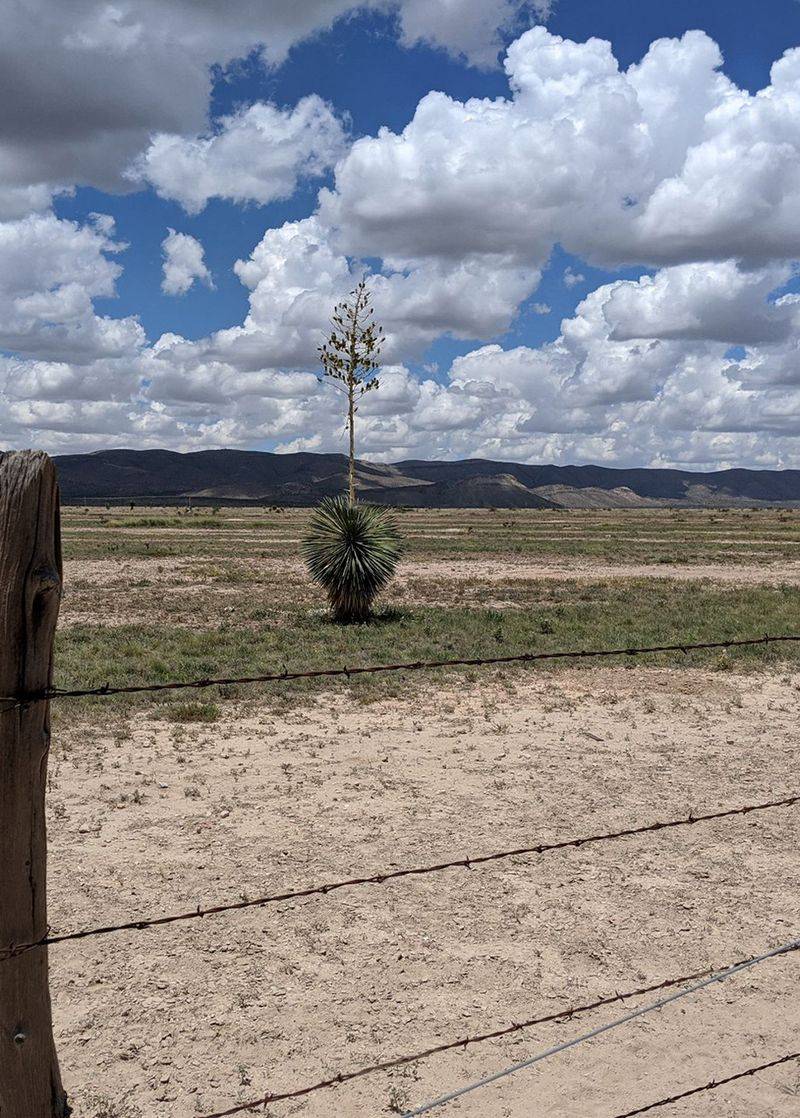
Think of a corner, not a whole yard makeover. A back edge or side strip can keep some thinly covered ground while holding onto native grasses, a shrub or two, or a brush pile.
That mix looks a lot like the varied sites described in the South Texas town study, where lizards used grassy spots, bare ground and shelter.
Why not strip everything bare? A lizard with no cover has nowhere to hide from heat or predators.
Why not let it all grow thick? TPWD ties the species to open areas with sparse plant cover, so a wall of dense growth works against it too.
Small steps fit here. Leave a patch of native bunchgrass unmowed, keep a prickly pear where it already grows, and skip the urge to rake every bare spot into turf or mulch.
Treat these as ways to make a property less hostile, not as bait. A bare patch will not lure a lizard by itself, and a sighting in a neighborhood does not mean a manicured lawn is good habitat.
Many Texas yards simply sit too far from any lizard population, so connected suitable habitat nearby matters as much as your corner.
Check before treating ants
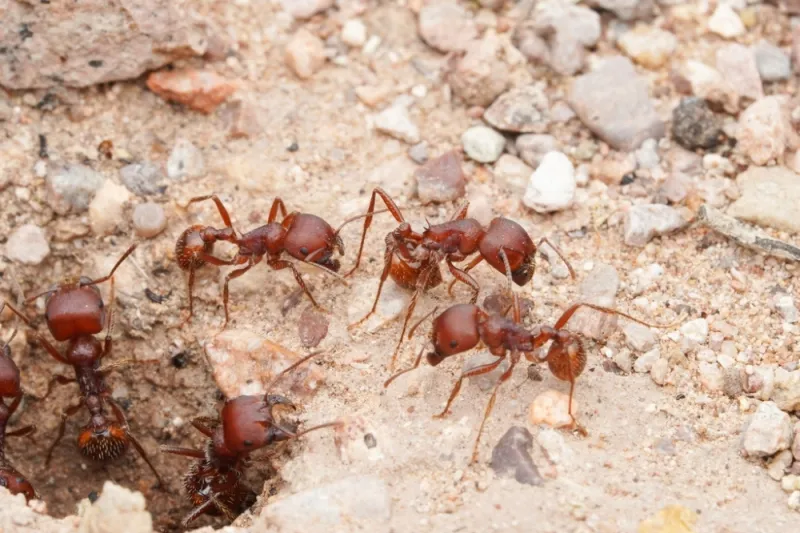
Before you spread any ant bait, find out which ants you have. Texas A&M AgriLife Extension advises against broadcasting fire-ant bait where harvester ants are found, because the bait can wipe out harvester ants too.
That does not mean every mound deserves protection, or that every fire ant must go. It means the decision should not be a guess.
A bare patch and a mound are not enough to name the species. University of Texas field station researchers work on telling fire ants from other Texas ants, and the species can be confused.
Poking a nest to check is a bad idea, since disturbed fire ants can attack and sting.
Instead, take a photo from a few feet back and contact your county Extension office when the answer affects a control choice. Texas A&M’s ant identification guidance can help you understand what the experts look for.
If fire ants are a problem near play areas, ask Extension about targeted options for those spots rather than treating the entire property.
If one appears, watch from a distance
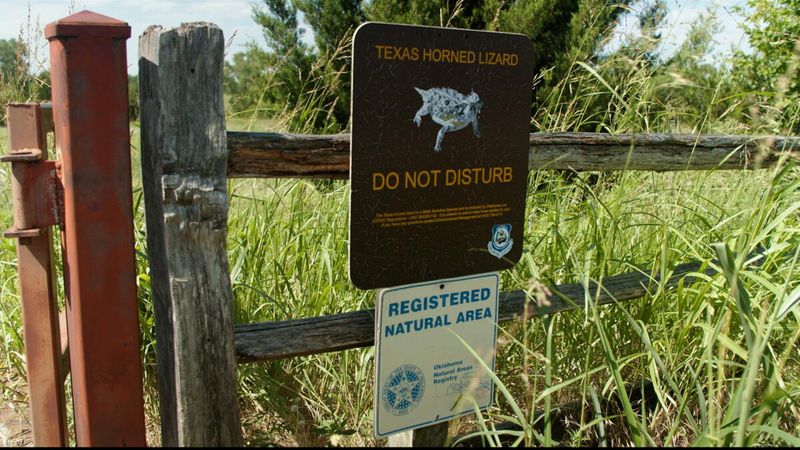
Spotting a horned lizard in your yard is a rare treat, so enjoy it without touching it. Stay back, keep pets and kids away, and take photos with a zoom or phone.
TPWD lists the Texas horned lizard as state threatened. Under TPWD’s rules for state-listed species, take is prohibited, and handling, including relocation, is limited to people with a scientific collecting permit.
That means no picking it up, no keeping it for a day and no carrying it to a “safer” patch, even with good intentions. Leave it where it is and let it go about its business.
You can still help. The lizard is one of the target species for Texas Nature Trackers, so a clear photo, the date and the location can be reported there.
A yard can help without guaranteeing a return
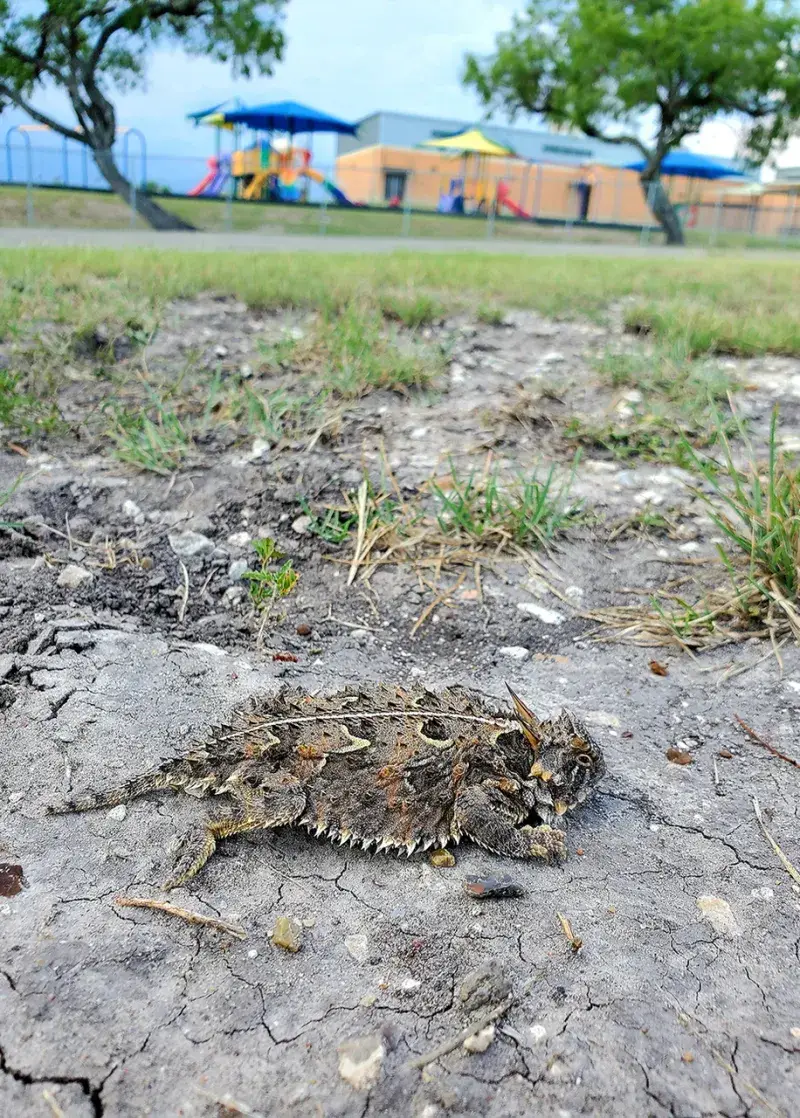
Varied cover, some open ground and careful ant choices can make a yard friendlier, but none of them can guarantee a lizard. Recent reports, such as the one TCU’s researcher is still investigating, are local signs, and the South Texas town findings do not promise that a typical lawn will work.
A horned lizard can disappear into a patch of dirt, and so can the hope it brings.