
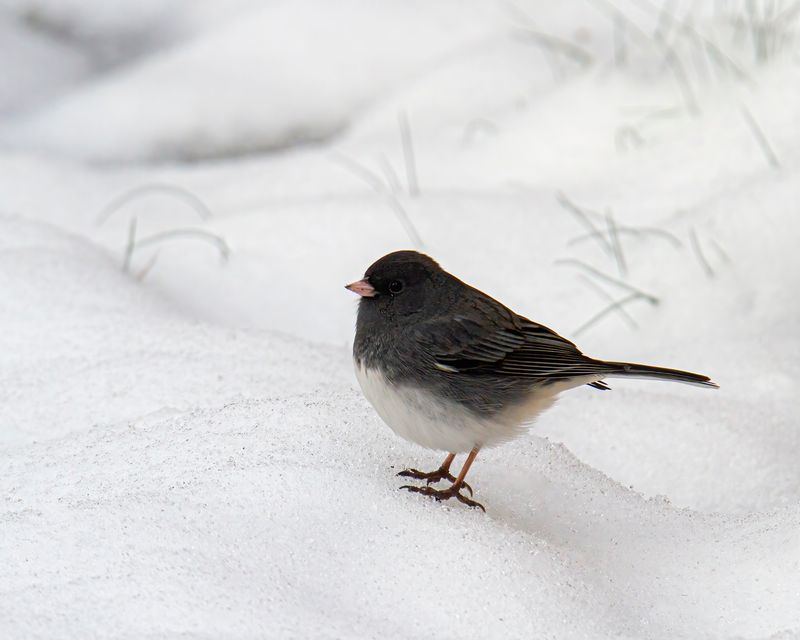
Look out the window on a gray morning and there they are: small slate-colored birds with white bellies, hopping under your feeders like they own the place. Folks have long said that juncos mean snow is coming, and that old saying has real charm.
The truth is a bit more interesting, because juncos follow the seasons, not your local forecast. Here is what the sighting really tells you and how to welcome these birds well.
A junco sighting feels like winter’s announcement
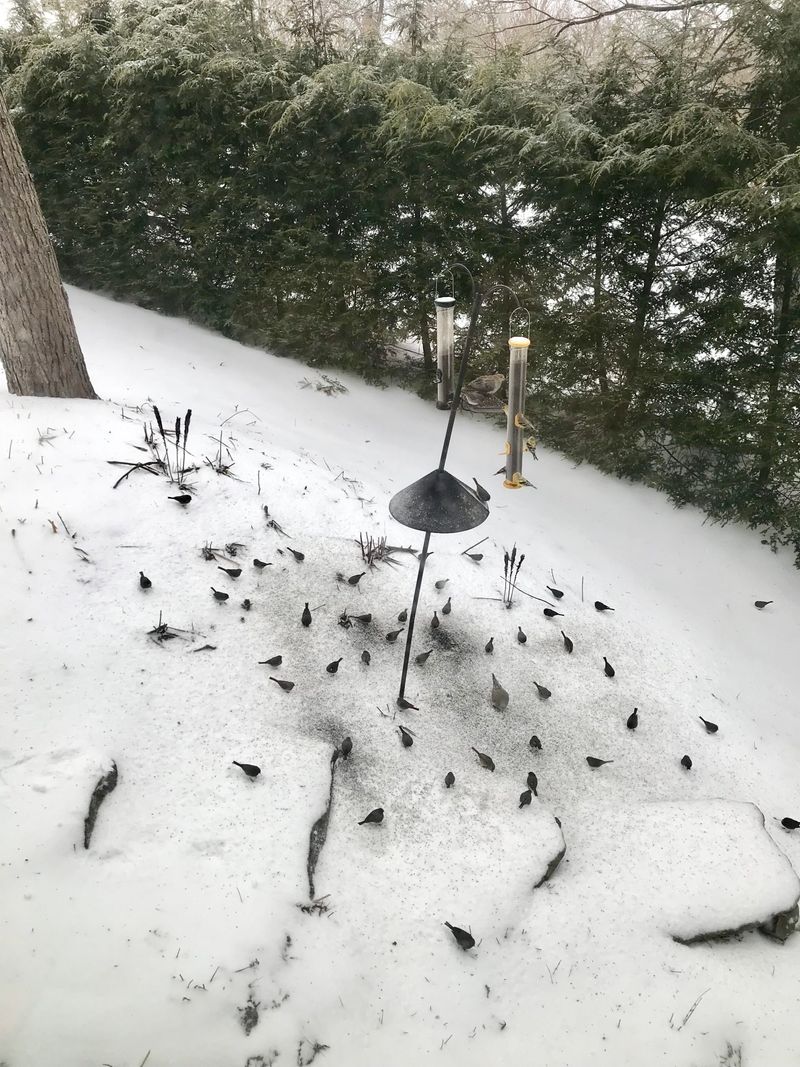
Few backyard moments feel as wintry as a cluster of juncos scratching around beneath the feeder. Their neat gray hoods and white bellies show up just as the days turn cold, so people started calling them snowbirds.
It is an easy link to make.
That link has a seasonal basis. Mass Audubon describes the arrival of juncos from the north as traditionally associated with winter, though some juncos breed in parts of Massachusetts and winter numbers vary.
So think of the sighting as a seasonal impression, a bit of winter folklore with a grain of truth. A flock under your feeder tells you the calendar is turning.
It does not tell you a storm is on the way, and Cornell’s junco guide is a handy place to get to know these birds better.
Why juncos arrive at different times
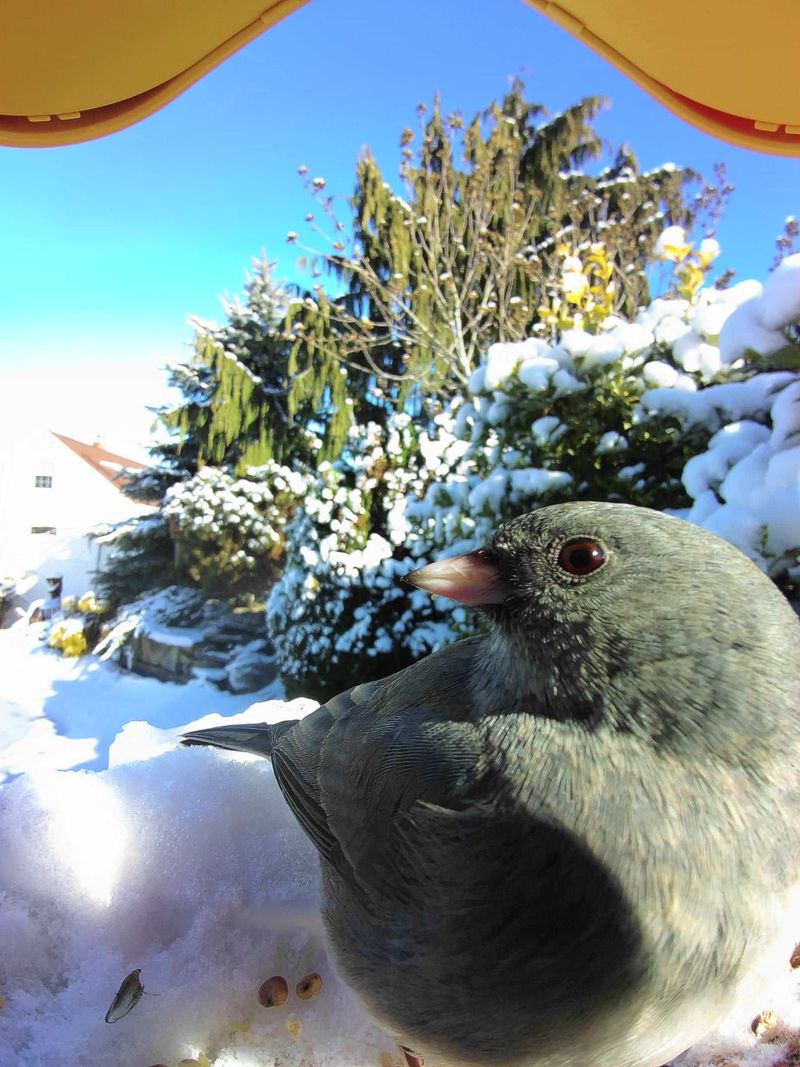
Not every junco lives the same travel story. Some fly long distances in autumn, some move only a short way, and some stay in the same area all year.
Cornell’s range map shows this mix across the continent.
That means the bird at your feeder may have come from far north, from the nearby hills, or from the neighborhood itself. A mountain community might see juncos all summer, while a flat suburb may notice them only after fall begins.
Because timing varies by population and location, a first sighting cannot work as a nationwide snow calendar. A gardener in Ohio and one in Colorado could spot their first junco weeks apart, and neither date says much about the next snowfall.
Keeping a simple notebook of your own first sightings is more useful. Over a few years you will learn your local pattern.
Can a junco tell you snow is near?
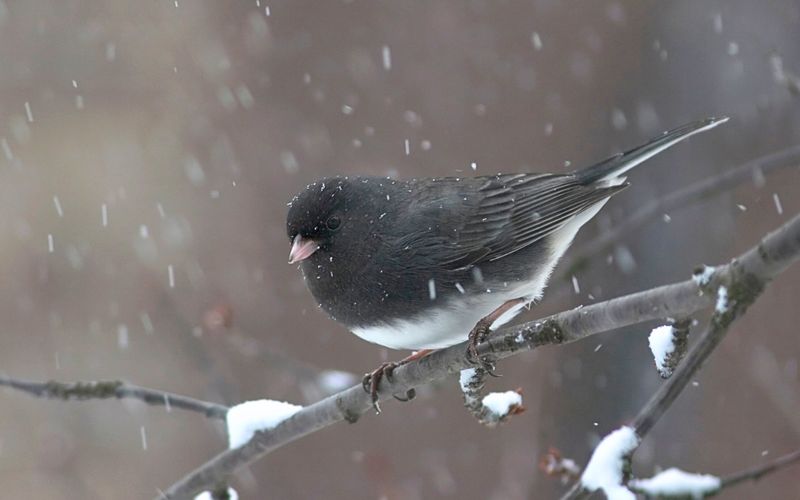
Short answer: no proof exists that it can. The sources reviewed do not show that seeing juncos predicts snow in your yard.
A seasonal habit and a forecasting skill are two different things.
You may have heard about birds sensing storms through air pressure. One study, a 2013 paper on barometric pressure, looked at white-crowned sparrows and found that lowering the air pressure increased how much food they ate.
It did not test juncos, and it did not show that any bird forecasts snowfall.
Meanwhile, juncos fit a broad seasonal pattern, and their range includes birds that never leave some regions.
Enjoy the saying as folklore. When you actually need to know about snow, check the weather service.
Make the feeder easy for ground-feeding juncos
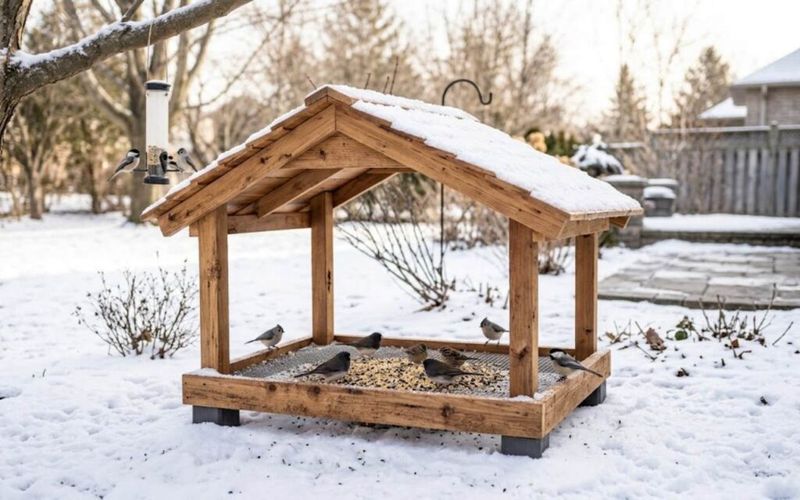
Juncos are ground foragers. They hop and scratch beneath feeders, picking up fallen seed, so tall hanging tubes are not their style.
Cornell’s junco account says they visit mostly platform and ground feeders and seem to prefer millet over sunflower seeds.
A modest scoop of millet on a low platform or a clean tray is a simple, junco-friendly setup. Start small, so you can see how much gets eaten before the seed gets old.
Black-oil sunflower still has a place. Project FeederWatch and UNH Extension treat it as a good general seed for many feeder birds.
Think of it as the all-purpose choice, not a proven junco favorite.
Try putting out millet at one spot and sunflower elsewhere, and watch who goes where.
Feeders are only one part of winter habitat
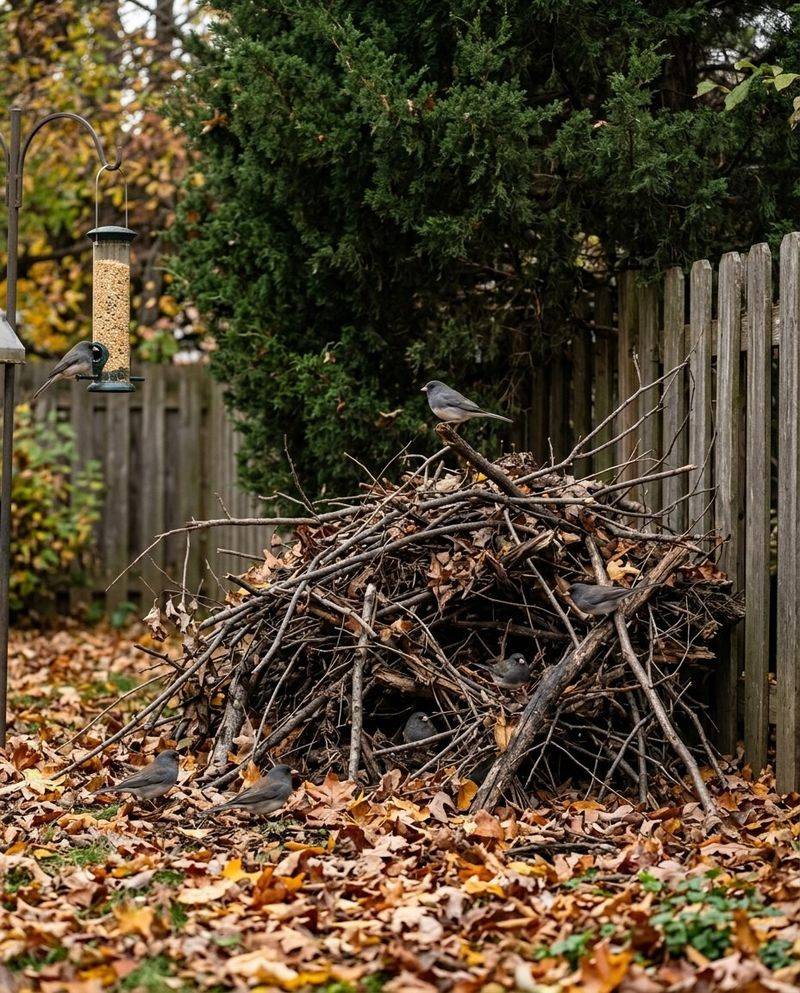
Seed is only half the picture. Birds also need a place to duck out of the wind and away from hawks, so UNH Extension recommends placing feeders near natural shelter.
It also notes that unfrozen water can be hard for birds to find in winter.
An evergreen, a brush pile, or a tangle of native shrubs gives cover. Native plants add natural food and habitat that work even when the feeder is empty.
A shallow dish of water, refreshed or kept ice-free, can be a welcome extra.
Still, feeder food supplements what birds find on their own and can attract them, but it cannot promise a flock will stay. Whether juncos linger depends on migration, local conditions, habitat, and natural food.
Because some juncos are just passing through, a visit may be brief.
No single change will hold them all winter, but each one improves the odds that they stop by.
Keep the feeding area clean and dry
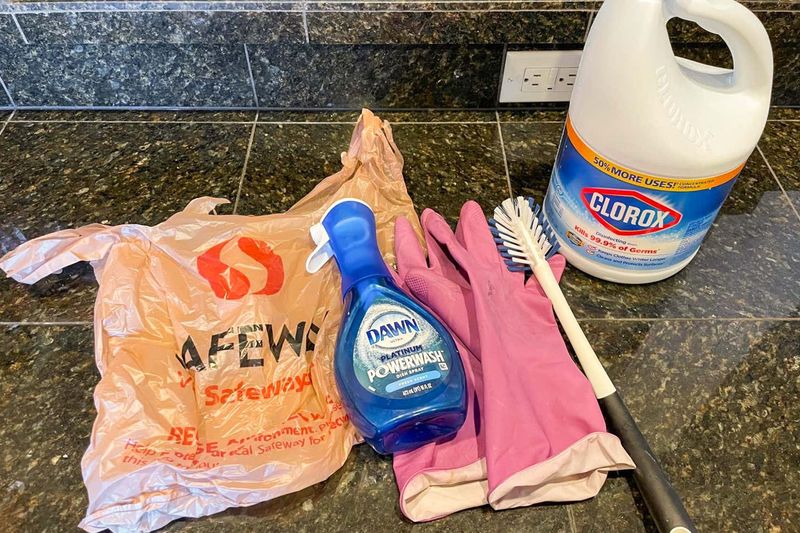
Ground feeding comes with chores. Keep seed dry, and throw out anything wet or moldy.
Rake or sweep spoiled seed and droppings from beneath the feeder, since spilled food can attract rodents.
Plan to clean seed and suet feeders about every week or two, and more often in wet weather or when lots of birds visit. Project FeederWatch’s cleaning guide lays out the routine.
If birds look sick, take your feeders down and clean them. The same guidance suggests wearing gloves when handling feeders and a mask when sweeping or raking under them.
Old or wet seed and droppings can pose disease concerns, a point UNH Extension also raises. Putting out smaller amounts of seed makes cleanup easier and keeps the food fresh.
A quick sweep each time you refill turns a big job into a small habit.
Enjoy the visitors without treating them as a forecast
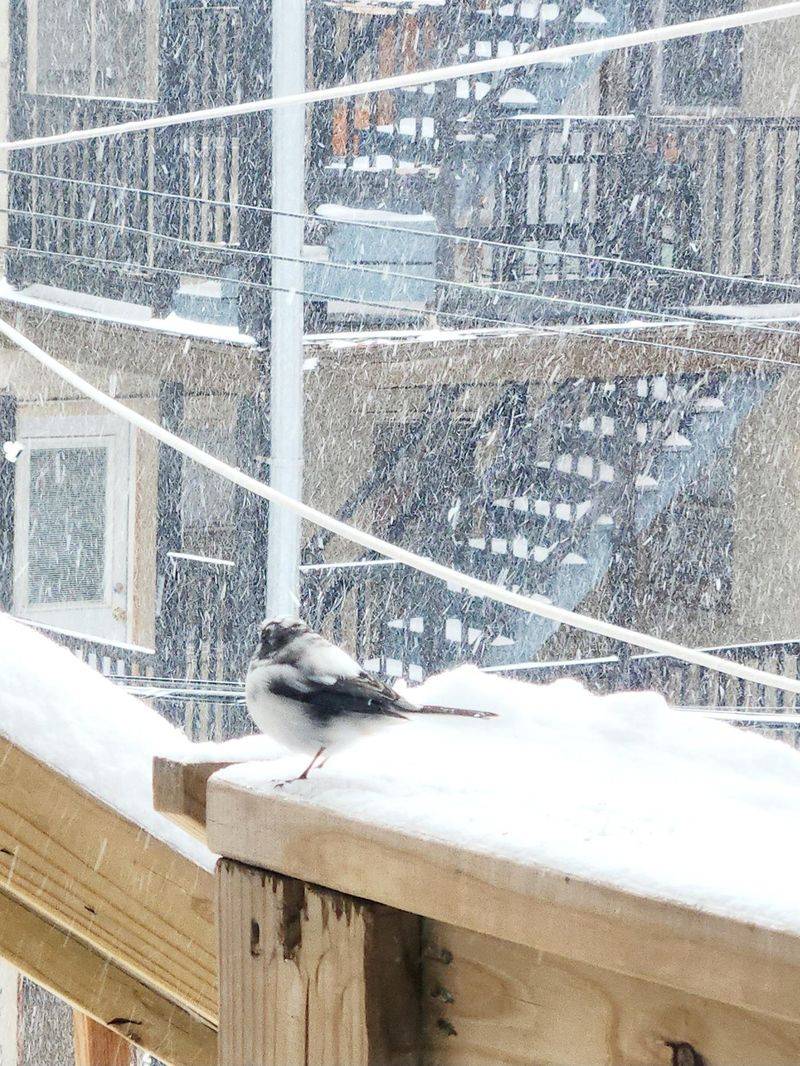
Welcome juncos as the seasonal visitors they are. Offer millet where they like to feed, add some shelter, and keep things tidy using simple cleaning habits.
When you want to know about snow, trust a weather forecast, not a flock. Check your local junco pattern for the fun of it.
The birds are good company either way.