
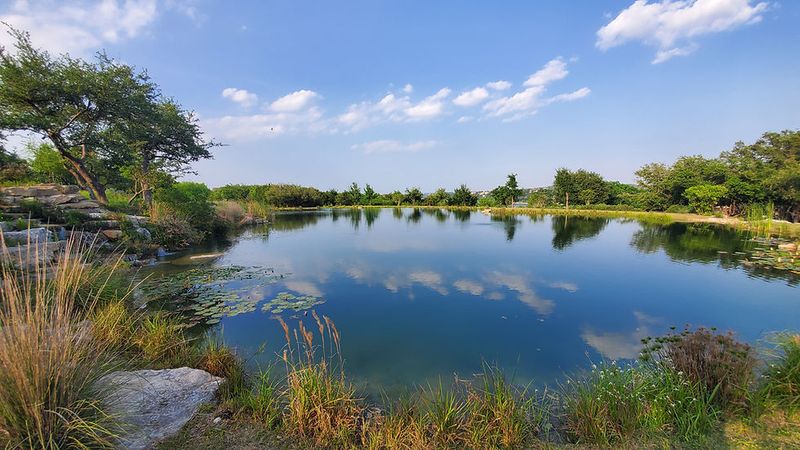
A stock tank or small pond can do a lot for the wildlife in your yard. Birds, frogs, dragonflies, and other critters all notice a well-kept water feature.
Sandhill cranes and ducks are exciting visitors, but no backyard can guarantee they will show up. Here is how to make your water better for wildlife this winter and keep your expectations grounded.
A backyard pond cannot promise a crane stopover
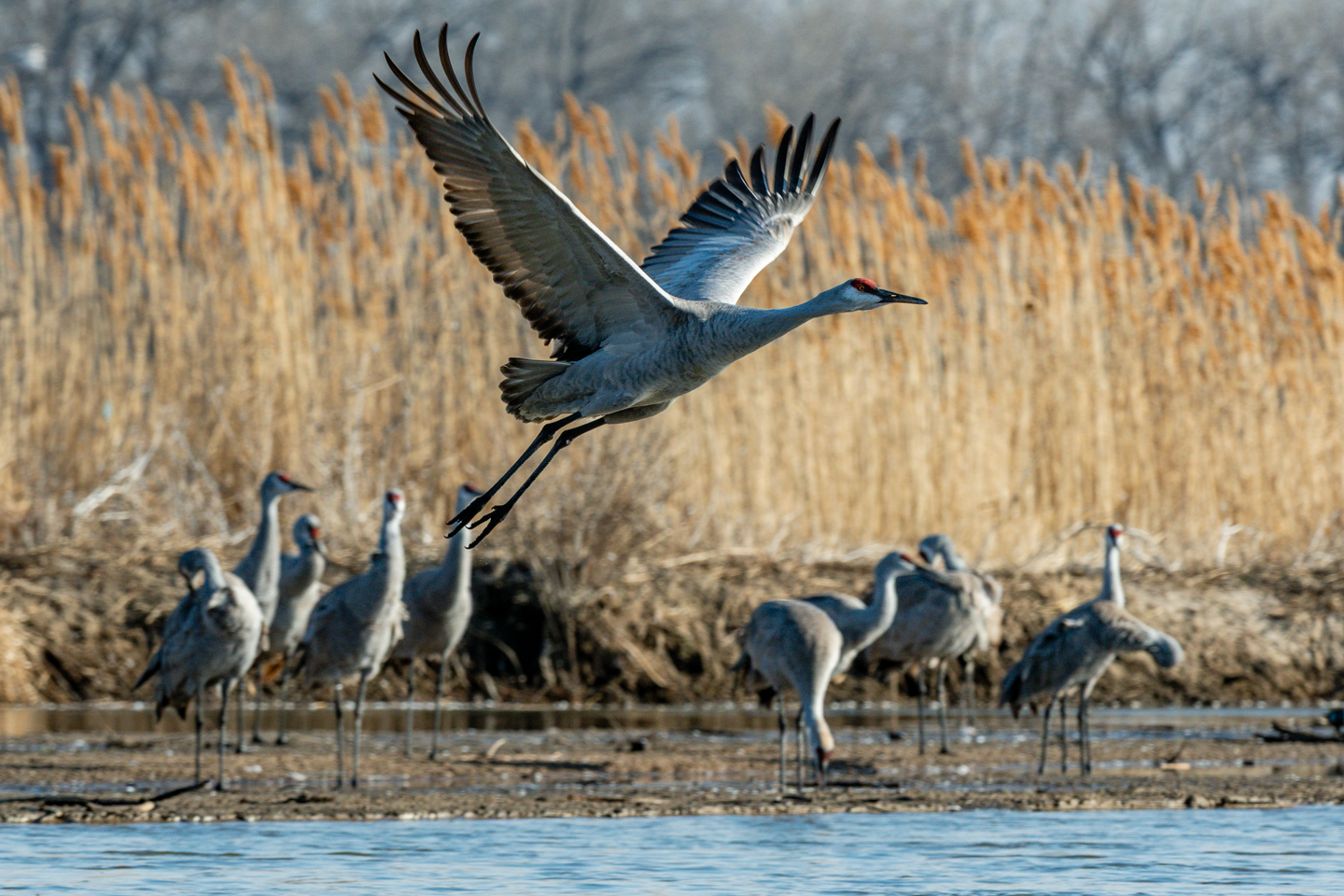
Let’s start with the honest part. Texas Parks and Wildlife describes sandhill cranes as migrating through Northcentral Texas, with winter concentrations in other particular regions such as the High Plains, Coastal Plains, and South Texas brush country.
That is a very different thing from showing up at a Central Texas backyard.
Passing through is not the same as settling in for the winter. A flock can fly over your neighborhood on its way somewhere else and never look down.
Cranes follow routes and habitat patterns that are far bigger than one yard.
Size matters too. A Cooperative Extension expert response says most small backyard water features are too limited to attract overflying waterfowl, which tend to travel in groups.
That is a general point, not a Central Texas field study, but it fits what many homeowners see.
So think of your tank or pond as a project for local wildlife first. If a crane or duck drops in, count it as a bonus rather than a result you earned or can repeat.
Cranes use a broader landscape than a backyard water feature

Picture how a crane spends a winter day. It needs shallow water or wetland to rest safely overnight, plus open ground nearby to feed.
The U.S. Fish and Wildlife Service notes that cranes use shallow water and wetlands, along with harvested fields, hayfields, and pastures, during migration and winter.
Cultivated grains are a primary food source then.
That pairing is the catch. A water feature alone is only half of the picture, and a yard rarely supplies the other half.
Cranes want a wide, open landscape where roosting water and feeding fields sit close together.
You may see numbers from studies in other parts of the country about how deep roosting water is. Those measurements come from specific populations and places, so they do not work as a design rule for a Texas stock tank.
Digging yours deeper or wider to match them would be guesswork.
A practical clue: if you live near large farm fields, hayfields, or broad wetlands, you may hear cranes more often overhead. Even then, a visit to your own tank is a pleasant surprise rather than something you can plan on.
Ducks may visit, but water type and habitat matter
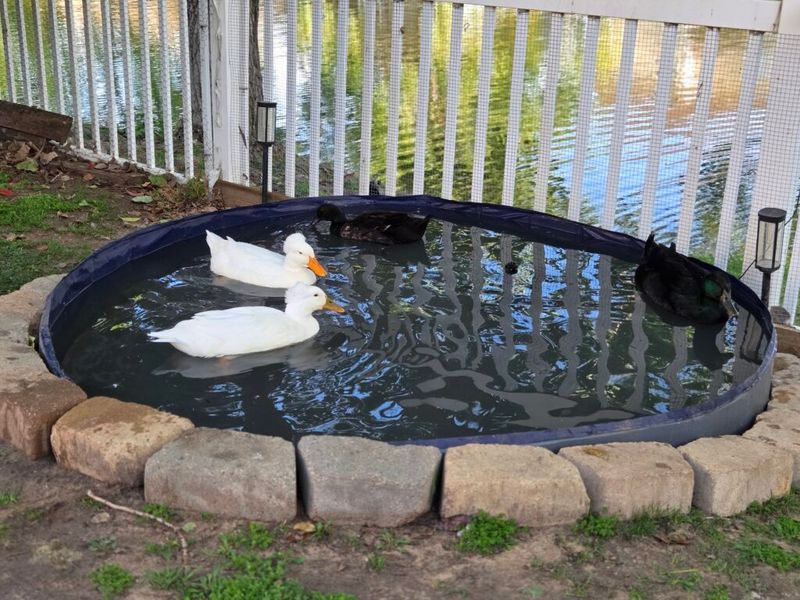
Ducks are a more realistic hope, but still an uncertain one. Texas A&M AgriLife Extension explains in its waterfowl guidance that dabbling ducks favor shallower and sometimes seasonal water.
Diving ducks tend to use perennial water bodies such as lakes, stock tanks, and marshes.
That split helps you read your own property. A shallow, shifting edge suits one kind of duck, while steady water that stays put suits another.
Your tank might fit one group and miss the other entirely.
Several things decide whether ducks give your yard a try. They include the species passing through, how deep the water is, how big the feature is, where it sits, and what habitat surrounds it.
A small tank tucked between houses is a tougher sell than one near open land and other water.
Watch for clues over a season or two. If ducks keep circling or landing at nearby ponds, your area may see traffic.
If you never see any, that tells you something too. Either way, no amount of added water guarantees a visit.
Improve the water’s edge before adding more water
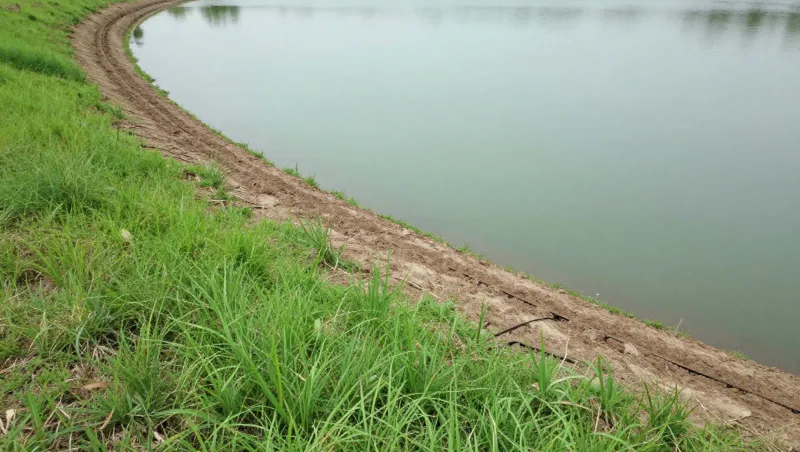
Before you think about making your pond bigger, look at the edges. Texas Parks and Wildlife’s Wildscapes tips call for shallow water with gently sloping sides and some open shoreline.
Steep, slick banks make it hard for small animals to drink or climb out safely.
If your stock tank has straight walls, a few simple fixes can help. You can add a gradual slope on one side with soil or stone so animals can walk in and out.
Leave a patch of bare or lightly vegetated bank rather than crowding every inch with plants.
Upkeep counts as much as design. TPWD advises replenishing and cleaning small water containers regularly, which keeps the water fresher and more useful to wildlife.
Topping off during hot, dry spells and scrubbing out smaller basins are easy habits to build.
Treat these as general backyard wildlife improvements. They can help birds, insects, and other small animals.
They are not a recipe for drawing in big flocks of waterfowl, so judge your success by the variety of life you see.
Choose pond plants with care
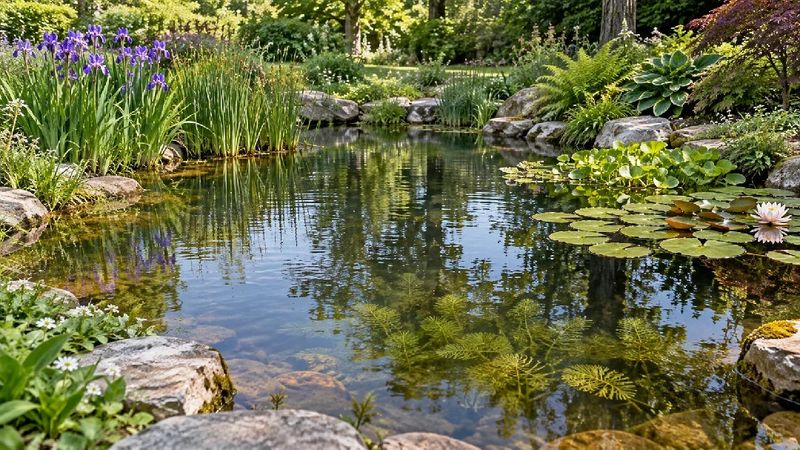
Plants give a pond structure and shelter. Texas Parks and Wildlife’s Wildscapes guidance suggests including emergent, submerged, and floating plants as parts of pond habitat.
Emergent plants grow up out of the water, submerged ones stay below the surface, and floating ones rest on top.
Here comes the safety check. Some aquatic plants are listed as invasive in Texas, and it is illegal to possess them.
Before you buy or accept a cutting from a friend, confirm the plant is not on the state’s invasive list.
Ask the nursery staff where a plant came from and what it is, and look up its name yourself. Pond plants spread easily, so a bad choice can be hard to undo and can cause trouble in nearby waterways.
Keep expectations modest here as well. A planted pond can support more insects, frogs, and songbirds, but plants do not guarantee that ducks or cranes will drop by.
Let birds choose the yard; do not bait them
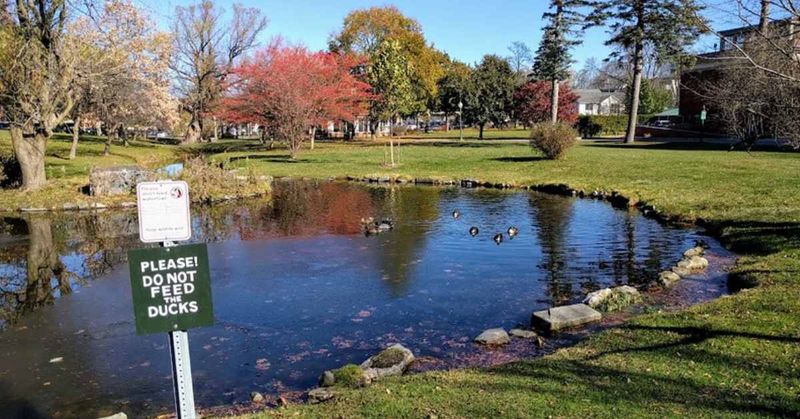
It can be tempting to toss out corn, bread, or birdseed to coax visitors in. Skip it.
Texas Parks and Wildlife warns that feeding wildlife can spread disease and create unhealthy concentrations of animals.
Waterfowl have their own risks. The U.S.
Fish and Wildlife Service cautions that feeding can make waterfowl lose their natural wariness and gather in unnatural numbers. Crowded birds mean dirtier water and easier spread of illness.
Cranes add another wrinkle. Florida’s wildlife agency explains in its sandhill crane guidance that feeding can make cranes comfortable around people and lead to conflicts.
Florida’s feeding prohibition is Florida law, not a Texas rule, but the reasoning is still a good reason to hold back.
Better to let the water, edges, and plants do the work. Enjoy visitors from a distance and let them stay wild.
Keep visiting waterfowl away from poultry
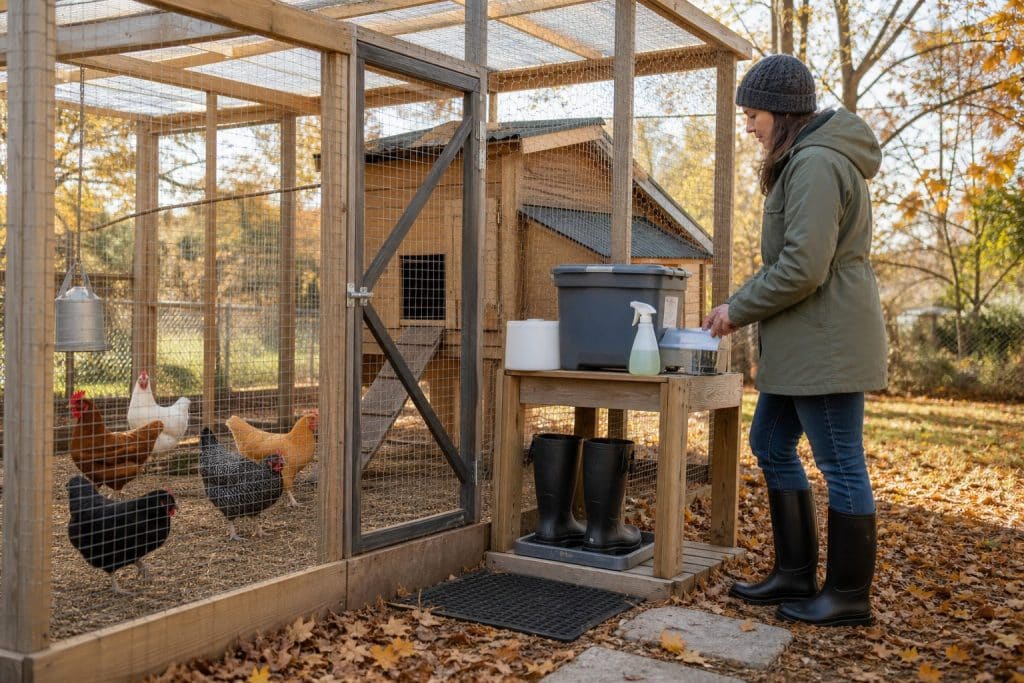
If you keep chickens, ducks, or other poultry, plan your layout with care. The USDA says in its guidance on protecting your birds from wildlife that wild ducks and other waterfowl can spread avian influenza without looking sick.
A healthy-looking visitor can still carry it.
That means domestic birds should not share water or space with wild waterfowl. Keep coops and runs away from your pond or tank, and give your flock its own water source that wild birds cannot reach.
Covered runs help keep wild birds out.
Also, avoid touching sick or dead wild birds. The CDC recommends avoiding direct contact with them and contacting local or state authorities for reporting instructions.
If you find a bird that looks ill or has died, watch from a distance, keep pets and kids away, and call the right office for guidance. A little caution keeps both your flock and your family safer.
Aim for a healthier yard, not a guaranteed stopover
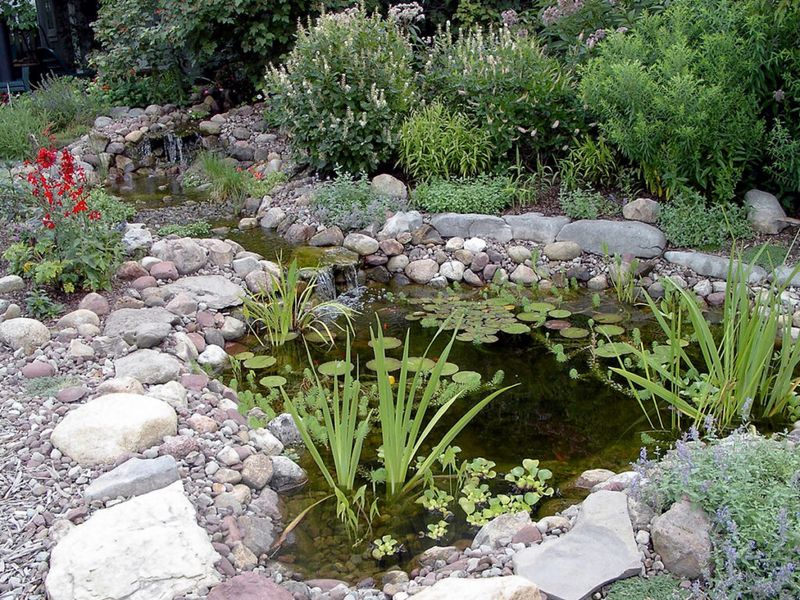
The real win is a water feature that is clean, shallow at the edges, thoughtfully planted, and free of handouts. Keep up with it each season and let nature decide who comes by.
Some winters you may see a few ducks, and some winters you may see only dragonflies and songbirds.
Either way, you will have built something good for the neighborhood. The best backyard habitat is the one that keeps giving, whether or not the big names arrive.