
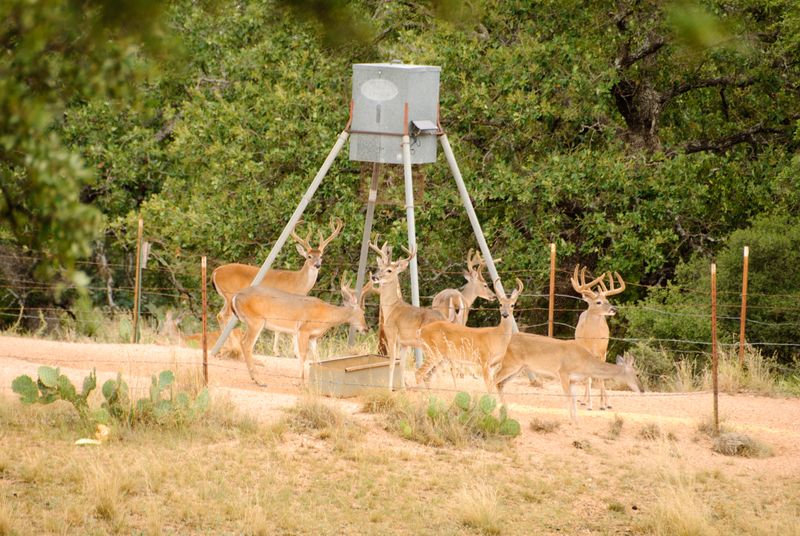
Winter makes food hard to find, and coyotes spend the cold months following their noses wherever a meal might be hiding. That nose is powerful enough to pick up scents you barely notice, from a forgotten bag of birdseed to last night’s grill drippings.
Many of the smells drawing coyotes toward homes come from ordinary yard habits that seem completely harmless. Knowing which odors act like an open invitation can help you protect your pets, your garden, and your peace of mind until spring.
1. Spilled Birdseed Under Feeders
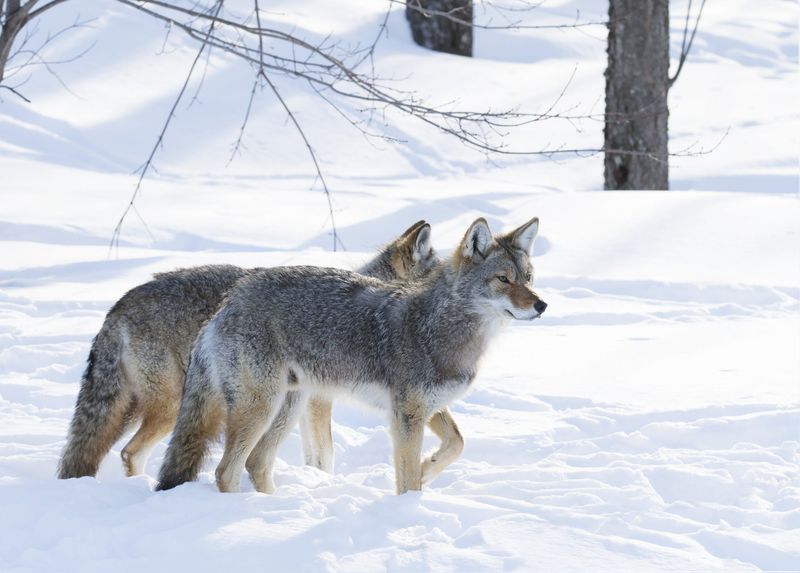
Picture a coyote standing at the edge of your yard at dusk, nose lifted, reading the air like a menu. Odds are good the first line on that menu is the seed scattered beneath your bird feeder.
Coyotes rarely eat sunflower seeds themselves, but they know exactly who does. Mice, voles, squirrels, and rabbits gather around fallen seed all winter, and their scent trails, droppings, and nests create a rich buffet of smells.
To a hungry predator, a messy feeder area is basically a rodent restaurant with the lights left on.
Wildlife experts often call it a food chain magnet. Seed draws small animals, small animals draw coyotes, and suddenly a predator is pacing twenty feet from your back door.
You don’t have to give up feeding birds. Try a few simple changes:
Use a seed tray or catcher under the feeder to stop spills. Switch to hulled seed or no-mess blends that leave fewer leftovers.
Rake or sweep the ground every few days, especially after a snowfall buries old seed. Bring feeders in at night if you notice tracks around them.
Cleaner ground means fewer rodents, and fewer rodents means far less reason for a coyote to linger.
2. Pet Food Left Outside
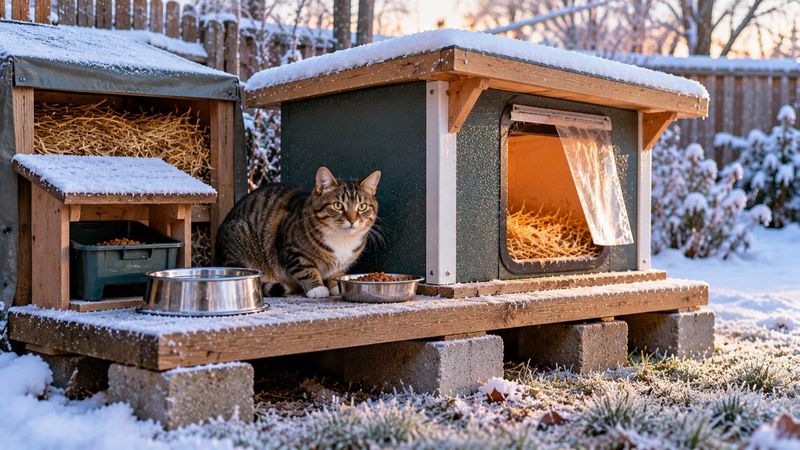
Few things smell more irresistible to a winter coyote than a bowl of kibble sitting on the porch. Pet food is packed with fat, protein, and meaty flavorings designed to make dogs and cats excited, and those same aromas travel surprisingly far on cold, still air.
Here’s the tricky part. A coyote that finds an easy meal once will almost always return, and it may start connecting your house with food.
That habit can make the animal bolder, and bolder coyotes are the ones that start eyeing small pets.
Outdoor cat feeding stations are especially risky. Even if the cats eat quickly, crumbs and oily residue linger in the bowl and on the ground for hours.
A few easy fixes go a long way:
Feed pets indoors whenever possible. If outdoor feeding is a must, serve meals in the morning and pick up bowls within thirty minutes.
Store kibble bags in sealed metal or heavy plastic bins, not in an open garage or on the porch. Wash bowls regularly so leftover smells don’t build up.
Think of it this way: every bowl you bring inside is one less reason for a coyote to visit after dark.
3. Overflowing Garbage Cans
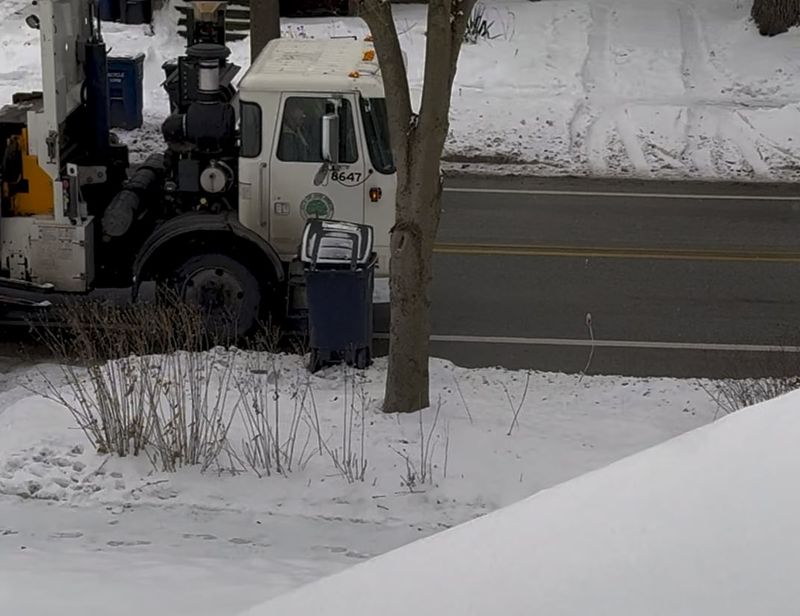
Ask any wildlife control officer about coyote complaints and the conversation usually circles back to trash. Garbage is the classic suburban buffet, and winter makes it even more tempting because natural prey is harder to catch.
Meat scraps, chicken bones, greasy pizza boxes, and spoiled leftovers all give off strong odors as they break down. Cold air slows decay a bit, but it doesn’t stop the smell from escaping a lid that won’t close or a bag tossed beside the can.
Coyotes are clever about this. They learn trash day schedules, investigate cans left at the curb overnight, and remember which houses offered a snack before.
Here’s how to take your bins off the menu:
Choose cans with tight, locking lids, or add bungee cords across the top. Store bins in a garage or shed until the morning of pickup.
Double-bag meat and fish scraps, or freeze them until trash day. Rinse cans with water and a splash of vinegar or bleach every few weeks to cut lingering odors.
A sealed, clean can is boring to a coyote. Boring is exactly what you want your yard to be this winter.
4. Compost Piles With Food Scraps

Gardeners love compost for good reason. That dark, crumbly gold feeds next year’s tomatoes and keeps kitchen waste out of the landfill.
Unfortunately, an open pile can also send out a steady signal to every coyote in the neighborhood.
Fresh scraps are the main culprit. Fruit peels, bread, eggshells with bits of egg still clinging, and especially anything with dairy, meat, or oil create strong, sweet, and sour smells.
In winter, a working pile can even give off warmth, which draws mice that tunnel inside for shelter.
So now you have two attractions in one spot: food odors and a cozy rodent hotel.
Composting doesn’t have to stop when the snow flies. Just adjust your approach:
Never add meat, fish, bones, dairy, or greasy leftovers. Switch to an enclosed bin or tumbler with a secure lid.
Bury fresh kitchen scraps under a thick layer of leaves, straw, or finished compost so the scent stays trapped. Turn the pile less often in cold months to avoid releasing big bursts of odor.
Bonus tip: a hardware cloth base under your bin keeps burrowing rodents out, which removes another reason for coyotes to come sniffing.
5. Fallen Fruit From Trees

Many people are surprised to learn coyotes have a sweet tooth. They aren’t strict meat eaters at all.
In fact, researchers studying coyote diets regularly find apples, persimmons, berries, and even fallen pears in their scat.
Those mushy apples you never got around to picking up in fall? By winter they’re freezing, thawing, and fermenting, which makes their fruity, slightly boozy smell even stronger.
A coyote passing by can catch that scent from well beyond your property line.
Rotting fruit also pulls in deer, raccoons, opossums, and rodents. Each visitor leaves its own scent behind, layering the area with smells that suggest easy food.
Cleanup is the simplest answer. Rake up dropped fruit and bag it, or add it deep inside an enclosed compost bin.
Check under ornamental trees too, since crabapples and similar trees can hold fruit well into winter before dropping it.
If you have fruit still clinging to branches, consider picking off the last stragglers before they fall. Grapevines and berry bushes deserve a quick look as well.
It takes maybe twenty minutes with a rake and a bucket. That small chore can turn your yard from snack stop to pass-through.
6. Grease From the Grill

Winter grilling is a real joy. There’s something cozy about steaks sizzling while snow drifts down.
But long after dinner is finished, the grill keeps broadcasting.
Burnt fat, meat drippings, and marinade residue collect in grease traps and on grates. That smoky, meaty smell is one of the most attractive odors a predator can find, and it clings to the grill for days.
Even the ground underneath can become saturated if drippings leak through.
Plenty of homeowners have found tipped-over grill covers or licked drip pans and blamed raccoons. Sometimes the real visitor was a coyote working the patio at three in the morning.
Try these habits after each cookout:
Burn off the grates for ten to fifteen minutes on high heat, then brush them clean. Empty and wipe the grease cup or drip tray, and toss the contents into a sealed bag in your locked trash can.
Scrub up any drips on the patio or deck with dish soap and hot water. Keep the grill covered or tucked against the house.
A clean grill is safer from fires too, so these steps pay off twice. Your next burger will taste fresher as well.
7. Backyard Chickens and Coop Odors
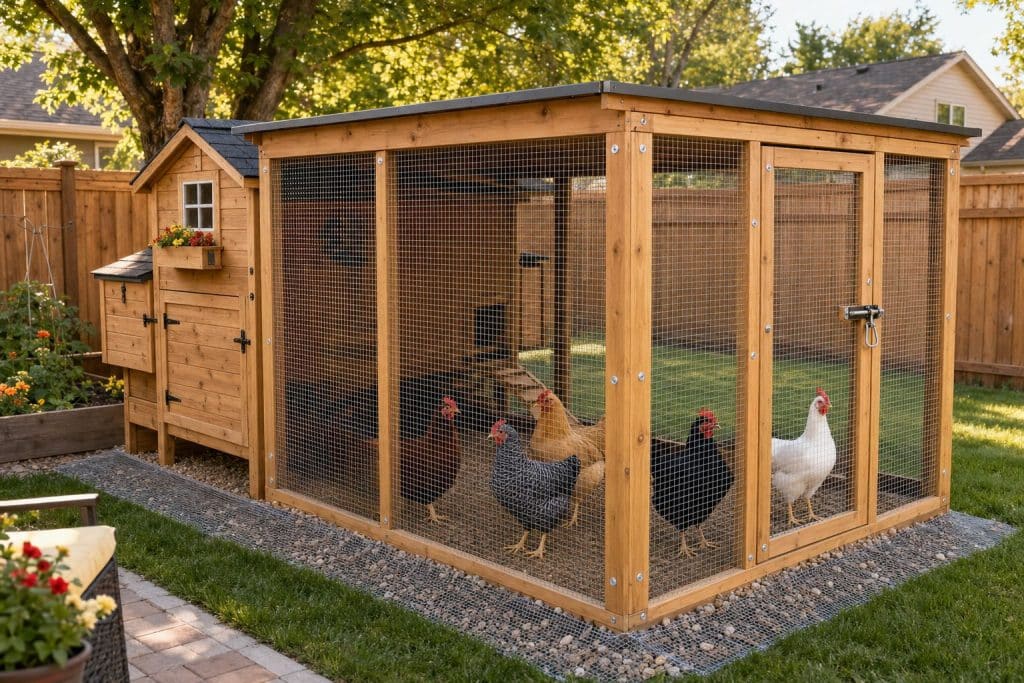
Raising backyard chickens brings fresh eggs and endless entertainment. It also brings a smell coyotes recognize instantly as dinner.
Coops produce a mix of odors: the birds themselves, droppings, spilled feed, and damp bedding. Each one tells a coyote that poultry lives here.
Spilled scratch grains add a second layer by drawing rodents, which keeps predators interested even when the chickens are tucked inside.
Winter raises the stakes. Hungry coyotes take more risks, testing fences and digging under runs they ignored all summer.
Many flock owners lose birds in January and February for this very reason.
Protection starts with smell control and ends with strong barriers:
Clean out wet bedding often and replace it with dry straw or pine shavings. Store feed in metal cans with tight lids and sweep up spills daily.
Use hardware cloth instead of chicken wire, which coyotes can tear through, and bury it at least twelve inches deep or add an apron along the ground. Lock birds in a secure coop every night before dusk.
Fun fact: a coyote can leap over a six-foot fence, so a covered run is your best friend. Motion lights near the coop add extra peace of mind.
8. Dog Poop in the Yard
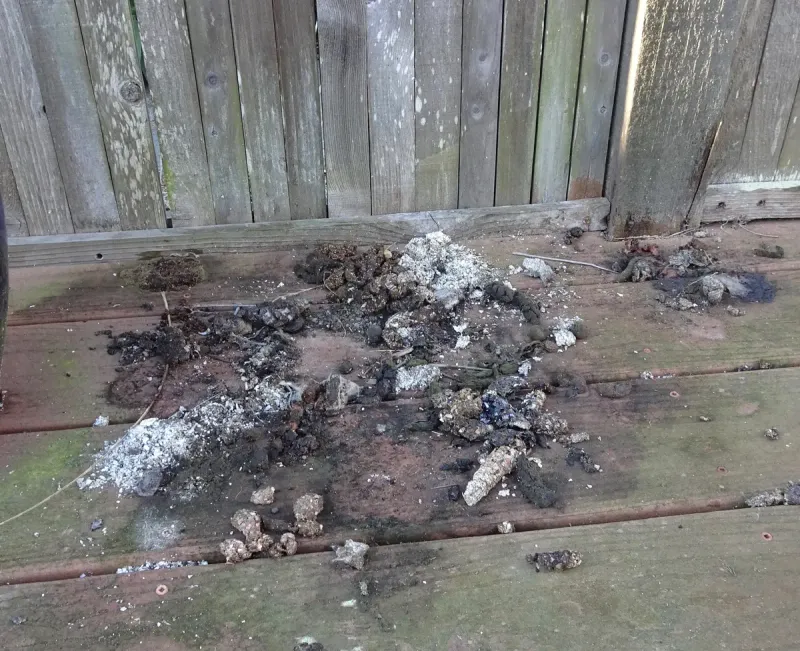
Nobody enjoys scooping the yard in January, and snow makes it easy to pretend the problem disappeared. It hasn’t, and coyotes notice.
Dog waste is packed with scent information. Coyotes are close relatives of dogs, and they communicate through droppings and urine.
When your dog leaves piles around the yard, a passing coyote reads that as another canine claiming territory. Some will come investigate, and during winter breeding season, which peaks from January through March, that curiosity can turn into confrontation.
There’s a food angle too. Undigested bits of food in waste can attract scavengers, and coyotes are not picky eaters.
Staying on top of it helps keep things calm:
Scoop at least every day or two, even when snow is falling. Bag waste and drop it into a sealed outdoor can rather than tossing it over the fence or into a pile.
Keep a scooper and bags right by the back door so the chore stays quick. Walk small dogs on a leash after dark instead of letting them roam the yard alone.
Your lawn will thank you in spring as well, since buried waste often leaves dead patches once the snow melts away.
9. Rodent Nests Under Woodpiles
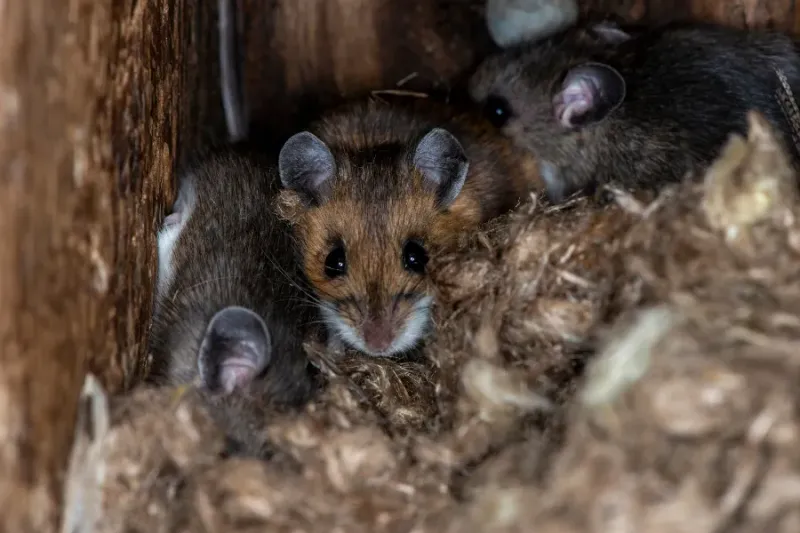
That neatly stacked firewood pile looks harmless, maybe even charming. To a mouse, though, it’s a five-star winter lodge.
And to a coyote, it’s a pantry.
Woodpiles offer rodents shelter from wind, protection from hawks, and a dry place to raise families. Their nests, urine, and droppings fill the gaps between logs with a musky odor.
Coyotes have hearing sharp enough to detect a vole moving under snow, and their noses lead them straight to these hidden colonies.
If you’ve ever seen a fox or coyote pounce nose-first into the snow, that’s the hunting move they use to catch prey they can hear but not see.
Smart storage cuts down the attraction:
Stack firewood at least twenty feet from the house, and raise it a foot off the ground on a rack or pallets. Keep it away from fences, sheds, and decks where coyotes might hide.
Use older wood first so piles don’t sit undisturbed for years. Clear brush, tall grass, and debris piles nearby, since those offer extra rodent hideouts.
Fewer mice in the woodpile also means fewer mice sneaking into your house, garage, or shed. That’s a winter win on two fronts.
10. Fish and Meat Fertilizers
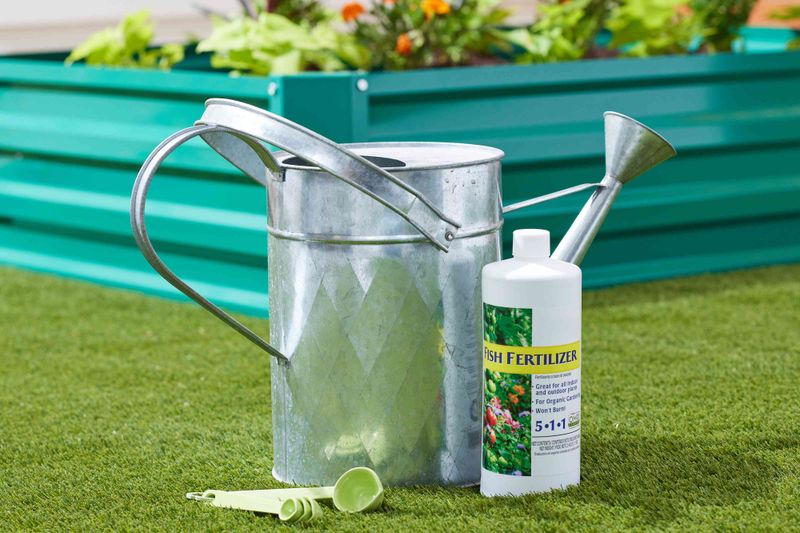
Organic gardeners swear by fish emulsion, blood meal, and bone meal. They’re fantastic for plants.
They also smell exactly like what they are, which is ground-up animal parts.
A freshly fertilized bed or a leaky bag in the shed can give off a fishy, metallic odor that coyotes find fascinating. People have discovered newly planted bulbs dug up and garden beds torn apart, only to realize the scent of bone meal was the real draw.
Dogs do it too, which tells you how strong the pull is for canines.
Winter use is usually light, but overwintering containers, indoor-to-outdoor seed starts, and fall-planted bulbs often get a dose that lingers.
A few tweaks keep your garden appealing to plants instead of predators:
Store animal-based fertilizers in sealed bins inside a locked shed or garage. Work any granules deep into the soil rather than leaving them on the surface.
Water fish emulsion in thoroughly so the smell soaks below ground. Consider plant-based options like kelp meal, alfalfa meal, or compost during colder months.
Save the fish products for warmer weather when natural food is plentiful. Your spring garden will get the same boost without the late-night visitors.
11. Unprotected Rabbit Hutches
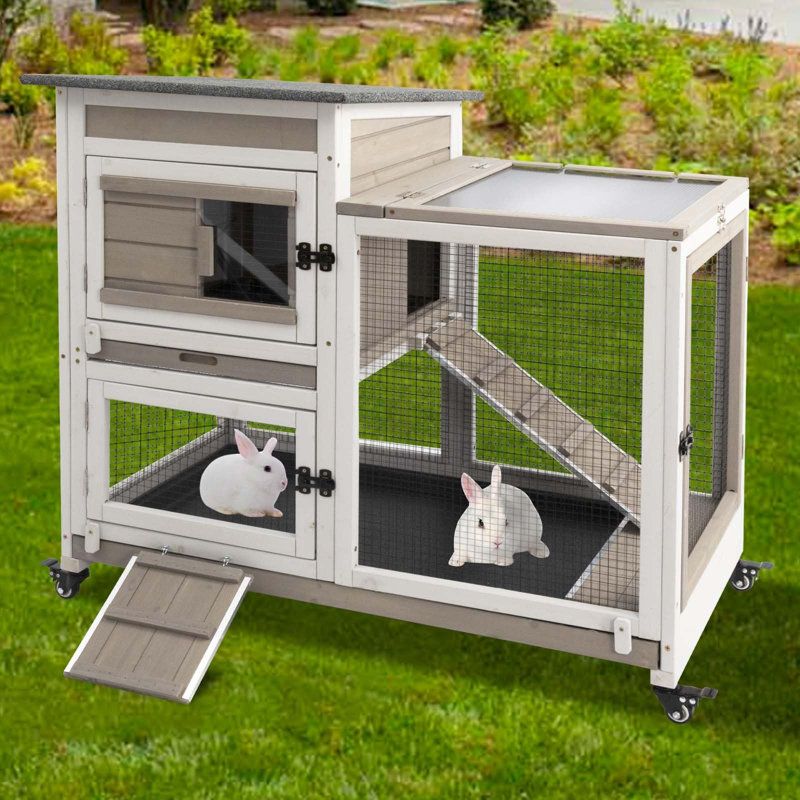
Rabbits are wild coyotes’ favorite winter prey. So when a hutch full of pet bunnies sits in the backyard, the scent is like ringing a dinner bell.
Hutches concentrate rabbit odor in one place: the animals themselves, urine-soaked bedding, droppings, and spilled pellets or hay. Even a clean hutch carries that unmistakable smell, and coyotes often circle them night after night, testing latches and digging at the base.
Sadly, many pet rabbit losses happen not because a coyote breaks in but because the stress of a predator prowling nearby can frighten rabbits badly. They are extremely sensitive animals.
If your bunnies live outside, add layers of protection:
Move hutches into a garage, shed, or enclosed porch during winter nights. Replace thin wire with sturdy welded mesh and secure doors with carabiners or locking clips, since coyotes can nose open simple latches.
Raise the hutch off the ground and block access underneath. Change bedding frequently to reduce strong odors.
Bringing rabbits indoors for the cold season is often the kindest choice anyway. They stay warmer, safer, and you get more cuddle time.
12. Deer Corn and Wildlife Feed
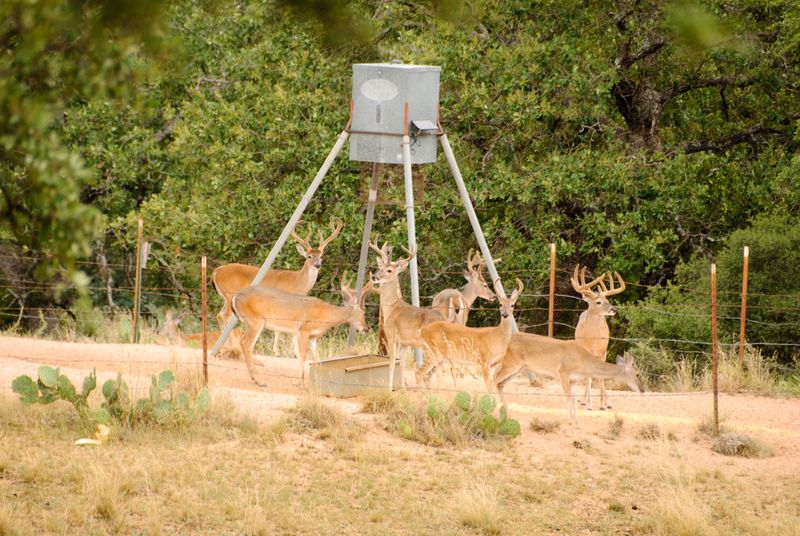
Scattering corn for deer can feel like a generous winter gesture. Watching a doe step out of the woods at sunrise is pure magic.
Yet that pile of corn quietly sets up a whole chain of trouble.
Corn draws deer, squirrels, wild turkeys, raccoons, and huge numbers of mice. Coyotes follow every single one.
They also prey on weak or young deer in harsh winters, so a feeding site can become a hunting ground just beyond your patio.
Some states and towns actually ban feeding deer for this reason, along with concerns about disease spreading when animals crowd together. It’s worth checking your local rules before putting out any wildlife feed.
If you love watching backyard wildlife, there are gentler options. Plant native shrubs like serviceberry, dogwood, and winterberry holly that offer natural food without heaps of grain on the ground.
Leave some perennial seedheads standing for birds. Put out a heated birdbath, which brings in songbirds without attracting a crowd of rodents.
Pulling back on corn piles may feel sad at first. Still, your yard will stay far more peaceful, and the wildlife stays wilder too.
13. Cat Litter and Outdoor Cats
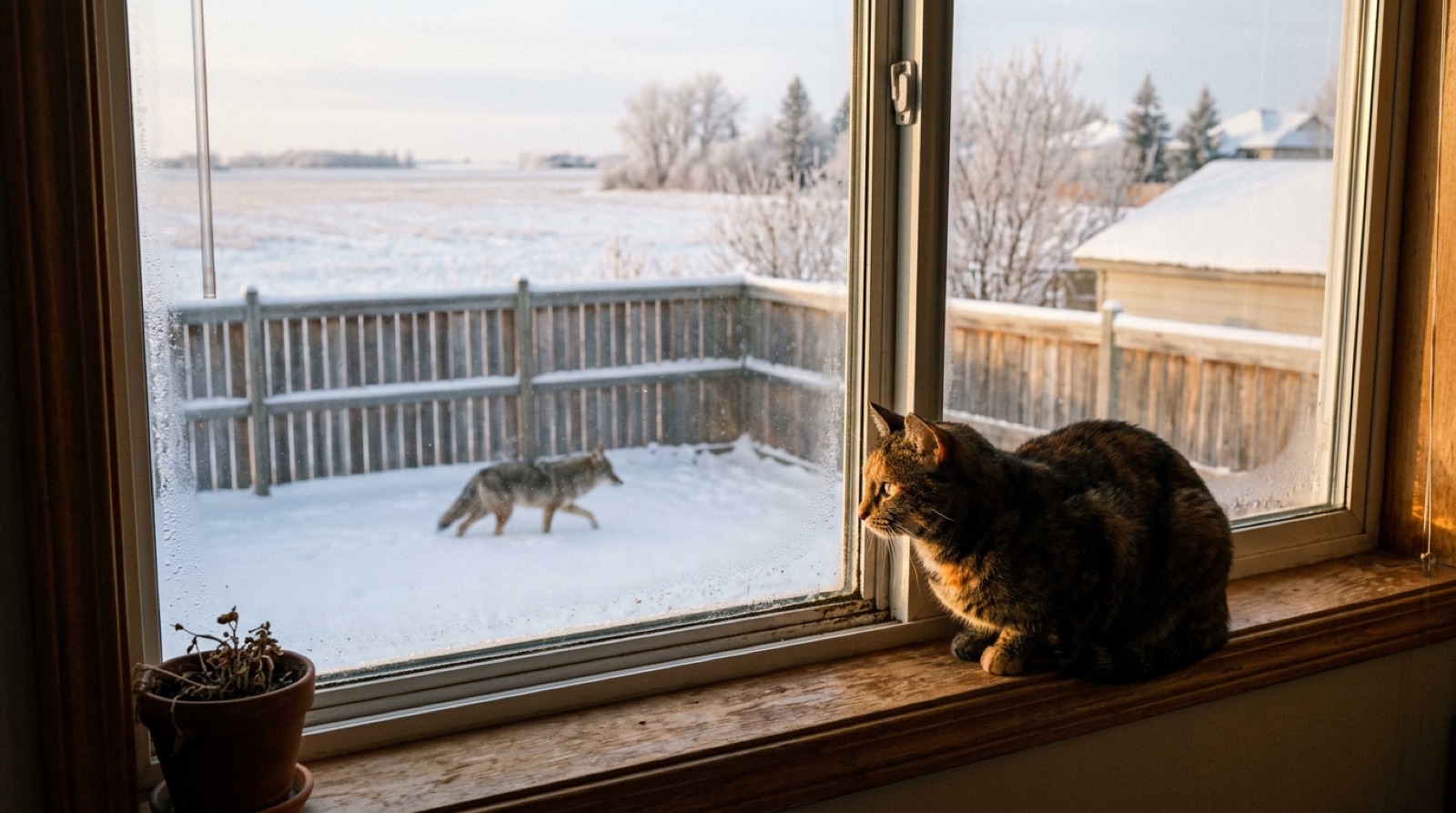
Outdoor cats are tough, independent, and clever. Even so, they’re no match for a hungry coyote, and their scent makes them easy to track.
Cats mark territory with urine and scent glands, leaving a map of their favorite routes around your yard. Used litter dumped outside or stored in an open bag adds even more of that smell.
To a coyote, these odors point directly to a small animal that is out and about after dark.
Animal shelters across the country see a spike in missing cat reports during winter and early spring, when coyotes are feeding pups and searching harder for meals.
Keeping your feline safe takes a few changes:
Bring cats indoors at night, especially from dusk to dawn when coyotes are most active. Bag used litter tightly and place it in a locked garbage can instead of tossing it in a corner of the yard.
Avoid leaving cat food or treats on the porch. If your cat insists on outdoor time, try a secure catio or supervised play during daylight hours.
Many outdoor cats adjust to indoor life more easily than owners expect. A sunny windowsill and a bird feeder view can work wonders.
14. Bait and Dead Animals
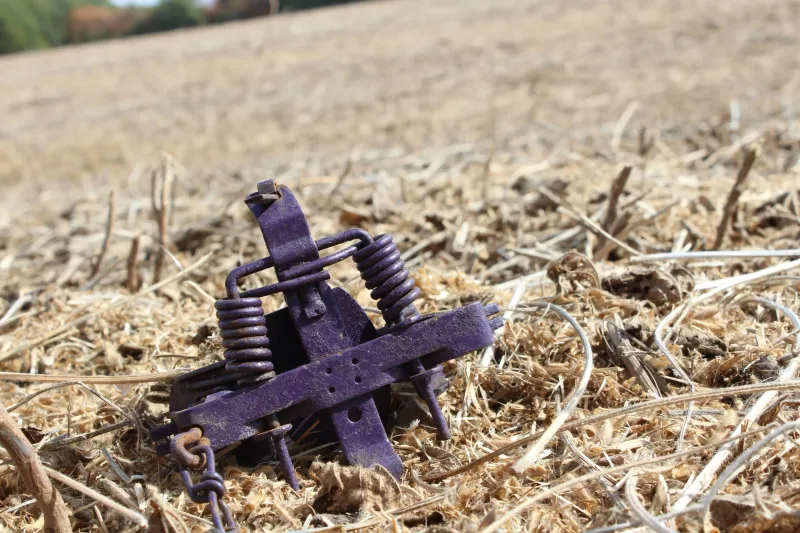
Here’s one that catches people off guard. The very traps you set to handle mice and rats can end up inviting a bigger problem.
Snap traps baited with peanut butter, meat, or cheese release food smells around sheds and garages. When a trap works, a dead rodent left sitting outside gives off a powerful scent that coyotes, foxes, and other scavengers can find in no time.
Roadkill or a dead bird that gets dragged into your yard sends out the same message.
Poison bait is even worse. Coyotes, hawks, owls, and pets can all be harmed by eating poisoned rodents, which is why many wildlife groups urge homeowners to avoid it entirely.
Handle pest control carefully:
Check traps daily and remove any catches promptly, sealing them in a bag before placing them in a locked trash can. Use enclosed trap stations so bait smells stay contained.
Skip rodenticides in favor of traps or exclusion, like sealing gaps around sheds with steel wool and hardware cloth. Walk your yard after storms to spot and remove any dead animals.
Remove the carcass, remove the reason to visit. It really is that simple.
15. Water Sources Like Ponds and Heated Birdbaths

When every puddle and creek freezes solid, open water becomes priceless. That’s when your heated birdbath, backyard pond, or leaky outdoor faucet becomes the hottest spot in the neighborhood.
Water doesn’t have a strong smell the way trash does, but the area around it does. Birds, squirrels, and other critters gather to drink, leaving droppings, feathers, and scent trails behind.
Ponds stocked with goldfish or koi add a fishy aroma that coyotes and raccoons find hard to resist. Before long, the water feature becomes a social hub for wildlife, and predators show up to see who’s visiting.
Don’t rush to shut everything off, since birds truly benefit from winter water. Just place things wisely.
Set birdbaths close enough to shrubs that birds can escape but not so close that predators can hide. Net or cover fish ponds at night, and give fish deeper areas to hide.
Fix dripping spigots and hoses that create icy puddles near the house. Keep pet water bowls indoors overnight.
Think of water as a gathering place you get to manage. Thoughtful placement lets songbirds enjoy it while giving coyotes little reason to stop by and stay.