
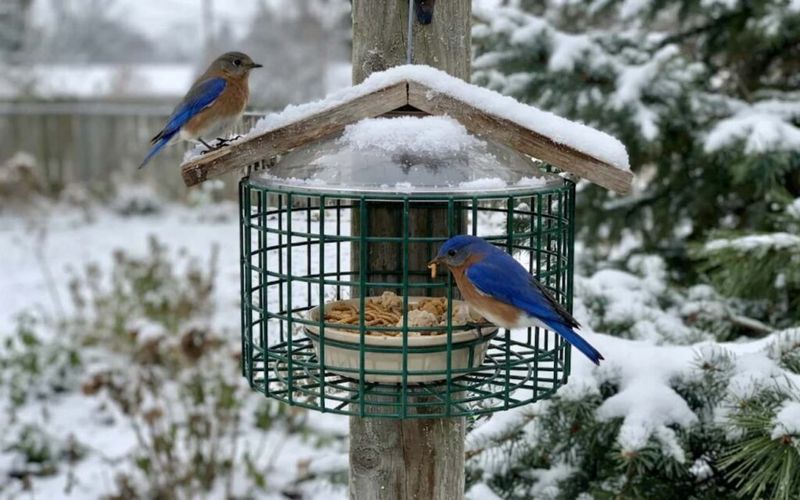
A flash of blue at your suet feeder on a cold November morning is a real treat. That bird found your feeder and decided it was worth a stop, and what it does next depends on its species and where you live.
Many bluebirds do stay through winter in parts of their range, and you can make your yard a better place for them. Here is what the visit tells you, and how to help.
What a late-fall visit can tell you
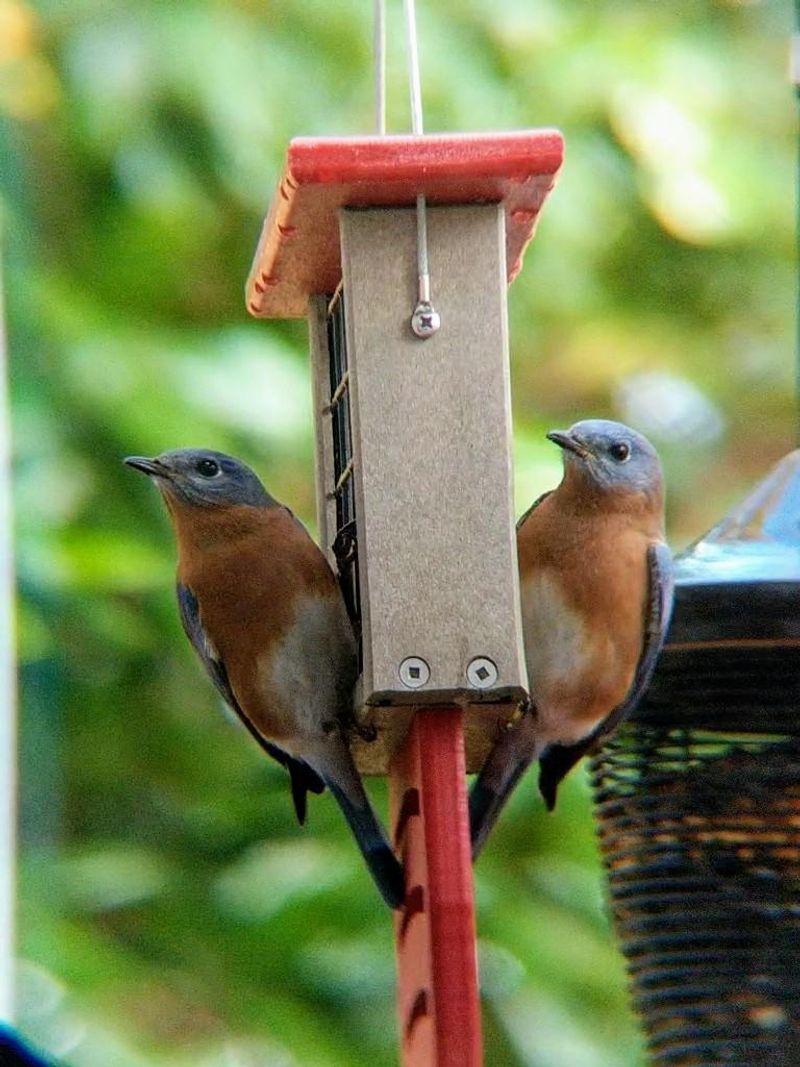
The solid fact is simple: a bluebird found your feeder and used it. That is a good sign your yard has something to offer, and it is worth enjoying.
Which bluebird you saw matters, because the word covers Eastern, Western, and Mountain Bluebirds. Their winter habits differ by species and by region.
Take Eastern Bluebirds. Cornell Lab range maps show that birds from northern areas migrate south, while many in the Southeast stay year-round.
Western Bluebirds follow a mix of patterns too. Cornell’s Western Bluebird map shows some birds staying put, some dropping to lower elevations, and some migrating.
Mountain Bluebirds have their own seasonal movements, described in their life history notes.
A range map describes a species, not one bird. Your visitor could be a local resident, a bird moving short distances, or one passing through, and a single sighting cannot tell you which.
Suet is one part of a bluebird’s winter menu
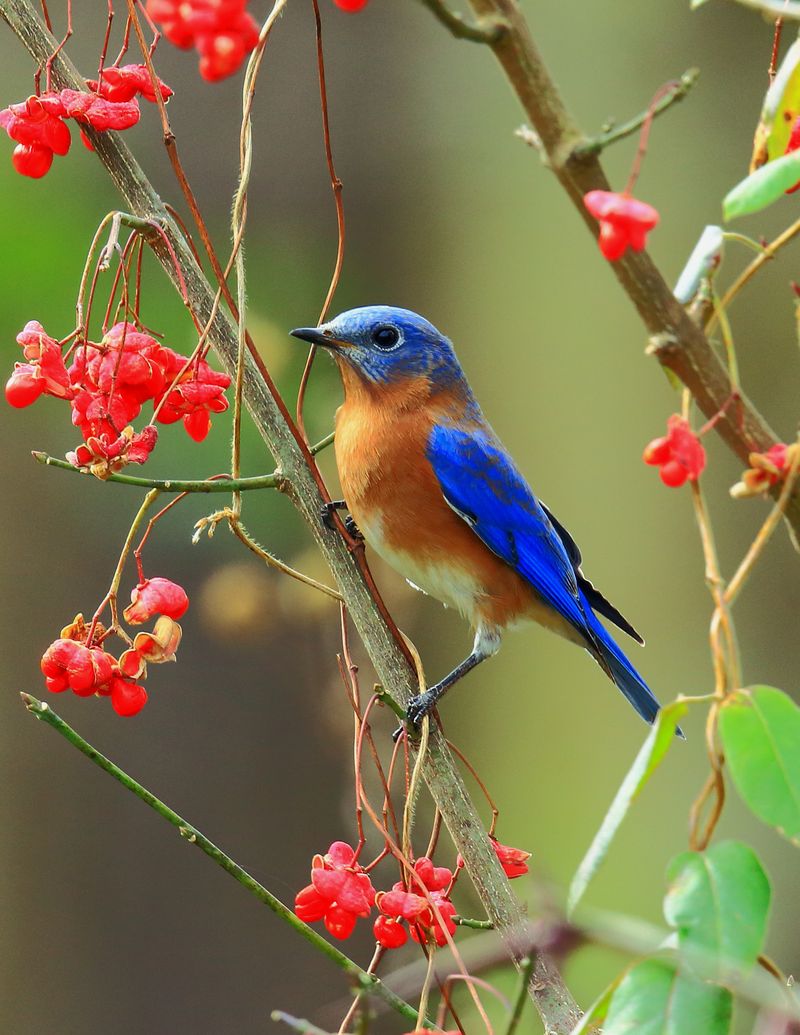
A bluebird that samples your feeder is not necessarily relying on it. Out in the neighborhood, fruit does much of the work in cold months.
According to Cornell’s Eastern Bluebird life history, these birds eat a lot of fruit in fall and winter, switching away from the insects that fill their summer diet. Berries and small wild fruits can keep a flock going when bugs are scarce.
Feeders add options on top of that. The North American Bluebird Society notes that bluebirds may take mealworms, dried fruit, or suet mixtures.
Think of your offerings as a bonus, a handy extra stop on a bird’s daily route. Western and Mountain Bluebirds have their own natural foods and habits, so what a bird takes will vary by species and region.
A visit shows interest, not need.
Choose food that suits the bird and the weather
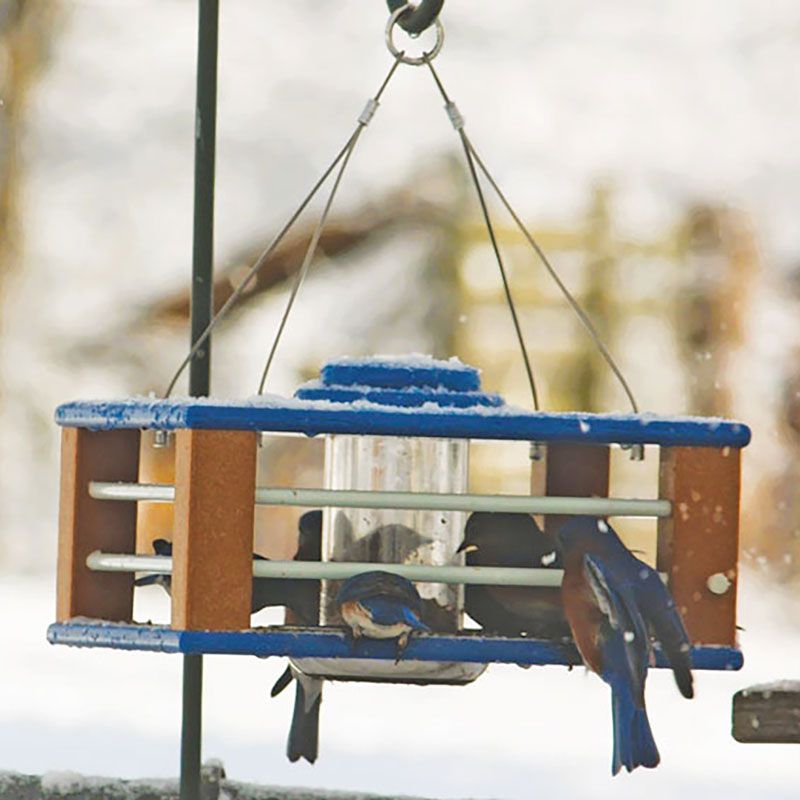
If you want to offer food, pick items bluebirds are known to take. Fruit, mealworms, and a suitable suet mixture are all reasonable choices, and a clean feeder holds them best.
Animal fat is a high-energy food, as Cornell explains, which is why suet appeals on chilly days. Bluebirds may accept it, but they may ignore some offerings, so watch what disappears and adjust.
Not all suet behaves alike. Cornell’s feeder guidance says raw suet can turn rancid above freezing, while rendered suet can soften in heat and foul feathers.
In a cold snap, either may work; during a warm spell, check the cake and pull it if it smells off or turns soft.
No food here is a year-round guarantee or a stand-in for natural forage. Treat it as a pleasant supplement that you can change with the weather.
Make natural food and water available
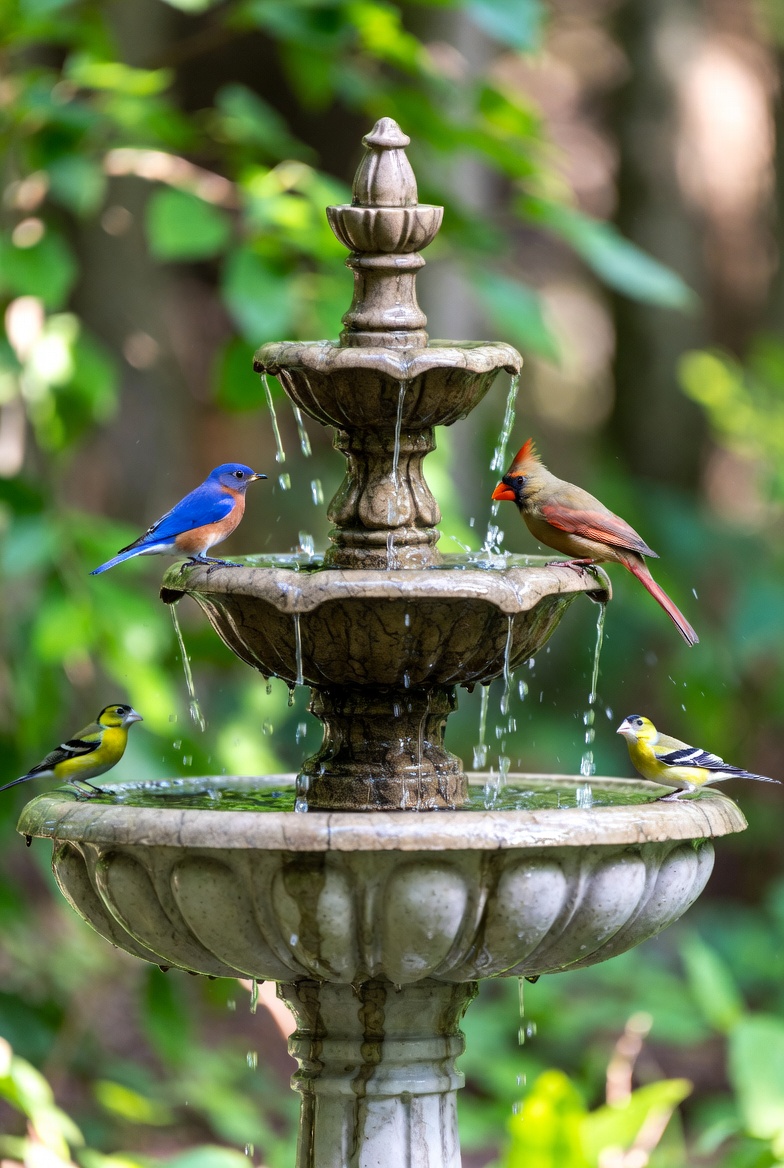
Your yard’s plants can matter more than any feeder. Fruit-bearing shrubs and trees give bluebirds the food they naturally seek in cold months.
Eastern Bluebirds eat berries such as holly, dogwood, hackberry, and juniper, according to Cornell. Those are examples, not a shopping list.
The best choices are the species native to your area, so a local nursery or extension office is a good place to ask.
Pesticides deserve a second look too. Audubon recommends cutting back on lawn pesticides, and it notes that bluebirds will visit birdbaths.
A shallow, clean water source, refreshed often so it does not freeze or foul, can draw them in winter. These steps make your yard better habitat.
They do not promise that any one bird will stay, but they give every visitor more to work with.
Keep feeders clean and handle them safely
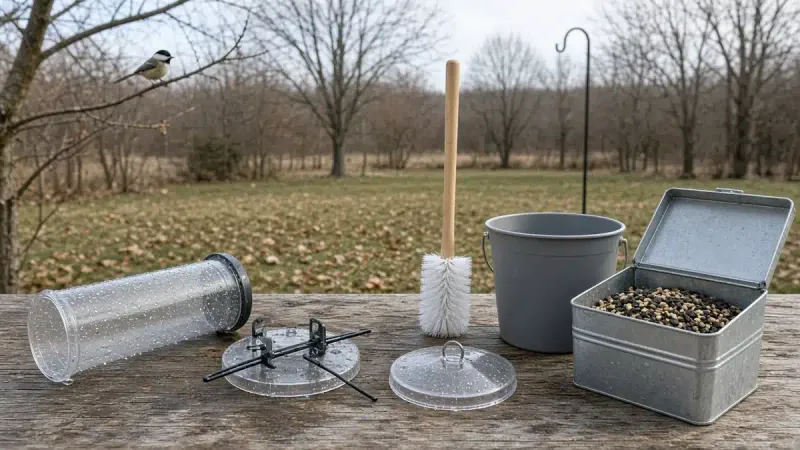
Dirty feeders can spread illness among birds, so a regular scrub is part of the deal. Clean at least monthly, and sooner if a feeder looks grimy or the food is moldy or wet.
The CDC’s wildlife guidance suggests cleaning feeders outdoors when possible. It describes a disinfecting soak in diluted bleach, followed by a good rinse and full drying before you refill.
Wash your hands after handling feeders or birdbaths, even if you wore gloves. Keep this job out of food-preparation areas, so skip the kitchen sink.
If you find a sick or dead wild bird, do not pick it up. Keep pets away from it, and follow local wildlife or health agency advice for what to do next.
Choose the right kind of shelter
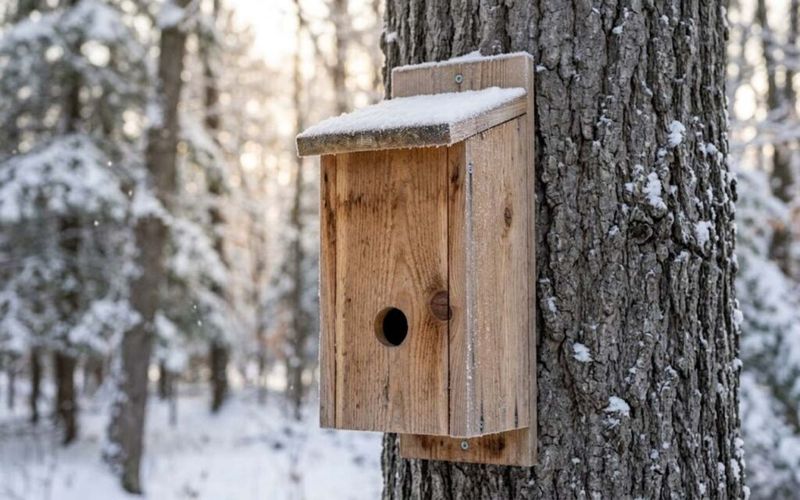
Cold nights are hard on small birds, and cavity nesters may duck into boxes for shelter. Even so, a box is not a guarantee of safety, and it is worth choosing the right kind.
An ordinary nest box is built for raising young, and Cornell says it is not ideal for overnight roosting. Purpose-designed roost boxes are a different product, made to hold several birds and keep in warmth.
Resist the urge to plug holes in a standard nest box. Its ventilation and drainage openings are there on purpose, and blocking them could create moisture or heat problems.
The North American Bluebird Society’s Getting Started factsheet is a good guide to sound box design.
If you want to add winter shelter, buy or build a true roost box instead of altering a nest box.
Enjoy the visit and keep helping
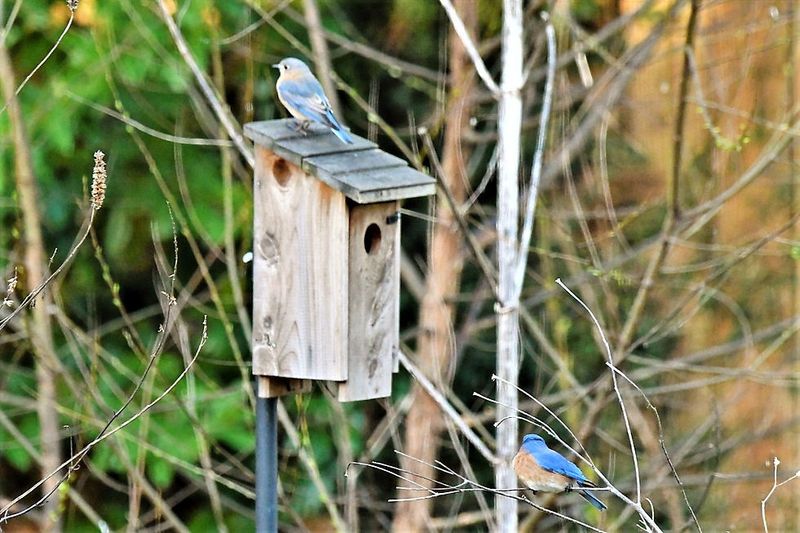
Welcome the bird, offer suitable food if you like, and keep your plants, water, and feeders in good shape. Those small choices add up, and the Eastern Bluebird range map and life history show why habitat and natural fruit matter so much.
A feeder visit does not predict where the bird goes next or promise it will survive until spring. Still, a bright bluebird against the winter gray is a gift, and what it does tomorrow is its own story.