
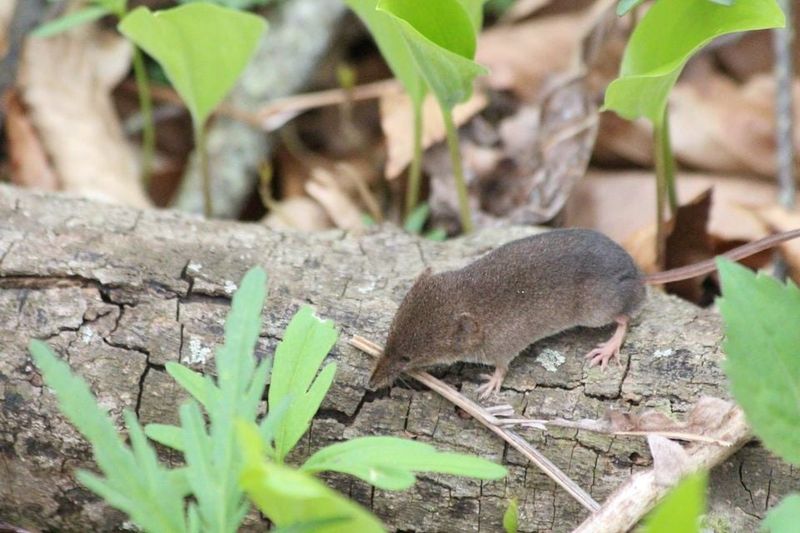
A pinch-sized animal scurrying through Texas leaf litter has picked up a scary reputation, but the story behind it is mixed up. The least shrew is real and lives in parts of our state, yet the venom part of the headline belongs to a different shrew.
Sorting out which is which tells you a lot about what might share your yard. Here is what the research actually says about this little mammal.
The least shrew is not venomous
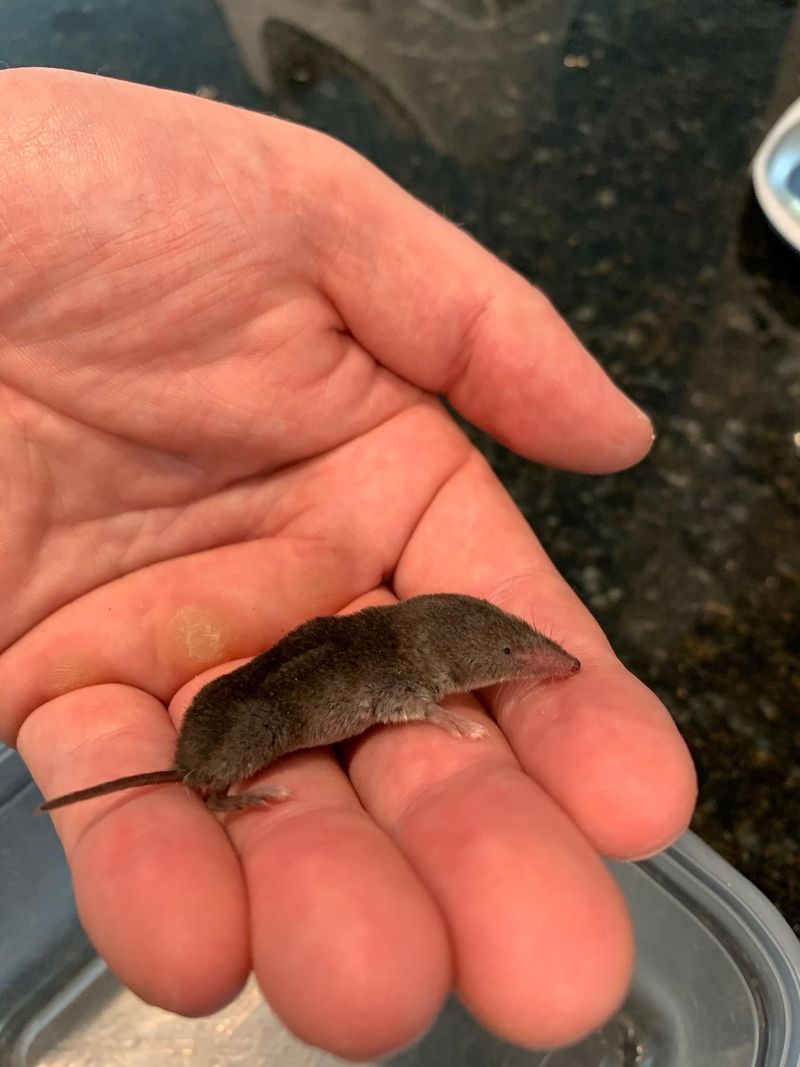
Let’s fix the biggest problem with the headline first. The least shrew, scientifically named Cryptotis parva, does not have a venomous bite.
A peer-reviewed review of venom in shrew relatives reports that least shrews were tested and found to lack venom.
That same review separates them from a small number of shrews that do make venom, including shrews in the genus Blarina. So venom is real in some shrews, but it is not a trait you can hand to every shrew you meet.
Think of it like saying all birds can talk because parrots can.
The mix-up is easy to understand. Shrews are small, fast, and sharp-toothed, and stories about the venomous kinds travel widely.
Once a tale like that gets attached to the word shrew, it sticks to any member of the group.
For a Texas gardener, the plain takeaway is simple. The least shrew is a tiny wild mammal that eats small animals, and tests found no venom in it.
A different Texas shrew does have venomous saliva, and we will meet it in a later section.
A tiny mammal with an uneven Texas range
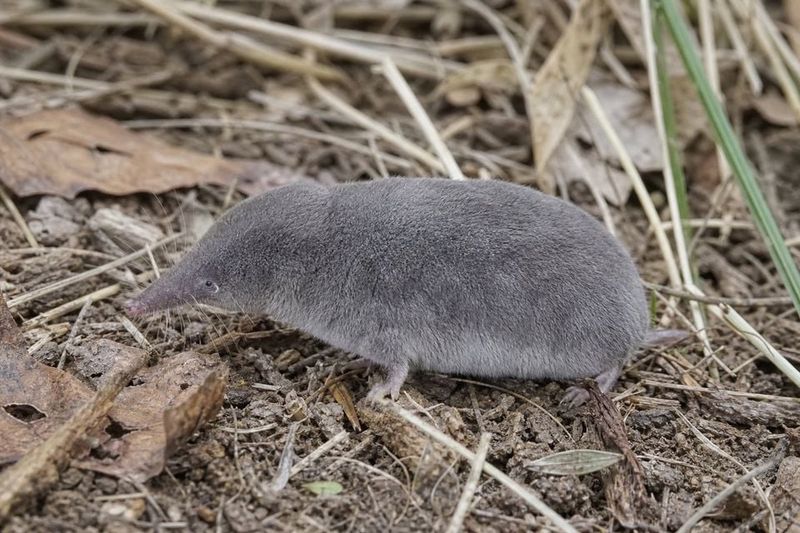
Picture an animal about as long as your hand is wide, and lighter than a few coins. Texas Tech’s species account gives the least shrew an average total length of 79 millimeters and a weight of 4 to 7.5 grams.
Those numbers show how small it is, but they are not a way to identify one in your yard.
The same account describes a range that is broad but patchy. The least shrew turns up in eastern and central parts of Texas, yet it is absent from the Trans-Pecos and from much of the Edwards Plateau.
That patchiness matters for anyone reading the word Central Texas as one big block. A separate Texas Tech work on the region, Mammals of the Edwards Plateau, notes records in Travis County, which sits next to the plateau.
It also says the species may be shut out of much of the plateau itself.
So a record near Austin does not mean least shrews live in every Hill Country yard. Where you live inside the state makes a real difference to whether this animal is around at all.
What the evidence says about shrews and mulch
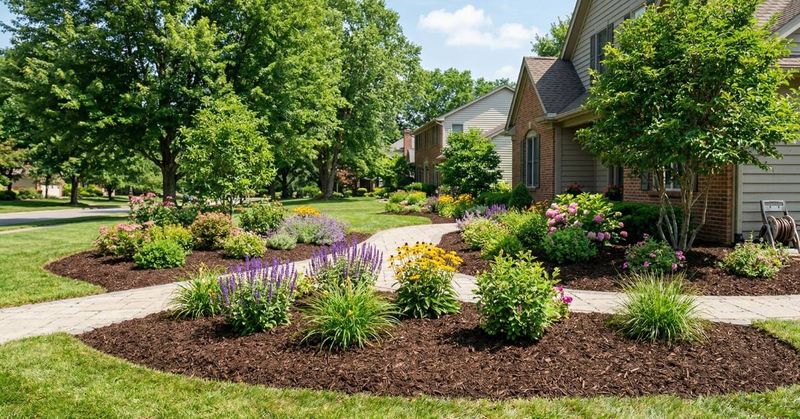
Nobody has shown that a least shrew is hiding under your mulch right now. The headline says so, but the records do not.
What Texas Tech describes is an animal most tied to grassland, using small burrows and surface runways.
It may also forage through leaf litter and loose, damp soil. That is the closest the records come to your garden, and a mulch bed can look a bit like those spots.
Still, a similar look is not the same as a documented habit.
Winter adds another detail. In Texas, least shrews gather in protected areas during cold months, and groups have been found nesting together, including one nest in December.
That shows they use sheltered places, but it says nothing specific about mulch.
Put it together and the honest answer is this. Mulch beds are not shown to be typical habitat, and no source confirms a shrew under any particular bed.
If you spot a tiny, quick animal near damp leaves, enjoy the glimpse and leave it be, without assuming what it is.
Its diet does not prove garden pest control
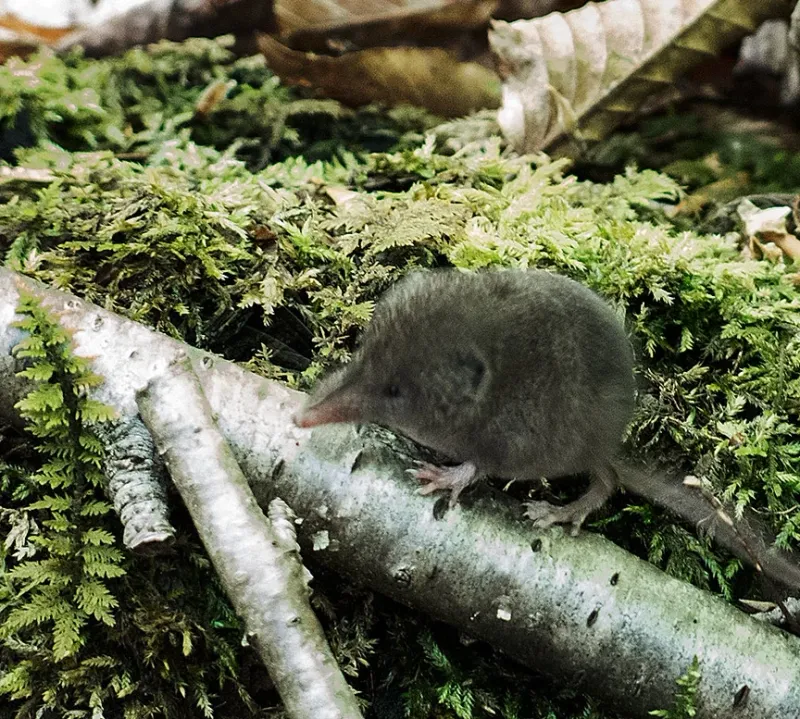
A least shrew eats animal food. Reports list insects, snails, sow bugs, and other small animals on the menu, and it stays busy at all hours, with the most activity at night.
The Texas Commission on Environmental Quality describes the species in its ecological risk guidance as a predator of invertebrates and as prey for larger animals. That is a role in the food web, a link between bugs and bigger hunters like owls and snakes.
It is not a promise of a bug-free garden. Nothing here shows that least shrews control particular lawn or garden pests at a level you would notice, and nothing shows they go after the ones that chew your plants.
There is a catch for beekeepers too. Texas Tech notes that least shrews sometimes enter beehives and eat bees.
So call it a small wild predator with a place in nature, not a hired pest crew.
Texas’s venomous shrew is a different species
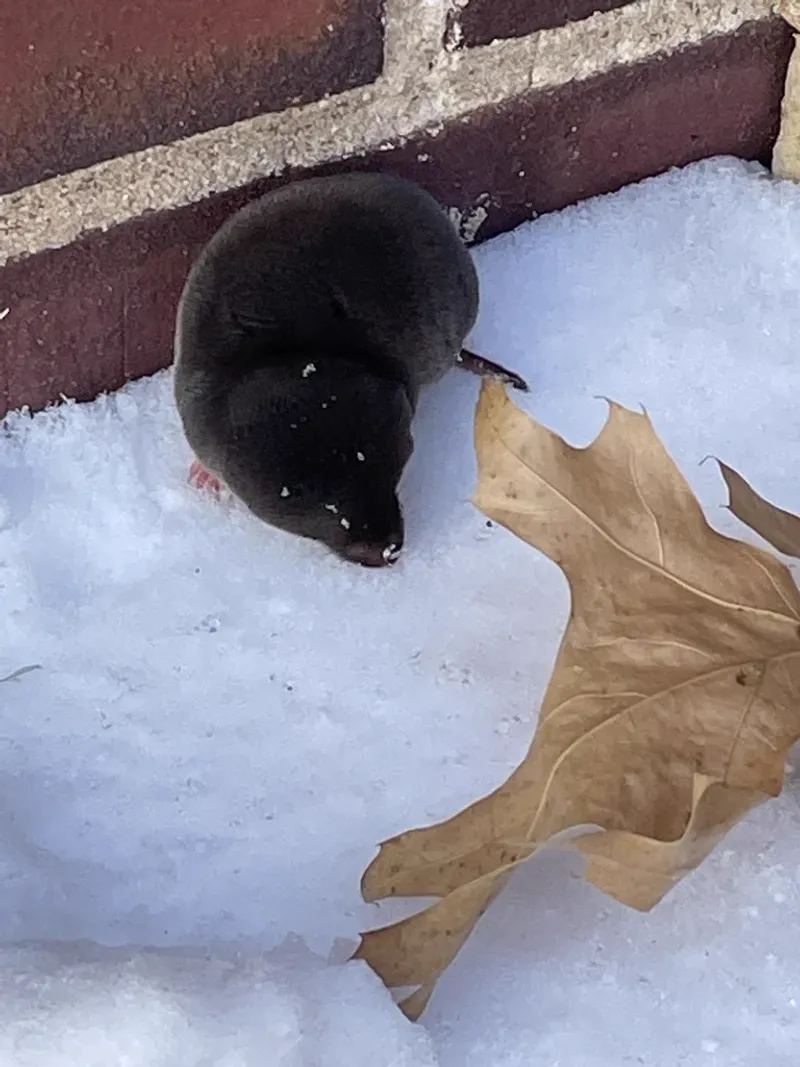
Here is where the venom story really belongs. The southern short-tailed shrew, Blarina carolinensis, is the Texas species tied to venomous saliva.
Texas Tech’s species account records it mainly in the eastern quarter of the state, with one separate record from Bastrop County.
That lines up with the science on venom. The review of venom in shrew relatives places Blarina among the venomous shrews and the least shrew among those tested and found without venom.
Two species, two different stories.
The likely reason for the confusion is that the well-known venomous trait of Blarina got pinned on the wrong shrew. A headline writer saw a tiny Texas shrew and reached for the scarier fact.
Do not assume every shrew sighting in Central Texas is this species, either. Its documented range is mostly eastern, and no source here gives a reliable way for a homeowner to tell the two apart by looks.
Species names belong in the hands of trained biologists.
Leave a small wild visitor alone
If a tiny mammal darts across your flower bed, let it go on its way. Do not pick it up, and do not try to work out its species by holding it.
The one shrew in Texas linked to venomous saliva, the southern short-tailed shrew, looks like many small animals to a casual eye.
The headline also gave you three claims you cannot count on: which shrew it is, that one lives under your mulch, and that it will rescue your garden. The least shrew record backs none of them.
Wildlife is best enjoyed at arm’s length. A shrew hurrying through the leaves is simply a small hunter minding its own business.