
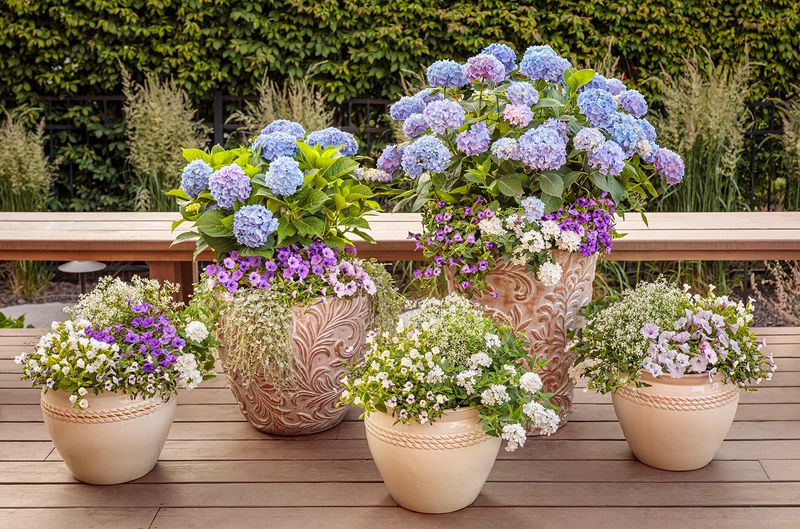
A potted hydrangea can come back green and healthy in spring and still give you zero flowers. The reason often comes down to how the pot and the old stems got through winter.
A cover or wrap around the pot is a cheap, smart step for the roots, and it is the simple fix most people reach for. Here is what it does, what it cannot do, and how to give next summer’s buds a better chance.
Why a shrub can live but not flower
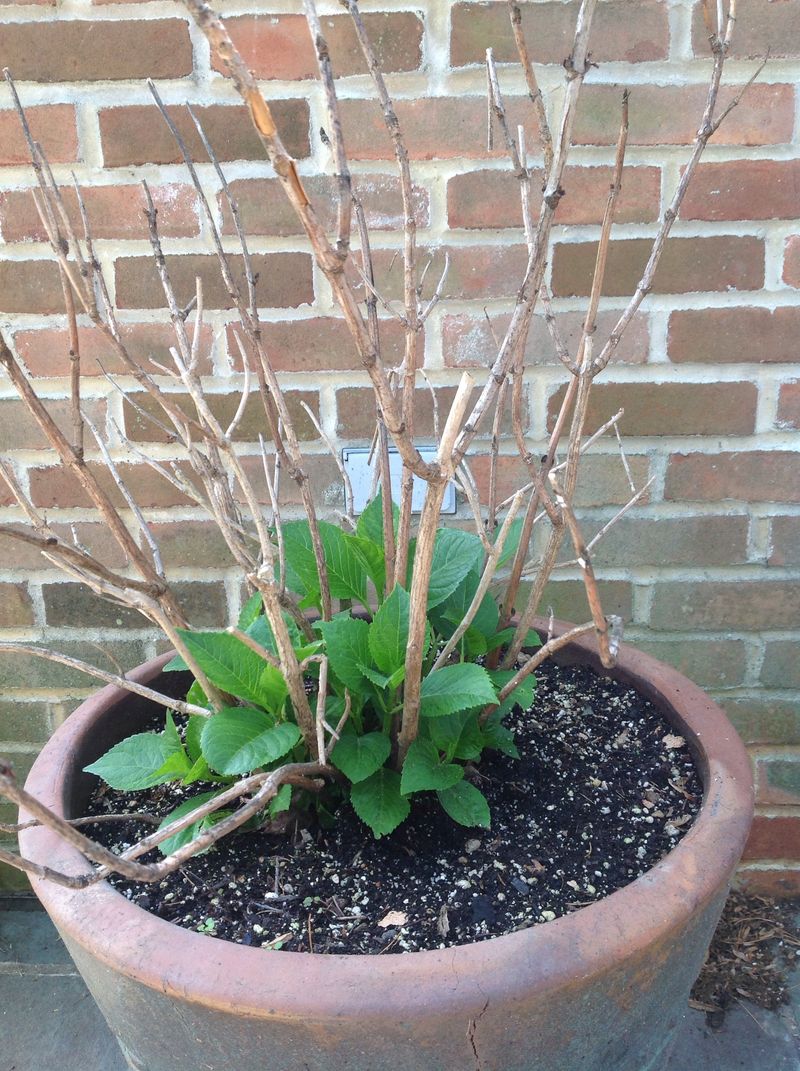
Plenty of porch hydrangeas make it through winter and then sulk all summer with leaves and no blooms. Survival and flowering are two different outcomes.
Many bigleaf hydrangeas form next summer’s flower buds on last year’s stems, so if cold damages those stems or buds, the plant can leaf out normally and still skip flowers.
Roots are a separate matter. Roots in a container face more cold exposure than roots in garden soil, because the pot sits in the open air and the soil in it can chill from every side.
Iowa State guidance on overwintering container plants focuses on protecting that root zone for exactly this reason.
Old-wood buds can also be hurt by severe cold, late frost, or pruning at the wrong time, as Penn State Extension explains. So a wrap around the pot can help the plant stay alive, but it cannot promise flowers.
Think of root protection and bud protection as two jobs, and plan for both.
Your hydrangea type changes the advice
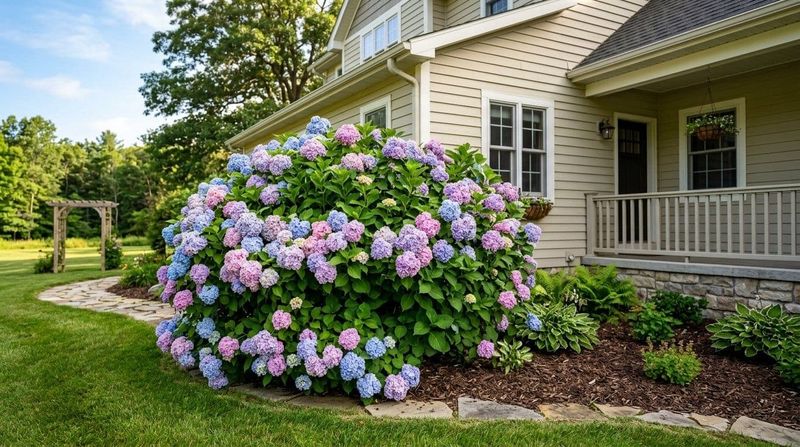
Before you wrap anything, find out which hydrangea you own. Many bigleaf hydrangeas bloom on old wood, meaning the stems grown last year carry this year’s flower buds.
Some cultivars rebloom on both old and new wood, which gives them a second chance if early buds are lost, according to University of Maryland Extension.
Smooth and panicle hydrangeas work differently. They flower on new wood, so winter-killed old stems do not wreck their flowering the same way.
University of Minnesota Extension lays out these groups clearly, and Penn State Extension covers pruning timing by species too.
Check the plant tag, your purchase receipt, or the nursery listing for the cultivar name. Round mophead or lacecap flowers on broad, glossy leaves usually point to bigleaf.
Cone-shaped blooms often mean panicle. If you cannot tell, treat it as an old-wood bloomer until you learn more, and hold off on pruning.
Container roots face more cold exposure
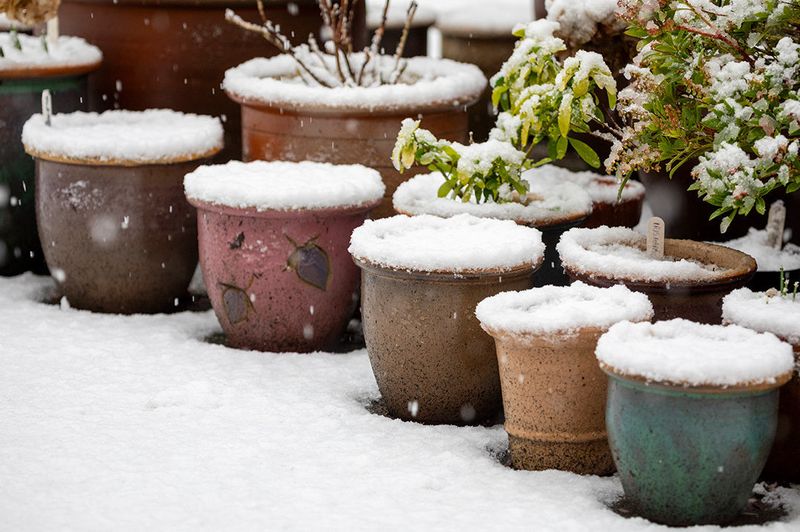
A hydrangea in the ground has the earth around it acting like a thick blanket. A hydrangea in a pot has only a thin wall of plastic, clay, or ceramic between its roots and freezing air.
That is why Iowa State Extension treats container plants as needing extra winter help.
Protecting roots is not the same as protecting flower buds on old stems. A well-insulated pot can leave roots in good shape while the stems above it take a hit from a cold snap.
Likewise, perfect stems will not matter if the roots in an exposed pot do not survive.
That leaves you with a few realistic choices. You can heel the pot into the ground, move it to a cold, sheltered space, or keep it outside in a protected spot with insulation around it.
Illinois Extension describes the outdoor approach, and the next sections walk through each option so you can match one to your winters.
Move a dormant pot to a cold, sheltered place
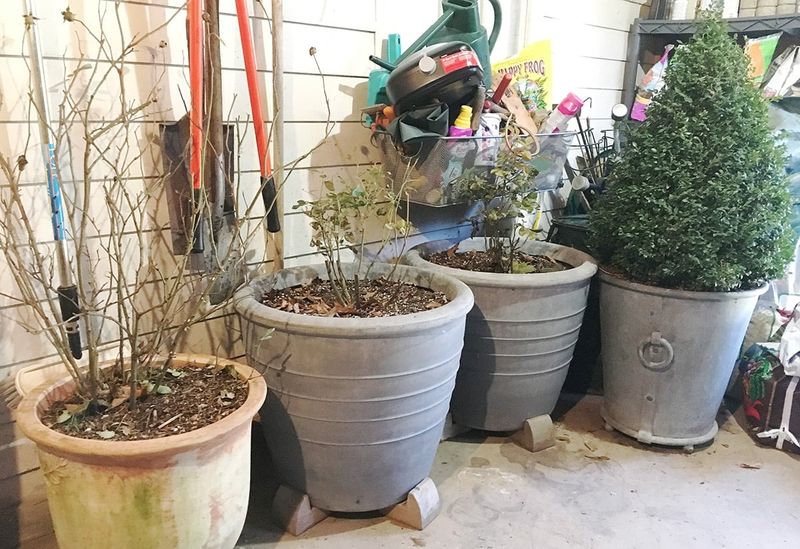
If you want broader protection than a wrap on the porch, there are two options. One is heeling in: after the plant goes dormant but before the ground freezes, dig a hole and sink the whole pot so the soil insulates it.
Mulch over the top once the ground begins to chill.
The other is cold, unheated storage. Iowa State describes a range of roughly 20 to 45°F as general guidance for container-grown trees, shrubs, and perennials.
It is not a promise written for hydrangea cultivars, so treat it as a useful target rather than a guarantee of blooms. You can read the details in Iowa State’s overwintering guide.
An unheated garage is not automatically a good fit. Temperatures inside can swing widely, dipping below the range or warming enough to wake the plant.
Put a thermometer in there and watch it through a few cold spells.
Dormant does not mean forgotten. Poke a finger into the potting mix now and then, and water only if it has dried out.
Never let it sit waterlogged. A warm living room is not the answer for a dormant, hardy hydrangea.
Insulate the pot if it stays outdoors
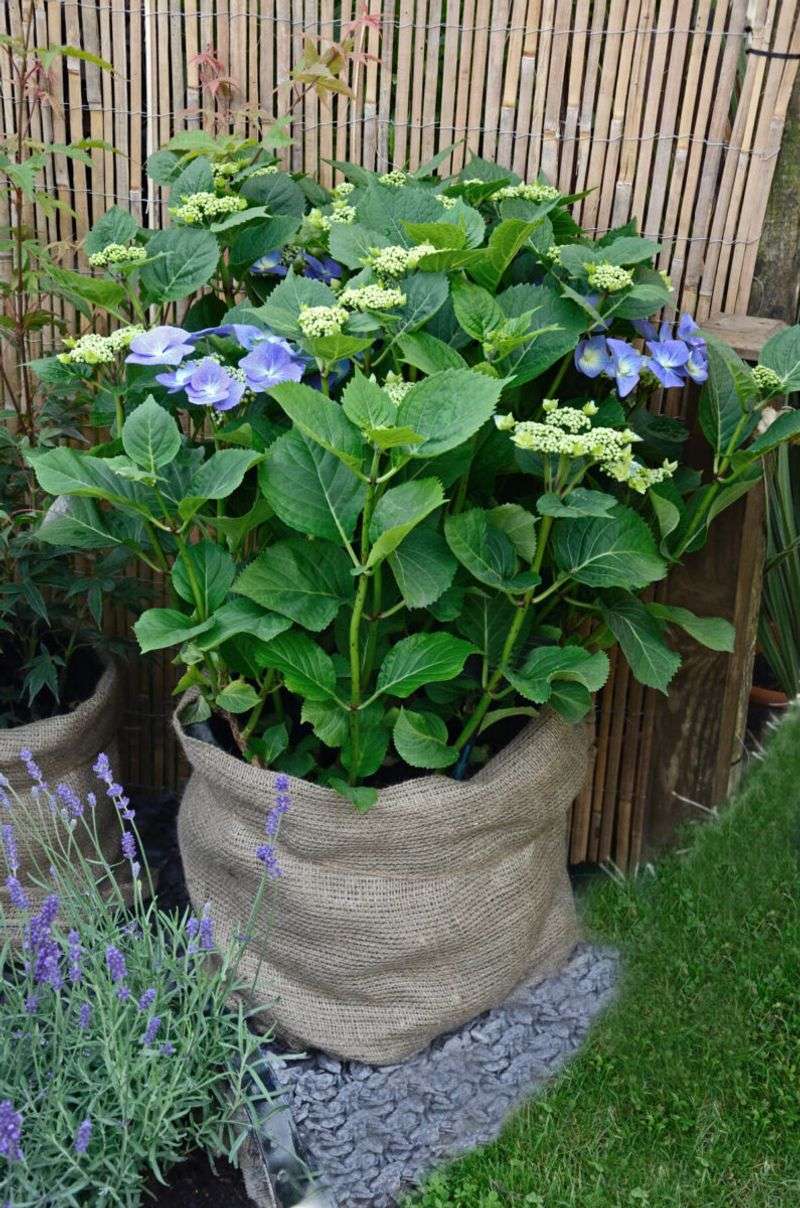
Some people have no garage and no spare garden bed, and that is fine. Pulling the pot off the open porch edge and into a sheltered corner is a good start.
Group it with other containers, close to the house and away from strong wind, so the pots shield one another.
Next, insulate around the pot itself. Heavy mulch piled around the container, or materials like burlap, straw, or leaves packed against its sides, slow the cold from reaching the roots.
Illinois Extension recommends this grouping and mulching approach, and its container overwintering page adds more detail.
Be realistic about what this does. A wrapped pot is root protection, and old-wood buds can still be lost to a harsh winter.
Wind shelter is one piece of good placement, not the single cause of a missing bloom season.
Keep your focus on the container and where it sits. Check the mix occasionally, since a wrapped pot can still dry out.
Preserve old stems and buds
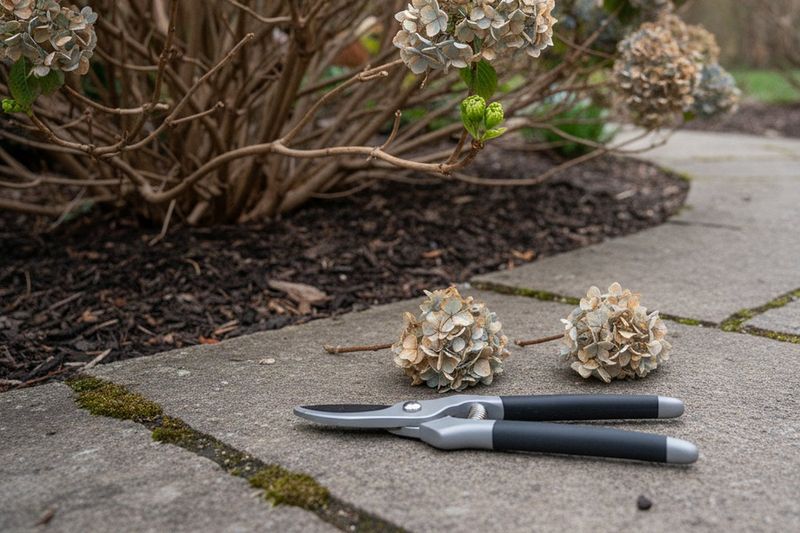
The easiest way to lose flowers is with your own pruners. If your hydrangea blooms on old wood, cutting stems in fall, winter, or early spring can remove the buds you were trying to save.
Maryland Extension advises pruning bigleaf hydrangeas just after flowering, though advice for specific cultivars can differ.
Wait until the plant leafs out before you remove anything. Stems that look dead in March may still have live buds lower down, so cut only what is clearly dead after growth starts.
Then there is late frost. A freeze after you take winter protection off is a separate risk from roots freezing in the pot, and Maryland Extension’s problem guide lists it as a cause of lost bloom.
Keep a sheet or blanket handy for cold nights in spring.
Insulating the pot alone does not protect every bud. Severe winter weather and swings in temperature can still harm old stems, as noted in University of Georgia guidance on bigleaf hydrangea.
Look for other reasons flowers are missing
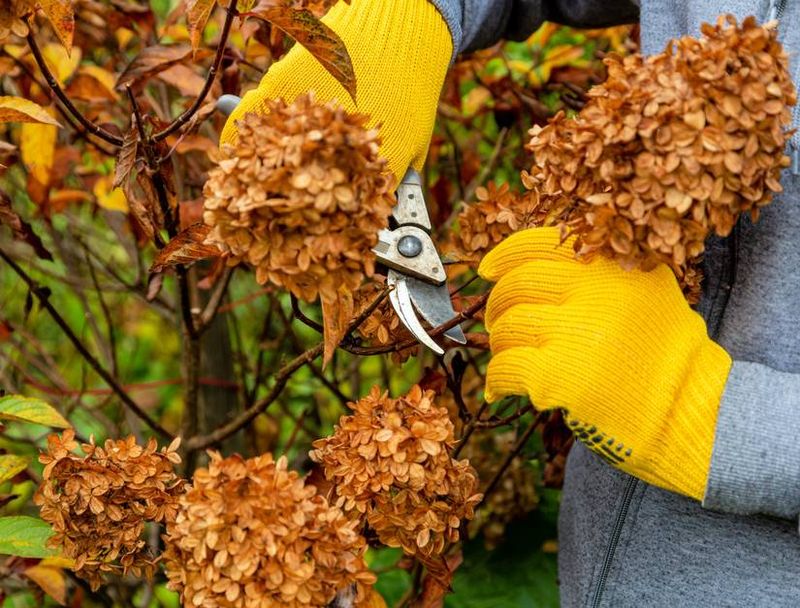
If you did everything right and still see no blooms, cold may not be the whole story. Maryland Extension’s hydrangea problem guide names mistimed or heavy pruning as a leading cause.
It also lists late frost, deer browsing, and too much high-nitrogen fertilizer, which pushes leafy growth at the expense of flowers.
Look for clues. Stems chopped off at a blunt height or ragged, nibbled tips can point to pruning or deer.
Very dark, lush leaves after a heavy feeding hint at too much nitrogen.
Another possibility is the plant itself. Some florist or gift-shop hydrangeas are not winter-hardy in every region, and Penn State Extension cautions about this.
A plant bought around a holiday with no cultivar tag may fall in that group.
Treat these as possible causes, not a diagnosis. Your next steps are to identify the plant, review how and when it was pruned and fed, and compare what you see with your local winter conditions.
Match winter care to the plant and the place
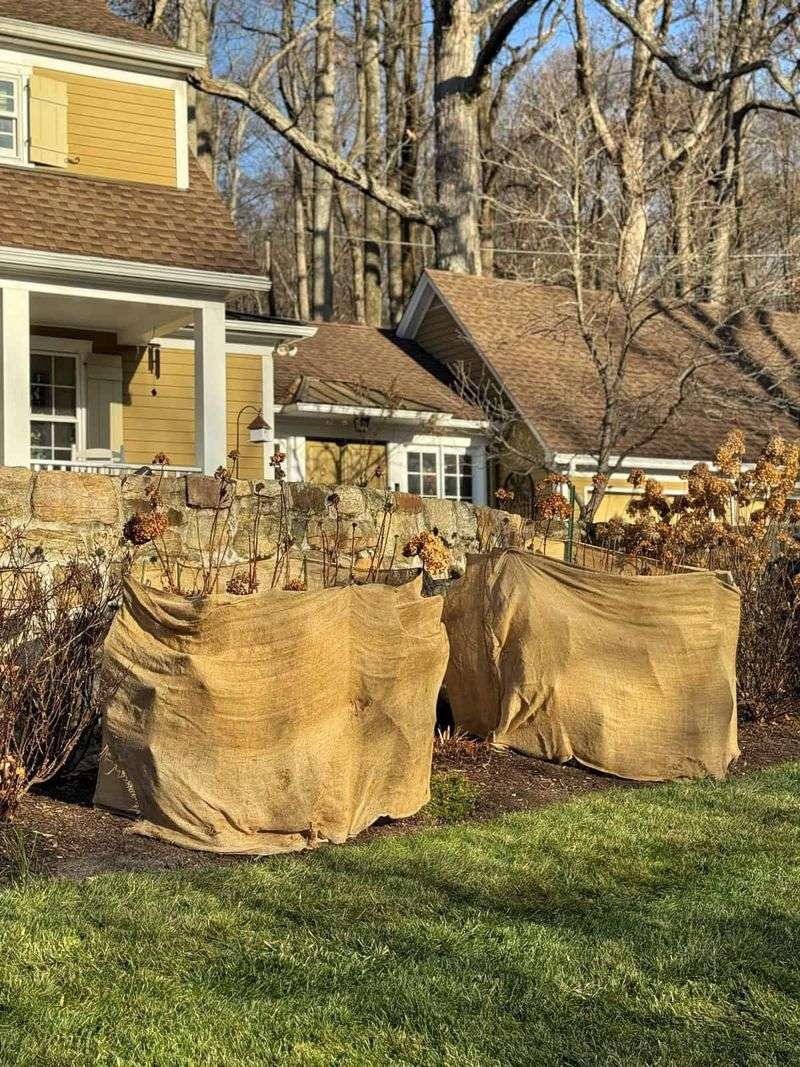
Use a simple rule: name your hydrangea, protect its container roots, and leave the old stems alone if it blooms on old wood. A wrap or mulch around the pot is useful root protection, as Illinois Extension describes, but it is not a promise of flowers.
Where winters are harsh, a cold, sheltered move or heeling the pot into the ground may fit better, and plant type matters, as Penn State Extension shows. Good winter care gives the buds a fair chance, and the rest is up to the weather.