
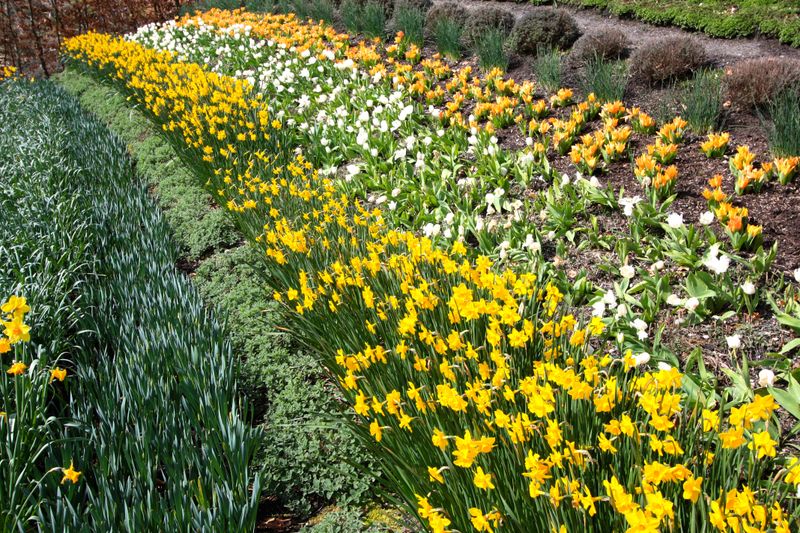
Those forgotten bags of tulip and daffodil bulbs in your garage can still turn into spring flowers if you get them into the ground before it freezes solid. Planting them now costs you nothing but an hour or two, and it saves bulbs you already paid for.
Late planting does come with some limits, so it helps to know what to expect. Here is how to give your bulbs their best shot.
Workable soil sets the planting window
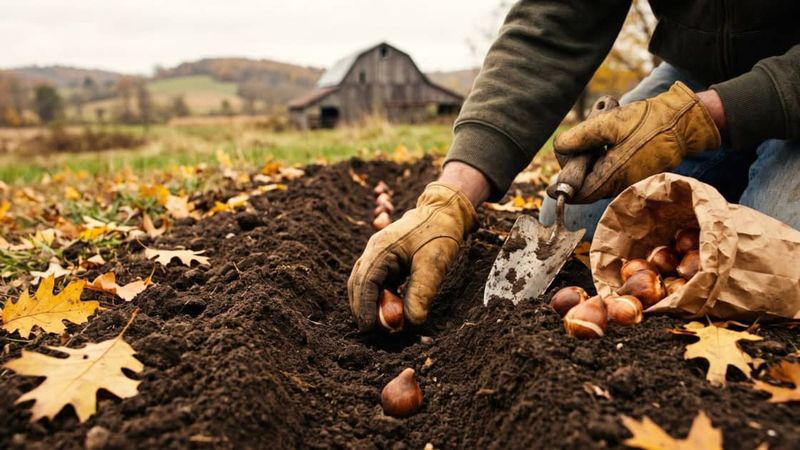
If you can still push a trowel into the soil, get those bulbs planted this week. Soil that crumbles and digs easily is the real signal, and it matters more than any date on the calendar.
Freeze timing differs a lot from one part of the country to another, so a single deadline for everyone would be misleading.
Planting before the ground freezes is a useful cutoff, but it is not a promise of flowers. It simply gives the bulbs a chance.
University of Minnesota Extension says tulips can be planted as late as you can get them into the soil. That advice is specific to tulips and to Minnesota conditions, and it does not guarantee results for every bulb or every yard.
A practical check: stick a screwdriver or trowel into the planting spot. If it goes in without a fight, you are still in the window.
If the top layer is stiff with frost, wait for a milder afternoon and try again, but do not keep waiting for weeks.
Check the bulbs instead of judging the garage
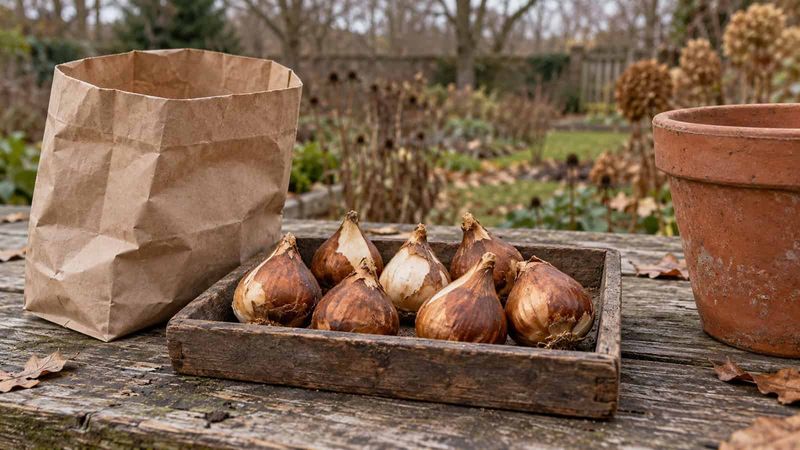
Sitting in a garage does not tell you whether a bulb is dead or alive. Pick up each one and look it over.
Firm, plump bulbs with intact skins are worth planting, while soft, mushy, or moldy ones belong in the trash.
Storage conditions make a difference. University of Illinois Extension advises keeping bulbs cool and dry with some airflow, and away from ethylene-producing fruit such as apples.
Poor storage can damage the flower bud inside, which means a bulb can look fine and still fail to bloom.
If your bulbs sat in a hot, damp corner or next to a fruit bin, expect a few duds. Plant the good ones anyway, because you have little to lose.
One safety note if you share your home with animals: tulips and daffodils are toxic to dogs and cats, and the bulbs are especially hazardous if eaten, according to the ASPCA. Keep bulbs out of reach while you sort them.
Plant bulbs at the right depth in well-drained soil
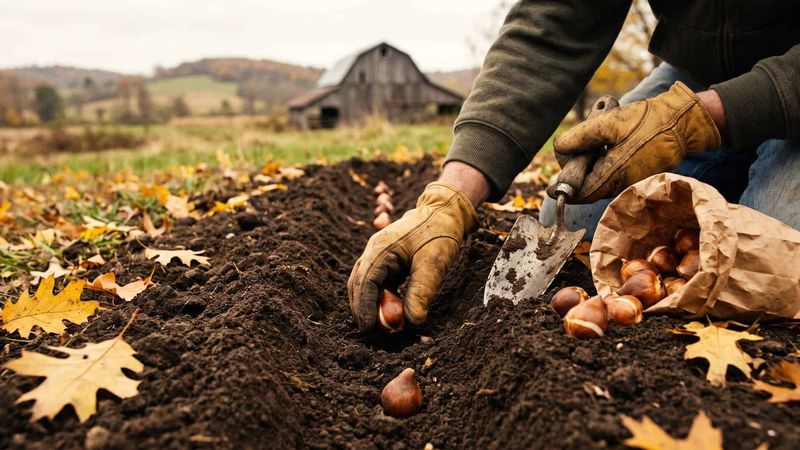
Start with the package. If the bulbs came with instructions, follow the planting depth listed there.
Without a label, a general guide is to plant each bulb two to three times as deep as it is wide. That is a rule of thumb, not a law, since soil type and bulb variety can change the best depth.
Set each bulb with the pointed end facing up and the flat, root end down. Choose a spot that drains well, because soggy ground can rot bulbs before they ever sprout.
Colorado State University Extension notes that wet conditions can cause rot.
If a spot stays puddled after rain, pick a different one or plant in a raised bed. Heavy clay can be loosened with compost before planting.
After the bulbs are covered, water them if the soil is dry. A good drink helps settle the soil around them, but do not soak the bed.
Damp is good, waterlogged is not.
Use mulch to buffer winter temperature swings
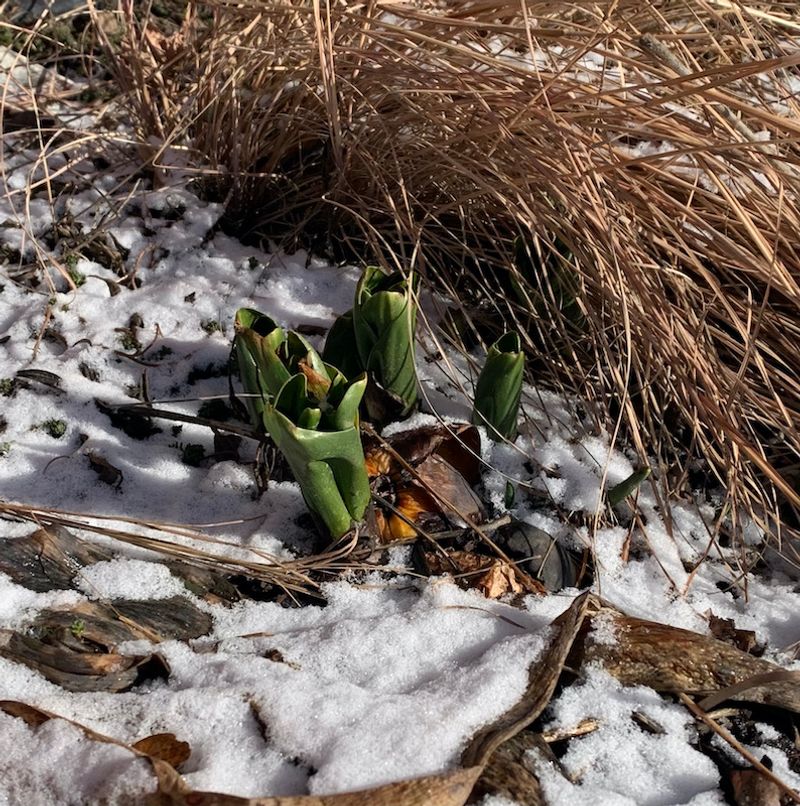
Mulch works like a blanket for the soil. It helps moderate soil temperature and can reduce damage from freeze-thaw cycles, when the ground swings between frozen and thawed and bulbs can get pushed around.
Extension advice varies by region. Minnesota Extension recommends two to three inches of mulch over planted bulbs.
Colorado State Extension advises applying mulch after the ground freezes. Treat both as guidance for those climates rather than one rule for every yard.
Shredded leaves, straw, or bark all work. Check your local extension office if you are unsure about timing where you live.
Late planting can mean an uneven spring display
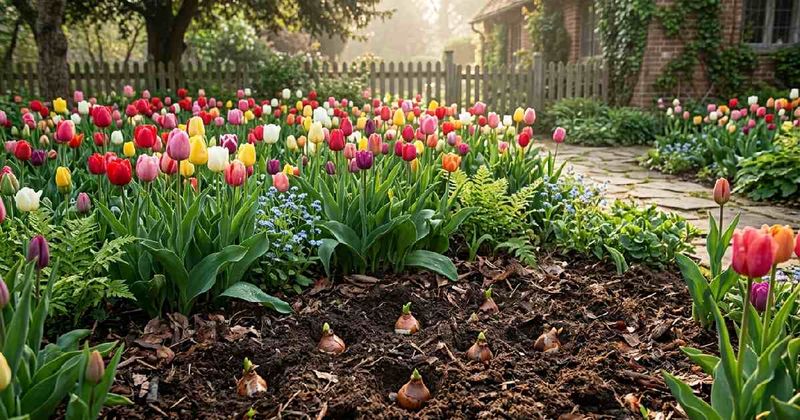
Fall is the preferred planting time because bulbs use the cool months to grow roots before winter. Bulbs planted late have less time to do that.
Colorado State University Extension cautions that late-planted bulbs may not root adequately or flower uniformly.
So picture a realistic outcome. Some of your bulbs may bloom right on time.
Others might come up short, flower late, or skip the year entirely.
Remember that Minnesota’s advice about planting as late as soil access allows applies specifically to tulips. It does not promise even results for tulips, daffodils, or every region.
If a few gaps show up in spring, tuck in new bulbs next fall. Treat this year’s planting as a low-cost bonus rather than a sure thing.
If the ground is frozen, do not force the planting

When the ground is frozen solid, put the shovel down. Chipping bulbs into hard soil damages them and rarely gives them a decent home.
The workable-soil window has closed for now.
Holding bulbs until spring is not an equal backup plan. Iowa State University Extension says spring-planted bulbs often lack well-developed roots and may fail to bloom.
Storing them also gives no guarantee they will be in good shape later.
If you miss the window, think of the next fall as your real opportunity. Buy fresh bulbs then and plant them on time.
Old leftovers that you did manage to save are a nice extra, not something to count on.
A missed deadline costs you a season of surprise, not a lifetime of flowers.